
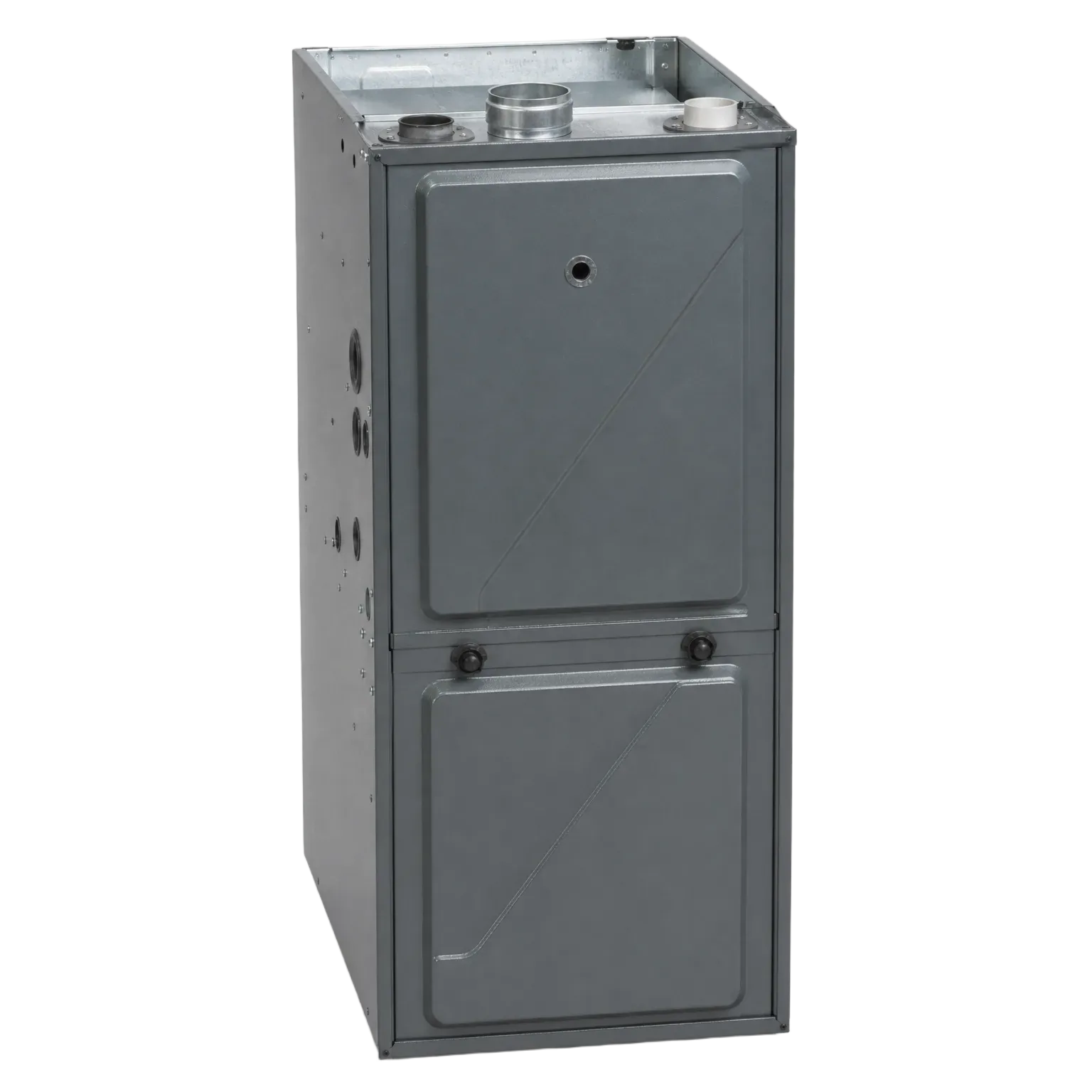
Running the way it should
This is a furnace moving through a full cycle. The burners stay lit, the blower pushes air the whole time, and the exchanger sheds its heat as fast as it builds. Nothing here is working harder than it has to.

A furnace that turns on and off over and over, instead of running a full cycle, is short cycling. Most often it means the furnace is shutting itself down before it should, and the usual cause is heat building up inside it faster than the system can move it out through the ducts. A dirty filter is the most common reason, because it blocks airflow and the furnace overheats and trips a safety switch. A flame sensor coated with residue can do the same thing, cutting the burner off seconds after it lights. In some homes it's a thermostat placed somewhere that doesn't reflect the rest of the house, so it reads the room as warm and cuts the furnace short again and again. Short cycling wears on the parts that start and stop the system every time it happens, and it leaves rooms swinging between too warm and too cold instead of holding steady. It is worth having looked at rather than lived with.




The high limit switch is what actually stops a furnace mid-cycle, and it does that job whether the real problem is a dirty filter, a weak blower, or vents shut in rooms nobody uses. Any of those traps heat inside the cabinet, the switch reads it, and the burner shuts off before the house gets warm. A flame sensor works differently. Once residue builds up on it, the control board thinks there's no flame even though there is, so it cuts gas it didn't need to cut. Sometimes the switch itself is the broken part, tripping on a furnace that isn't overheating at all. And sometimes nothing inside the furnace is wrong. If it was sized for a bigger house, it heats your rooms fast enough that the thermostat shuts it off within minutes, over and over, all day. A furnace doing that for different reasons looks the same from the living room. The short cycle is the symptom. What's actually happening is airflow, heat, or a sensor telling the board the wrong thing.


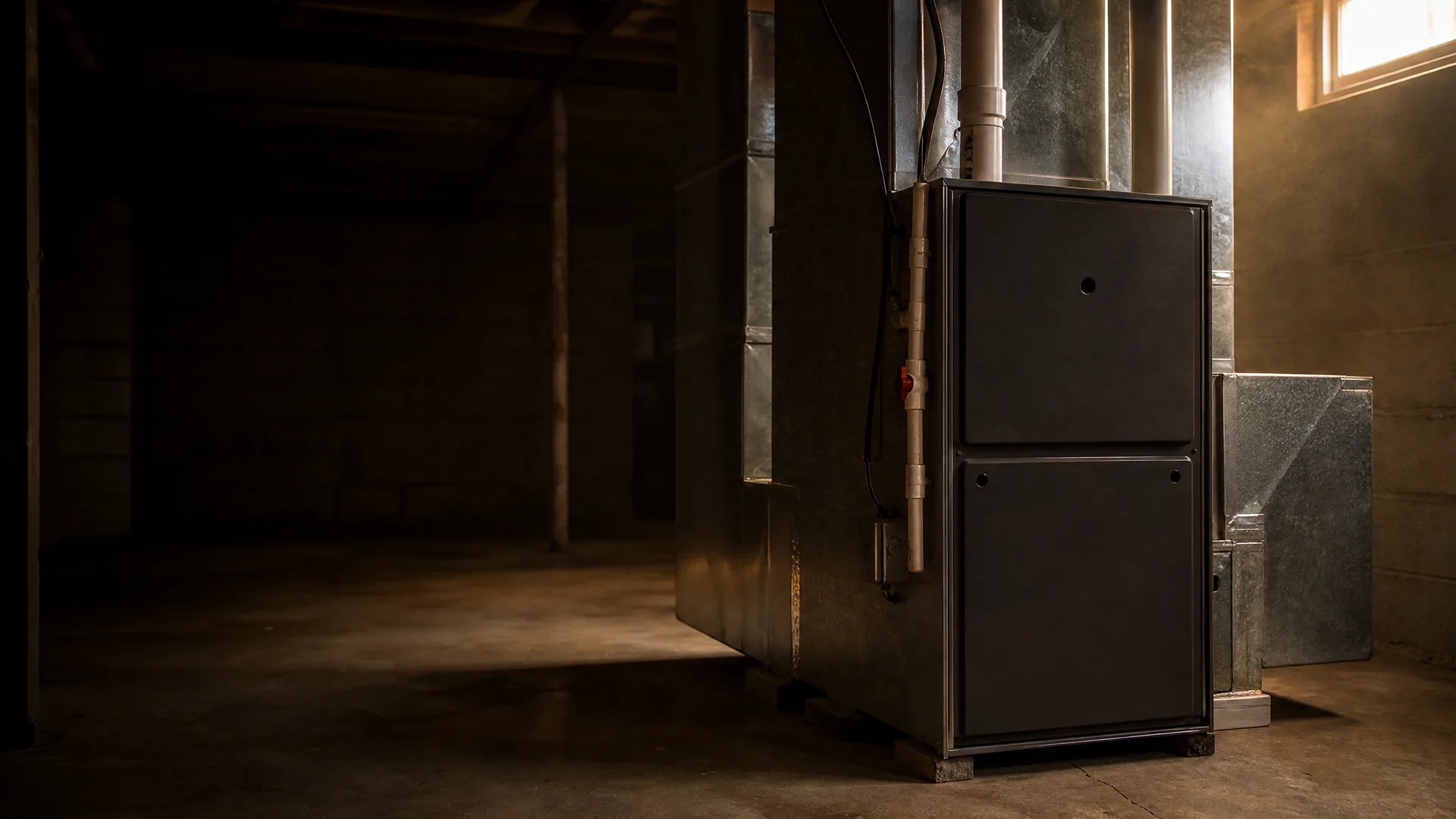
You're down in the basement around six, after dark, checking why the hallway upstairs still feels cold. The furnace sits there dead quiet, not even ticking, a little dust hanging in the air where the blower kicked it up before it cut out. Outside it's a November evening, that electric heat in the rest of the house working overtime to make up for it. You put your hand near the vent and nothing's moving. It had been running maybe two minutes ago. Now it's just waiting, like it's stuck between cycles, and you're standing there in a coat you didn't think you'd need indoors.
You hear the burner light, then shut off a few minutes later, then light again. The air coming out of the vents feels cooler than it should, because the blower keeps running after the burner quits. Some rooms stay cold while the one near the thermostat warms up fine. You might notice the furnace cycling more on the coldest nights, when it has the most work to do. Left alone, a furnace that short cycles wears out its parts faster, since the igniter and blower motor are starting up far more often than they're built for, and your electric bill reflects all that extra starting and stopping.
Thermostat calls for heat and the furnace ignites the burners
Heat builds up and the limit switch watches the temperature rise
Airflow falls behind, so heat collects faster than the blower clears it
The high limit switch trips and cuts gas to the burners


After you send the request, you're done searching.
It costs nothing to send, and you don't have to hire anyone.
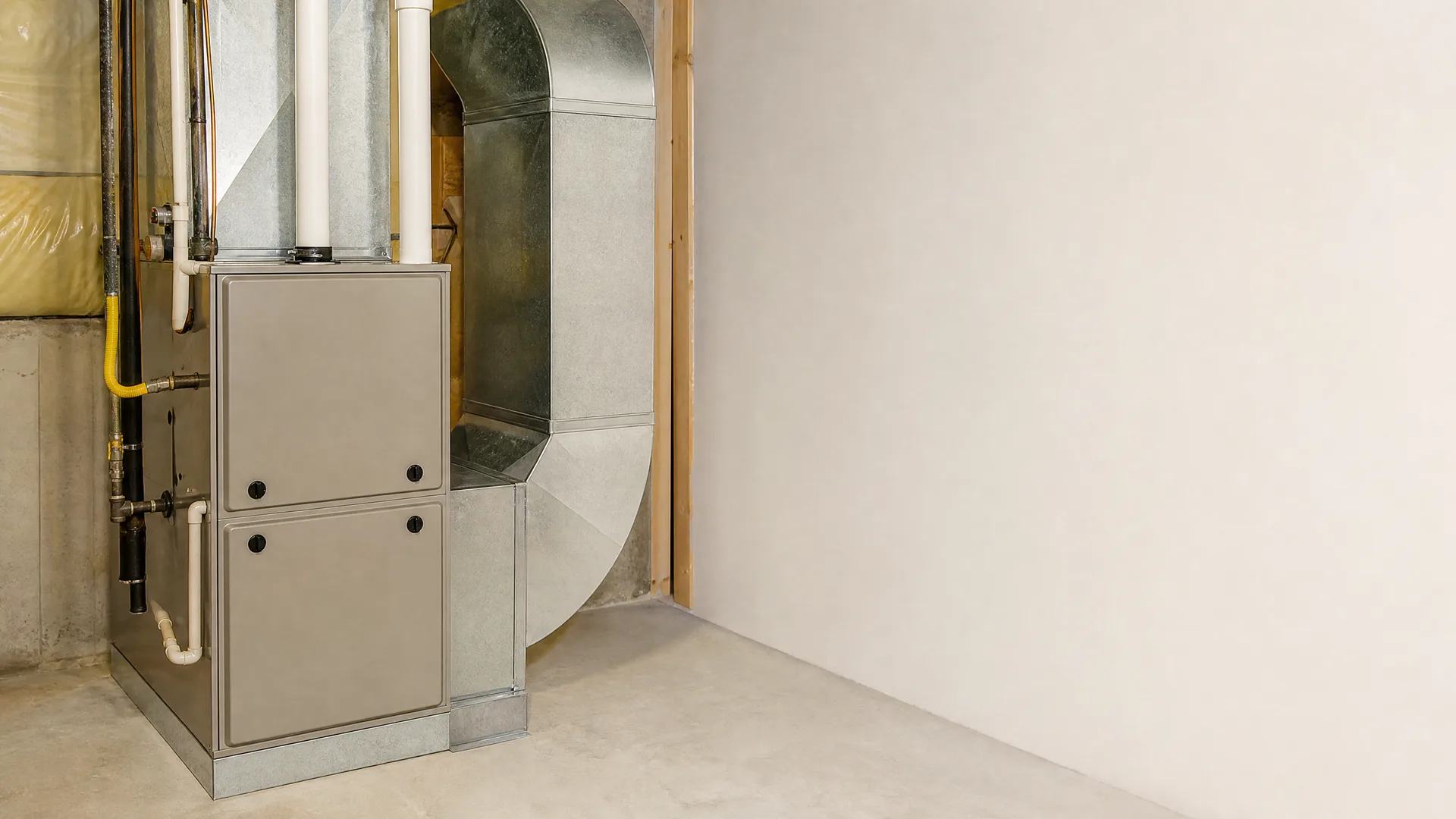
Washington homes mostly heat with electricity, and an electric furnace can short cycle the same way a gas one does. The heating elements can overheat if the blower can't keep air moving past them, and a limit switch will cut power to protect the element. The cause isn't a bad flame sensor, since there's no flame, but a dirty filter or a failing blower motor can starve it for air the same way.
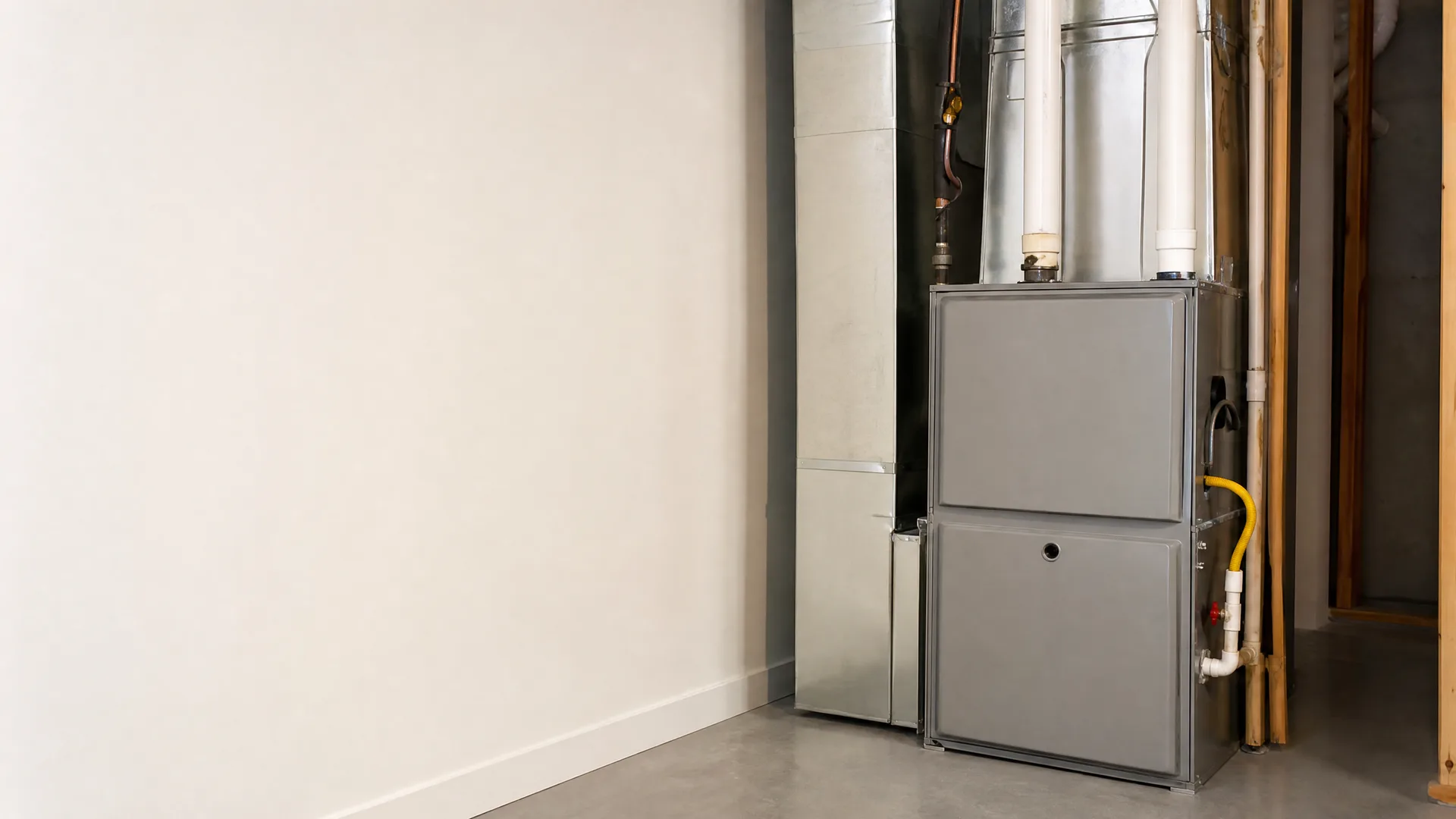
Power is cheap here, but a furnace that short cycles still runs its blower and its heating elements over and over to make up for the heat it loses every time it shuts off early. A furnace that completes its cycle uses less power to heat the same space than one that's constantly restarting. The cost of a cheap kilowatt hour adds up differently when the furnace behind it is working harder than it should.
Nights here average 30°F in December, January and February, so your furnace is running long stretches to hold the house steady. A unit that short cycles on a night that cold can't keep up, and the rooms farthest from it cool off fast.
NOAA nClimDiv 1991-2020 county normals weighted by homes

This is a furnace moving through a full cycle. The burners stay lit, the blower pushes air the whole time, and the exchanger sheds its heat as fast as it builds. Nothing here is working harder than it has to.

Same kind of unit, same basement setup, but this one is cutting out before the cycle finishes. The gas shutoff and condensate lines are doing their job. The problem is inside, where heat is building up faster than the furnace can clear it.


A furnace that keeps shutting off early is telling you something specific. Heat is building up faster than the blower can carry it away, or the control board is getting a signal that doesn't match what's actually happening at the burner. A dirty filter, a flame sensor with a film on it, a limit switch that trips too soon, these all cause the same shutdown by different paths. None of them mean the furnace is done for. Most of what causes this is a part doing its job on bad information, not a system failing outright.
The nights that show it clearest are the cold ones, when the furnace needs to run long and steady to keep the house at temperature. That's when a short cycling furnace falls behind fastest, and the rooms farthest from it cool first. Left as it is, the furnace keeps paying for it in wear. Every shutdown is a restart, and the igniter and the burner components go through more of those than they're built for over a season.
None of this is something to work out room by room or guess at from the thermostat. A technician reads the pattern, how often it cycles, what the air feels like at the vents, and narrows it to the part behind it. Send the form and that part becomes someone else's job to find. A contractor serving Washington gets your details and reaches out, and from there the diagnosis is theirs to run down, not yours.




Send the request today and stop worrying about who to call.
No charge to send it. You decide if you hire them.