
Heat Pump Maintenance in Washington
Washington's winter nights are milder than in 34 of the other 49 states.
Tell us about the job
Takes about a minute. No obligation.
- 30°Fwinter overnight low where people live
- 10 monthsof heat, September through June
- 73°Fsummer afternoon high where people live
- 11.90¢ per kWhwhat homes paid for power in 2024 (kWh means kilowatt hours, the unit on an electric bill)
What does a heat pump in Washington face?
How hot do summer afternoons get?
73°Faverage afternoon high where people live
Alaska66°F
Arizona101°F
How cold do winter nights get?
30°Faverage overnight low where people live
North Dakota4°F
Hawaii65°F
How many months does the heat run?
10 monthsof heating a year
Hawaii0 months
Alaska12 months
What does electricity cost?
11.90¢per kWh, what homes paid in 2024
North Dakota11.51¢
Hawaii42.86¢
How often do storms hit?
65severe weather events per county from 2015 to 2024
Alaska5
Wyoming1,057
How many homes lost power for a day or more?
23%of homes in 2024
Arizona7%
Maine54%
What a tune-up catches that you can't
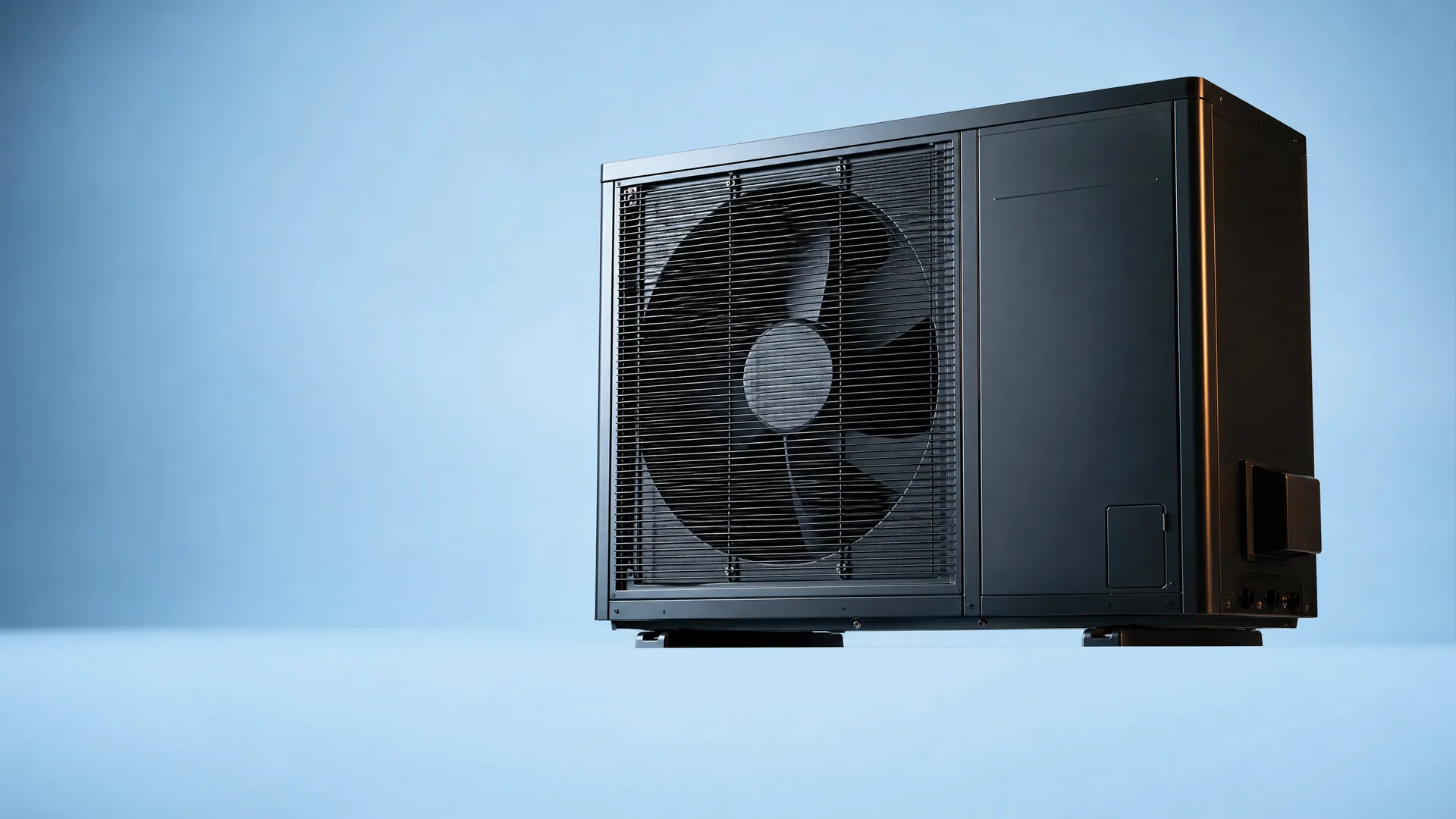
A tune-up starts outside, at the unit most homeowners never look closely at. The outdoor coil picks up dirt, pollen and grass clippings over time, and once it's coated, the system can't pull heat from the air the way it should. A tech will straighten bent fins and wash the coil out, which isn't something you'd catch from a glance on your way past. Inside, the refrigerant charge gets checked against what the manufacturer specifies. Too little or too much and the compressor works harder than it needs to, and that kind of wear doesn't show up as a symptom until the compressor is already in trouble. The reversing valve gets tested too, since that's the part that switches the system between heating and cooling. A valve that's starting to stick won't announce itself until the day you need heat and get cold air instead. Electrical connections get checked for corrosion and loose terminals, since a heat pump cycles on and off more than a furnace does, and that cycling is what works a connection loose over time. None of this shows up at the thermostat. It only shows up when someone opens the cabinet and looks.
Half the homes in Washington were built in 1985 or later, and that makes this state newer than most of the country.
If your heat pump came with the house, it's probably still well within its working life, and a yearly check is what keeps it there.

Book it in August, before September asks anything of it
Ten months of heat a year is more than nearly any other state asks of this machine
Heat starts running in September here and doesn't stop until June. That's ten months leaning on the same system, more than homes in 45 other states have to ask of theirs. August is the month before any of that starts, and it's the easiest time to get someone out to look things over. Wait until the first cold morning and you're finding out what shape it's in the hard way.
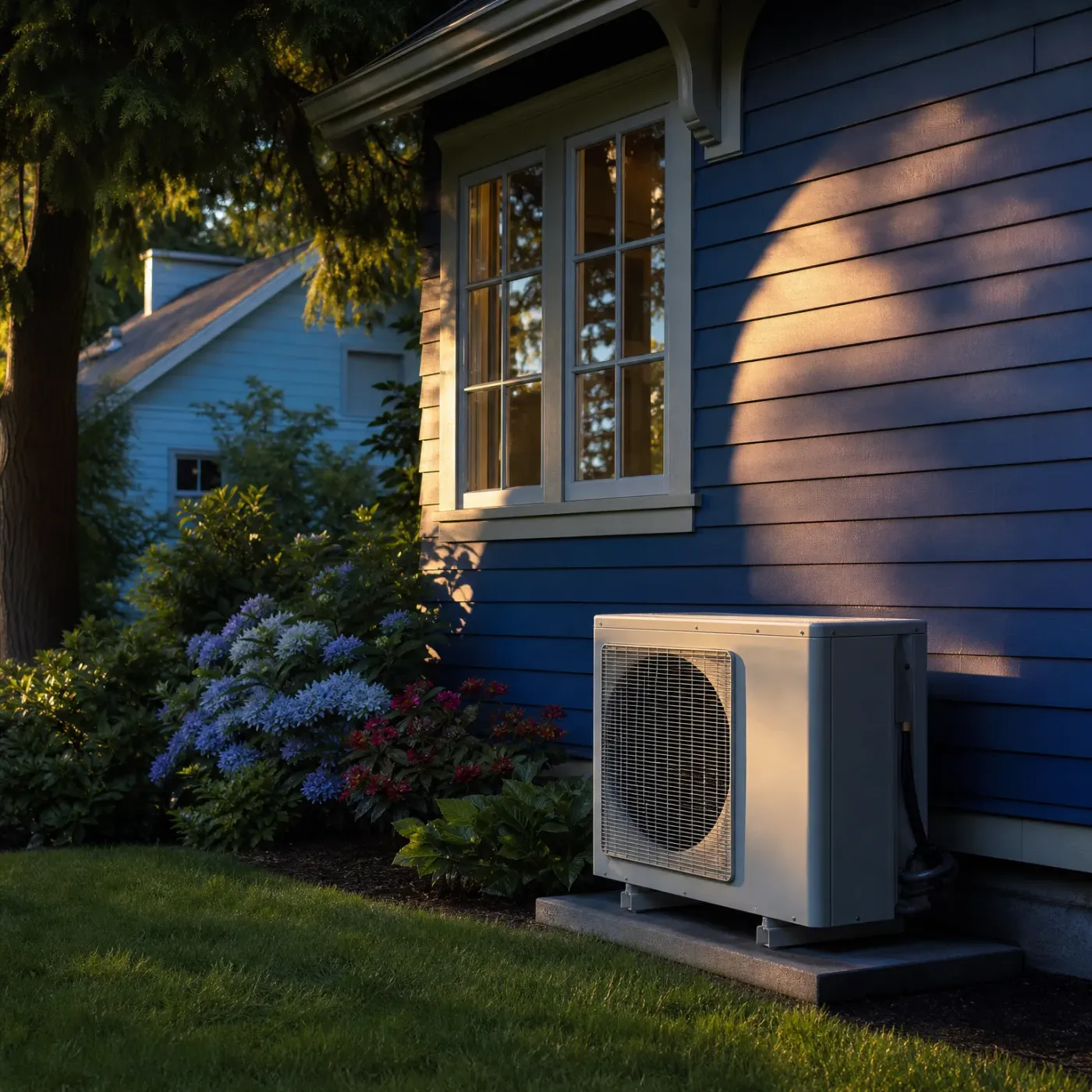
Washington asks more of a heat pump in some counties than others. Across the eastern counties, winter nights average 27°F against 32°F in the west, and summer afternoons run hotter east than west too. Either direction, the machine is doing work.
Benton County sees the hottest summer afternoons in the state, averaging 86°F in June, July and August. Jefferson County is the mildest at 66°F. A heat pump cooling a home in Benton County is working a different job than one in Jefferson County, even though they're the same machine.
Winter runs the same way. Ferry County averages 19°F on winter nights, the coldest in the state. San Juan County averages 36°F, the mildest. The colder the nights, the longer the system leans on itself to keep up.
Heating need follows the same split. Homes in the northern counties need more heat over a year than homes in the south, and Pend Oreille County needs the most of all, well above Clark County, which has the lowest heating need in the state. That's a wide gap for one state to hold.
None of this means Washington is a hard state on this equipment. Winter nights here are milder than in most of the country, and the state sees less damaging wind and hail than nearly every other state. What stands out is the stretch of the year heat runs at all, not how brutal any single night gets.
Where your home sits in that range is what should set your schedule. Closer to Ferry or Pend Oreille County, don't push a check-up past August. Closer to San Juan or Clark County, there's more room, but the system is still running most of the year and still worth a look before fall.
Washington is easy on a heat pump it runs here nearly every month of the year
- Summer highs 77°F in eastern counties, 71°F in western ones
- Winter nights average 30°F where people live
- Summer afternoons average 73°F where people live
- Heat runs September through June
- 1,118 winter storms from 2015 to 2024
- 23% of homes lost power a day or more in 2024

Half of Washington's homes were built in 1985 or later
The filter and the drain line do their own quiet damage
The filter sits in the return before air ever reaches the indoor coil, and its job is to keep dust and fiber out of that coil. Left in too long, it chokes the airflow, and a heat pump starved for airflow has to run longer to move the same amount of heat. That's wear the compressor takes on quietly, cycle after cycle, long before anything trips or fails outright. The indoor coil has a drain pan underneath it, there to catch the condensation that forms as the system runs in cooling mode. That pan drains through a small line, and the line clogs with algae and dust the same way any drain does over time. Once it backs up, water doesn't go where it's supposed to. It finds the nearest low point instead, often the ceiling below the air handler or the floor around it. A tech checks that drain and clears the line during a tune-up, same as the filter and the coil get checked. It's a small thing to look at and a bad thing to ignore.
What a short visit skips
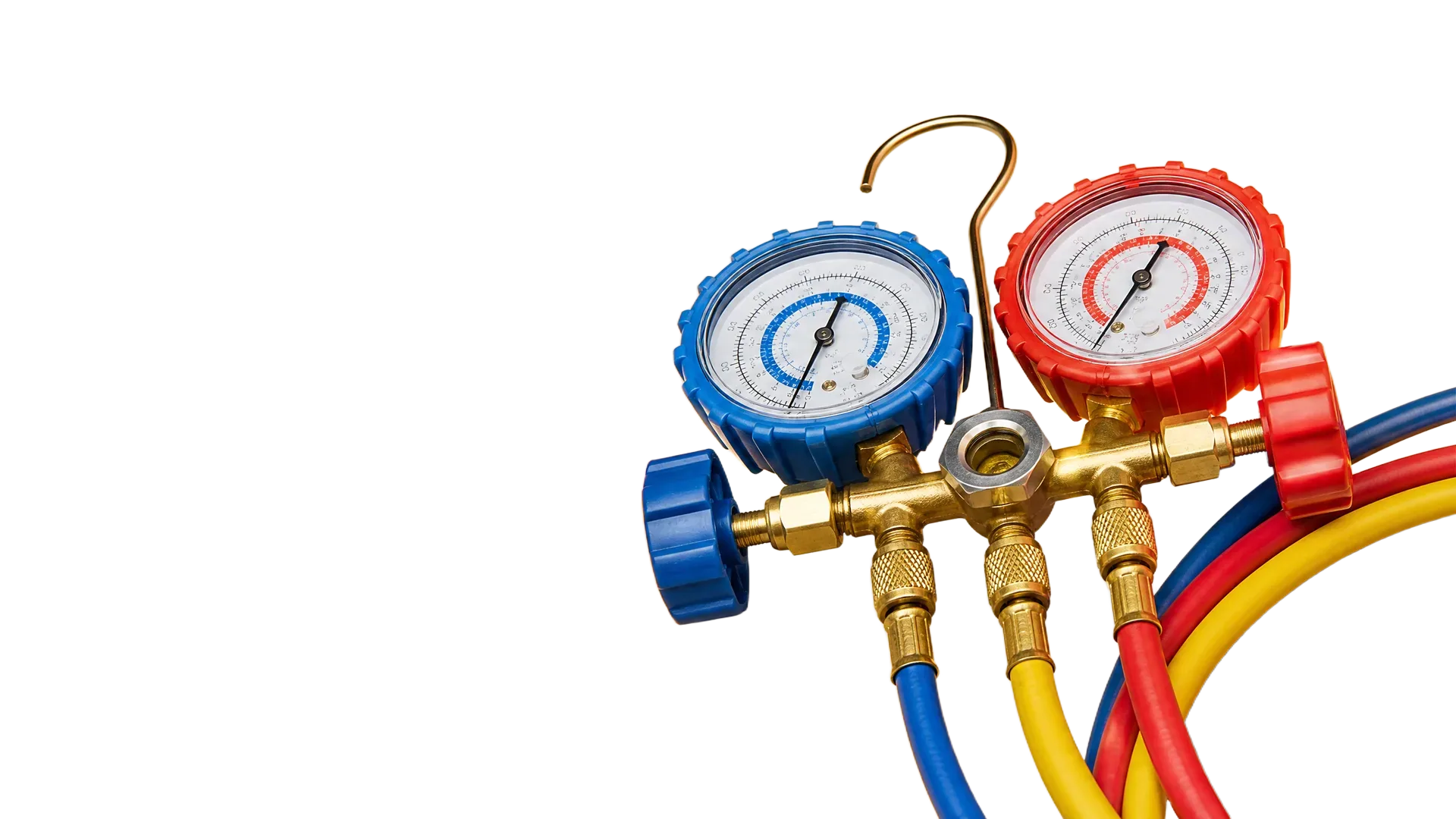
A quick visit checks that the system turns on and blows air at the right temperature, then moves on. That tells you it's working today. It doesn't tell you why it might not be working in a year. A thorough tune-up includes a static pressure test across the filter and coil, which catches airflow restriction before it ever shows up as a comfort complaint. It includes pulling the capacitor's readings against its rating, since a capacitor can test weak long before it fails outright and takes the compressor with it. It includes checking superheat and subcooling against the charge, not just confirming the system has refrigerant in it. A fast visit might glance at the outdoor unit and call it clean. A thorough one pulls the panel and looks at the actual electrical connections, because that's where corrosion and loose terminals hide. The difference doesn't show up in how the system runs the day of the visit. It shows up in whether it's still running the way it should a year from now.
Your heat pump runs most months of the year here, and that steady duty is worth a yearly check.
Tell us about the job
Takes about a minute. No obligation.
Fill out the form once and a licensed contractor in your county calls to set up the visit.