
Heat Pump Repair in Washington
Washington's winter nights are milder than in 34 of the other 49 states.
Tell us about the job
Takes about a minute. No obligation.
- 30°Fwinter overnight low where people live
- 10 monthsof heat, September through June
- 73°Fsummer afternoon high where people live
- 11.90¢ per kWhwhat homes paid for power in 2024 (kWh means kilowatt hours, the unit on an electric bill)
Washington's winters go easy on heat pumps. Wind and hail stay rare here too.
- Summer highs 77°F in eastern counties, 71°F in western ones
- Winter nights average 30°F where people live
- Summer afternoons average 73°F where people live
- Heat runs September through June
- 1,118 winter storms from 2015 to 2024
- 23% of homes lost power a day or more in 2024


Newer homes, newer systems
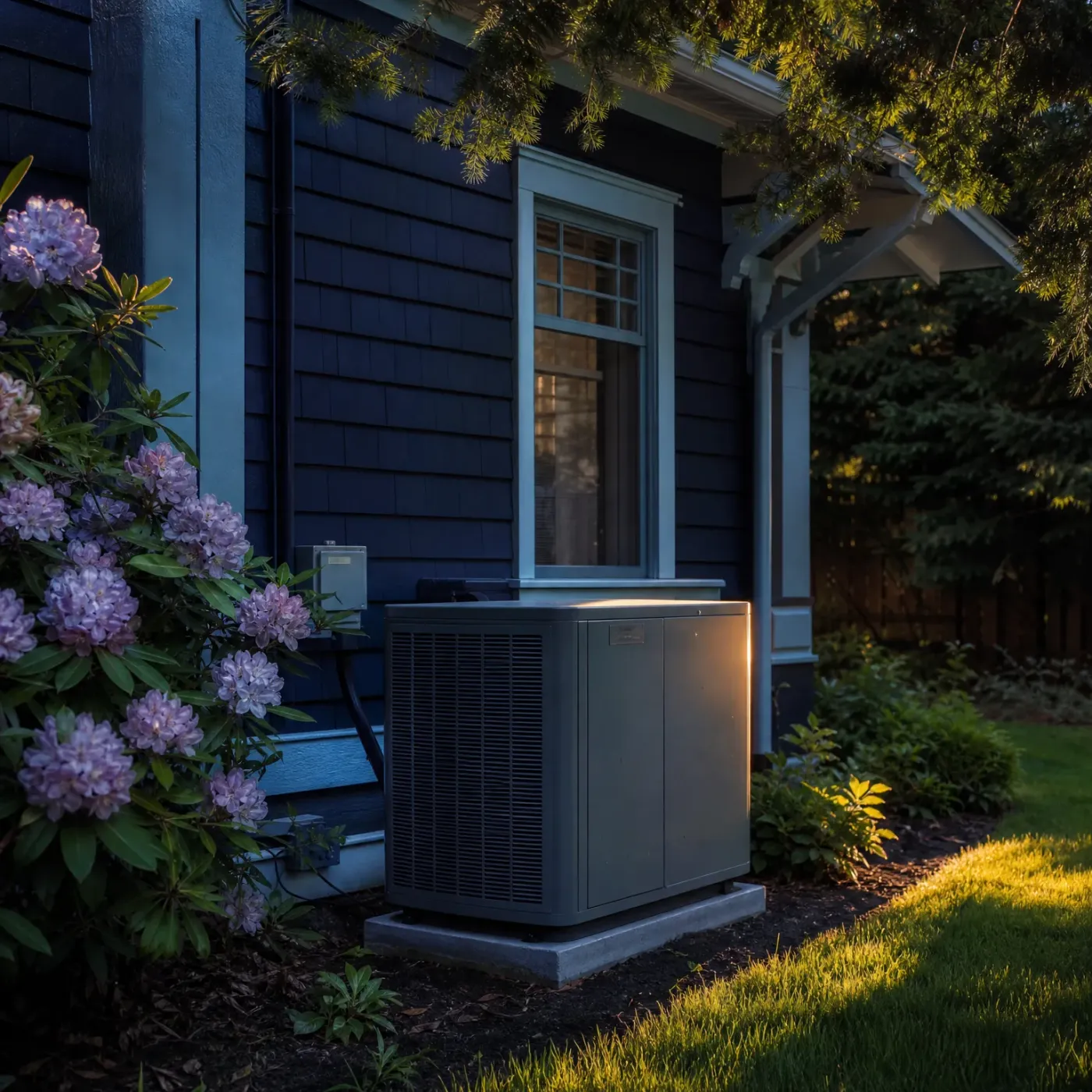
Half the homes in Washington were built in 1985 or later. That's a lot of houses still working with their original ductwork and electrical, not something patched together over decades. If your heat pump came with the house, there's a good chance it still has years left in it, which makes repair the right call before anyone talks about replacing it. Most homes here are detached, single-family houses too, the kind a repair tech can get in and out of without fighting an odd setup.
What August misses, September finds
Heat pumps here run from September through June, so August is the last quiet month before one runs daily instead of sitting idle. Whatever was already weak, a low charge, a tired capacitor, a sensor that drifted out of range, tends to show up in those first few weeks once the load picks up. That's a different problem than one that develops mid-winter. It was there all along, waiting for the system to be asked to work. Having it checked in August catches it while the heat pump is still off duty, rather than on the first morning it can't keep the house warm.

Fix It or Replace It
What actually decides that question
A heat pump that's struggling isn't always on its way out. Most of what goes wrong is a single part failing, a contactor pitted from years of cycling, a capacitor that's lost its charge, a reversing valve stuck in one position. Replace that part and the system runs like it should again. The compressor changes the math. If that's what's failing, the cost of replacing it alone starts to rival a new system, and a new system comes with a warranty the repair won't. Age matters less than what's actually wrong with it. An older heat pump with a bad capacitor is still a quick fix. The same unit with a failing compressor is a different conversation. Refrigerant type is worth asking about too. A system built for a refrigerant no longer in production can still be serviced, but parts and refrigerant both get harder to find, and that's worth weighing alongside the rest. Frequency tells its own story. A repair after years of quiet running is just a part wearing out on schedule. The same repair coming back soon after, or a run of different problems one after another, usually means something upstream is stressing the whole system. That's worth a second look before spending more on patches.
Washington splits east and west more than it splits north and south. Summer afternoons average 77°F across the eastern counties against 71°F in the west, and winters follow the same line, with eastern nights running colder than western ones. A heat pump in Spokane or anywhere east of the mountains is working harder in both directions than one in Seattle or Tacoma.
The widest gaps sit at the edges. Benton County sees summer highs averaging 86°F, while Jefferson County stays at 66°F. Ferry County and San Juan County show the same kind of spread in winter, with Ferry running well below freezing on an average night and San Juan staying close to it. A heat pump in Ferry County is leaning on its defrost cycle and compressor more than one on San Juan Island ever has to.
Heating need follows a similar line. Homes in the northern counties need about 8% more heat over a year than homes in the south. Pend Oreille County sits at the far end of that, needing about 68% more heat annually than Clark County, which has the lowest heating need in the state. A heat pump installed in Pend Oreille County runs longer and harder each year than the same unit near Vancouver.
None of this comes with much wind or hail to complicate things. Washington recorded 429 damaging wind events statewide between 2015 and 2024, and the state ranks among the lowest in the country for both wind and hail. Whatever wears on a heat pump here, it's rarely storm damage. It's the steady grind of cold nights in the east and the long stretch of mild but near-constant demand everywhere else.
What does a heat pump in Washington face?
How hot do summer afternoons get?
73°Faverage afternoon high where people live
Alaska66°F
Arizona101°F
How cold do winter nights get?
30°Faverage overnight low where people live
North Dakota4°F
Hawaii65°F
How many months does the heat run?
10 monthsof heating a year
Hawaii0 months
Alaska12 months
What does electricity cost?
11.90¢per kWh, what homes paid in 2024
North Dakota11.51¢
Hawaii42.86¢
How often do storms hit?
65severe weather events per county from 2015 to 2024
Alaska5
Wyoming1,057
How many homes lost power for a day or more?
23%of homes in 2024
Arizona7%
Maine54%
Running it longer doesn't fix it
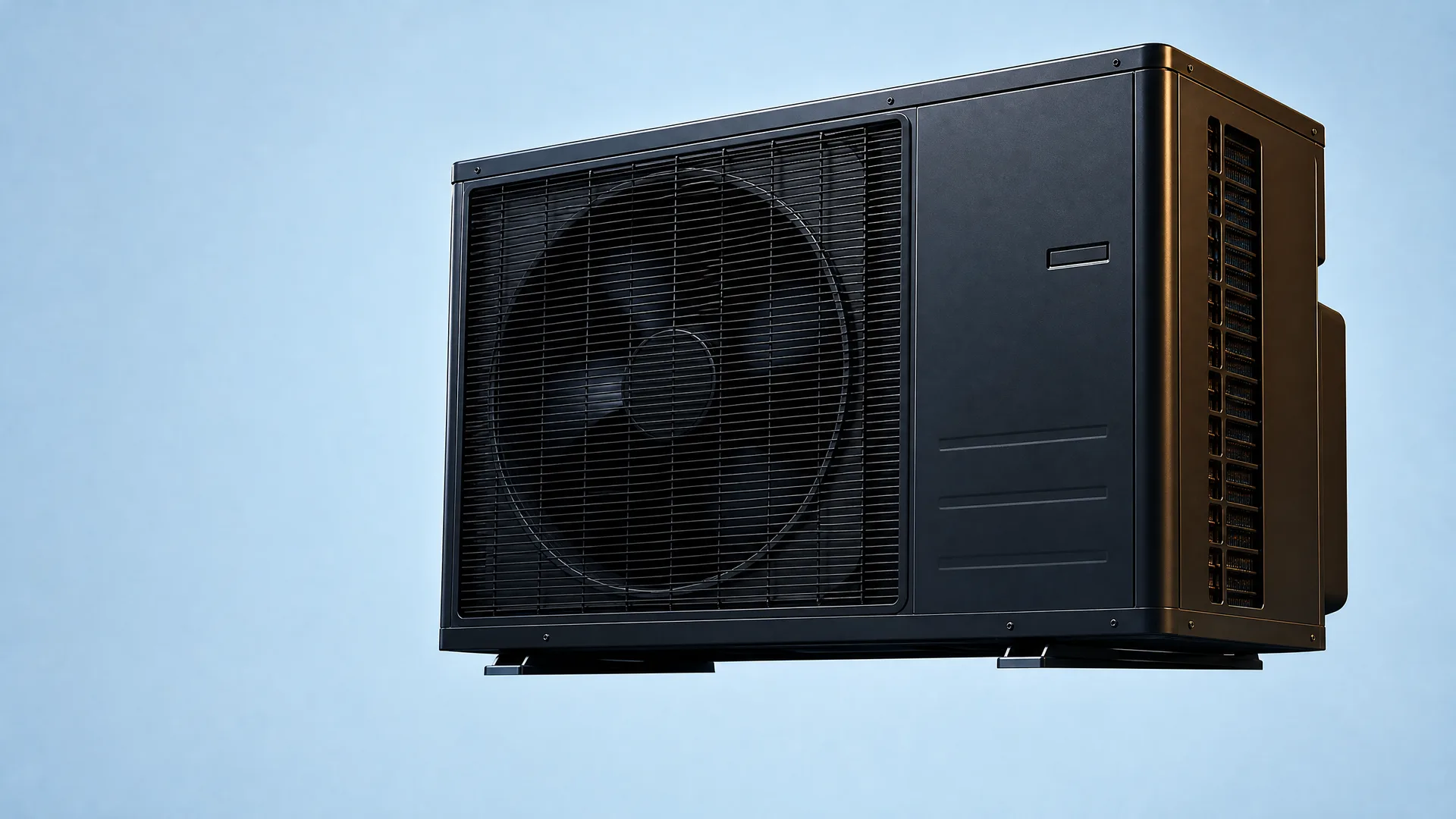
A heat pump that's struggling still moves heat, just not enough of it, so it keeps running to make up the difference. That longer runtime puts more hours on whatever's already failing. A weak capacitor under load heats up more than a healthy one, and the extra heat breaks it down faster. A reversing valve that's slow to shift gets worked harder each time the system tries to switch between heating and defrost. Low refrigerant charge makes the compressor work outside the pressures it's built for, and a compressor that runs hot for long stretches doesn't recover from that. None of these start out as big problems. A part drifts out of spec, the system compensates by running longer, and that extra running wears the part down faster than if it had been replaced at the first sign. The compressor is the one to watch. It takes the longest to fail outright of anything in the system, which means it absorbs a lot of punishment from everything upstream before it finally quits. Letting a small issue ride because the heat pump still technically works usually ends with the compressor going instead of the part that started it.
What actually breaks, and why
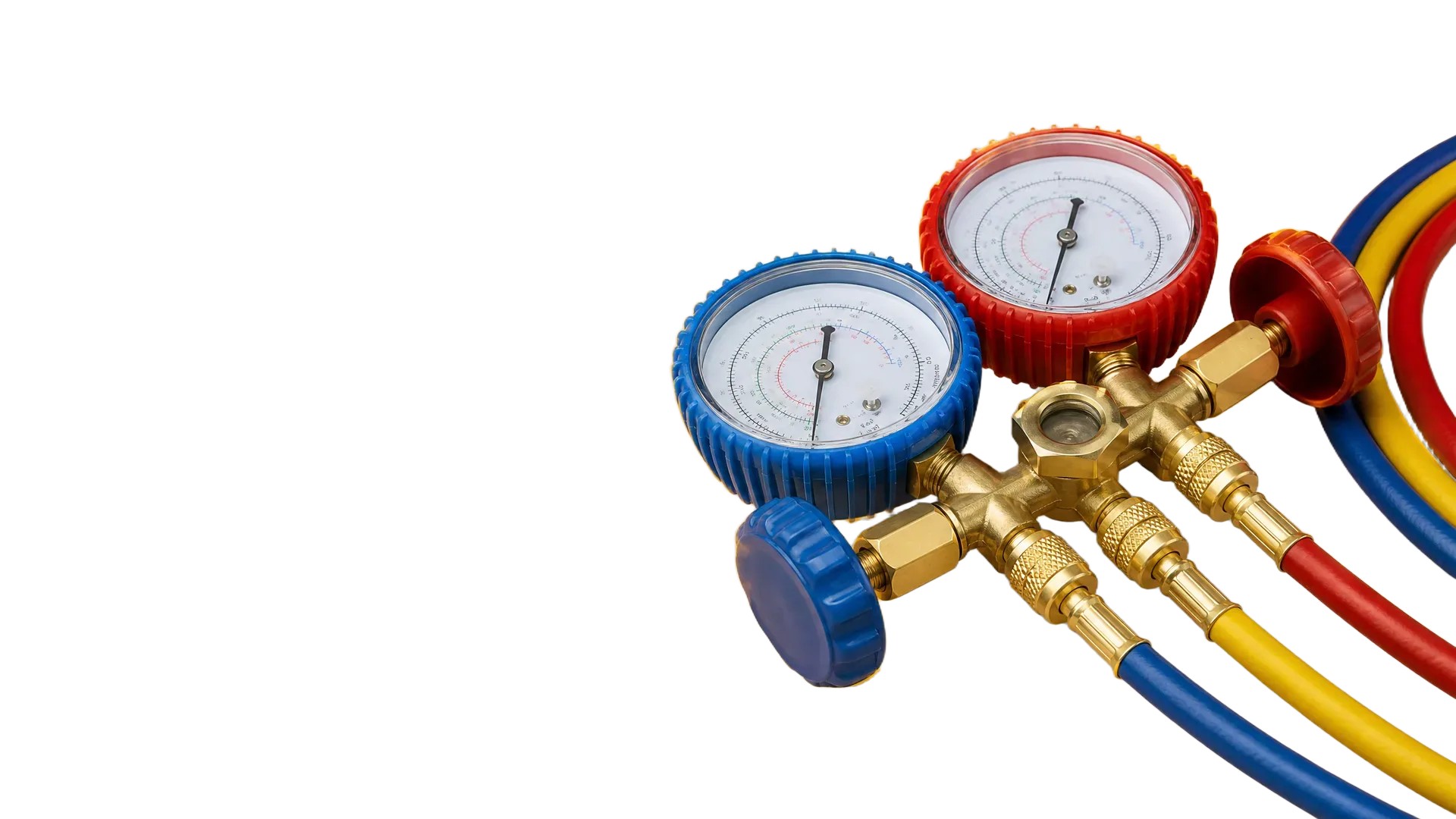
Most heat pump failures start with something small. Dirt builds up on the outdoor coil and the system can't shed heat the way it needs to, so it runs longer to do the same job. A capacitor loses its charge slowly over years of starting and stopping the compressor and the motor it's supposed to kick on. A contactor pits from all that cycling until it doesn't make a clean connection anymore. The reversing valve, the part that switches the system between heating and cooling, can stick from age or from debris caught in it, and then the system heats when it should cool or won't defrost when it should. Refrigerant doesn't get used up, so if the charge is low, it's leaking out somewhere, and the compressor runs outside the pressures it was built for until it wears out early. A clogged filter or a blocked return starves the whole system of airflow, and everything downstream works harder to compensate. None of these show up overnight. They drift, the system compensates by running longer, and the part fails for good once it's been compensating too long.
Mobile homes make up 5.5% of the housing stock in Washington, and two thirds of the state's homes are detached or attached single-family houses. A heat pump in that kind of house is usually sitting on a pad with a straightforward line set, not threaded into a crawlspace or a tight closet built for something smaller. That matters when a part needs replacing, because the tech doing the work isn't fighting the install to get to it.
Washington's homes rank newer than those in 32 other states, which puts the state ahead of most of the country on this. It doesn't mean every system is young. A heat pump installed when the house was built could still be running on its original compressor, or it could already have been swapped out. The house being newer just means the odds lean toward a system worth fixing rather than one worth tearing out.
Your heat pump is acting up now, and most of what goes wrong here is worth fixing rather than replacing.
Tell us about the job
Takes about a minute. No obligation.
Fill out the form and a licensed Washington contractor will reach out to look at what's actually failing.