
Heat Pump Installation in Washington
Washington's winter nights are milder than in 34 of the other 49 states.
Tell us about the job
Takes about a minute. No obligation.
- 30°Fwinter overnight low where people live
- 10 monthsof heat, September through June
- 73°Fsummer afternoon high where people live
- 11.90¢ per kWhwhat homes paid for power in 2024 (kWh means kilowatt hours, the unit on an electric bill)
What does a heat pump in Washington face?
How hot do summer afternoons get?
73°Faverage afternoon high where people live
Alaska66°F
Arizona101°F
How cold do winter nights get?
30°Faverage overnight low where people live
North Dakota4°F
Hawaii65°F
How many months does the heat run?
10 monthsof heating a year
Hawaii0 months
Alaska12 months
What does electricity cost?
11.90¢per kWh, what homes paid in 2024
North Dakota11.51¢
Hawaii42.86¢
How often do storms hit?
65severe weather events per county from 2015 to 2024
Alaska5
Wyoming1,057
How many homes lost power for a day or more?
23%of homes in 2024
Arizona7%
Maine54%
Comparing heat pump systems
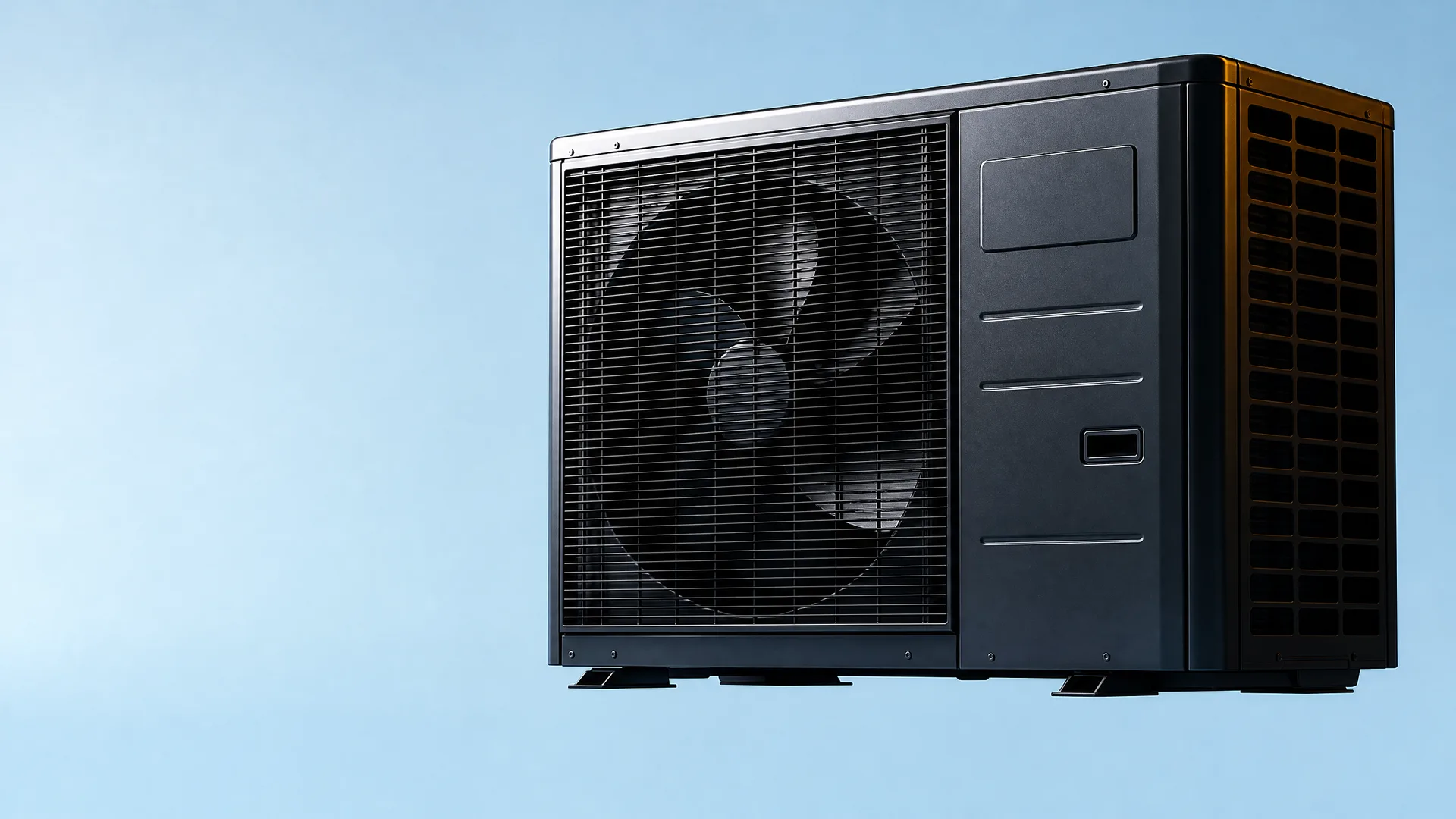
Ask what the contractor sized the system to. A heat pump should be matched to the heat loss and heat gain of the house, room by room, not swapped in to match the size of the old unit. Ask about the compressor type. A variable-speed compressor holds steady output across a wider range of outdoor temperatures than a single-stage one, which only runs full blast or not at all. Ask what happens on the coldest days. Some systems lean on backup heat strips to carry the load when the outdoor air gets too cold for the heat pump alone, and that backup heat costs more to run. Ask how the ductwork was evaluated. A heat pump moves a different volume of air than a furnace did, and ducts sized for the old system can choke the new one. Ask about the refrigerant line set, whether it can be reused or needs replacing, and who checks the charge once it's installed. A heat pump with the wrong charge will still run, but it won't heat or cool the way it should, and it will wear out sooner.
Electricity heats 58.6% of occupied homes in Washington, more than any other fuel.
Most of the homes a contractor sees here already run on electric heat, so a heat pump usually fits into wiring and a setup the house already has.

A mild climate goes easy on your heat pump
Washington won't push a heat pump hard, but it still has to be sized and installed right
Your heat pump here isn't fighting the weather most of the year. Heat runs long, September through June, but winter nights only average 30°F, milder than in 34 other states. Damaging wind and hail both hit Washington less than almost anywhere else in the country. Winter storms show up more often, which matters for how equipment outdoors handles ice and snow, but day to day the strain on the system stays low. That's good news, but it doesn't mean any installation will do. A heat pump that's never pushed hard will still run poorly if it was never sized to the house and set up right.
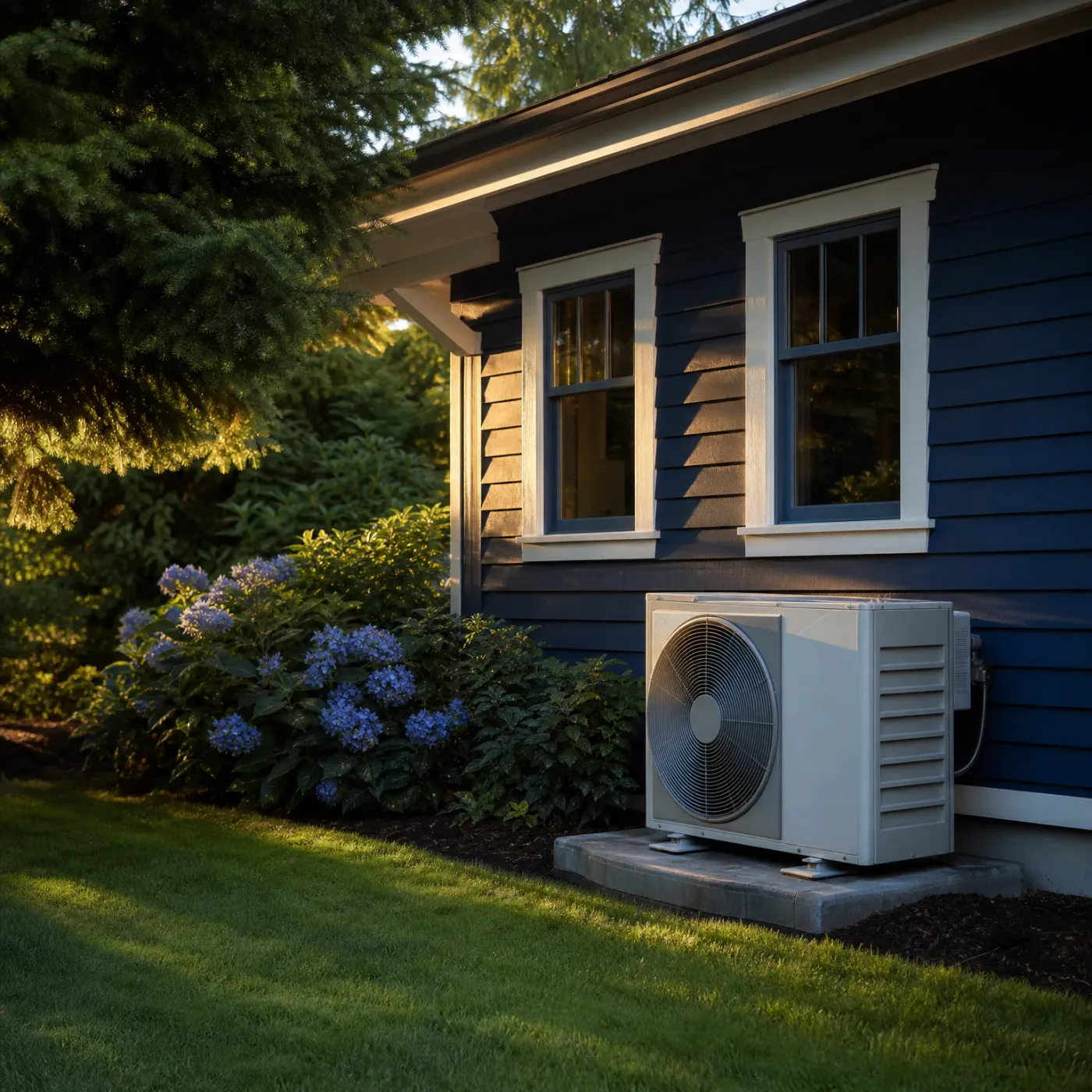
Washington splits east and west more than it splits north and south. Summer afternoons across the eastern counties average 77°F, against 71°F on the western side, and Benton County runs hottest of all at 86°F through June, July and August. Jefferson County sits at the other end, averaging just 66°F those same months. A heat pump installed in Benton County is doing more cooling work than one installed almost anywhere else in the state.
Winter works the same way in reverse. Eastern counties average 27°F on winter nights, western counties 32°F, and Ferry County gets down to 19°F on average through December, January and February. San Juan County stays mildest at 36°F. A heat pump sized for a house in Ferry County has a harder job holding output than one in San Juan County, even though both are nominally the same climate zone on paper.
Heat load follows a different line. Homes in the state's northern counties need about 8% more heat over a year than homes in the south, and the gap gets much wider at the extremes: Pend Oreille County needs about 68% more heat annually than Clark County, where the state's heating need is lowest. Two houses the same size, one in each county, won't draw the same amount of heat from their pumps over a year.
None of this changes how long the season runs. Heat comes on in September and stays on into June almost everywhere in the state. What changes county to county is how hard the system works during those months, and that's the number a contractor needs before sizing anything.
Cheap power means slower payback here Fit matters more than the rating
- Summer highs 77°F in eastern counties, 71°F in western ones
- Winter nights average 30°F where people live
- Summer afternoons average 73°F where people live
- Heat runs September through June
- 1,118 winter storms from 2015 to 2024
- 23% of homes lost power a day or more in 2024


- A heat pump sized room by room, not matched to the old unit's capacity, so each space gets the heat and cooling it actually needs
- A line set and electrical hookup checked against what the new unit requires, reused where they work and replaced where they don't
- Ductwork evaluated for the airflow a heat pump moves, so it's not choking on a duct run sized for a furnace
- A refrigerant charge set and verified once the unit is running, so it heats and cools the way it's rated to instead of just running
- The old equipment removed properly, with refrigerant recovered and any unused gas line capped off before the new system goes in
What happens to the old equipment
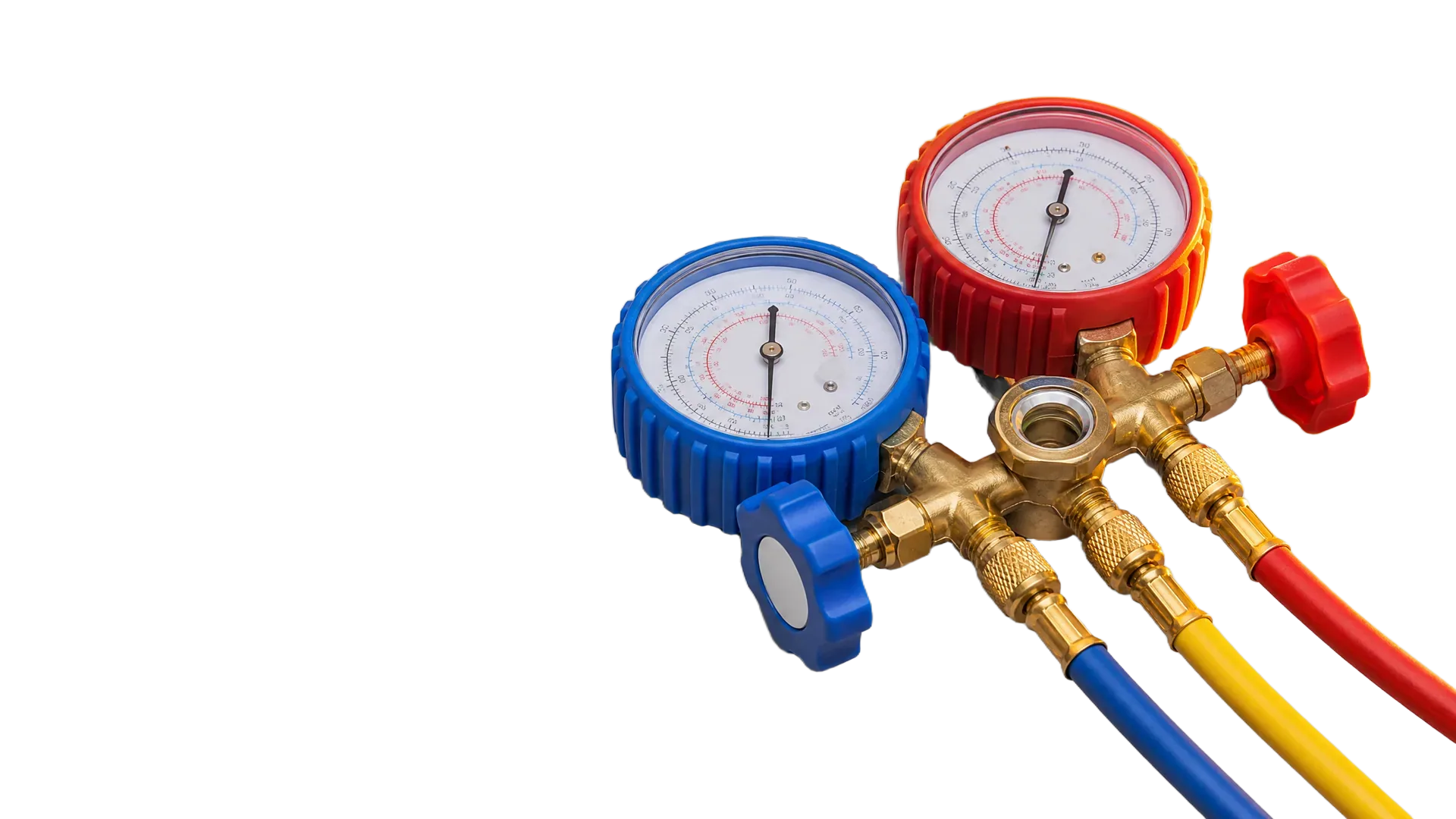
The old system doesn't just get hauled off. If it's a furnace paired with a separate AC unit, both get disconnected, and the refrigerant in that AC has to be recovered before anything is unhooked, that's the law, not a courtesy. If it's an older heat pump, same thing applies to its line set. The electrical whip and disconnect box either get reused or swapped depending on what the new unit needs. Old ductwork sometimes stays, sometimes doesn't, depending on whether it can handle the airflow a heat pump moves. A gas furnace coming out usually means capping a gas line that's no longer in use, which is its own step and worth asking about if the house is going fully electric. None of this is hard, but it's work that has to happen before the new equipment goes in, not after.

Electricity here runs 11.9 cents a kilowatt-hour, cheaper than in 45 other states. That changes the math on which heat pump to buy. A high-efficiency model still costs more up front, and with power this cheap it takes longer to earn that difference back in lower bills.
Washington homes that use air conditioning only pulled an average of 3 million Btu (British thermal units, a measure of heat) of electricity for it in 2020. Cooling just isn't a big part of the load here. That means the bigger question for most houses isn't how efficiently a unit cools, it's whether it's sized and installed to heat the place well across a long, mild stretch of months.
Most homes in Washington already heat with electricity, so a heat pump fits wiring the house already has.
Tell us about the job
Takes about a minute. No obligation.
Fill out the form and a licensed contractor will reach out about sizing a heat pump to your house.