
Furnace Installation in Washington
Homes in Washington are newer than in 32 of the other 49 states.
Tell us about the job
Takes about a minute. No obligation.
- 30°Fwinter overnight low where people live
- 10 monthsof heat, September through June
- $11.65 per million Btuwhat homes paid for natural gas in 2024 (Btu means British thermal units, a measure of heat)
- 1,118winter storms from 2015 to 2024
Electricity here costs more to burn efficiency matters more on every bill
- Northern counties need about 8% more heat than southern ones
- Winter nights average 30°F where people live
- Heat runs September through June
- 1,118 winter storms from 2015 to 2024
- Climate zones 4C, 5B, 5C and 6B across the state
- 23% of homes lost power a day or more in 2024
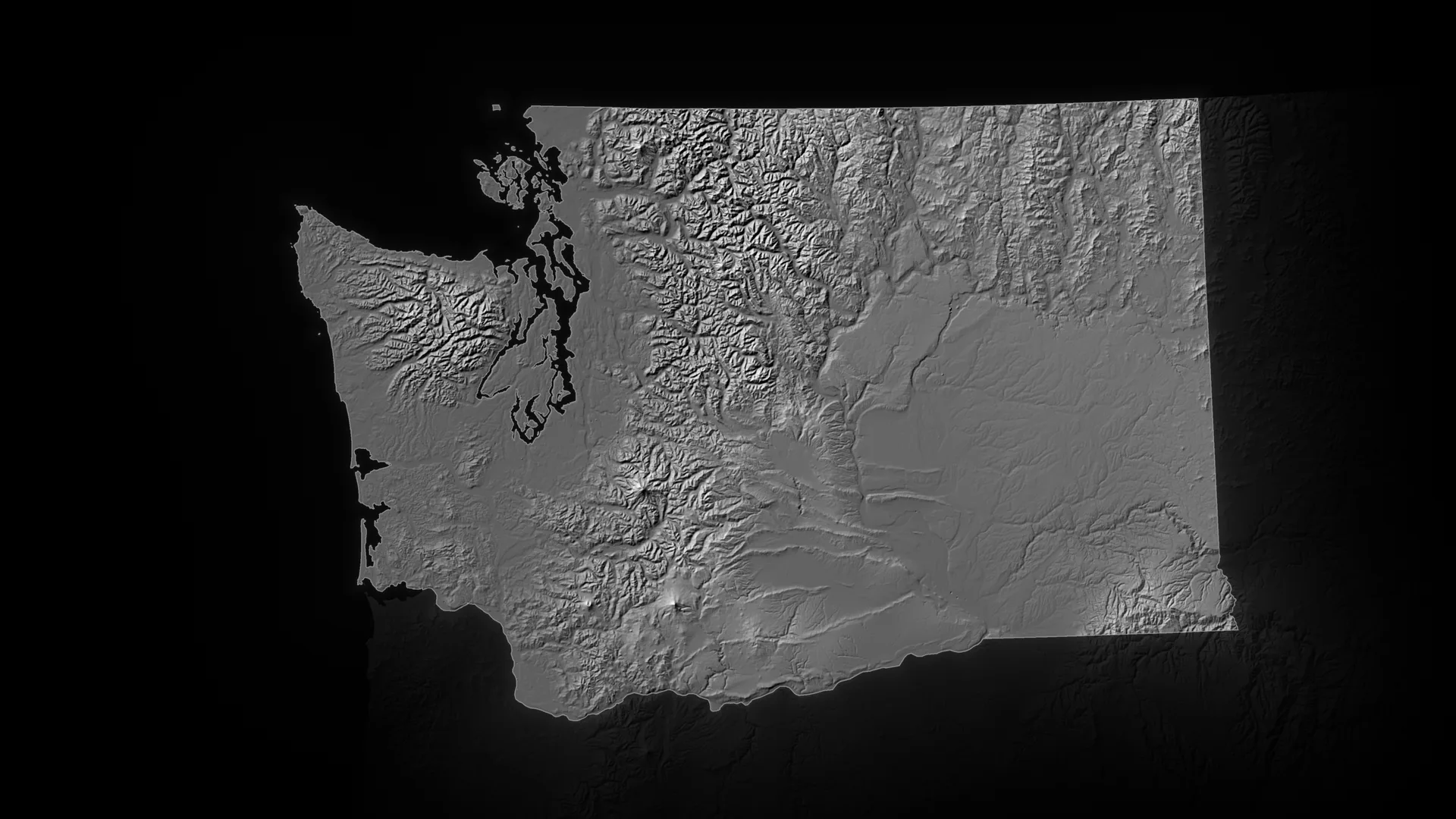
Most homes in Washington heat with electricity, at 58.6 percent.
If your home already runs on electric heat, matching that setup usually makes for the most straightforward furnace installation.
Get it done before September
Ten months of heating a year leaves no room for a rushed install
Furnace season starts in September here and runs through June. That's ten months of the year the system is working, longer than almost anywhere else in the country. A new furnace put in during August goes to work right away, and it's sized and set up correctly before it has to earn its keep. Wait until the first cold snap and you're choosing from whatever unit someone can get installed that week, not the one that actually fits your home.
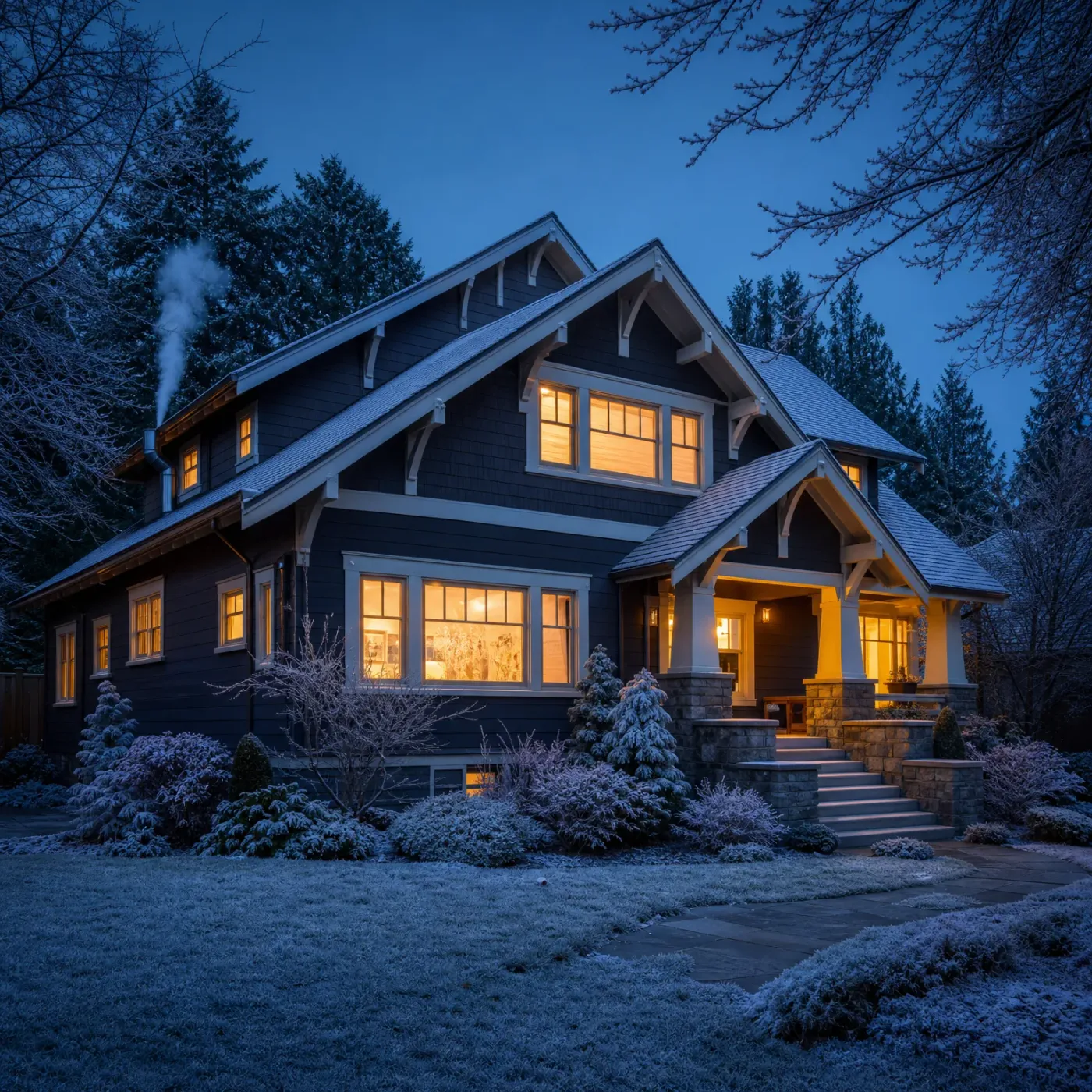
Washington is not one furnace climate. Homes in the northern counties need about 8% more heat over a year than homes in the southern counties, and the gap widens at the extremes. Pend Oreille County needs about 68% more heat over a year than Clark County, where the state's heating need is lowest.
The east and west sides of the state don't share the same winter nights either. Eastern counties run colder on average than western counties. Ferry County is coldest in the state, with winter nights averaging 19°F. San Juan County is the mildest.
How long the furnace has to work changes by county too. Whatcom County needs heat about 12 months a year, the longest stretch in the state. Benton County needs it for about 8 months. A furnace sized right for one of those homes is not sized right for the other.
None of this is mild by national standards. Washington homes need heat for more months of the year than in 45 of the other 49 states. Winter nights here are still milder than in 34 of them. The cold doesn't run as deep as in a lot of places, but it shows up early and stays late.
Winter storms are part of the picture too. Heavy snow, ice and blizzards hit Washington 1,118 times between 2015 and 2024. A furnace installed here has to hold up through stretches like that, not just an average night.
Where a house sits in the state should shape the sizing conversation as much as anything about the house itself. A furnace that's right for Whatcom County, running heat nearly year round, is not the one that's right for Benton County or Clark County.
What does a furnace in Washington face?
How cold do winter nights get?
30°Faverage overnight low where people live
North Dakota4°F
Hawaii65°F
How many months does the heat run?
10 monthsof heating a year
Hawaii0 months
Alaska12 months
What does natural gas cost?
$11.65per million Btu, what homes paid in 2024
Montana$7.77
Hawaii$53.25
How often do storms hit?
65severe weather events per county from 2015 to 2024
Alaska5
Wyoming1,057
How many homes lost power for a day or more?
23%of homes in 2024
Arizona7%
Maine54%
What drives the cost of a new furnace
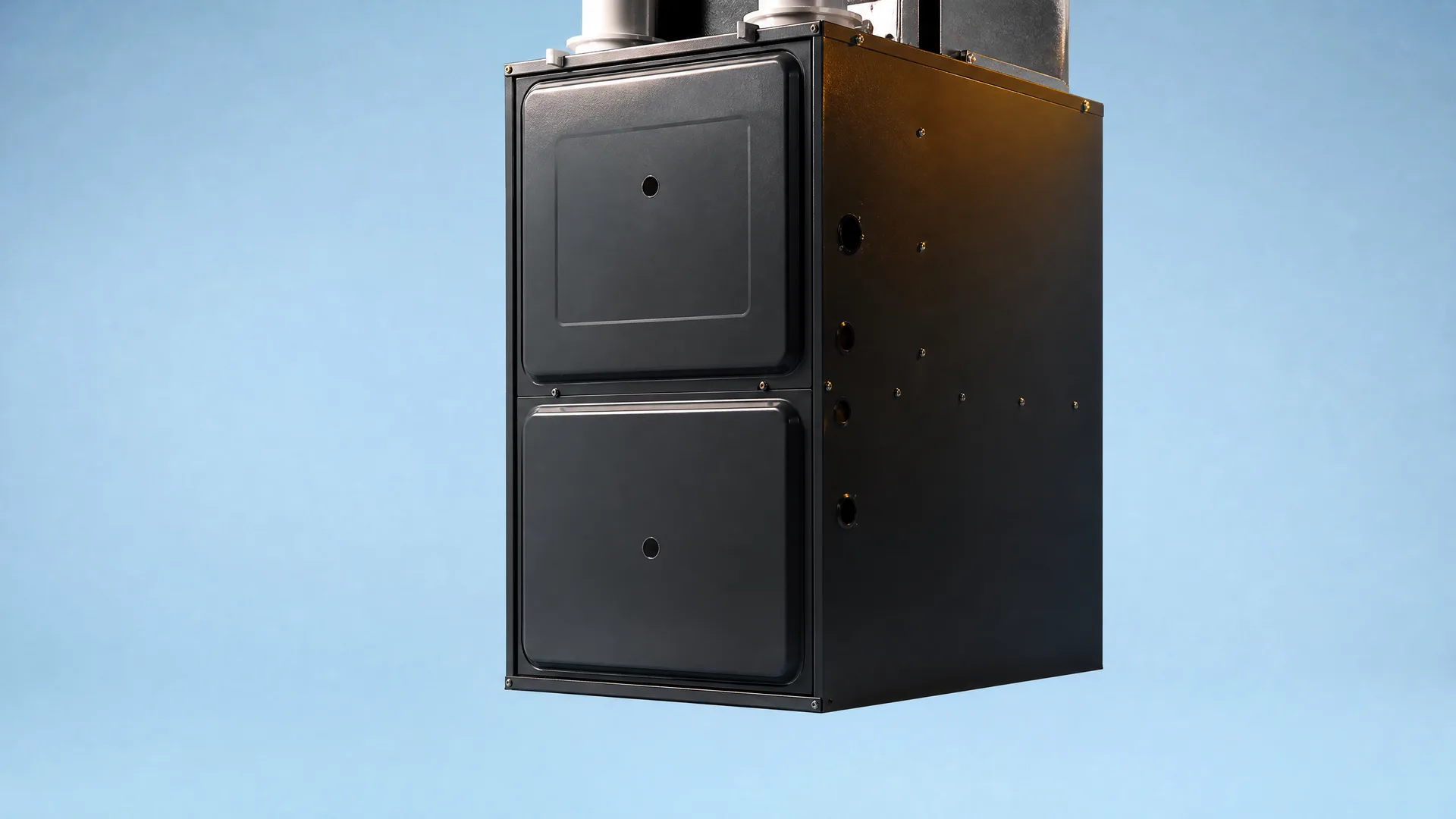
A furnace has to be sized to the house. A contractor works out how much heat each room loses before they ever pick a unit, and that number decides the size, not the other way around. Switching fuel types or changing how the furnace vents adds real work, new gas line, new venting, sometimes new wiring to the control board. Ductwork is often the bigger factor. A duct system built for an old furnace does not always suit a new one, and a high-efficiency model moves air differently than a standard one did. Modifying duct runs can end up being more work than the furnace swap itself. A high-efficiency condensing furnace also needs a condensate drain and intake and exhaust venting that a standard furnace never used, and routing those adds material and labor. Where the furnace sits matters too. Putting the new one in the same spot with the same venting is a different job than moving it or fitting it into a tight closet. None of this is extra work tacked onto the job. It is what makes a furnace actually heat the house it was put into, instead of just running.
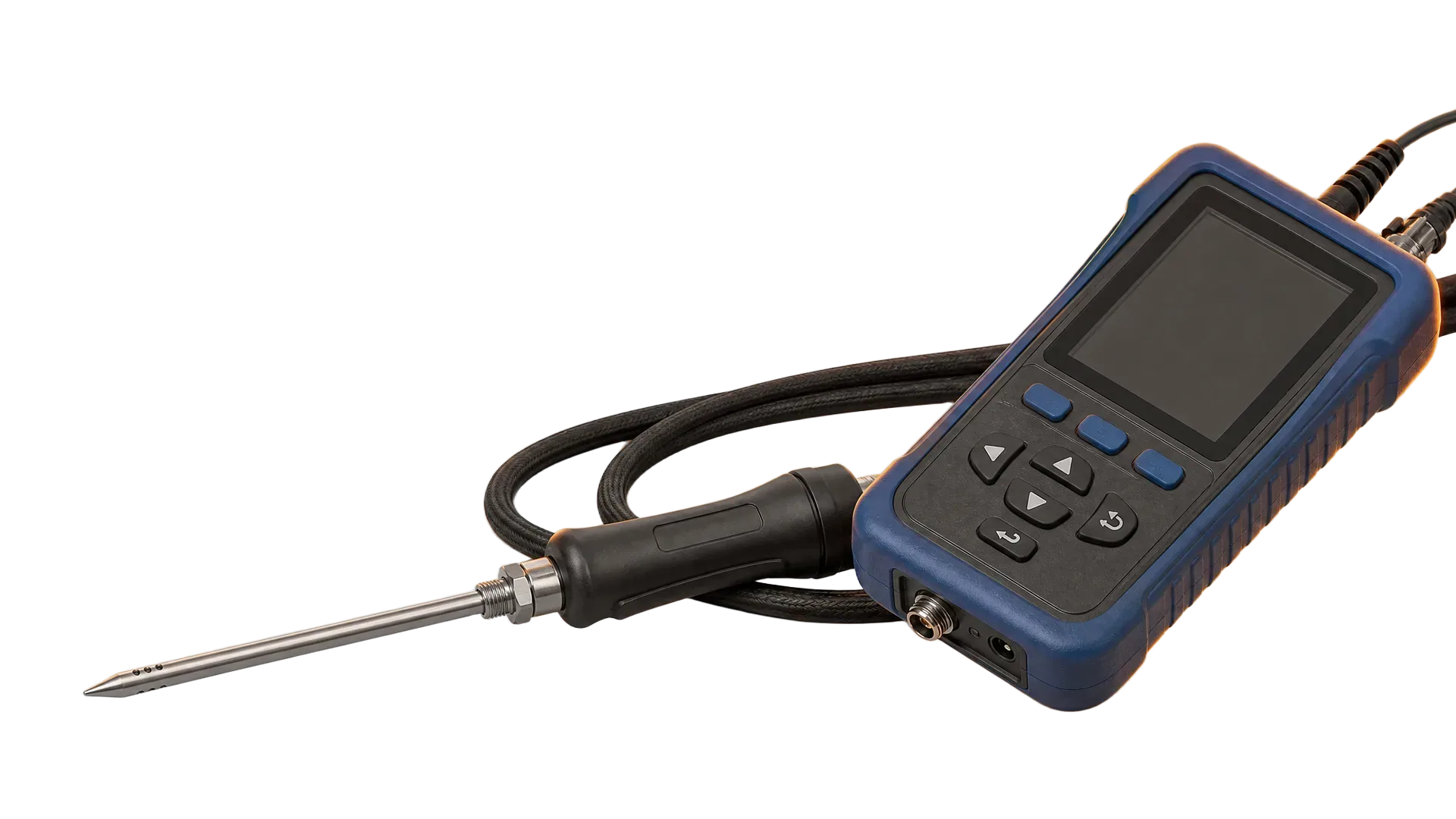
Sizing isn't a guess, it's a calculation
A furnace that's too big for the house cycles on, heats fast, and shuts off again before it's pulled the moisture out of the air or warmed the walls and furniture, not just the air in the room. That short burst of heat feels fine at the register, then the room goes cold again sooner than it should, so the furnace fires back up. All that starting and stopping wears on the igniter, the blower motor and the heat exchanger faster than steady running does. A furnace that's too small just runs and runs, straining to keep up on the coldest nights and never quite reaching the setpoint. Getting the size right starts with a heat loss calculation, room by room, that accounts for window area, wall and ceiling insulation, air leakage and ceiling height. It does not start with the size of the unit being replaced. An old furnace may have been oversized or undersized from the day it went in, so matching it isn't the goal. The output has to match what the house actually loses on the coldest night it's likely to see, with enough steady capacity to recover overnight without short cycling.
Electricity here costs $34.87 per million Btu, more than most states pay, and it's the fuel most Washington furnaces run on. That rate lands on the bill every month the furnace fires, and in this state that's a long stretch of the year. A furnace sized right for the house burns less to hold the same temperature, so the rate matters less than it would on an oversized or undersized unit.
A heat loss calculation is what keeps that electric rate from working against the homeowner. Size the furnace to what the house actually loses on a cold night and it runs the amount it needs to, not more. Skip that step and the furnace either short cycles or strains to keep up, and either way it's burning electricity at $34.87 per million Btu to do it less efficiently than it should.
A furnace sized to the house is what keeps that $34.87 per million Btu from working against you all winter.
Tell us about the job
Takes about a minute. No obligation.
Fill out the form and a licensed Washington contractor will size the unit before quoting it.