
Furnace Repair in Washington
Homes in Washington are newer than in 32 of the other 49 states.
Tell us about the job
Takes about a minute. No obligation.
- 30°Fwinter overnight low where people live
- 10 monthsof heat, September through June
- $11.65 per million Btuwhat homes paid for natural gas in 2024 (Btu means British thermal units, a measure of heat)
- 1,118winter storms from 2015 to 2024
Washington runs its furnace longer than most. Nothing about that wears it out faster.
- Northern counties need about 8% more heat than southern ones
- Winter nights average 30°F where people live
- Heat runs September through June
- 1,118 winter storms from 2015 to 2024
- Climate zones 4C, 5B, 5C and 6B across the state
- 23% of homes lost power a day or more in 2024


- A straight answer on what's actually wrong, not a guess
- Short cycling traced to a flame sensor or limit switch and fixed
- Weak airflow from a failing blower motor or capacitor sorted out
- Ignition trouble tracked to the igniter or gas valve before it strands you without heat
- Odd noises or smells checked before they turn into a bigger repair
Why now is when it shows up
Furnaces here start up in September. Whatever was already marginal, a cracked igniter, a flame sensor coated with residue, a limit switch on its way out, gets found in the first cold snap, not in the middle of winter. If yours is acting up now, this is close to when it started working for the first time in months. That's usually when the weak part gives out.
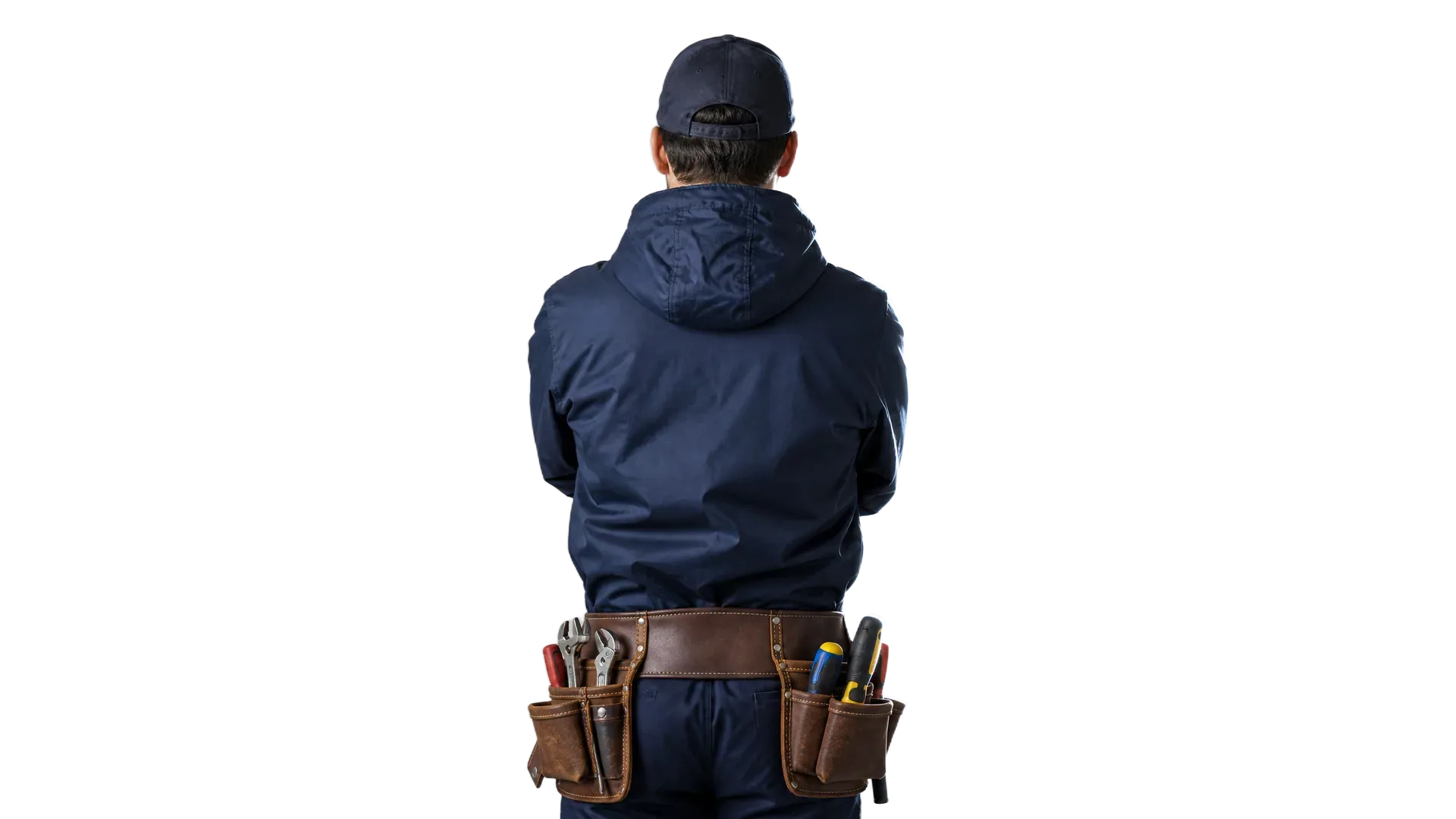
A furnace working harder than it should costs you every day it stays that way
Whatever's wrong, it's running up your bill until someone fixes it
A furnace that's cycling wrong or short on heat still runs just as much, sometimes more, trying to make up the difference. Electricity here ran $34.87 per million Btu in 2024, more than in most states. A bad part doesn't get cheaper to ignore. It just keeps burning power while it waits to be found.
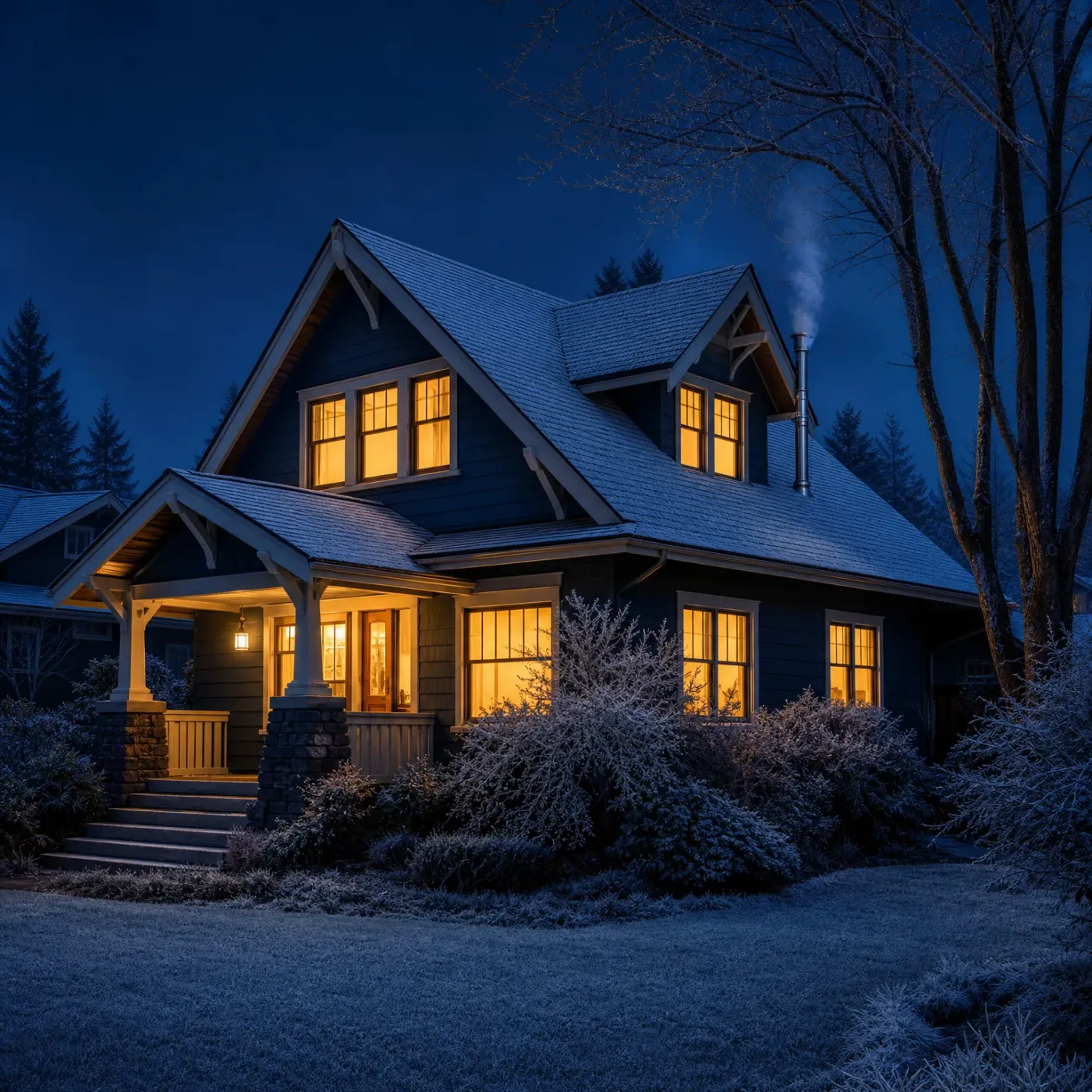
Washington doesn't put the same load on a furnace everywhere. Homes across the northern counties need about 8% more heat over a year than homes across the southern counties, and in Pend Oreille County the heating need runs about 68% higher than in Clark County, the lowest in the state. If you're in Pend Oreille, your furnace has been working harder for longer than one in Clark County ever has to, and parts wear on that schedule, not the calendar.
The east and west sides split differently too. Winter nights across the eastern counties average 27°F, against 32°F across the west. Ferry County sees the coldest nights in the state. A furnace there is cycling on harder, colder nights than one almost anywhere else in Washington, and that kind of running is what finds a weak igniter or a tired flame sensor fast.
How long the furnace runs each year depends on where you are too. Whatcom County homes need heat about 12 months of the year, the longest stretch in the state. Benton County homes need about 8. A furnace running nearly year-round in Whatcom County is getting far more cycles on its igniter, blower motor and limit switch than one that gets a few months off in Benton County, and that difference shows up in what fails first.
Washington needs heat for more months of the year than 45 of the other 49 states, even though its winter nights are milder than in 34 of them. A long stretch of mild cold points toward wear from steady use rather than damage from extreme weather.
Winter storms, heavy snow, ice and blizzards, hit Washington 1,118 times between 2015 and 2024. Where you are in the state changes how much of that your furnace has had to answer for. None of it means the system is built differently or made to fail. It means the likely cause of a problem depends on which part of Washington the furnace has been running in, and that's where a diagnosis should start.
What does a furnace in Washington face?
How cold do winter nights get?
30°Faverage overnight low where people live
North Dakota4°F
Hawaii65°F
How many months does the heat run?
10 monthsof heating a year
Hawaii0 months
Alaska12 months
What does natural gas cost?
$11.65per million Btu, what homes paid in 2024
Montana$7.77
Hawaii$53.25
How often do storms hit?
65severe weather events per county from 2015 to 2024
Alaska5
Wyoming1,057
How many homes lost power for a day or more?
23%of homes in 2024
Arizona7%
Maine54%
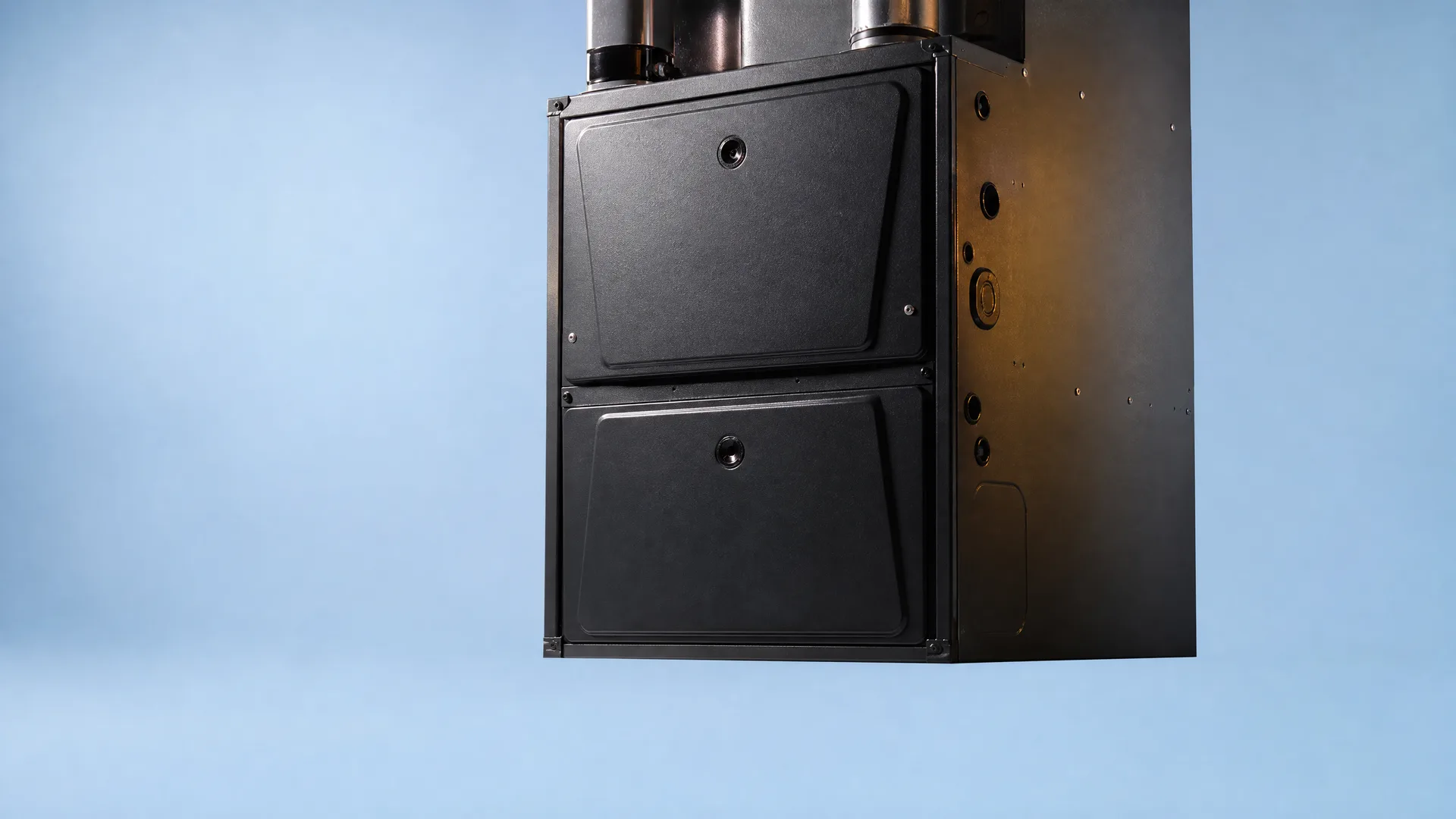
A broken furnace still runs up your bill
A furnace that's cycling wrong or short on heat still pulls power the whole time it's doing it. The blower motor keeps drawing current. The igniter keeps firing, or trying to. None of that slows down just because a part is failing. Electricity here runs $34.87 per million Btu, more than in most states, so a furnace working badly is a furnace spending full price on a job it isn't finishing. That cost runs every day the real problem goes unfound.
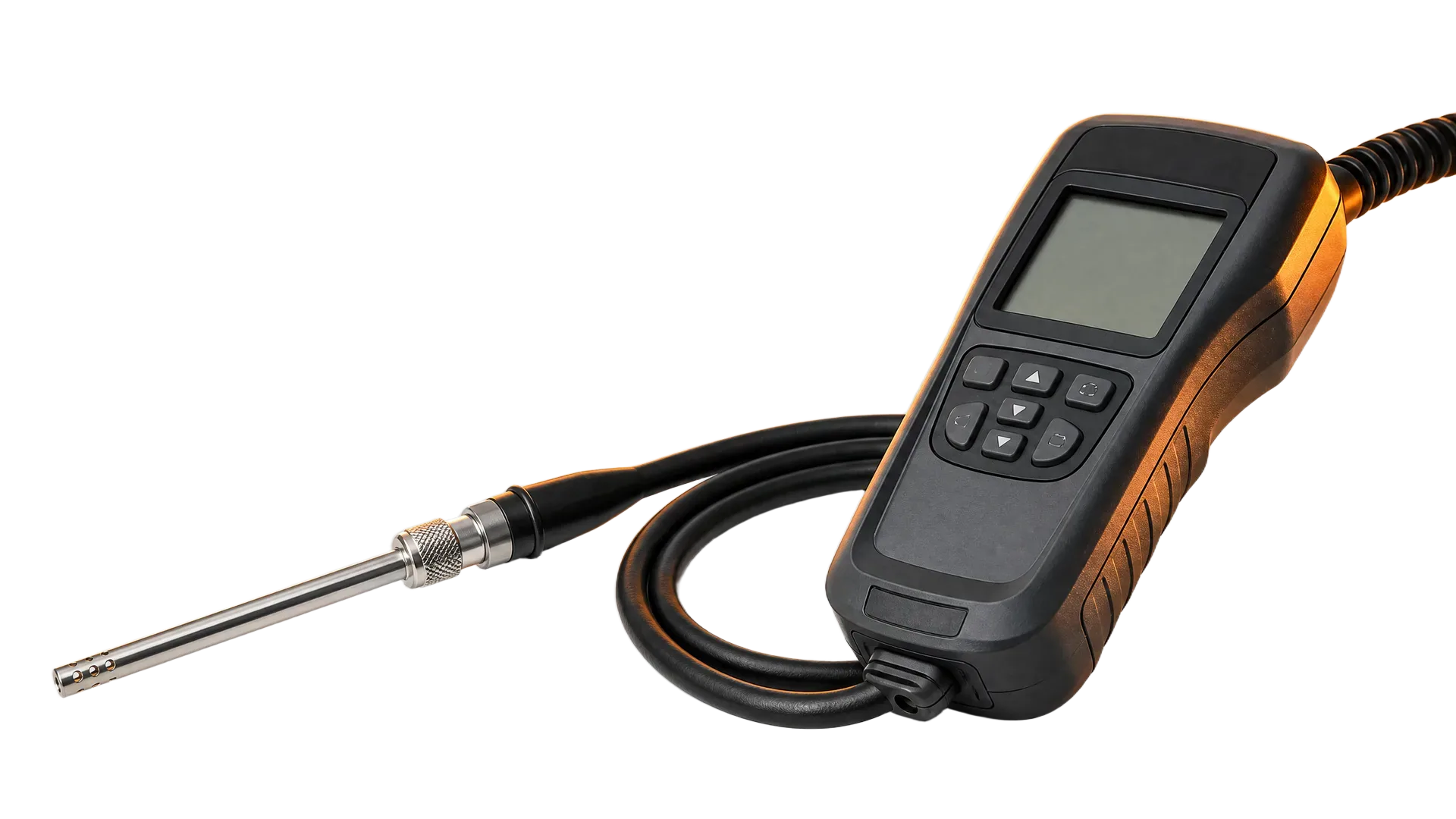
What happens during a furnace diagnostic
A diagnostic visit starts with the complaint, not the furnace. Not heating, short cycling, a smell, a noise, whatever brought you here is where the tech starts, because it narrows where to look. The easy things get checked first. The filter, the thermostat settings, the breaker, the gas supply. Most calls aren't anything exotic. From there it's testing. A multimeter on the flame sensor to see if it's reading current. A look at the igniter to see if it's cracked or glowing weak. The limit switch checked against what it's supposed to be doing. The blower motor and capacitor tested under load, not just eyeballed. Each test rules something in or out. A good tech doesn't start swapping parts until the testing points at one. The panels come off so the burners, the heat exchanger and the wiring can be seen, not guessed at. By the end you should hear what's wrong, why it's doing what it's doing, and what fixing it involves, before anyone touches a wrench to it.
Half the homes in Washington were built in 1985 or later. If yours is one of them, the furnace inside it hasn't been running on borrowed time the way an older unit might. A system that age still has plenty of working life left in it, and a breakdown now is more likely a single part giving out than the whole unit reaching the end.
Most of the state's housing, 66.3%, is detached and attached single-family houses, the kind where a furnace serves one household and one duct system. Washington also ranks newer than 32 other states for home age. None of that changes what a tech needs to check, but it does mean the furnace acting up is probably worth repairing rather than replacing.
Your furnace runs most of the year here, and a part giving out now is worth fixing fast.
Tell us about the job
Takes about a minute. No obligation.
Answer a few questions about what it's doing, and a licensed contractor calls to sort out the cause.