
A snow-capped volcanic peak rises above forested ridges of conifer trees under a clear blue sky with thin wispy clouds, with a dry grassy slope in the lower right foreground.Hand it off

Why your furnace makes a banging noise in Washington

Send the request and finding a pro stops being your problem.

A bang when the furnace kicks on usually means the burners are lighting late. Gas builds up for a second or two before it catches, and when it does, it catches all at once. That's the sound you're hearing. It can also come from the ductwork itself, metal that was sized a little too thin for the system now flexing hard as it heats up and cools down.

Either way, it's not something to leave alone through a Washington winter. Most homes here run on electric heat, which means a lot of this comes down to the heating elements and the blower rather than a gas valve. A bang on startup or shutdown with an electric furnace often points to the blower motor mounts loosening, or a heat strip expanding against a duct connection that's worked itself a little loose over time.

You don't have to figure out which one it is. A local contractor who works on furnaces all winter here has heard this exact noise plenty of times and knows what it usually turns out to be in a system like yours.

Send the form on this page and the job of tracking someone down is off your plate. You're not calling around, you're not explaining the problem three times to three different companies. One licensed contractor local to your area gets the details, and from there it's their job to sort out what's making that noise and what it takes to quiet it down.

With power cheap here, running the furnace isn't the expensive part of winter. A noise that gets worse, or a part that fails outright on a cold night, is the part worth avoiding. Get it looked at before it decides the timing for you.

Why does my furnace make a banging noise when it starts up?

You've got an electric furnace in Washington, and when it kicks on there's a bang loud enough to make you check the basement. It's not subtle, and it's not happening every single cycle, which makes it hard to pin down. You just want to know if this is something to worry about or something that's going to turn into a bigger repair if you let it sit.

Usually a delayed start in the heating element, or ducts flexing as they heat up

Most homes in Washington heat with electricity, so that bang is less likely to be a gas ignition delay and more likely one of two things. The heating element can click on a beat late, and the sudden surge of heat makes the surrounding metal pop. Or the ductwork is expanding as warm air moves through it, especially where a duct run was cut slightly wrong for its hangers. Neither one means the furnace is unsafe to run tonight, but a late-starting element tends to get later over time, and that's worth having a contractor look at before it stops starting at all.

A gray high-efficiency furnace in a basement with PVC venting pipes, a yellow gas line, metal ductwork, concrete walls and floor, and a wood-framed stairway at left.

Normal startup

Here, the burners light, the blower ramps up, and the cabinet stays quiet except for the low sound of air moving through the plenum. Heat comes on steady, no delay between the click and the warmth. This is what a furnace sounds like when the igniter is catching flame on time, every cycle.

A beige furnace with a louvered front panel and metal ductwork stands on a concrete basement floor beside pipes and a white cylindrical water heater.

Delayed ignition

Gas is building up in the burner chamber before it lights, and when it finally catches, it catches all at once. That's the bang. The louvered vents on an older cabinet like this one can also rattle loose over time, adding a second noise on top of the first. Either one is worth having checked.

One Bang or a Pattern

Bang goes away on its own

  • The noise shows up once, maybe on a cold start, and the next ten cycles are quiet.
  • You've checked the vents and registers and nothing's blocked or rattling against ductwork.
  • The furnace still heats the house evenly and the thermostat holds the temperature you set.
  • No burning smell, no dust blowing out of the registers, no sound besides the single bang at startup.
  • It's happened once or twice this month, not every time the furnace kicks on.

Bang that needs a look

  • It happens most times the furnace starts, not once in a while.
  • The bang is getting louder or sharper than it was a few weeks ago.
  • Rooms that used to heat fine are taking longer to warm up or staying cold.
  • You hear popping or ticking continue after the bang, coming from the ductwork as it heats.
  • The furnace has started short cycling, shutting off and restarting more than it used to.
  • A licensed tech who services furnaces in Washington every winter can tell you if it's the heating element, the ductwork, or something else before it gets worse.
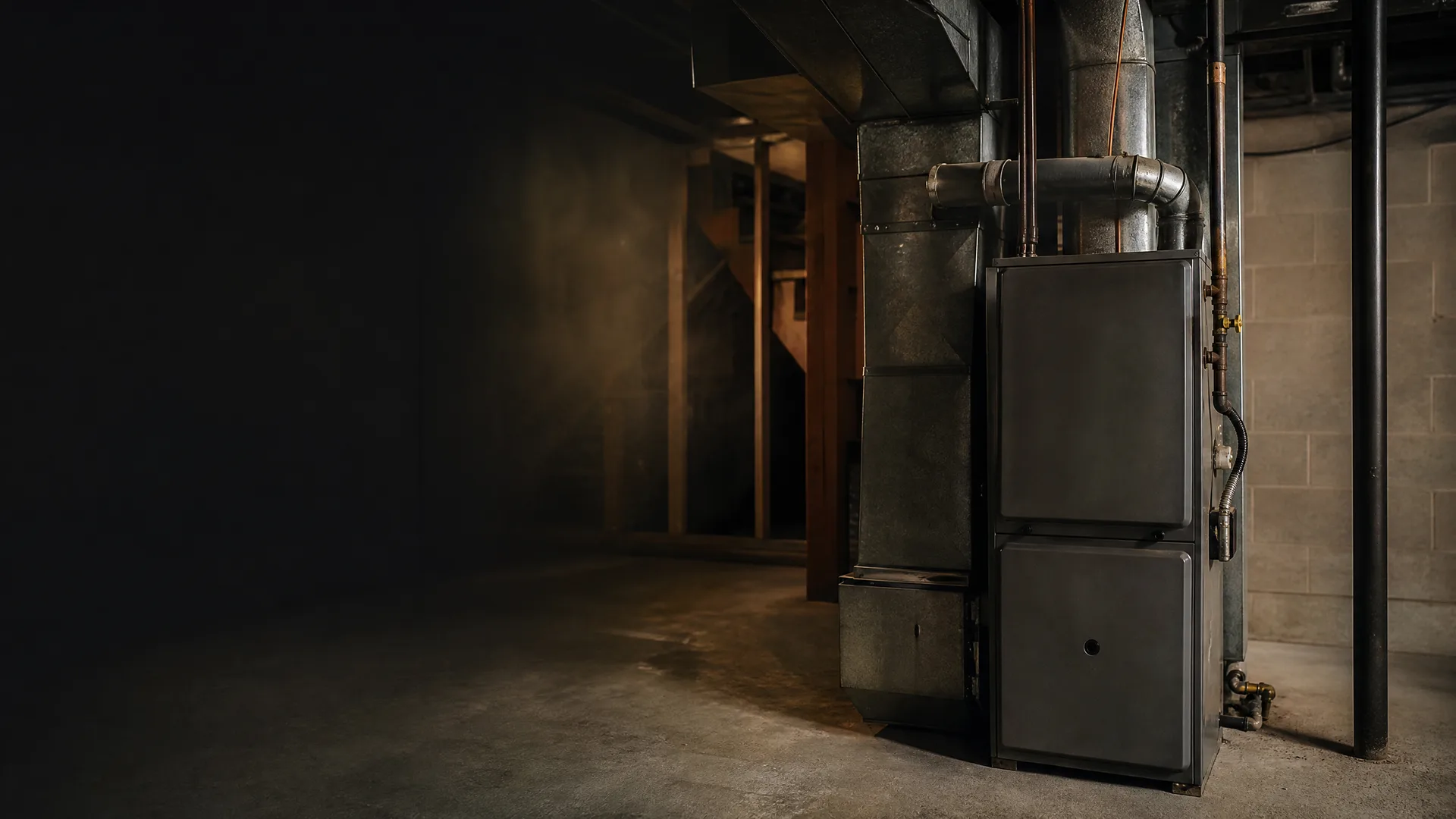
A furnace with sheet-metal ductwork and copper piping stands against a concrete block wall in a dim basement with a bare concrete floor.

The basement is cold enough to see your breath near the vent. It's just past six, dark outside already, and you came down to check on the noise again before bed. The furnace sits quiet, cabinet closed, a thin layer of dust catching the light from the bare bulb overhead. You wait by the thermostat upstairs, come back down, and stand there. Nothing. No click, no hum, no bang. Just the furnace, dark and still, like it's thinking about it. Somewhere above you the house is losing the little warmth it had left, and the electric baseboard in the hallway has already kicked on to cover the gap.

A gray high-efficiency furnace stands on a concrete basement floor beside galvanized sheet-metal ductwork, with white PVC vent pipes, gas and water lines, and unfinished wood framing behind it.
Here the cabinet stays closed and quiet, the air handler moves heat through the ductwork without a sound out of place.
A beige furnace with two louvered front panels stands on a concrete basement floor beside galvanized ductwork, metal pipes, and a wooden post.
Here the bang comes from inside the cabinet itself, the kind of noise that means something is already wrong.
  1. Heating elements power up in sequence inside the cabinet.

  2. Metal housing and ductwork start to warm and expand.

  3. A duct panel or elbow flexes and snaps back with a bang.

  4. The blower motor ramps up and pushes warm air through the house.

A gray-haired bearded man in a dark knit sweater sits on a light gray sofa in a sunlit living room, looking to his left, with a framed artwork, a potted palm, and a curtained glass door behind him.
A middle-aged man in a dark green sweater sits on a light grey sofa looking toward a sunlit window, with a wooden shelving unit, lamp and potted plants in the background.
A man in a dark green sweater sits on a light grey sofa in a sunlit living room, looking to his left, with a shelving unit, houseplants, framed art and a large window behind him.
A gray-haired bearded man in a dark green sweater sits on a light gray sofa in a sunlit living room with a potted plant, framed picture, and dark shelving in the background.

Done looking for a furnace pro

A bang that keeps coming back isn't something to keep listening to and hoping it stops. With an electric furnace, that noise is almost always metal reacting to heat, ductwork flexing, a panel working loose, or a heating element that's starting to fail, and none of those get quieter on their own. Someone who works on electric furnaces around Washington all winter has heard this exact bang before and knows which of those it usually is before they even open the cabinet. Send the request and a local contractor licensed for this work takes it from there, so you're not stuck running down the cause yourself or guessing whether it can wait. You've already got a cold basement and a furnace that's telling you something's off. The next step is just getting it in front of someone who knows electric furnaces well enough to say what, exactly.

Ductwork is sheet metal, and sheet metal expands when it heats up and contracts when it cools. Most of the time that movement is silent.

A bang means a panel or elbow is catching somewhere along the run, flexing against a screw or a joist strap until it pops free. That's a fix, not something that wears in and quiets down.

A beige residential furnace stands on a concrete basement floor beside galvanized sheet-metal ductwork, a round flue pipe, copper gas piping, and a PVC condensate line, with a wood-paneled wall at right.
Before you get your furnace repair
A gray high-efficiency furnace in a basement with white PVC vent pipes, sheet-metal ductwork, copper and black piping, a condensate pump, and insulated walls above a concrete floor.
After you get your furnace repair

One bang, then quiet

A single bang on a cold start, then ten normal cycles after that, usually means a duct panel is settling. Worth a look, but not urgent.

Send my request

Bang every time it kicks on

If the noise comes back on every cycle, something inside the cabinet is wearing loose or a heating element is starting to fail. That calls for someone who works on these furnaces.

Send my request

Winter nights average 30°F statewide

Winter nights here average 30°F, so your furnace is cycling on and off most of the night to hold the house steady. Every one of those startups is a chance for the ductwork to flex and bang. If the noise only shows up on these cold nights, that's the elements working harder and the metal expanding more than it does in milder weather.

NOAA nClimDiv 1991-2020 county normals weighted by homes

Living with it until spring

Washington winters don't get brutal, but your furnace is still running most nights to keep the house in the 60s and 70s. If you let the bang go, you're betting it stays a settling noise and not a heating element on its way out. Some homeowners get lucky and the sound just fades as the ductwork finds its position for the season. Others get a cold house in January when the element that was banging finally gives out. Electricity here is cheap, so the furnace isn't costing you much to run, but that doesn't tell you anything about whether the part making the noise is still good. A banging furnace doesn't announce which kind of problem it is. That's the part you can't tell from the basement.

Getting a local tech to listen

A tech who works on electric furnaces all winter in this area has heard this exact bang before, on this exact kind of system, more times than you have. They'll know whether your furnace's age and the pattern of the noise point to ductwork or to the heating elements, and they can check the element bank and the duct runs in the same visit. You get matched with one licensed contractor local to Washington, not a handful of companies competing for the callback. That means one visit, one person who already knows what usually fails in furnaces like yours, and a straight answer about what's making the noise instead of a guess from the basement stairs.

A middle-aged woman with shoulder-length dark hair, wearing a gray cardigan over a cream top, sits in an upholstered armchair and looks toward a sunlit window, with a shelf holding framed pictures and a plant behind her.
A woman with her hair in a bun sits wrapped in a beige knitted blanket on a couch, holding a sleeping child against her chest in a warmly lit room with a lamp and houseplant in the background.
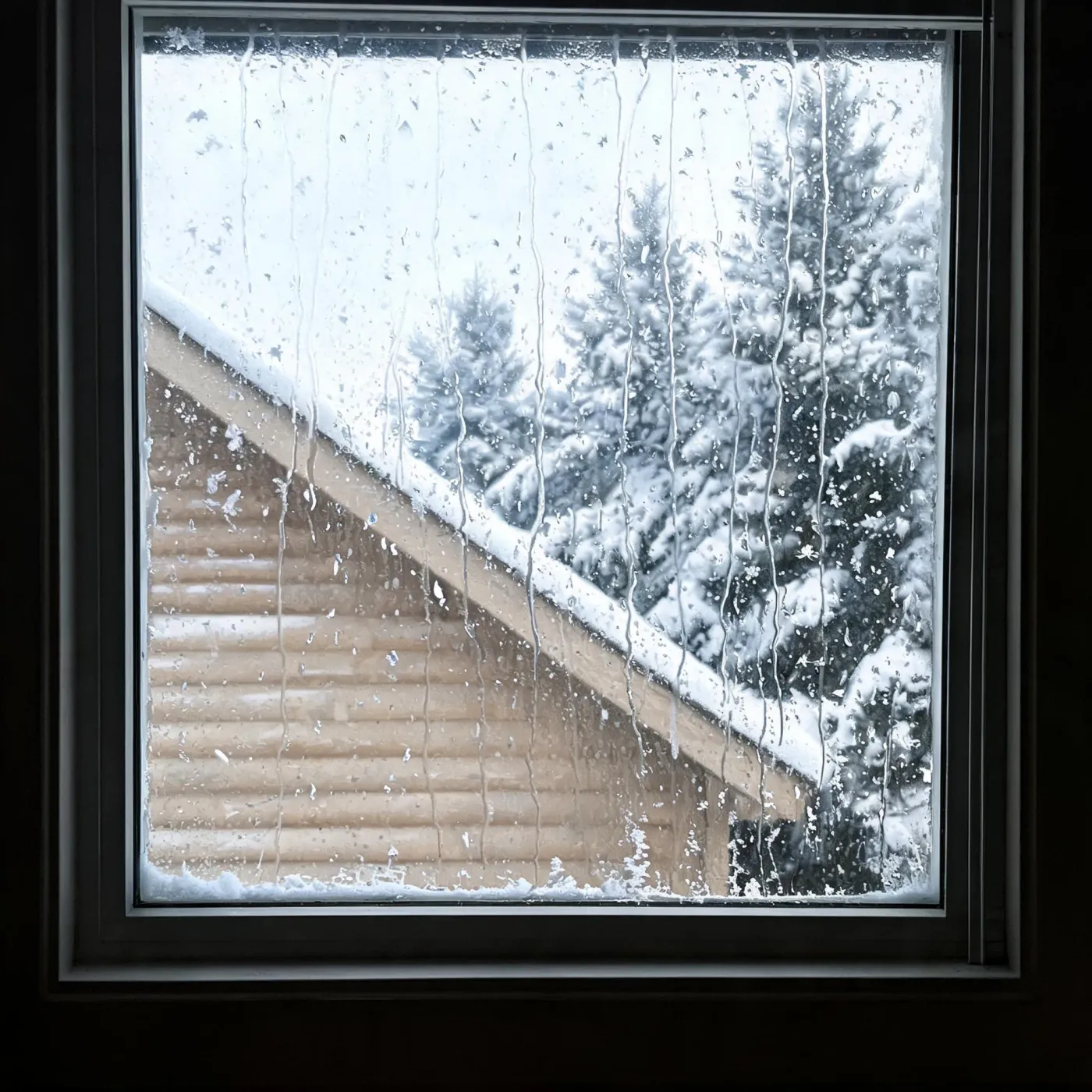
View through a condensation-streaked window of a snow-covered log building roof and snow-laden conifer trees under a bright overcast sky.

Statewide, winter nights average 30°F, cold enough that your furnace is cycling on and off for hours to keep the house steady rather than running straight through. Each time it kicks back on, the ductwork heats up again and flexes again, which is why the bang tends to show up more on the coldest nights than on the mild ones. If you've noticed it's worse after a cold snap, that's not a coincidence. More cycles means more chances for a duct panel to catch, or for a weak heating element to strain under another startup.

NOAA nClimDiv 1991-2020 county normals weighted by homes

A bang on startup almost always comes down to one of two things: ductwork flexing as it heats, or a heating element that's starting to go. One is worth a look when you get the chance. The other is worth fixing before it leaves you without heat on a 30 degree night. You don't have to figure out which one by yourself. A licensed contractor working on electric furnaces in Washington all winter has heard both, and knows within a few minutes which one you've got. You'll get matched with one contractor local to you, not a handful of companies competing for the job, so there's one call to answer and one person who already knows what usually fails on these systems. That's where this ends for you. The noise has an explanation, the explanation points to a fix, and finding someone to do it is no longer something you have to sort out on your own.

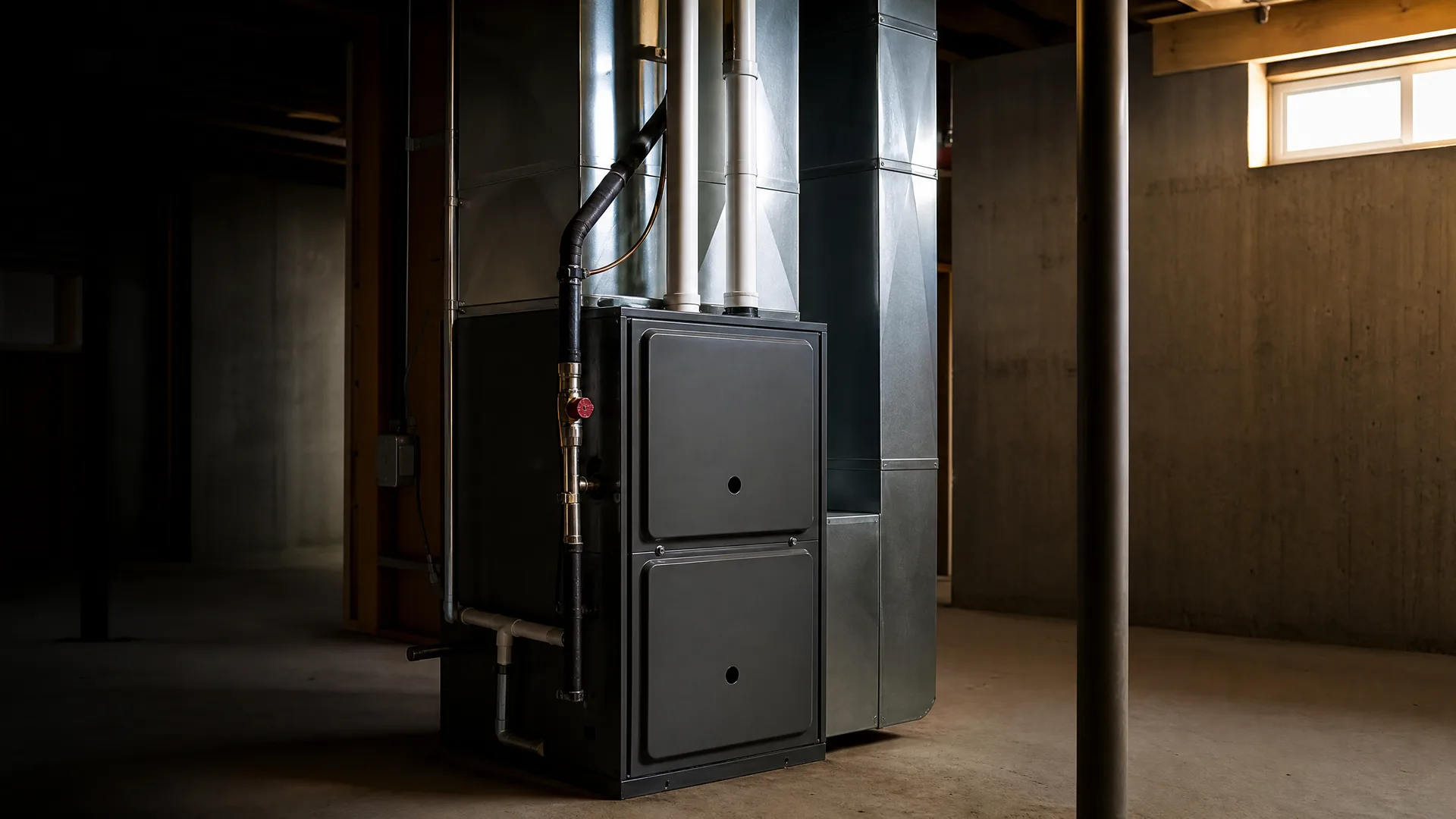
A dark gray high-efficiency furnace with two white vent pipes and connected sheet-metal ductwork stands in an unfinished basement with concrete walls, a support pole, and a small window.

Hand off the search today

RepairFurnace or heatingWashington
Step 1 of 2

What ZIP code is the job in?