





A warmly lit Craftsman-style house on a wet residential street at night, surrounded by tall evergreen trees under a dark overcast sky.

Furnace Installation in Bellingham, WA

Tell us about the job

Takes about a minute. No obligation.

New system or replacementFurnace or heatingWhatcom County, WA
Step 1 of 2

What ZIP code is the job in?

Electricity here cost $34.87 per million Btu last year, on the high side for the country. A furnace that loses heat up the flue instead of into your house burns through more of that every cycle, all winter long. The efficiency rating on the unit decides how much of what you pay turns into warm air and how much just leaves the house. Two furnaces can cost the same to buy and still cost very different amounts to run.

27°F
the average winter night it heats against
80% AFUE
the federal minimum any new unit must meet
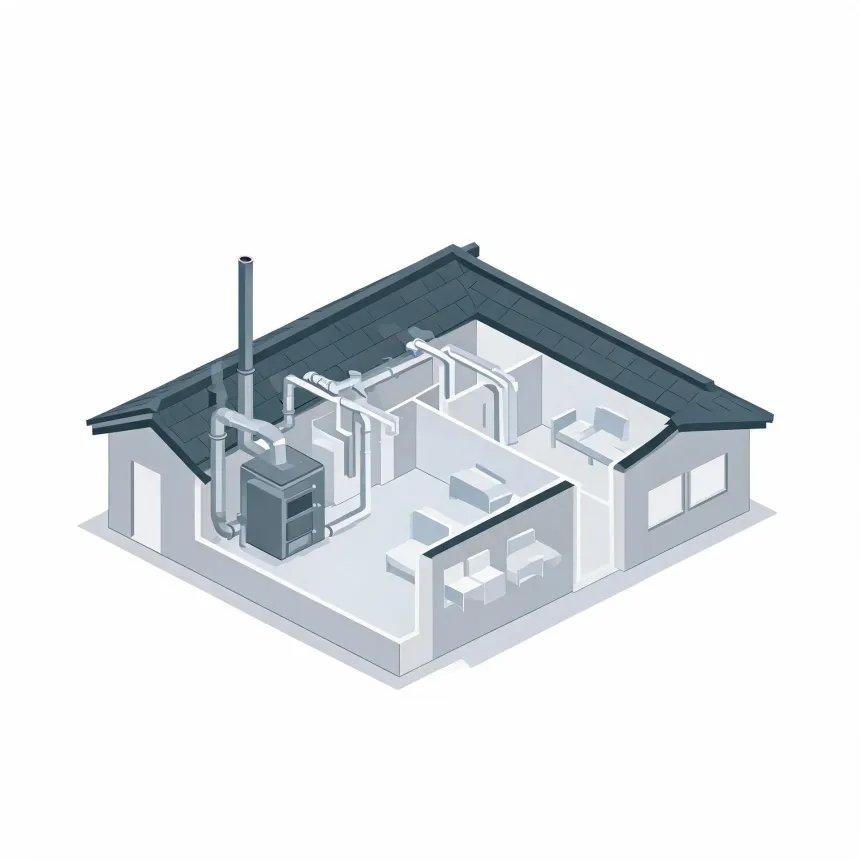
Isometric cutaway illustration of a single-story house showing interior rooms with a dark furnace unit, connected ductwork, a vertical flue pipe through the roof, and simple furniture, on a white background.
Your furnace works hardest from October through April.

NOAA nClimDiv, 1991–2020 normals

Washington households lose power often enough to plan for it, not just hope around it.

A furnace that won't restart on its own after an outage leaves you waiting on a tech instead of just flipping a switch.

Most homes near Bellingham heat with electricity, and a new furnace should match that

46.5% of homes heat with electricity
Winter nights average 27°F
Climate zone 4C
Bellingham heat works year-roundHeat runs every month here, and winter nights average 27°F

Whatcom County is in zone 4C, a marine climate that asks real work of both your furnace and your AC. Any non-weatherized gas furnace sold today has to hit 80 percent AFUE at minimum, and that floor is already the rule for what can go into your house. That number moves higher later in the decade, but it won't affect a furnace you install now. What matters for this install is meeting today's minimum, not the one coming years from now.

Check the AFUE rating before you buy

Ask about the AFUE rating before you settle on a furnace. At $34.87 per million Btu, the difference between a unit that wastes heat up the flue and one that doesn't shows up on every bill, all winter long.

Find a contractor
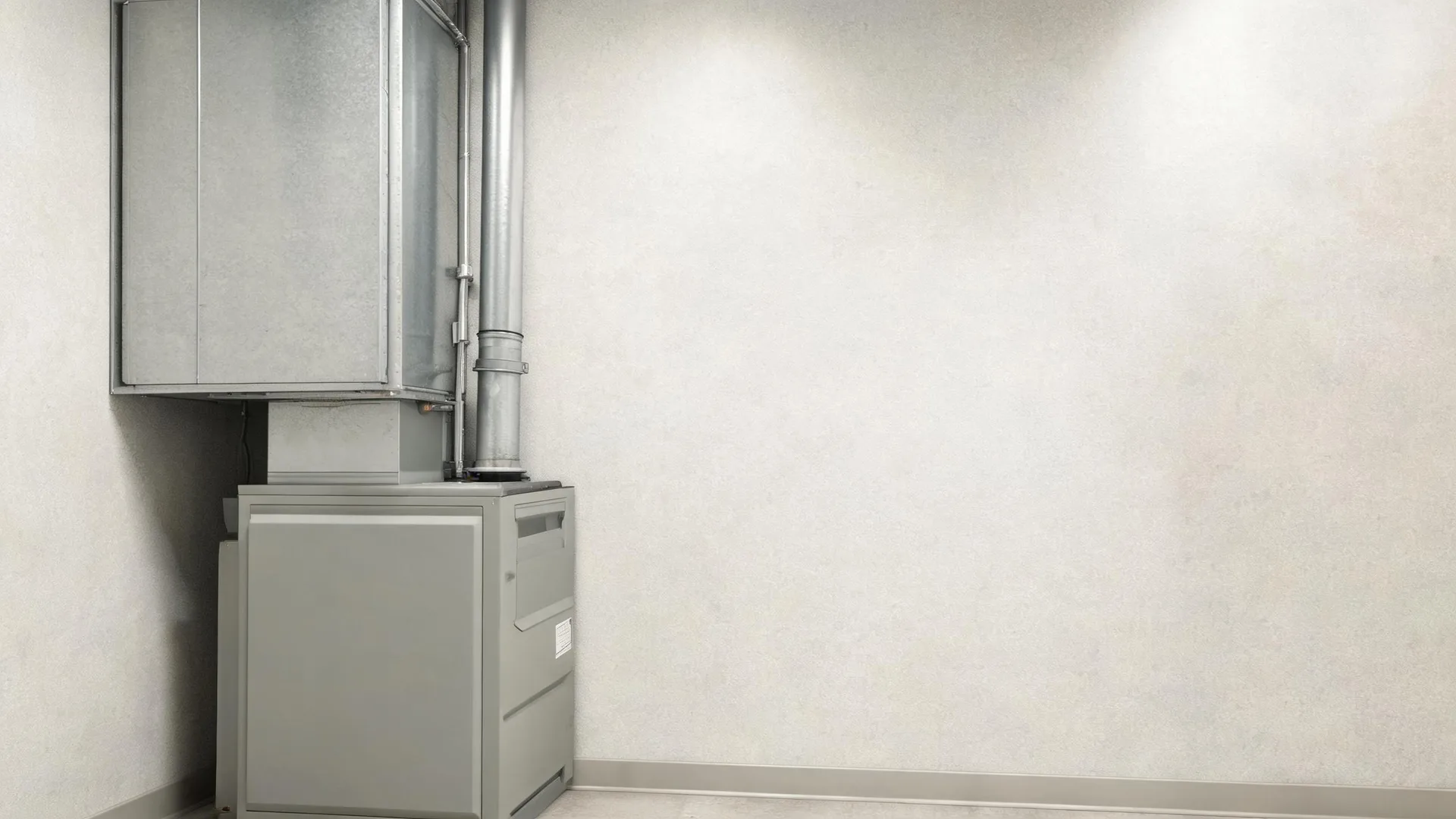
A gray residential gas furnace installed in an unfinished basement, connected to sheet-metal ductwork and PVC pipes.

Size it for a furnace that never gets a season off

A furnace sized for this house earns its keep running in every month of the year, not just a couple. Get the load calculation done room by room instead of guessing off the old unit's size. Undersized and it runs flat out all winter without catching up on the coldest nights. Oversized and it short cycles, wearing out parts faster than it should. Either way you paid for capacity you're not using right.

AFUE only counts the furnace, not the house

The rating tells you how much of the gas burned turns into heat instead of going out the flue. It says nothing about duct leaks, a thermostat in the wrong spot, or a return that's too small. A high AFUE furnace hooked to leaky ducts still loses heat, just later in the trip instead of at the burner.
The higher the rating, the more venting changes

A furnace built to hit a higher AFUE condenses the exhaust and needs PVC venting run to the outside, plus a drain for the condensate. A furnace at the lower end vents through metal flue pipe instead. That difference affects where the unit can go and what the install involves, not just what's printed on the label.

The old furnace does not stay behind as a spare or a backup. Whoever installs the new one disconnects the gas line, pulls the flue connection, and takes the cabinet out, usually in pieces if it came in whole. A gas furnace has a heat exchanger that cracks or corrodes over the years, and once it's out of the house, it's scrapped rather than reused. The same goes for the old thermostat if it's being swapped for one that matches the new furnace's wiring. If the old unit used metal flue venting and the new one needs PVC instead, that old flue pipe comes out too, not just capped and left in the wall. None of this is salvage work. It's clearing the way so the new furnace has a clean gas line, a clean flue path, and nothing left over from the one it's replacing.

Install day starts with the old furnace coming out, so the new one usually isn't making heat until partway through. The gas line gets pressure tested once the new furnace is connected, since any leak there has to be caught before the burner ever lights. Ductwork gets tied back in at the plenum, and that connection gets sealed, not just slid together. If the new furnace condenses its exhaust, a condensate drain line gets run alongside the PVC venting, and that line needs a path to a drain that actually works with gravity. Once it's wired in and the gas is on, the technician runs it through a full cycle and checks the flue draft, the gas pressure at the manifold, and the temperature rise across the heat exchanger before calling it done. That last check matters because a furnace running outside its rated temperature rise will short cycle or crack a heat exchanger well before its time.