




An unfinished concrete basement containing a metal HVAC air handler, exposed wooden ceiling joists with sheet-metal ducts, a hanging bare bulb, copper pipes, and stacked cardboard boxes.

Furnace Installation in Colville, WA

Tell us about the job

Takes about a minute. No obligation.

New system or replacementFurnace or heatingStevens County, WA
Step 1 of 2

What ZIP code is the job in?

Electricity in Washington ran $34.87 per million Btu in 2024, higher than a lot of the country. A furnace that wastes fuel turns that cost into a bill you feel every month it runs. Sizing matters here. A furnace too big for the house cycles on and off and burns more fuel doing less work. One sized right for the space, with ducts that move the air it makes, puts out the same heat for less. Ask what efficiency rating a furnace carries before you choose it. That number says more about what you'll pay to run it than the sticker price does.

10 months
September through June, your furnace is on duty
21°F
the average winter night it heats against
80% AFUE
the federal minimum any new unit must meet
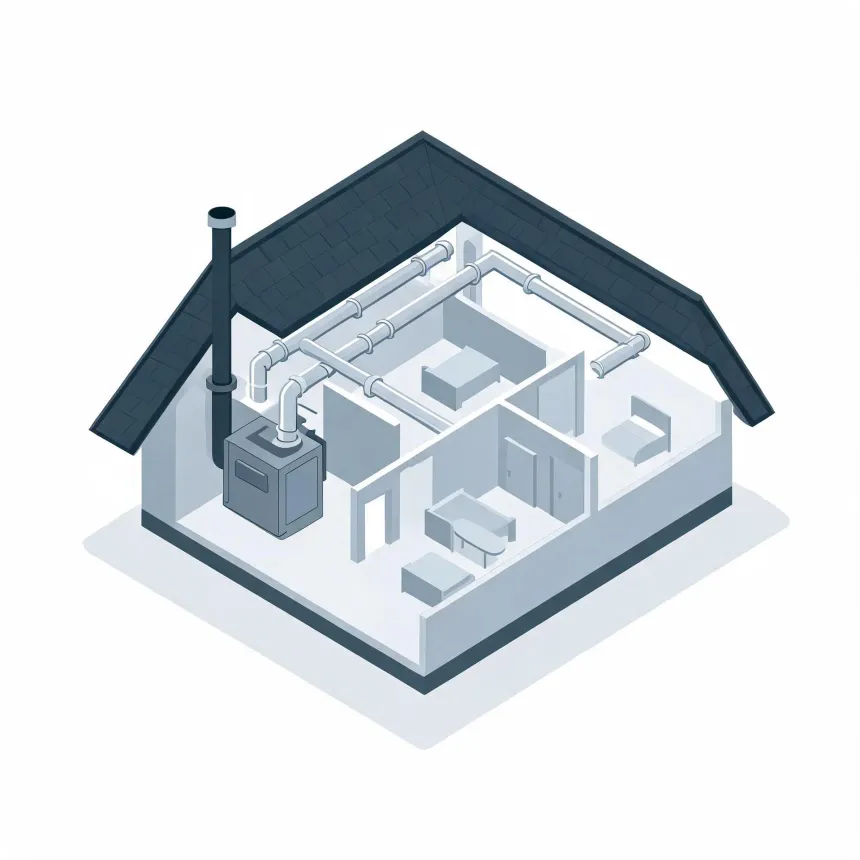
Isometric illustration of a cutaway house showing a dark furnace unit with a flue pipe and branching ductwork running through rooms with simple furniture under a dark gabled roof.
Your furnace works hardest from October through April.

NOAA nClimDiv, 1991–2020 normals

Furnaces in Stevens County start running in September.

Replace yours in August and it's done before you need it, not after it quits on you.

Ten months of heat a year, down to 21°F, against 319 winter storms

Heat runs September through June
Winter nights average 21°F
319 winter storms from 2015 to 2024

Half the homes in Stevens County were built in 1985 or earlier, half in 1985 or later. Age alone doesn't tell you what furnace a house needs. A standard size and a standard efficiency rating fits most of them fine, as long as the unit matches the house it's going into. Mobile homes make up close to a fifth of the housing here, and they need a furnace built and rated for that kind of install, not a model meant for a site-built house. Outside of that, there's no local reason to size up or pay for more than you need.

Efficiency pays here

Power costs more here, so an efficient system pays you back on every bill.

Find a contractor
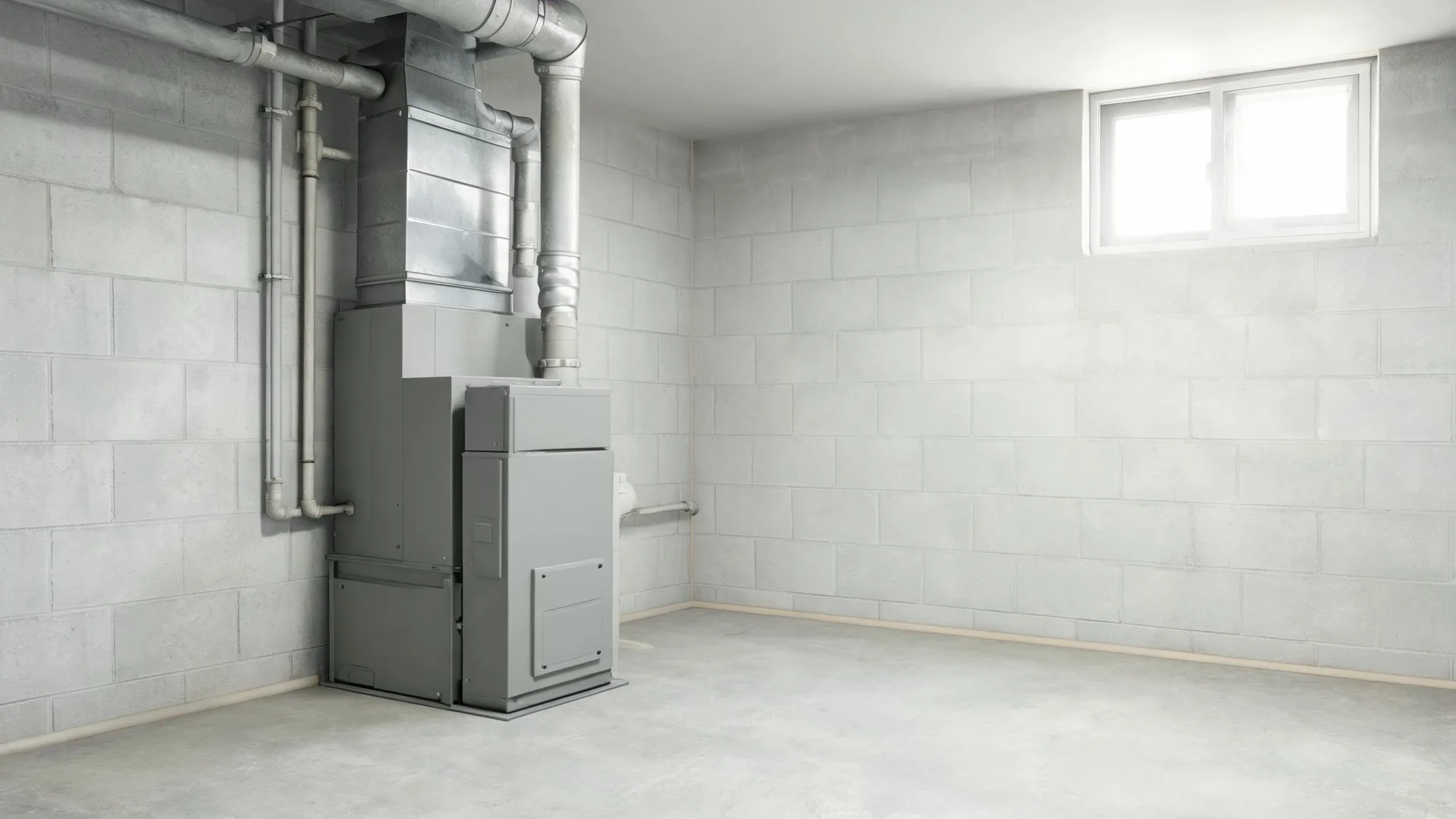
A gray high-efficiency gas furnace installed in an unfinished basement, surrounded by gas lines, a condensate drain, and sheet-metal ductwork.

This furnace starts the long season on day one

A new furnace going in this year runs through its first winter already working the long season this one just finished. Ten months of heat, nights near 21, storms that don't let up. That's not a break-in period, it's the job from day one. Get the size right before it goes in. A unit sized to the house holds up better across that stretch than one sized by guesswork, and you won't get a second chance to size it right without pulling it back out.

What AFUE actually tells you

The rating on the label is a percentage of fuel turned into heat for the house. The rest goes out the flue. A furnace rated higher burns less fuel to put out the same heat as one rated lower. It says nothing about how big a furnace you need, only how much of what it burns gets used.
Why it matters more over the life of the unit

You pay the price difference between ratings once, at purchase. You pay for the fuel it burns every month it runs for as long as you own it. A furnace with a low rating costs less going in and more every winter after. The rating is the number that follows you home.

The furnace is only part of what you're paying for. Ductwork has to move the air it puts out, and if the existing ducts are too small or leaky, a contractor may need to modify them before the new furnace can do its job right. The vent and flue have to match what the new unit requires. That's not always a swap you can skip. Where the furnace sits, how far it runs to the gas line and the electrical panel, whether the old ductwork can stay as it is or has to change, all of that gets decided on site, not off a price list. Houses with the same size furnace can end up needing very different work depending on what's already there.

Installation day starts with the old furnace coming out, not the new one going in. The contractor checks the venting, the gas line and the electrical connection before anything gets set in place, because the new unit has to match what's already there, not just slot into the old footprint. Ductwork gets connected next, and any modifications happen here, before the furnace is sealed up and fired. Once it's hooked up, a combustion analysis checks that it's burning clean and putting out the heat it's rated for. The contractor tests the thermostat, cycles the system and checks airflow at the vents before calling it done. A furnace installed right gets tested on site, not just switched on and left.