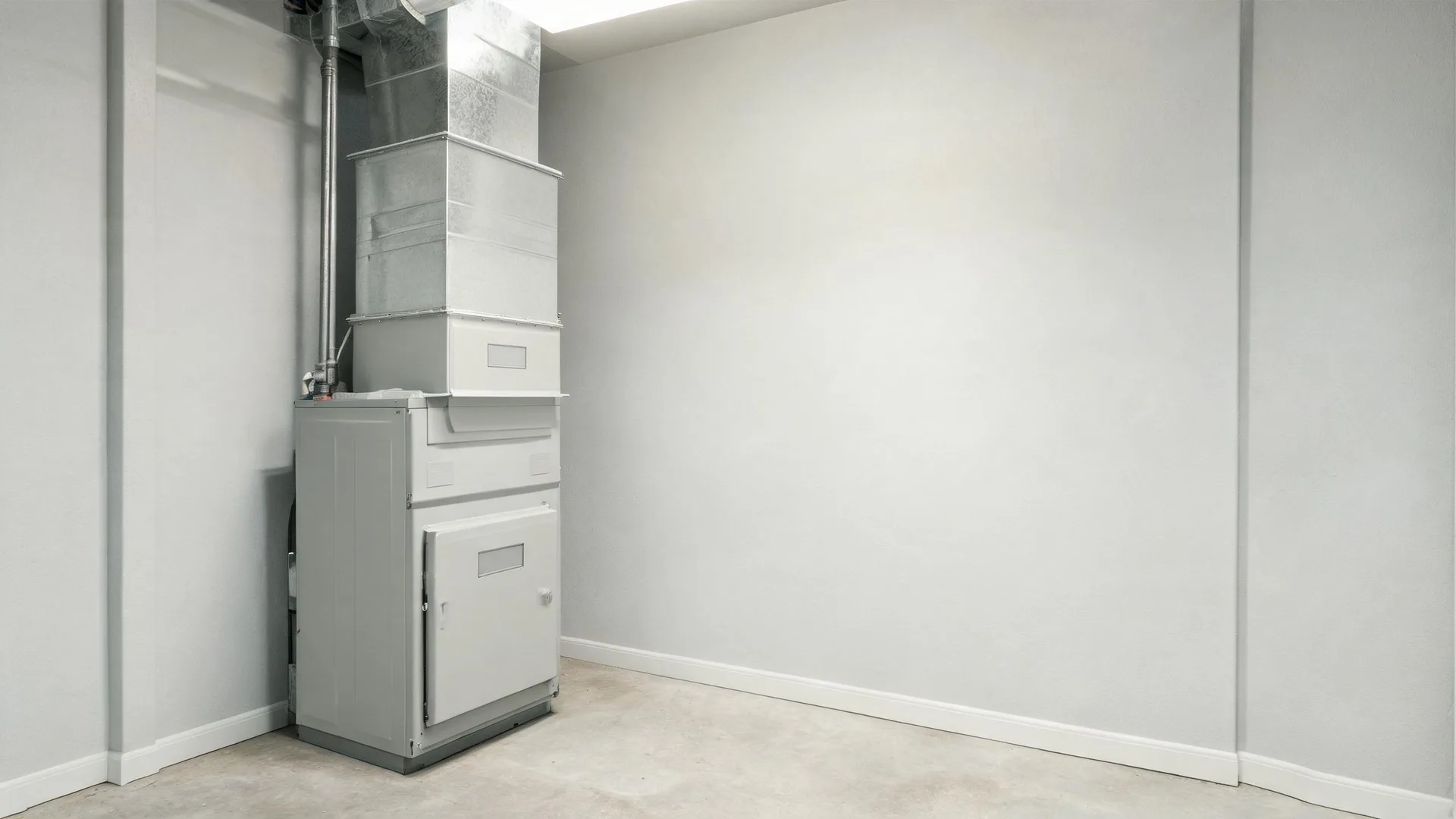
Electricity here runs $34.87 per million Btu
Washington homes paid that rate in 2024, according to the EIA. A furnace that wastes less of what it pulls in keeps more of that cost out of the bill.
Takes about a minute. No obligation.
Washington homes paid that rate in 2024, according to the EIA. A furnace that wastes less of what it pulls in keeps more of that cost out of the bill.
Dayton gets a real winter, so this furnace will run for months at a stretch. Its efficiency rating matters more here than in a place where the system barely gets used.
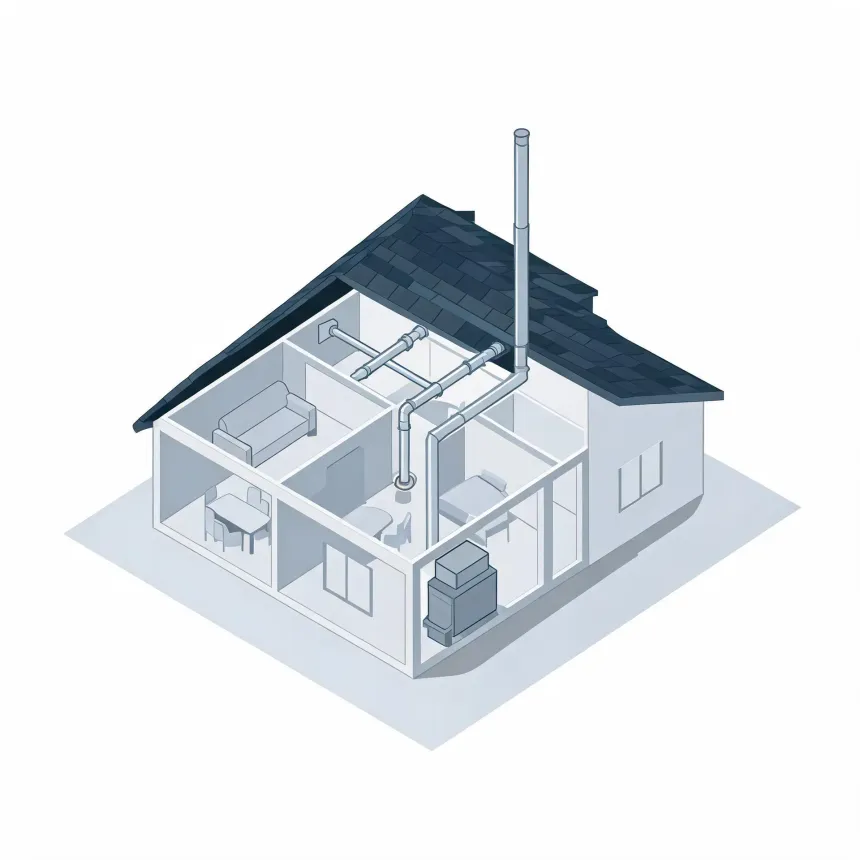
NOAA nClimDiv, 1991–2020 normals
Winter storms hit Columbia County 53 times between 2015 and 2024.
A furnace that starts reliably on a cold morning matters more than one with extra features.



Furnaces in Dayton run from September through June, about ten months of the year. Overnight lows average 26°F through December, January and February, so this isn't a system that gets a break between cold snaps. That kind of stretch wears on a furnace faster than it would somewhere milder, and a unit that's sized wrong, too big or too small for the house, feels it sooner here than most places. Get the sizing right at installation and the furnace won't be straining to keep up or short-cycling trying to shed heat it didn't need to make. That matters more than whatever's cheapest on the shelf.
Electricity heats 77.8% of homes in Columbia County. If your house is already wired for it, an electric furnace is the straightforward replacement, built for the fuel already running to the house.
Find a contractor
Furnaces here start working in September and keep going through June. That's ten months, with August the last quiet month before the load starts. Get a new furnace installed in August and it's already running before the first cold night asks anything of it. Wait until the weather turns and you're choosing a system under pressure, with whatever's in stock instead of what fits your house.
A contractor has to work out how much heat the house loses before they can tell you what furnace fits it. That means looking at square footage, ceiling height, window count and how the place is insulated. Skip that step and you end up with a furnace too big or too small, and either way you paid for the wrong one.
If the existing ducts are undersized or leaking, a new furnace still has to push air through them. Sealing or resizing ductwork adds to the job, but a furnace forcing air through the wrong ducts will never heat the house the way it's rated to.
That rating on the furnace label is the AFUE number, and it tells you how much of the fuel it burns turns into heat in the house versus what goes out the flue. A furnace with a high rating is pulling nearly all of that fuel into usable heat. One with a lower rating is sending a bigger share up the vent instead of into the house. The rating doesn't change how warm the house feels on a given day, since a well-sized furnace will heat the place fine either way. What it changes is how much fuel gets burned to get there, every run, for as long as you own it. A furnace with a higher rating usually costs more up front and may need a different venting setup, since the flue gases run cooler and can't just go up a standard metal chimney. That's worth asking about before you decide, not after it's installed.
Install day starts with the old furnace coming out. If it's a similar type to the one going in, that's most of the work done right there. Swapping one furnace for another like it is a day's job in most houses. Changing the venting, moving the unit, or switching fuel types takes longer, since the flue pipe, gas line or electrical feed may need to change too. Once the new furnace is set, the crew connects it to the existing ductwork, runs the gas or power to it, and vents it properly. A furnace vented wrong can put exhaust back into the house instead of outside. Before they leave, the technician checks the gas pressure or electrical draw and makes sure the blower is moving enough air through the ducts. A furnace that passes those checks on install day is one that's set up to run the way it's rated to, not just one that turns on.