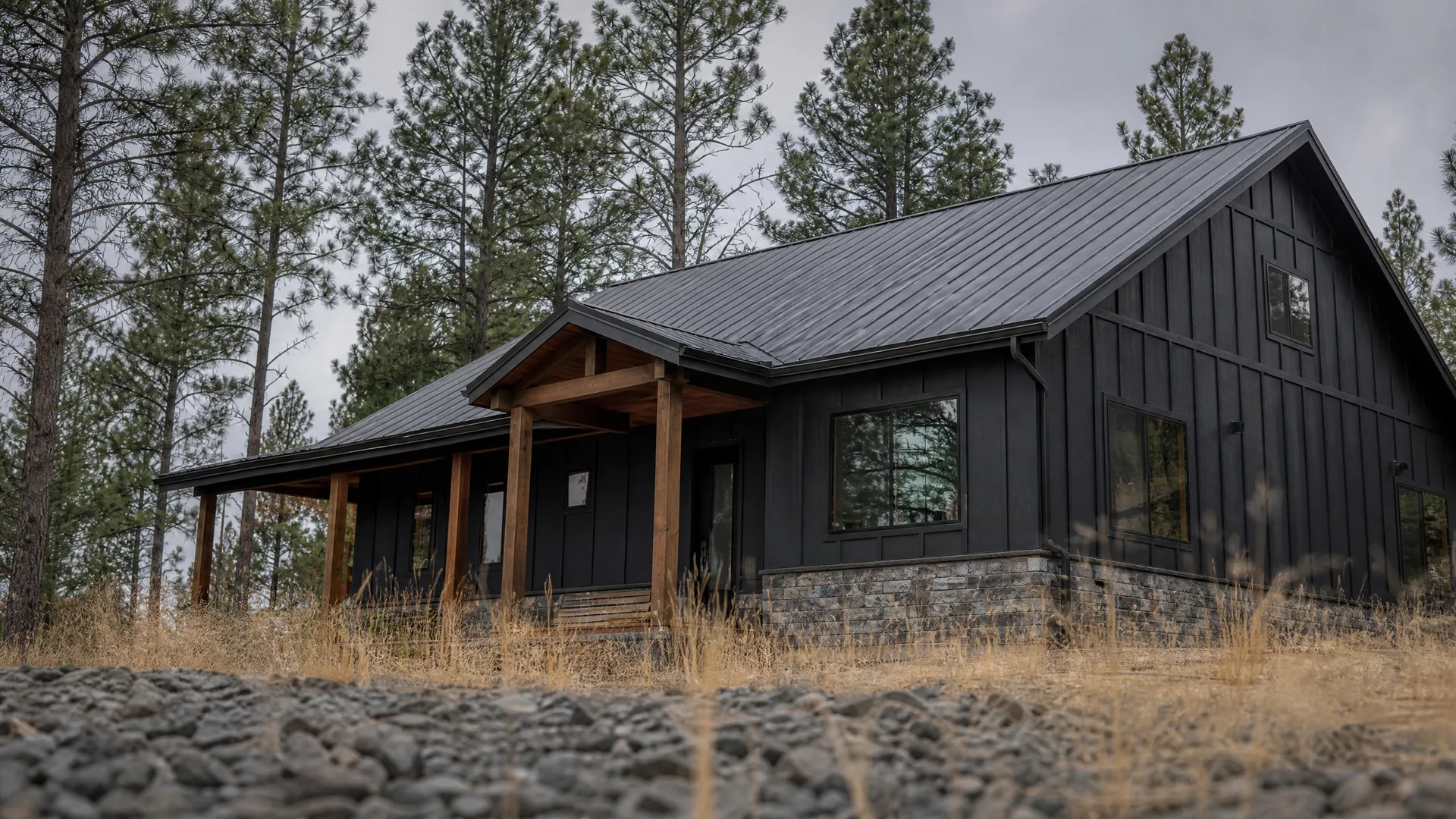


A black board-and-batten house with a metal roof, wooden porch posts and a stone foundation, surrounded by dry grass, gravel and tall pine trees under an overcast sky.

Furnace Installation in East Wenatchee, WA

Tell us about the job

Takes about a minute. No obligation.

New system or replacementFurnace or heatingDouglas County, WA
Step 1 of 2

What ZIP code is the job in?

Electricity in Washington ran $34.87 per million Btu in 2024. That's the number behind every bill a furnace generates here, whether it's an electric furnace or a heat pump system with electric backup. A unit that wastes energy wastes it at that rate, month after month. When you're picking a furnace for installation, the efficiency rating on the label matters more here than in a state with cheaper power, because the gap between a good one and a poor one shows up on your bill sooner. Ask what it's rated to use, not just what it costs to put in.

9 months
September through May, your furnace is on duty
22°F
the average winter night it heats against
80% AFUE
the federal minimum any new unit must meet
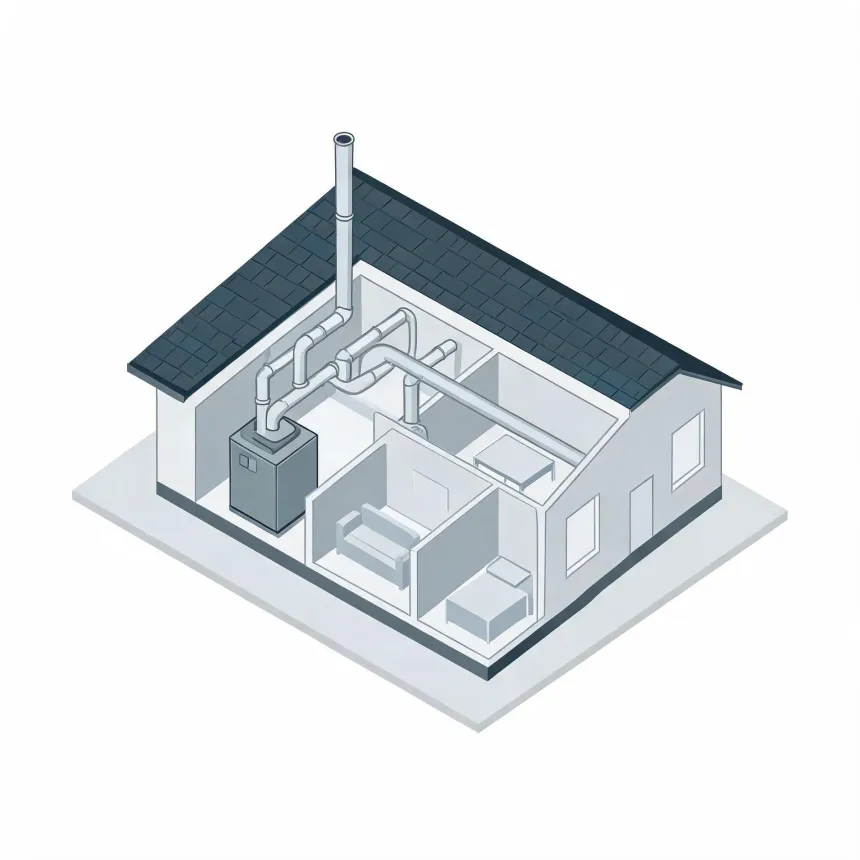
Isometric cutaway illustration of a single-story house showing a gray furnace connected to white ductwork and a flue pipe extending through the shingled roof, with simplified furniture in the interior rooms.
Your furnace works hardest from November through March.

NOAA nClimDiv, 1991–2020 normals

Electricity heats 95.4% of homes in Douglas County.

A furnace here almost always means an electric furnace or a heat pump, not a gas one.

Nine months of heat a year, on nights that drop to 22°F

Heat runs September through May
Winter nights average 22°F
209 winter storms from 2015 to 2024

East Wenatchee falls under climate zone 5B, where heating carries the bigger share of the work and the air runs dry. The energy code sets the floor for any furnace going in here, not a suggestion. For a non-weatherized gas furnace, that floor is 80 percent AFUE, and it holds until the end of 2028. After that the minimum jumps to 95 percent. Since electricity heats nearly every home in the county, most installs here are an electric furnace or a heat pump rather than gas, but the same idea applies either way. The rating on the label is the least the region allows, not something to aim for.

Winter storms hit this county 209 times. Plan for the outage, not just the furnace.

Winter storms have hit this county 209 times in the last ten years, more than any other kind of severe weather here. Statewide, almost a quarter of households lost power for a day or more in 2024. A new furnace runs on electricity either way, so it's worth asking where the outdoor unit will sit and how the system handles a power outage before it goes in.

Find a contractor
A man in a cap, dusty dark shirt and work pants walks up stone steps toward a dark navy front door, carrying a worn canvas tool bag, with a potted shrub beside the entry.
A gray residential gas furnace installed in an unfinished basement, connected to sheet-metal ductwork and PVC pipes.

Nine months of work a year starts in September

Furnaces here run nine months a year, September through May. August is the one month before that stretch begins, and it's a better time to put in a new furnace than once the heat is already needed. A crew with no breakdown to chase can size the unit for this place, check what the ductwork needs, and let everything settle in before the first cold night asks anything of it.

The old furnace has to come out first

A furnace isn't just set aside. The gas line, if there is one, gets capped off. The electrical disconnect gets pulled. The old unit gets broken down and hauled out before the new one goes in, because most furnaces don't fit through a doorway in one piece once they're disconnected.
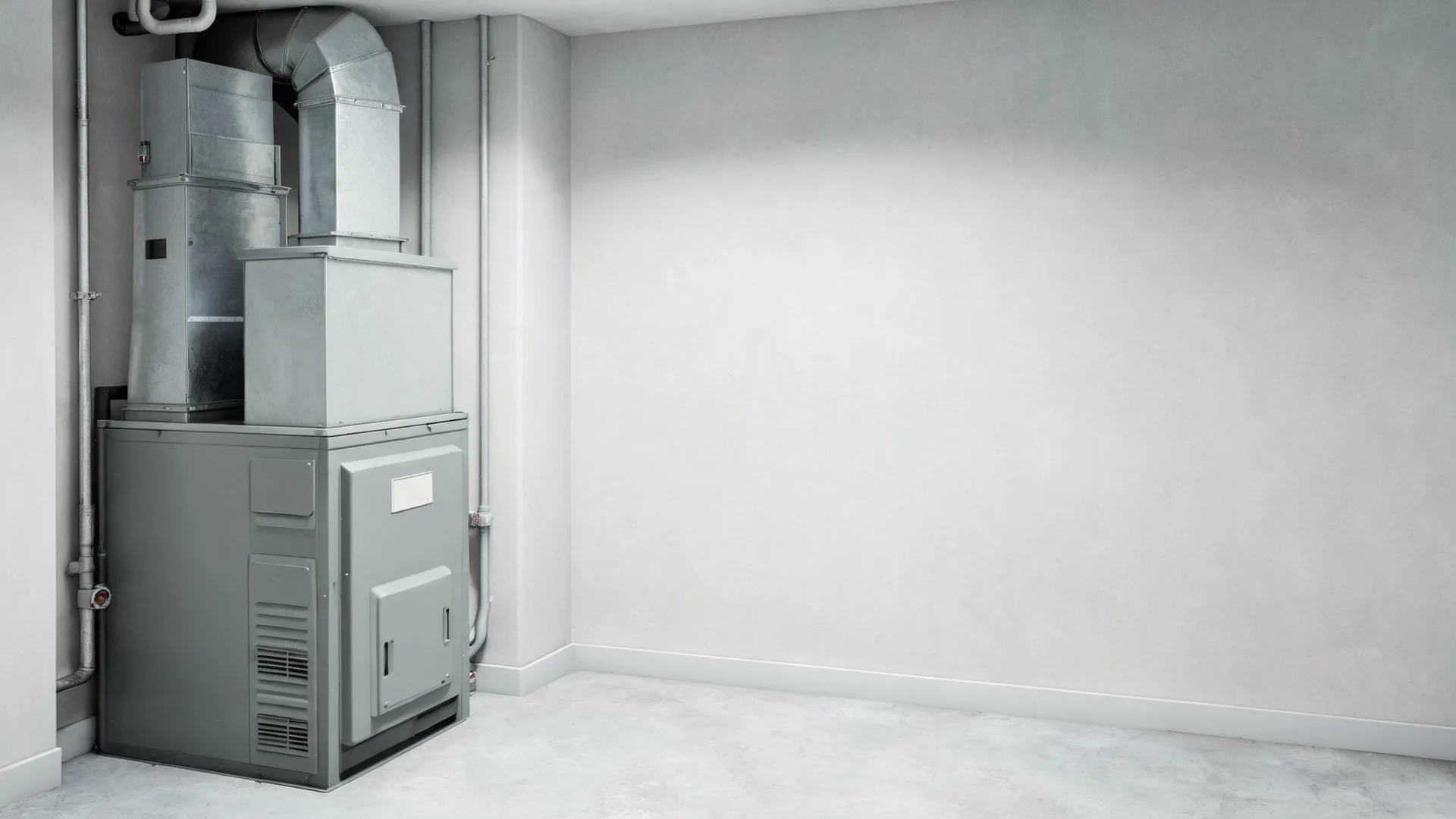
The flue and ductwork get a second look

Swapping to a higher efficiency furnace often means the old venting won't work anymore. A high efficiency unit vents through PVC pipe, not a metal flue, so that part of the job isn't optional if the new furnace calls for it. The ductwork gets checked too, since a furnace sized differently than the old one can need different airflow to run right.

What drives the price of an install is mostly what has to change to make the new furnace work right, not the unit itself. A straight swap, same fuel type, same spot, same ductwork, costs less because there's less to touch. Switching from a standard furnace to a high efficiency one means new venting, and that's labor and material the old job never needed. Ductwork that's undersized or leaky for the new unit's airflow needs work too, and a tech should catch that before install day, not after. The furnace's size matters as much as its rating. One sized wrong for the space either short cycles or runs too long, and either way it costs more to live with than the install itself. Electrical work adds to it as well, especially if the new unit draws differently than the old one did.

Installation day starts with the space cleared out and the work area protected, since the old furnace has to come apart before it comes out. Once it's gone, the crew sets the new one, levels it, and connects the ductwork, the gas or electrical line, and the venting. Every joint and connection gets checked for leaks before anything is sealed up. The system runs through a full cycle before the crew leaves, so airflow, ignition, and shutoff all get watched working together rather than tested one at a time. A thermostat gets set up and walked through so it's controlling the new furnace correctly, not just left on old settings. The old equipment leaves with the crew. A furnace isn't considered installed until it's run through that full cycle without anything off.