A black vertical-board exterior wall with a metal rack of stacked firewood, an air-conditioning condenser unit beyond, and dry grass, gravel and pine trees with a neighboring roof in the background.

Furnace Installation in Kennewick, WA

Tell us about the job

Takes about a minute. No obligation.

New system or replacementFurnace or heatingBenton County, WA
Step 1 of 2

What ZIP code is the job in?

Electricity here runs $34.87 per million Btu

Washington homes paid that price in 2024, and a furnace that leans on electric resistance heat burns through it fast. A heat pump or a higher-efficiency gas furnace makes the same heat from less of that expensive power.

The furnace you pick sets your bill for years

A furnace installed now keeps running the same way for a decade or more. Choosing one with a higher efficiency rating at installation costs less to live with than switching later.

8 months
October through May, your furnace is on duty
28°F
the average winter night it heats against
80% AFUE
the federal minimum any new unit must meet
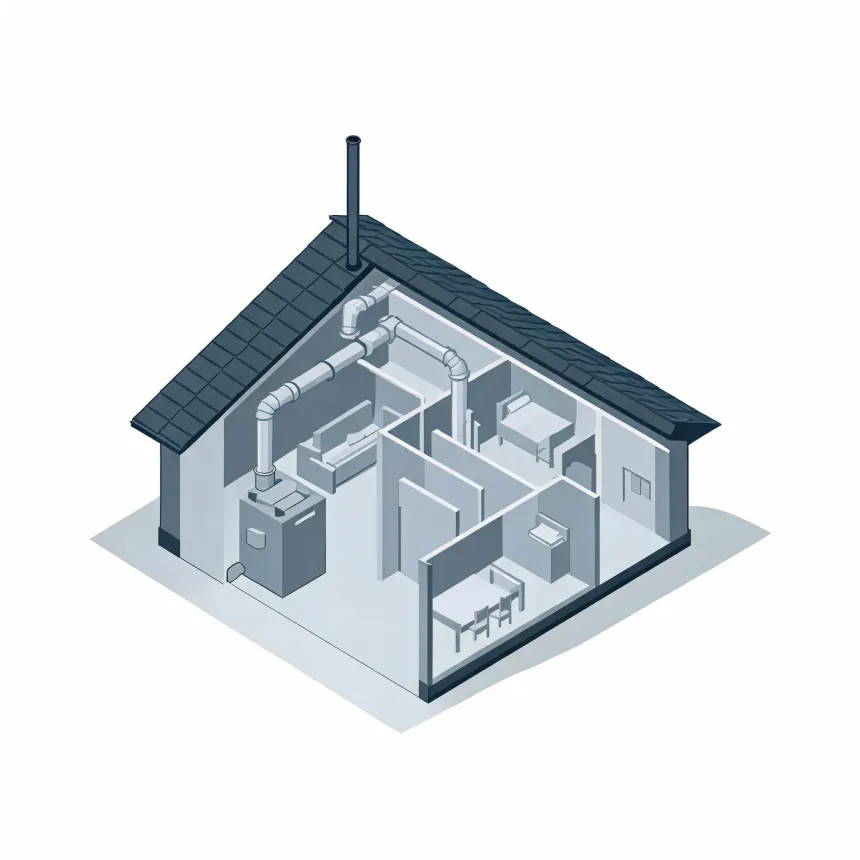
Isometric cutaway illustration of a small single-story house showing interior rooms with furniture, a furnace unit with attached ductwork running to a roof flue, and a dark shingled roof.
Your furnace works hardest from November through March.

NOAA nClimDiv, 1991–2020 normals

Most homes in Benton County heat with electricity, at 78.3 percent.

A furnace installation here is most often an electric furnace or heat pump replacing one, so what you're really choosing is how that electricity gets turned into heat.

Eight months of heat and cold nights, and a standard system handles it

Heat runs October through May
Winter nights average 28°F
14 winter storms from 2015 to 2024

Ask the contractor for the AFUE or HSPF rating before you sign, not after. That number is what decides how much of your electric bill goes to heat, year after year. Two furnaces can heat the same house and cost very different amounts to run, and the only way to tell them apart on paper is that rating. If a heat pump is on the table, ask how it performs at low outdoor temperatures, since that's where the cheaper models fall off. A contractor who can answer these without hesitating knows the equipment. One who can't is guessing along with you.

Have it in before October

Heat runs here from October through May, eight months straight. Install it in September and the contractor has room to size it right and get it running clean before it has to work. Wait until the house is cold and you're choosing from whatever's on the truck that day.

Find a contractor
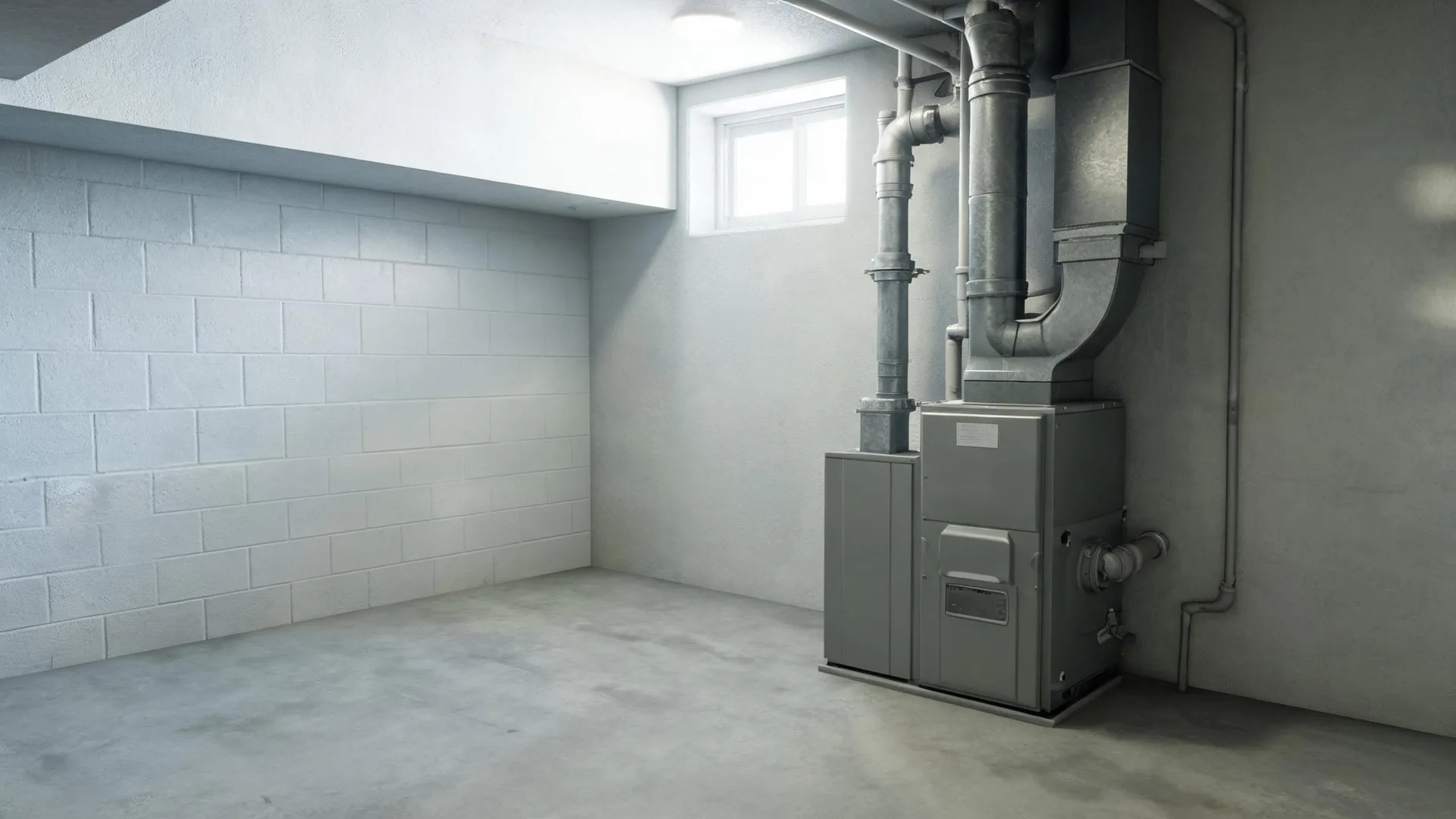
A gas furnace with attached ductwork, gas piping, and condensate lines installed in a concrete-block basement.

The size on the nameplate decides how often it runs

A furnace that's sized right cycles on, brings the house to temperature, and shuts off. One that's oversized blasts heat fast and shuts off early, then starts again soon after because it never ran long enough to pull the house to an even temperature. That short cycling is hard on the parts that start the burner and move the air. Those parts take the most wear at startup, not while running steady. A furnace sized to the house runs longer stretches and fewer of them. Over years that's the difference between parts that wear out on schedule and ones that wear out early. Ask how the contractor arrived at the size, not just what size they landed on. A load calculation based on the house beats a number guessed from the old unit's rating plate.

The size comes from a room by room count, not a guess

A contractor who does this right adds up the heat loss through every wall, window and ceiling in the house, room by room, and sizes the furnace to cover it. That's called a load calculation. Pulling the number off the old furnace's rating plate just copies whatever mistake was made last time, if the old one was ever sized right at all.

Bigger doesn't mean warmer, it means worse heat

An oversized furnace pushes out heat faster than the house can spread it around, so the air near the thermostat warms up and shuts the burner off before the far rooms catch up. You end up with a living room that's comfortable and a bedroom down the hall that never quite gets there, no matter how big the furnace is.

The AFUE number on the label tells you how much of the fuel burning in that furnace turns into heat for the house, and how much goes straight out the flue. A furnace rated higher wastes less, full stop. That rating is fixed to the model, not the house it ends up in, so it's the one figure you can actually compare between units sitting side by side in a showroom. What it won't tell you is your actual bill, since that depends on how much the furnace runs and what it's heating. A higher rating usually costs more up front. Whether that's worth paying depends on how long you plan to keep the furnace running.

Installation day starts with the old furnace coming out, and that's when a contractor finds out whether the ductwork, the gas line and the vent are up to the new unit before anything new goes in. Setting the furnace is quick. Getting the venting right isn't, especially on a higher-efficiency model, since those run a different flue than an older furnace and sometimes need new pipe run to the outside. The gas line gets checked for the right size and pressure, not just reconnected. Once it's set, the contractor fires it up and checks the temperature rise across the furnace against what the manufacturer specs for that model, then adjusts the airflow until it lands in range. That number matters more than whether it blows warm air. A furnace can blow warm and still be set wrong underneath.