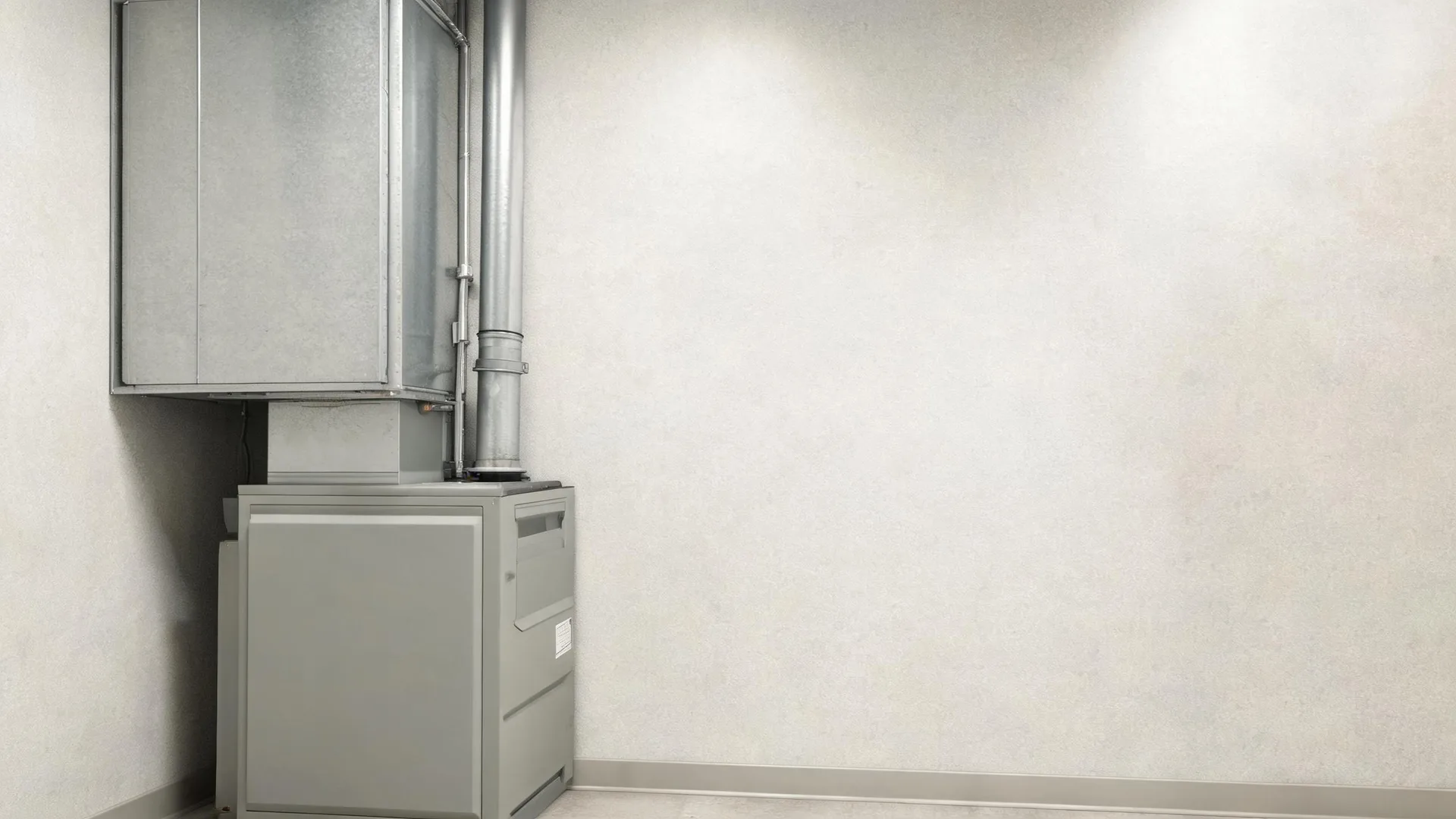
Electric heat costs more to run here
Washington homes paid $34.87 per million Btu of electricity in 2024. A furnace that wastes less of that power keeps more of it out of the bill.
Takes about a minute. No obligation.
Washington homes paid $34.87 per million Btu of electricity in 2024. A furnace that wastes less of that power keeps more of it out of the bill.
A new furnace is a one-time choice that sets your heating cost for years. Worth comparing efficiency ratings now, since Newport electricity prices aren't going to make a weak unit cheaper to run later.
NOAA nClimDiv, 1991–2020 normals
A furnace sized off square footage alone is often wrong, since the right size comes from a room by room heat loss calculation.
Too big and the furnace short cycles, wearing out parts years early. Too small and it runs flat out all winter without catching up.



Two out of three homes in Pend Oreille County heat with electricity, more than any other fuel here. That makes a furnace the common choice, and it means a replacement is likely swapping an electric furnace for another one rather than switching fuels. Bottled or LP gas barely registers, at 3.0% of homes, so parts and service here lean toward electric equipment. If your current system runs on electricity, matching it keeps the installation simple. There's no gas line question and no propane tank question to work through. What matters most is how little power the new furnace wastes to make the same heat.
Heat here runs September through June, ten months out of the year. August is the one quiet month before that starts. Replace the furnace now and there's time to size it right and get it running before the first cold night, instead of choosing in a hurry once it fails mid-season.
Find a contractor
Ten months of heat a year means a new furnace rarely gets a real rest, running from September clear through June. Nights average 20°F through December, January and February, so the burner holds long stretches against cold that deep. Add 319 winter storms in the past ten years and the furnace is often working against wind and snow load on top of the usual demand. That kind of run time catches up with a weak unit faster than it would somewhere milder.
The rating on a furnace label is its AFUE, the share of fuel it actually turns into heat for the house. What's left over goes out the flue instead of through the ducts. A higher rated furnace pulls more heat out of the same energy instead of venting it outside.
An oversized furnace hits its rated efficiency in short, hard bursts and cycles off before it ever settles into a steady burn. An undersized one runs long and still can't keep up. Either way the number on the label stops meaning much once the size is wrong.
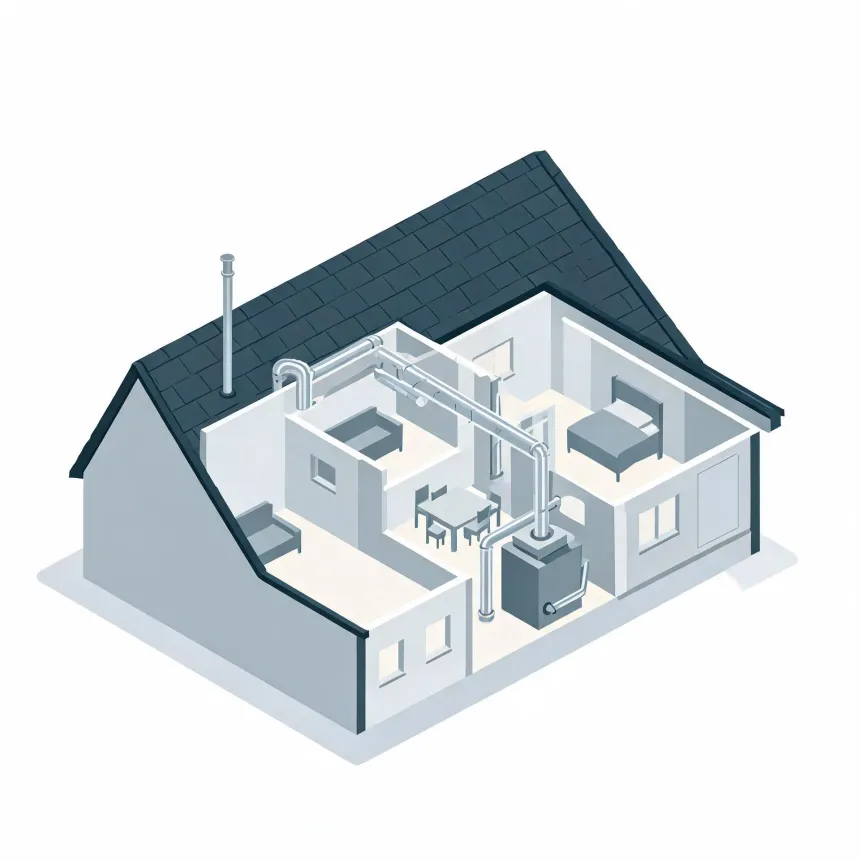
Installation cost is mostly labor, not the furnace itself. Running new ductwork, resizing an undersized trunk line, or moving the vent pipe to meet code takes a crew hours the equipment swap alone doesn't. The furnace's cabinet size and clearance needs also decide how much the closet or utility space has to change to fit it. Electrical work adds to it too, since a new furnace needs a dedicated circuit matched to its draw, and older wiring sometimes has to be upgraded to carry it. None of that shows up on the price tag of the unit, but it's where most of the job's hours go.
The old furnace comes out first, along with the flue pipe and any ductwork that doesn't meet the new unit's connections. A crew checks the return and supply plenums before setting the new cabinet in place, since those have to seal tight against the furnace or air leaks out before it ever reaches a vent. Gas or electrical hookups get connected and tested, then the furnace runs through a startup cycle while the technician checks the temperature rise against what the manufacturer specs for that model. Static pressure gets checked too, since too much resistance in the ductwork strains the blower motor no matter how good the furnace is. Once it's venting correctly and holding a steady burn, the panels go back on and the thermostat gets set up to run it.