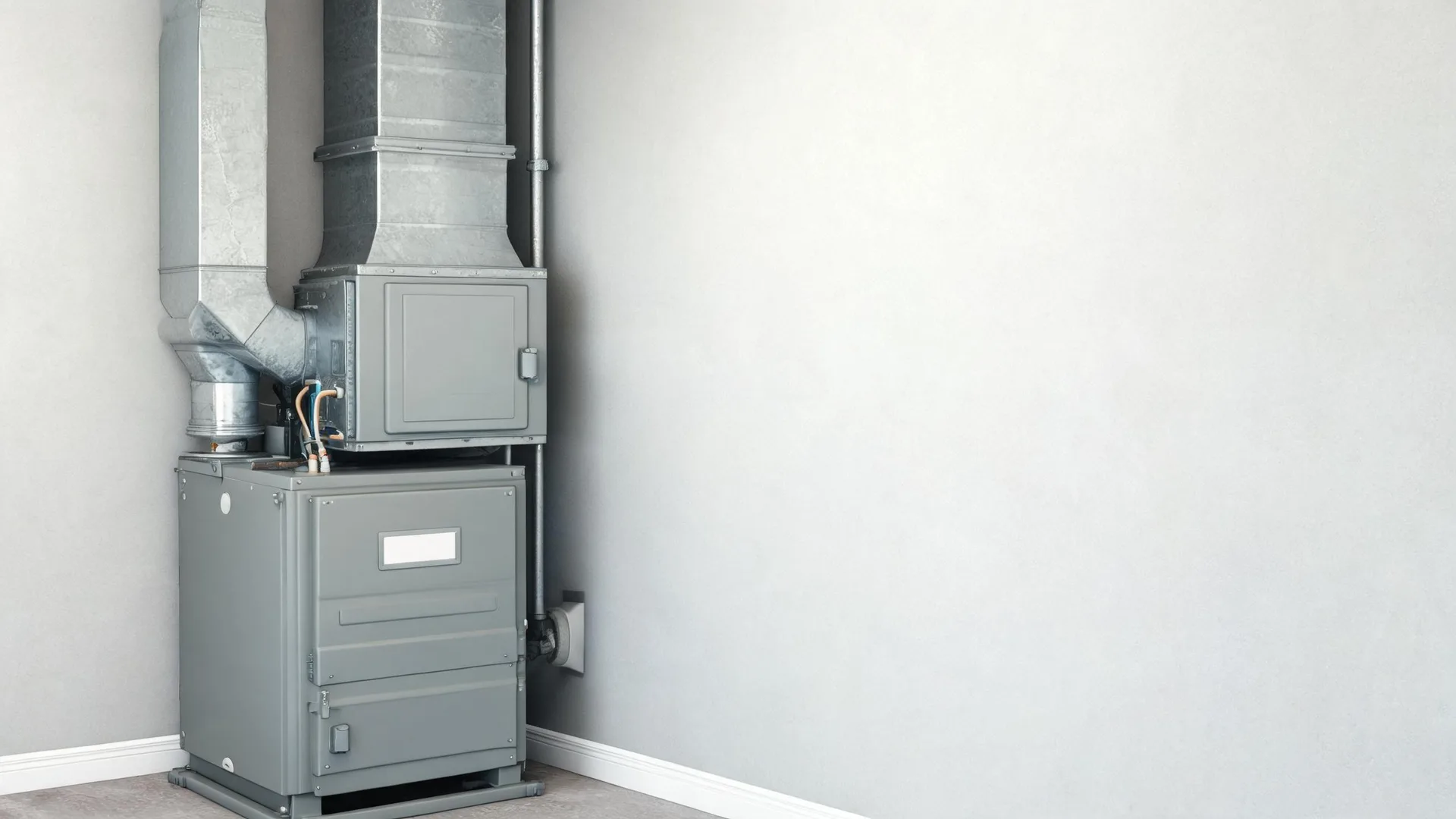
A gas furnace with sheet-metal ductwork and PVC pipes installed in an unfinished basement.

Furnace Installation in Othello, WA

Tell us about the job

Takes about a minute. No obligation.

New system or replacementFurnace or heatingAdams County, WA
Step 1 of 2

What ZIP code is the job in?

The rating measures fuel use, not heat output

A furnace's efficiency rating tells you how much of the fuel it burns turns into heat for the house, versus how much goes out the flue. A higher rated furnace pulls more heat out of the same amount of gas. It says nothing about how big a furnace you need, that comes from a separate calculation based on the house itself.


A higher rating changes the installation, not just the furnace

Furnaces with the highest ratings condense exhaust gas into water as part of how they work, which means they need a drain line run from the unit, and often different venting than an older furnace used. A contractor sizing the job has to plan for that drain and that vent, not just set a new furnace where the old one sat.

9 months
September through May, your furnace is on duty
25°F
the average winter night it heats against
80% AFUE
the federal minimum any new unit must meet
Isometric cutaway illustration of a small house showing a furnace unit connected to ductwork and a vertical flue pipe extending through the dark shingled roof, with sparse furniture in the rooms.
Your furnace works hardest from November through March.

NOAA nClimDiv, 1991–2020 normals

Furnaces in Adams County start running in September.

Replace it in August and the new furnace is already broken in when you need it.

Half the furnaces going in here replace one that's older than the house's last owner

Half the homes here were built by 1977
Heat runs September through May
Winter nights average 25°F
Most of Adams County heats with electricity72.2% of homes in Adams County heat with electricity, more than any other fuel.

Adams County sees its share of rough weather, winter storms most years and damaging wind on a regular basis. None of that changes what furnace goes into a house here. A standard size, matched to the house, with a standard efficiency rating, handles this county fine. Power outages are the bigger risk to plan around, since close to a quarter of Washington households lost power for a full day or more in 2024, and a furnace won't run without electricity for the blower and controls no matter how it's rated. That's a question about a backup power source, not about the furnace itself.

Replace it before the season

Replace it before the season starts, so it happens on your schedule, not in a hurry.

Find a contractor
A man seen from behind in a dark shirt and tan pants climbs concrete steps toward a navy blue front door, carrying a canvas tool tote in his right hand, with a large blue planter and shrub to the left.
A gray gas furnace with attached ductwork and piping installed in an unfinished concrete basement.

The box price and the install price are different numbers

What drives the cost of a furnace install is rarely the furnace itself. Running a new vent pipe, adding a drain line for a condensing furnace, or rerouting ductwork to fit a different cabinet size all take time on site that a price tag on a box doesn't show. The electrical hookup matters too, a furnace draws power for its blower and control board, and if the circuit or disconnect doesn't match what the new unit needs, that gets brought up to code as part of the job. Ductwork gets inspected for leaks and for whether it can actually move the air the new furnace is rated to push. None of this is optional or padding, it's what makes the furnace run the way it's supposed to once it's installed.

Size comes from the house, not the old furnace

A contractor works out the right size by looking at the walls, the windows, the ceiling height and how much air leaks out, room by room. Matching the new furnace to whatever was there before skips that step, and whoever installed the original one may have skipped it too.

Bigger isn't a safe bet

A furnace that's too big heats the house fast, then shuts off, then kicks on again a few minutes later. That short cycling wears on the ignition system and the blower long before either one should quit, and the house ends up with warm rooms and cold corners because the air never runs long enough to even out.

When you're comparing quotes, ask what stage or modulating actually means for the furnace you're looking at. A single-stage furnace runs at full output every time it fires, then shuts off. A furnace that modulates can run at a lower output and just hold the house steady, only climbing to full power on the coldest days. That changes how the air feels coming out of the vents, and it changes how often the burner cycles on and off. Ask too what happens to the existing ductwork and venting, not just what furnace is going in the cabinet. And ask how they arrived at the size they're quoting. If the answer is the size of the old furnace, that's not a sizing calculation, that's a guess wearing a number.

Installation starts with the old furnace coming out, and that's rarely a quick swap. The vent gets disconnected, the gas line capped off, the ductwork opened up at the plenum. If the new furnace condenses exhaust into water, a drain line gets run from the unit to somewhere it can empty, and the vent itself usually changes from metal pipe to plastic. The furnace gets set, leveled, connected to the gas line, the vent, the ductwork and the electrical circuit, then the gas gets turned on and the system fires for the first time. A tech checks the flame, checks for gas leaks, checks that the blower is moving the right amount of air, and walks the duct runs listening and feeling for leaks at the joints. The thermostat gets wired in and tested through a full cycle before anyone calls it done.