No special sizing for this area
A furnace for a Pullman home gets sized the same way it would anywhere else, based on the house itself, not the county. Nothing about winters here calls for oversizing or a specialty unit.
Takes about a minute. No obligation.
A furnace for a Pullman home gets sized the same way it would anywhere else, based on the house itself, not the county. Nothing about winters here calls for oversizing or a specialty unit.
Winter storms have hit Whitman County 58 times between 2015 and 2024, and almost a quarter of Washington households lost power for a full day or more in 2024. A standard furnace won't run without electricity, so that's worth asking the installer about, not the furnace's size or efficiency rating.
NOAA nClimDiv, 1991–2020 normals
Furnaces in Whitman County run from September through May, about nine months straight.
A new system here puts in more hours than most furnaces ever will, so what's inside it matters more than the brand name on the front.



Pullman sits in zone 5B, a cool zone where heating does more work than cooling over the year. Any furnace going into a home here has to meet 80.0 percent AFUE, the federal minimum for a non-weatherized gas furnace. That floor is set to rise to 95.0 percent for units built from December 2028 on, so a furnace installed before then can still meet the lower minimum, but it won't have to if you choose one rated higher. A federal tax credit is available for qualifying high-efficiency systems, separate from whatever the unit costs to buy.
Electricity heats 56.9 percent of homes in Whitman County, more than gas, propane and oil combined. Gas is still common at 35 percent, but electric is what most homes here are already set up for. Replacing what's already there is the simplest path, and the installer can confirm which one is in your home now.
Find a contractorFurnaces here run September through May, about nine months straight. August is the last quiet month before that stretch starts. Get the new system in then, and it's running and checked out before the first cold night asks anything of it. Wait and you're replacing a furnace that already quit, on whatever schedule a contractor has open that week.
The right size is worked out with a load calculation that looks at square footage, ceiling height, window area, insulation levels, and how much air leaks in and out. It's not a matter of matching whatever furnace is already in there. A contractor measuring the house might land on a different size than what's currently installed, especially if insulation or windows were upgraded since that furnace went in.
A furnace sized too large heats the house fast, shuts off, and starts again a short while later instead of running a long steady cycle. That short cycling wears on the ignition system and the blower motor, and it leaves rooms farther from the furnace never quite catching up before the burner shuts off again. Bigger isn't a safety margin, it's a different set of problems than running too small.
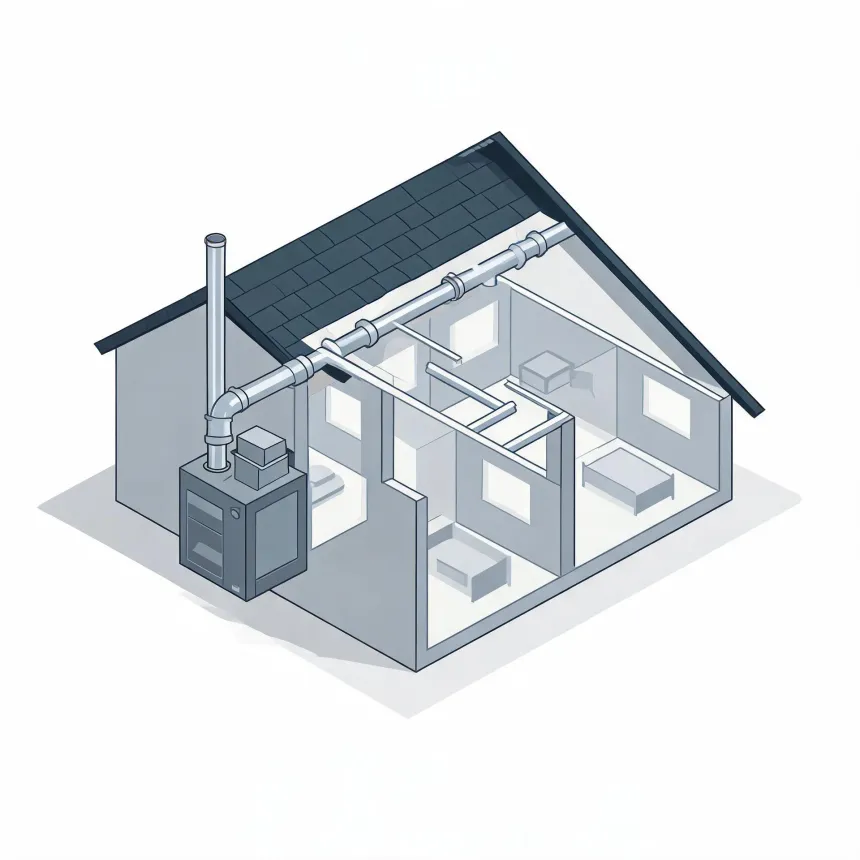
A few things push the price of a furnace installation beyond the unit itself. The ductwork matters as much as the furnace does. If the existing ducts are the wrong size for the new furnace's airflow, or leak at the joints, a straight swap won't perform right, and resizing or sealing them adds to the job. The venting matters too. A higher efficiency furnace pulls combustion gas out through plastic pipe rather than a metal flue, and if the home doesn't already have that pipe run, it has to go in new. Moving the furnace to a different spot in the house, or changing from one fuel type to another, means new gas line, new electrical, or both. None of that shows up on the sticker price of the furnace, but all of it shows up on the invoice.
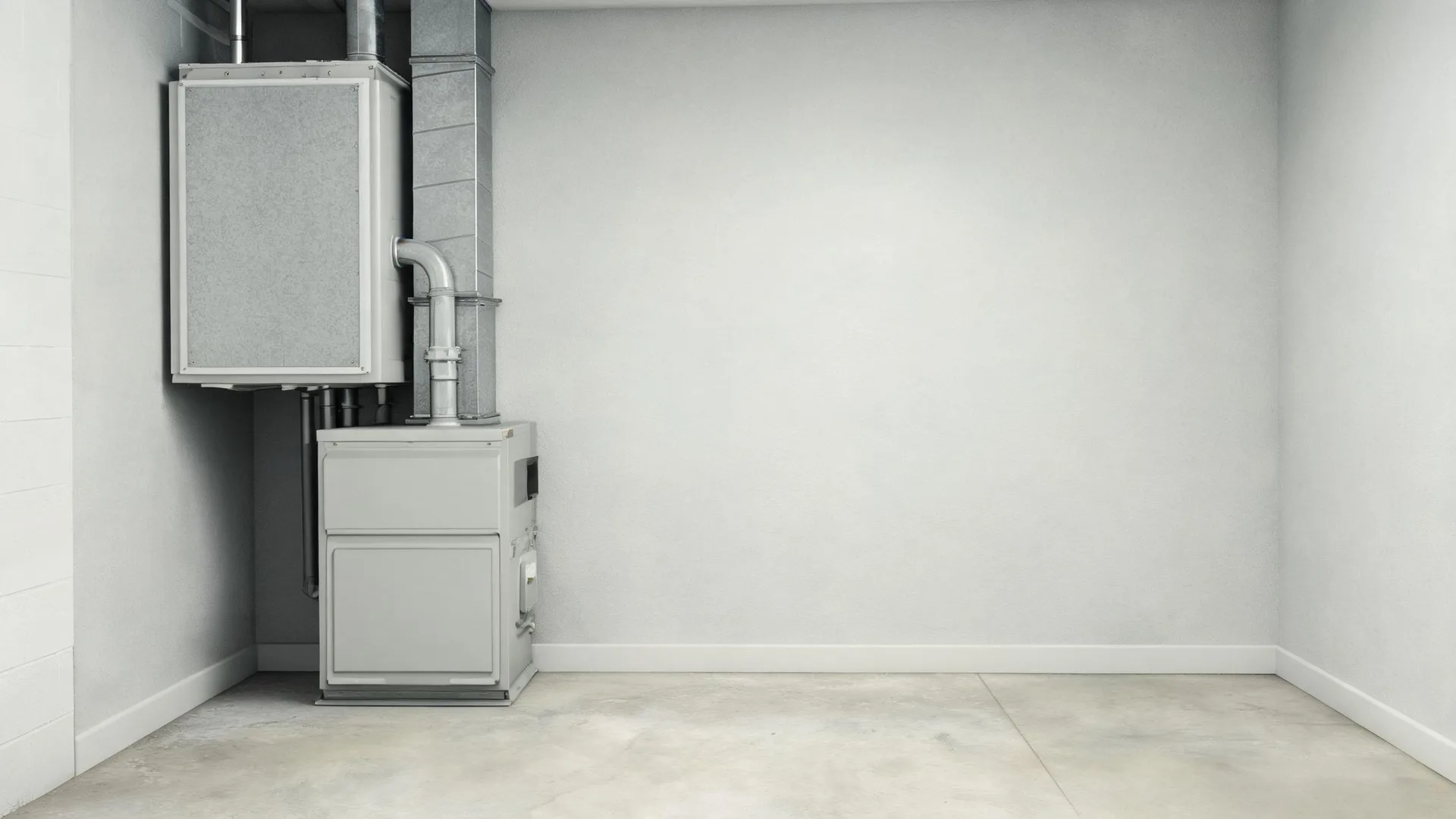
Installation day starts with the old furnace coming out, not the new one going in. The contractor shuts off gas and power first, then disconnects the ductwork, the vent pipe, and the gas line before anything gets carried out the door. With the space clear, they check the opening, the duct connections, and the vent path against what the new furnace needs, since those don't always match the old unit exactly. Setting the new furnace in place, connecting the ducts, running the vent pipe, and making the gas and electrical hookups takes most of the day. Once it's hooked up, the contractor runs it through a full cycle, checking the flame, the airflow, and the exhaust before calling it done. A furnace shouldn't be judged on whether it turns on. It should be judged on whether it was checked while it was running.