




An unfinished basement featuring exposed ceiling joists, a metal HVAC unit with round ductwork, a hanging light bulb, and scattered boxes and debris along the left wall.

Furnace Installation in Raymond, WA

Tell us about the job

Takes about a minute. No obligation.

New system or replacementFurnace or heatingPacific County, WA
Step 1 of 2

What ZIP code is the job in?

Electricity in Washington ran $34.87 per million Btu in 2024. That number matters if you're heating with an electric furnace, because every degree you ask it for comes out of that rate. A furnace that wastes less power pays for the difference over time, especially if this one is running most months of the year. Ask what AFUE rating the new unit carries before you decide. A few points higher on that rating is a few points less on every bill that follows.

10 months
September through June, your furnace is on duty
35°F
the average winter night it heats against
80% AFUE
the federal minimum any new unit must meet
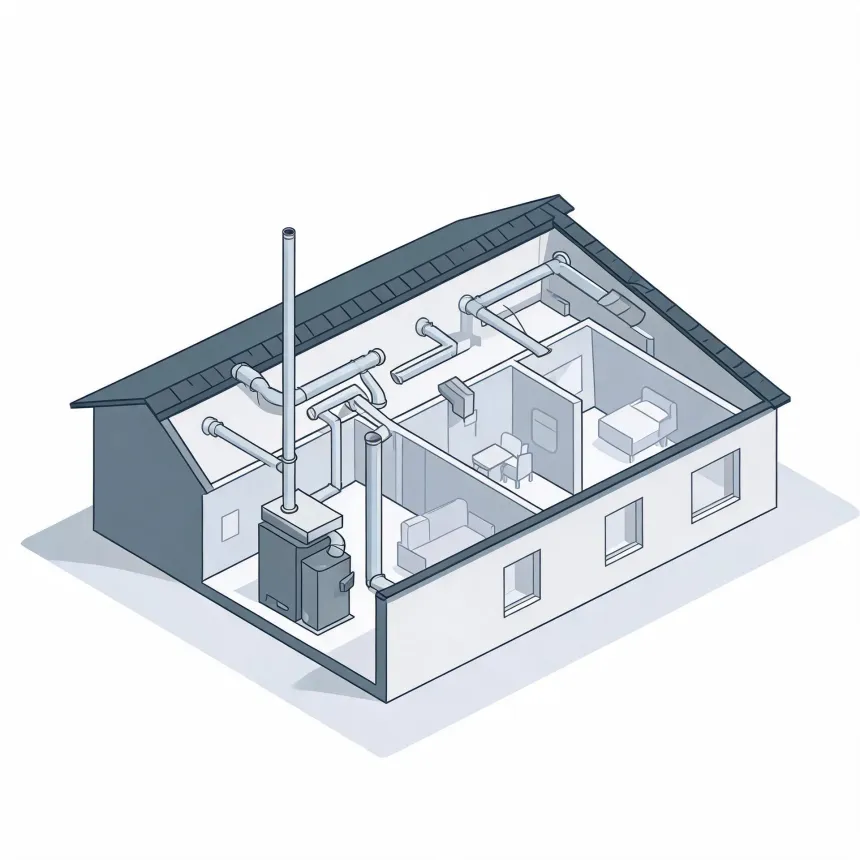
Isometric line illustration of a single-story house cutaway showing interior rooms with furniture, ductwork or piping running along the ceiling, and a boxy furnace unit with a tall vertical flue pipe.
Your furnace works hardest from October through April.

NOAA nClimDiv, 1991–2020 normals

Half the homes in Pacific County were built in 1979 or earlier, half in 1979 or later.

A standard furnace size fits either one. Nothing about this county calls for going bigger.

Ten months of heat means an August swap, not a midwinter scramble

Heat runs September through June
Winter nights average 35°F
Climate zone 4C

Most homes in Pacific County heat with electricity, 78 percent of them. Only 7 percent run on bottled or LP gas. If your house came with an electric furnace, replacing it with the same keeps the hookup simple, since the wiring and ductwork are already built around it. Switching fuels means new gas lines or new venting, work most homeowners here don't need to take on. Staying electric also means you're not the only one on this setup. Parts and contractors who know these systems are easy to find in this county, because that's what most of the county already runs.

A standard furnace is the right call here

A furnace sized for this house will keep up fine, ten months a year or not. Nothing about Pacific County calls for a bigger unit or a specialty system, just one that matches the home it's going into. Get the sizing and the installation right, and it will carry the winters here the same as anywhere else.

Find a contractor
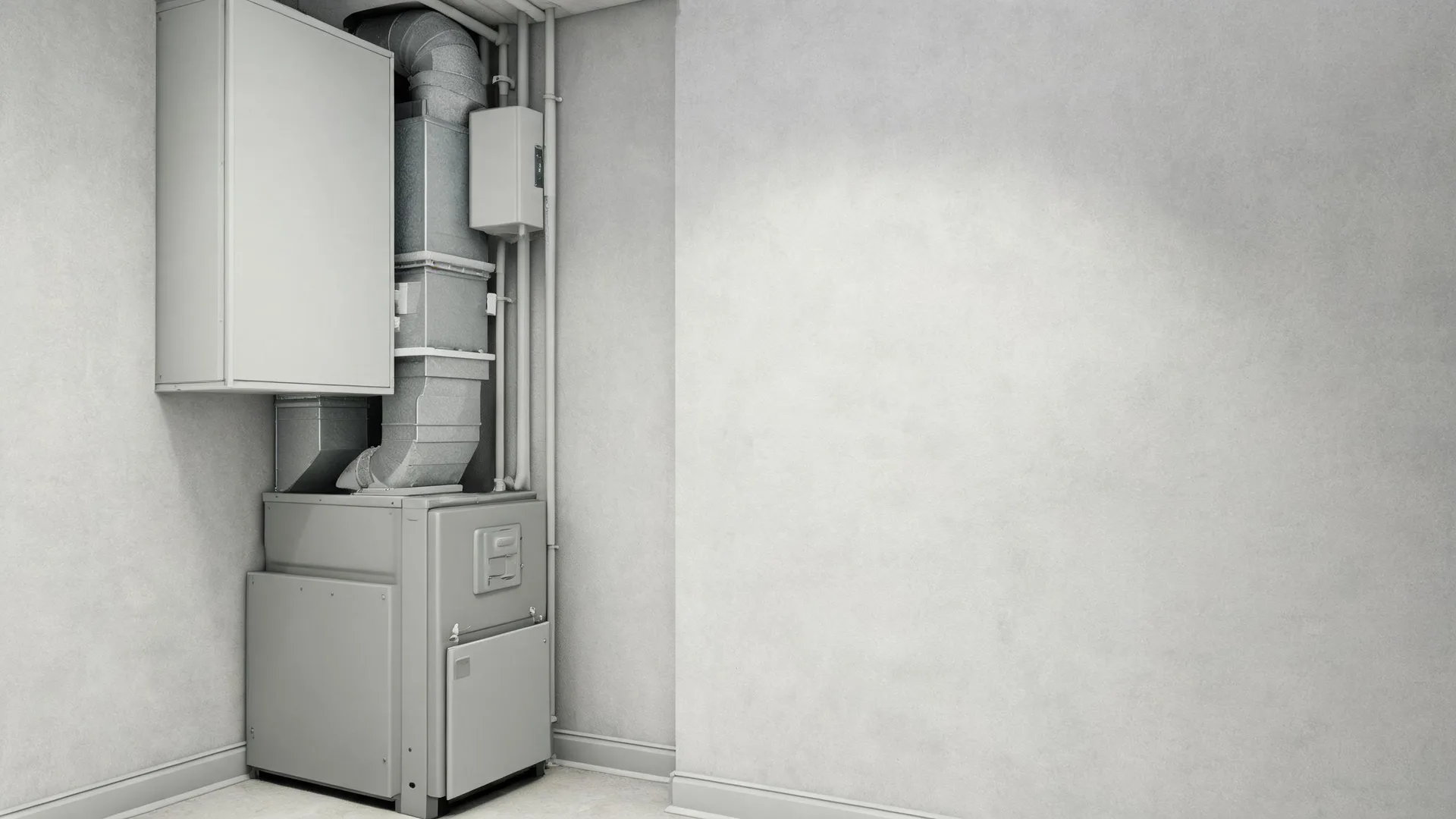
A gray high-efficiency gas furnace installed in an unfinished basement, surrounded by gas lines, a condensate drain, and sheet-metal ductwork.

The cost is mostly the fitting, not the furnace

Labor accounts for a real share of what an installation costs, and most of that time goes into things you never see once the furnace is running. Matching the vent to the new unit, reworking a duct transition that doesn't line up, securing gas or electrical connections that weren't built for this model. A straightforward swap where the old and new units match up well takes less time than one where the installer has to rebuild connections to make everything fit. Equipment cost moves with AFUE rating and with features like a variable-speed blower, since those parts cost more to build and more to install correctly. Ductwork condition plays into it too. An installer who finds a crushed or undersized duct run has to decide whether to fix it now or leave a new furnace fighting the same airflow problem the old one had. None of this is padding. It's the difference between a furnace that's installed and one that's installed right.

Sizing comes from a load calculation, not the old furnace's label

A contractor works out the right size by measuring the house. Square footage, window area, insulation, ceiling height, how many exterior walls each room has. The furnace coming out may never have been sized right in the first place. Matching the new one to that number just repeats whatever mistake was already there.
Oversized wastes more than it helps

A furnace that's too big heats the house fast, then shuts off, then fires again a few minutes later. That short cycling puts the heat exchanger and igniter through more start and stop cycles than they're built for. It also means the blower never runs long enough to even out the temperature room to room, so parts of the house stay cold while others overheat.

AFUE is the one number on the label that tells you anything about how the furnace burns fuel. It's the share that turns into heat for the house, the rest goes out the flue. A higher rating means less fuel wasted every time the burner fires, and a furnace fires a lot of times over a season. That gap doesn't show up on day one. It shows up over years of the thing running, since it burns fuel the same way every cycle whether it's efficient or not. The rating also assumes the unit got installed right. A furnace with a strong AFUE number still runs poorly if the ductwork chokes its airflow or the sizing is wrong for the house it's heating.

Installation day starts with the old furnace coming out. That's when the installer finds out if the venting, the gas or electrical connections, and the duct trunk actually match what the new unit needs, because none of that is guaranteed just because the old furnace fit there. Setting the new furnace level and secure matters too. A unit that sits wrong can affect drainage or put strain on the duct connections over time. After it's in, the installer checks gas pressure or electrical draw, confirms the blower is moving the right amount of air, and checks the temperature rise across the furnace against what the manufacturer specifies for that model. A furnace that passes those checks on day one is set up to run the way it's supposed to for years, not just switched on and left alone.