An unfinished basement containing a metal furnace with ductwork, exposed wooden joists on the ceiling, cardboard boxes, a coiled cable, and a single hanging incandescent bulb.

Furnace Installation in Seattle, WA

Tell us about the job

Takes about a minute. No obligation.

New system or replacementFurnace or heatingKing County, WA
Step 1 of 2

What ZIP code is the job in?

Ask what size they calculated, not just quoted

A furnace that's too big for the house cycles on and off instead of running steady, and that short cycling wears out the heat exchanger faster and leaves rooms uneven. Any contractor worth hiring should run a load calculation on the house itself, not just match the size of the unit being replaced.

Ask how the vent and gas line get handled

Swapping a furnace often means resizing the vent pipe or checking the gas line can feed the new unit's burner properly, especially if the new furnace is a different efficiency type than the old one. A contractor who glosses over this and talks only about the furnace itself hasn't told you the whole job.

10 months
September through June, your furnace is on duty
32°F
the average winter night it heats against
80% AFUE
the federal minimum any new unit must meet
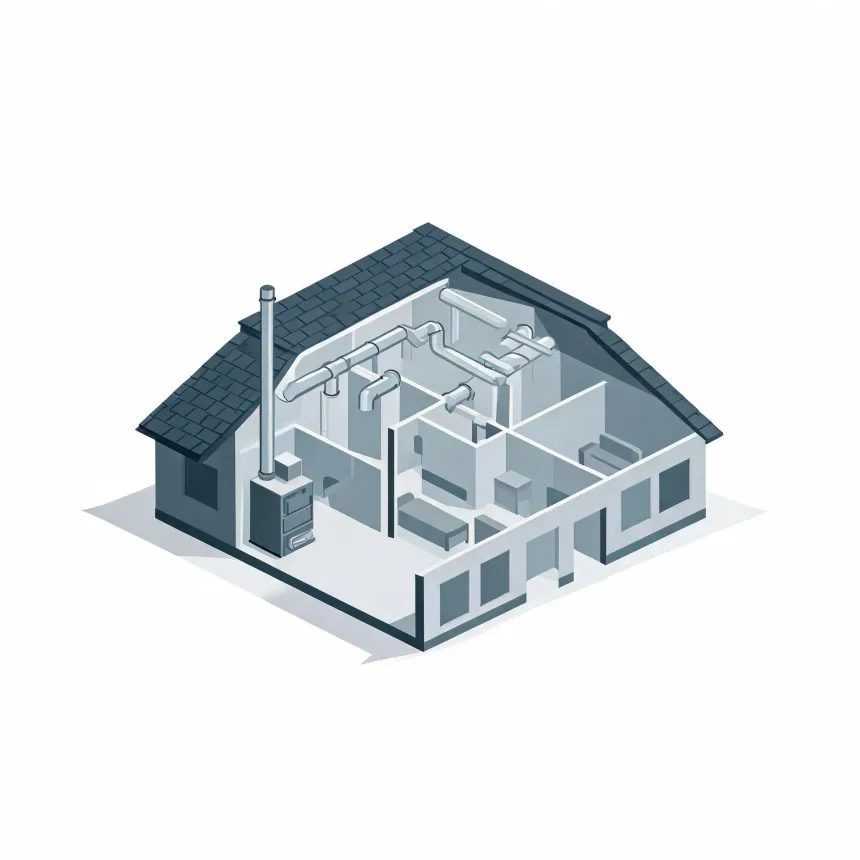
Isometric grayscale illustration of a cutaway house showing interior rooms, ceiling ductwork, a flue pipe, and a furnace unit on the left side.
Your furnace works hardest from October through April.

NOAA nClimDiv, 1991–2020 normals

Furnaces in King County run from September through June.

Get the new one in during August, while there's no rush and no cold house waiting on it.

A furnace sized for this house, nothing more, runs here from September through June

Heat runs September through June
Winter nights average 32°F
Climate zone 4C
Most homes here already heat with electricity54.5% of King County homes heat with electricity, and 39.9% heat with gas.

King County sits in climate zone 4C, which asks real work of both the furnace and the AC over a year. Any furnace installed here has to clear 80.0 percent AFUE, the federal minimum for non-weatherized gas furnaces. That floor rises to 95.0 percent for furnaces built after December 2028, so a system going in now only has to meet the lower number. If a federal tax credit applies to the install, ask the contractor what efficiency it requires, since that number can sit above the minimum the furnace itself has to meet.

Power here costs more, so efficiency is what pays you back

Electricity in Washington runs $34.87 per million Btu, higher than most states pay. A furnace running most of the year puts that rate to work every day it's on. The efficiency rating picked now is what the bill looks like for as long as the furnace lasts.

Find a contractor
A man in a cap, gray shirt and brown work pants, seen from behind, carries a canvas tool bag up steps toward a dark navy front door beside a potted shrub.
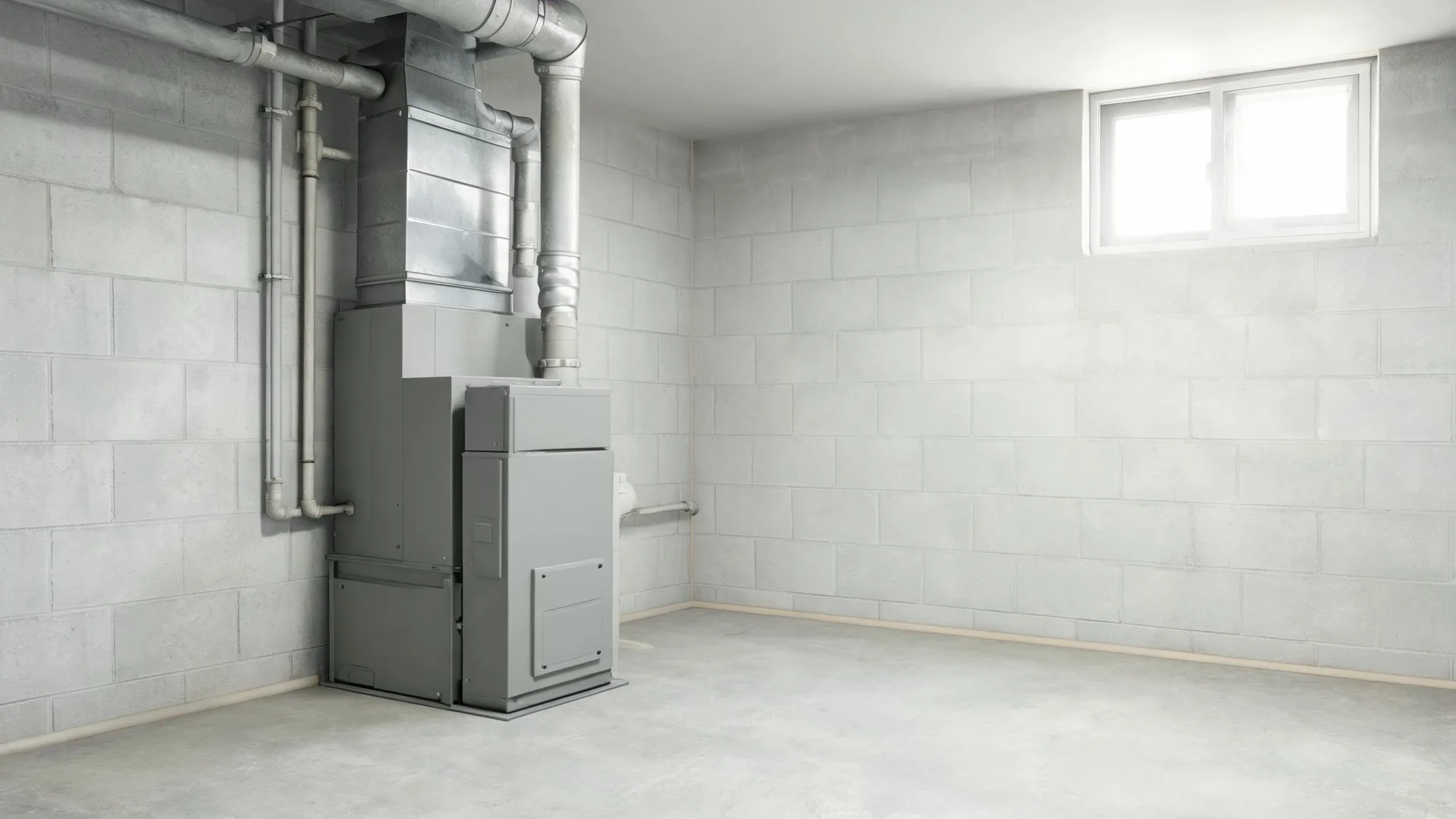
A gray high-efficiency gas furnace installed in an unfinished basement, surrounded by gas lines, a condensate drain, and sheet-metal ductwork.

The size on the nameplate has to match the house, not the habit of guessing

Load calculations look at floor area, window count, insulation and ceiling height room by room, then add it up to a number in Btu. That number is what the furnace has to match. Go bigger thinking it covers you and the furnace short cycles, heating the room the thermostat sits in and shutting off before the far rooms catch up. The heat exchanger takes the brunt of that, warming and cooling faster than it's built for, cycle after cycle. Go too small and the furnace runs constantly chasing a setpoint it can't hold on the coldest days. Right sized, it runs long steady cycles and wears the way it's supposed to.

The furnace is one line on the quote

Ductwork gets touched on almost every swap. A duct sized for an old furnace's airflow may be too small or too large for the new one, and a contractor who checks this before quoting is pricing the actual job. One who doesn't is pricing a guess.

Efficiency type changes what else has to move

A high efficiency furnace vents through PVC pipe out a sidewall instead of up a chimney flue, and it drains condensate that has to go somewhere. Moving from one type to the other means new venting and a condensate line, not just a new furnace sitting where the old one sat.

Taking out the old furnace is its own step, not a footnote. A gas furnace gets disconnected from the gas line and the vent, and that line gets capped off properly, not just left loose. If the old one vented through a chimney flue and the new one vents through sidewall PVC, that flue often needs to be addressed too, since it may have been sized to carry away the furnace exhaust and nothing else. The old thermostat usually comes out as well if it's not compatible with the new system. None of this is hard, but it's work, and it's worth knowing it's part of the job before the install starts, not an extra charge that shows up after.

Install day starts with the power off and the gas shut at the valve before anything gets disconnected. The old furnace comes out, sometimes through a door frame or a window if it sits in a tight spot, and the ductwork gets opened up where it joins the plenum. Setting the new furnace in place is the fast part. Most of the day goes to hooking up the gas line, the venting, the ductwork, the electrical, and the condensate line if it drains one. Once it's connected, a contractor checks the gas pressure at the manifold and confirms the vent is drawing properly before running the furnace through a full cycle. A combustion analyzer reading at the end shows the burner is tuned right, not just that it turns on.