Winter storms hit this county often
Spokane County saw 527 winter storm events between 2015 and 2024. A furnace here is going in where snow load and wind are a regular part of the forecast, not the exception.
Takes about a minute. No obligation.
Spokane County saw 527 winter storm events between 2015 and 2024. A furnace here is going in where snow load and wind are a regular part of the forecast, not the exception.
Nearly a quarter of Washington households went at least 24 hours without power in 2024. A furnace with no backup power plan means no heat during the exact storm that knocked the power out, so it's worth asking your contractor what options exist to keep heat running when the grid goes down.
NOAA nClimDiv, 1991–2020 normals
Furnaces here start running in September.
Get a new one in before August ends, and the install happens on a mild day instead of a cold one.

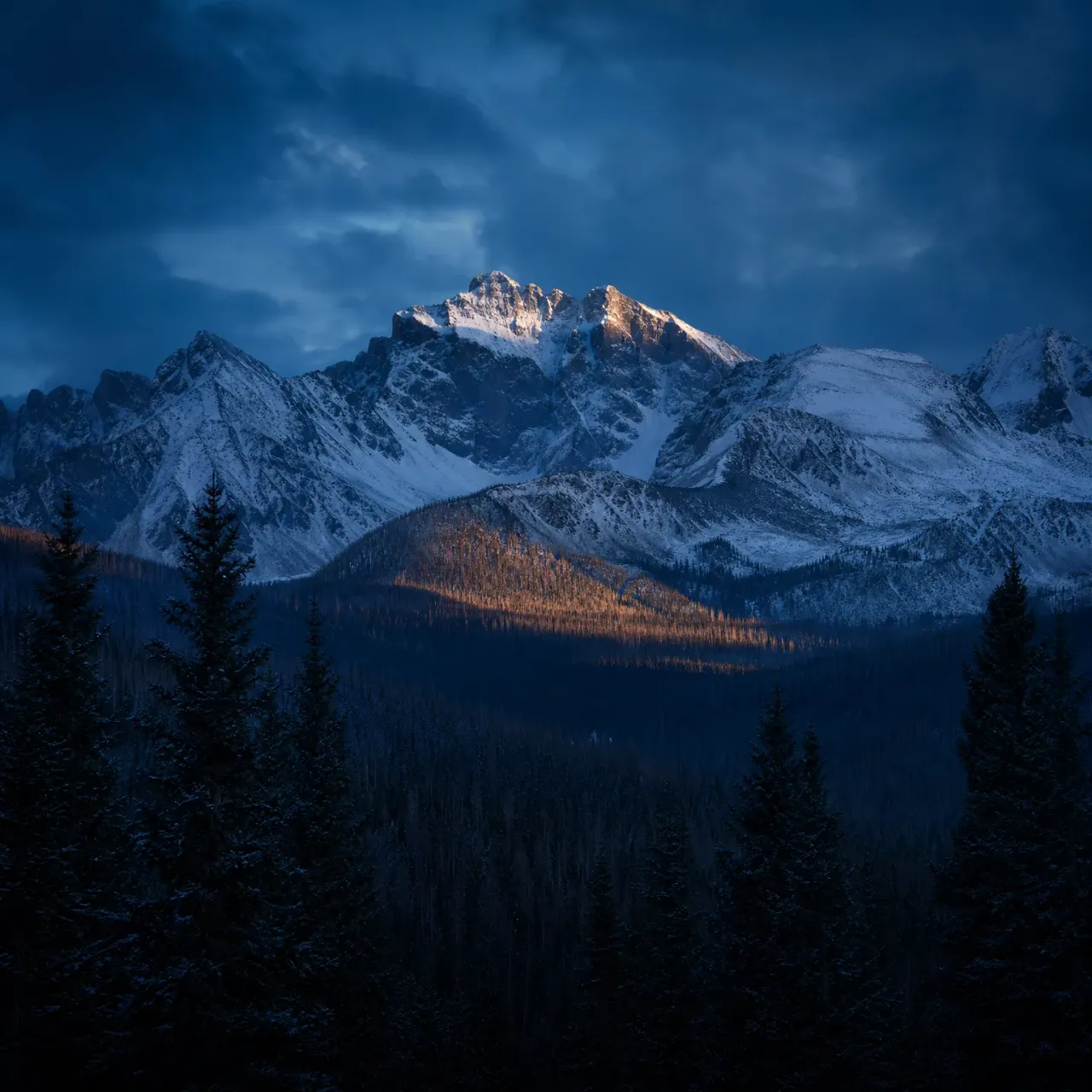
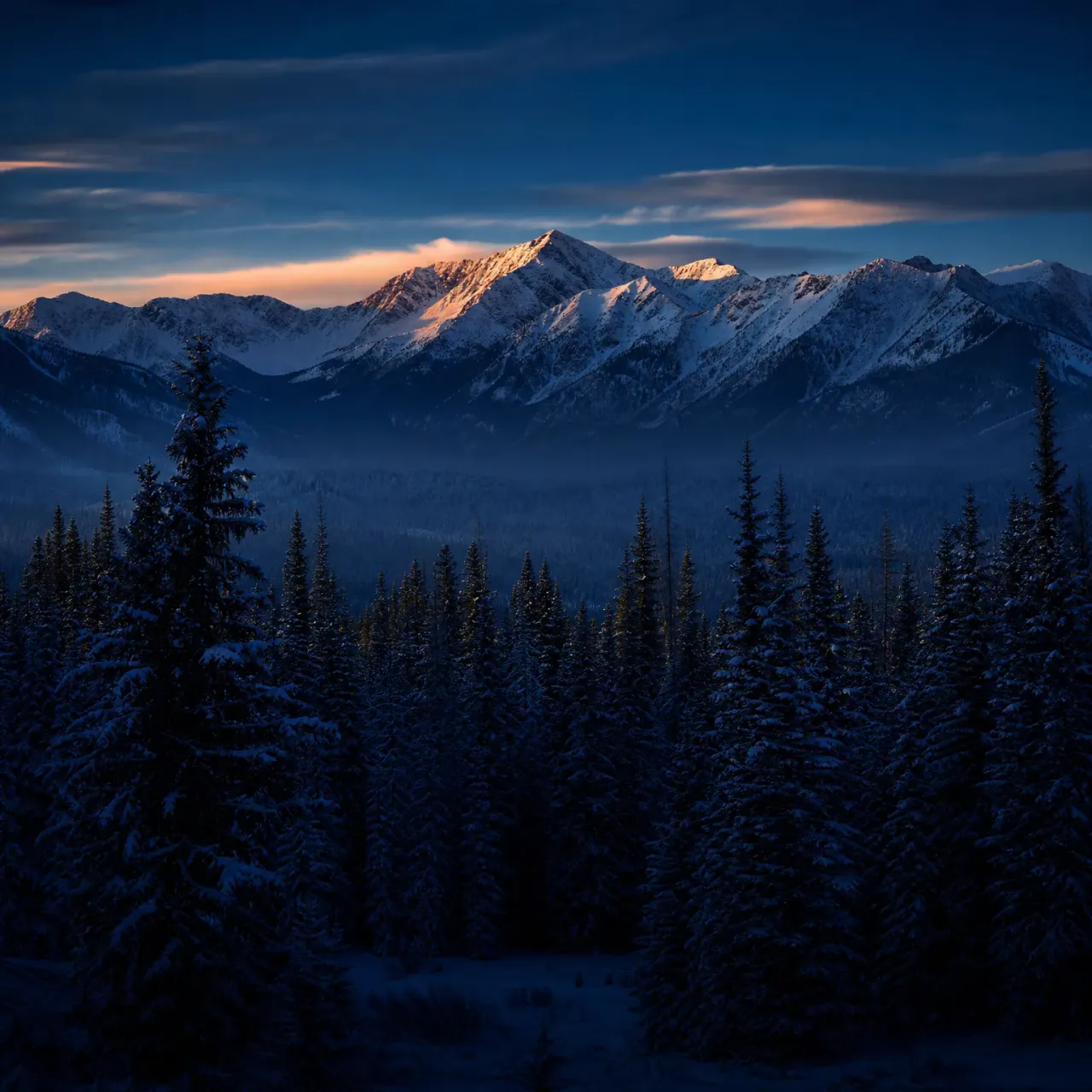
Furnaces here run from September through June, close to ten months of the year. Overnight lows average 24°F across December, January and February, so for a good stretch of that run, the furnace is working against real cold, not just mild chill. That's ten months of cycling on and off, year after year, on top of the cold snaps winter storms bring with them. A furnace built for this has to be sized to the house it's going into, not guessed at. Get the size wrong and it either runs constantly trying to keep up or short-cycles and wears out early. The lowest bid is only worth taking if the sizing behind it is right.
Gas heats about half the homes in Spokane County, more than any other fuel. If your home is already set up for it, a gas furnace is the straightforward replacement, and the contractor installing it will know the fuel line and venting a gas system here needs.
Find a contractor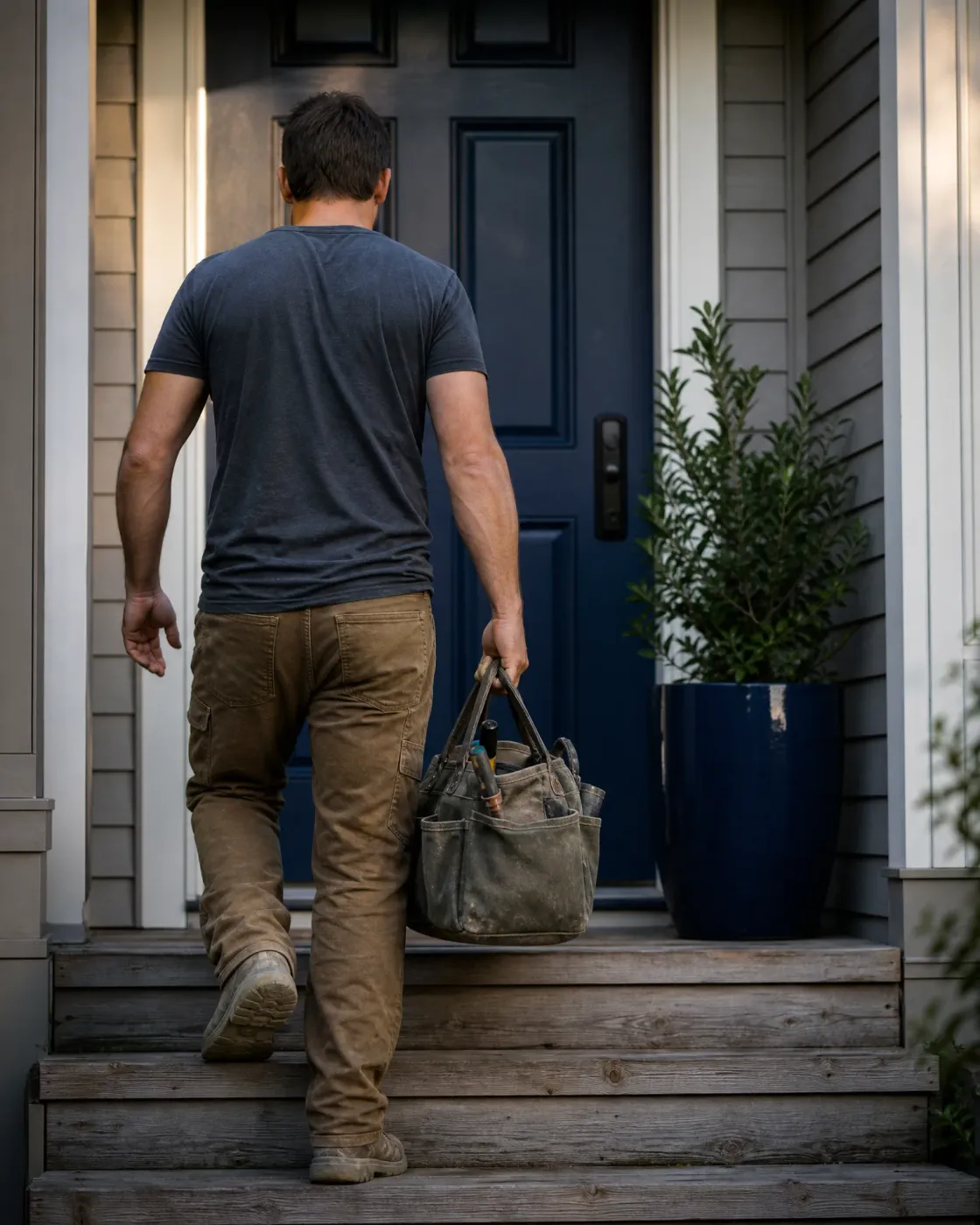
Get the sizing right at installation, and this is the one part of the job you don't revisit for the next ten heating seasons. Ask the contractor for the load calculation, not just a quote. A furnace too big for the house will short cycle, kicking on and off instead of running a steady stretch, and that's harder on the igniter and the blower than a long, even run through a 24°F night.
A contractor should measure your house, the windows, the insulation, the layout, and run a load calculation before naming a size. If the number comes from the size of the furnace you already have, that's not a calculation, that's a guess repeating whatever mistake was made last time. Ask to see the worksheet, not just hear the result.
A new furnace moving air through old, undersized, or leaky ducts won't perform the way the rating on the box suggests. Ask whether the ducts were inspected, and if the contractor is only swapping the furnace and leaving the duct question alone, ask why.
Estimates for a typical Spokane County home, from EIA household energy data, Washington fuel prices and NOAA climate normals. Your home will differ.
Installation day starts before anyone touches the old furnace. The contractor shuts off gas and power, then disconnects the vent pipe, the gas line, and the ductwork from the cabinet. The old unit comes out, sometimes in one piece, sometimes cut down if it was built into a tight space. Once it's out, you'll see the plenum and the flue for what they are, and that's when any duct or venting problems get caught, not after the new furnace is already sealed up. Setting the new unit means leveling it, connecting gas and venting to code, then wiring it to the thermostat and running power to the blower. Before anyone leaves, the furnace gets fired up and checked. The flame sensor reading has to be right, the temperature rise has to fall in range, and the static pressure on the ducts has to hold where it should. That startup check is what separates a furnace that's installed from one that's just sitting there connected.