






An unfinished concrete basement containing a gas furnace with sheet-metal ductwork, utility shelving, and exposed overhead joists.

Furnace Installation in Tacoma, WA

Tell us about the job

Takes about a minute. No obligation.

New system or replacementFurnace or heatingPierce County, WA
Step 1 of 2

What ZIP code is the job in?

Electricity in Washington ran $34.87 per million Btu in 2024. A furnace that wastes some of that energy turns into a bigger number on your power bill every month it runs. The difference between an efficient furnace and an older, worn one shows up there first, before anything breaks. Tacoma winters mean this system runs for months at a stretch, so a gap in efficiency gets multiplied by every one of those months. Picking the right unit now is what keeps that monthly cost down later.

10 months
September through June, your furnace is on duty
31°F
the average winter night it heats against
80% AFUE
the federal minimum any new unit must meet
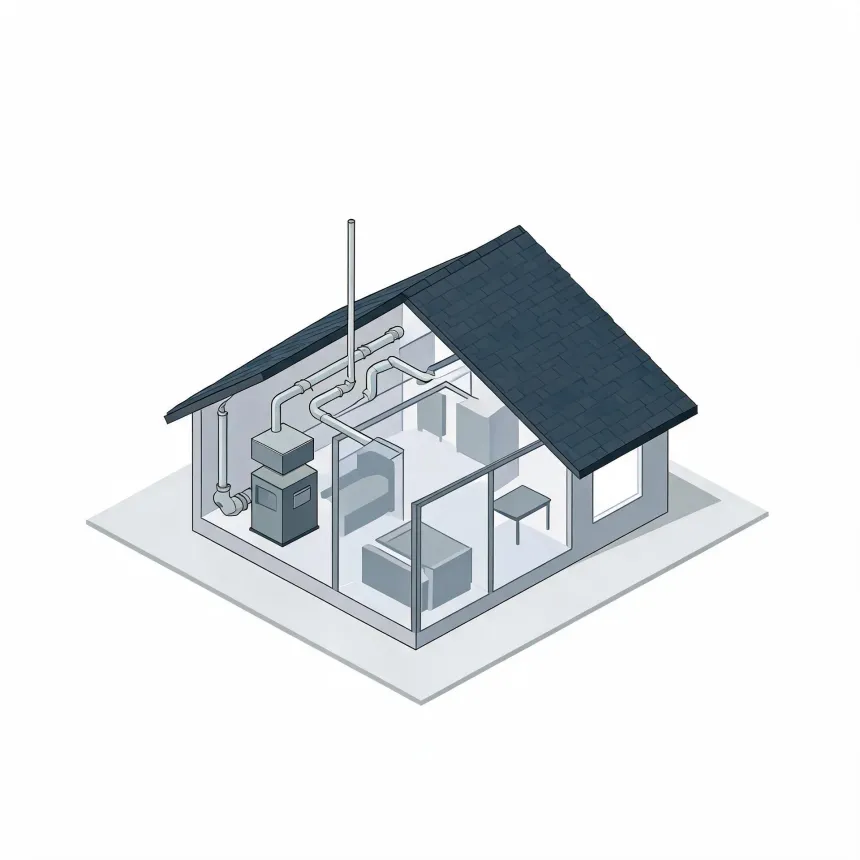
Isometric cutaway illustration of a small house with a dark shingled roof, showing an interior furnace unit, ductwork, and a flue pipe extending through the roof.
Your furnace works hardest from October through April.

NOAA nClimDiv, 1991–2020 normals

Furnaces in Pierce County run from September through June.

Get a new one in before August ends, and it's a planned job, not an emergency one.

Most homes here already heat with electric, so a furnace that matches what's in the walls is the straightforward choice

59.9% of homes heat with electricity
Heat runs September through June
Winter nights average 31°F
Heat that runs ten months a yearOvernight lows average 31°F through December, January and February.

What you pay for an installation comes down to more than the furnace sitting in the box. Labor is the first piece, and a straight swap where the new unit matches the old one in size and venting takes less of it than a job where the ductwork needs rework or the vent has to be rerun. The furnace itself varies by stage, a single stage unit costs less than a modulating one built to hold steadier heat. Ductwork is where estimates can swing the most. If the existing ducts don't match what the new furnace pushes, modifying or extending them adds real time and material. The thermostat matters too, a furnace paired with a smart or zoned control costs more to set up than one running off a simple switch. And whatever work's done, the part that matters most for your money afterward is the one covered by warranty. A heat exchanger warranty that's registered properly can save you a full replacement down the line, while a missed registration can void that coverage without you knowing until the day you need it.

The furnace you pick decides your winter bill

You're comparing furnaces anyway. Put the efficient one on the list and let it run the numbers against the cheaper one. This one runs for months at a stretch on power that costs more here than most places, and that gap shows up on every bill it sends through a Tacoma winter.

Find a contractor
A man in a cap, dark T-shirt and brown work pants walks up porch steps toward a navy front door, carrying a canvas tool bag.
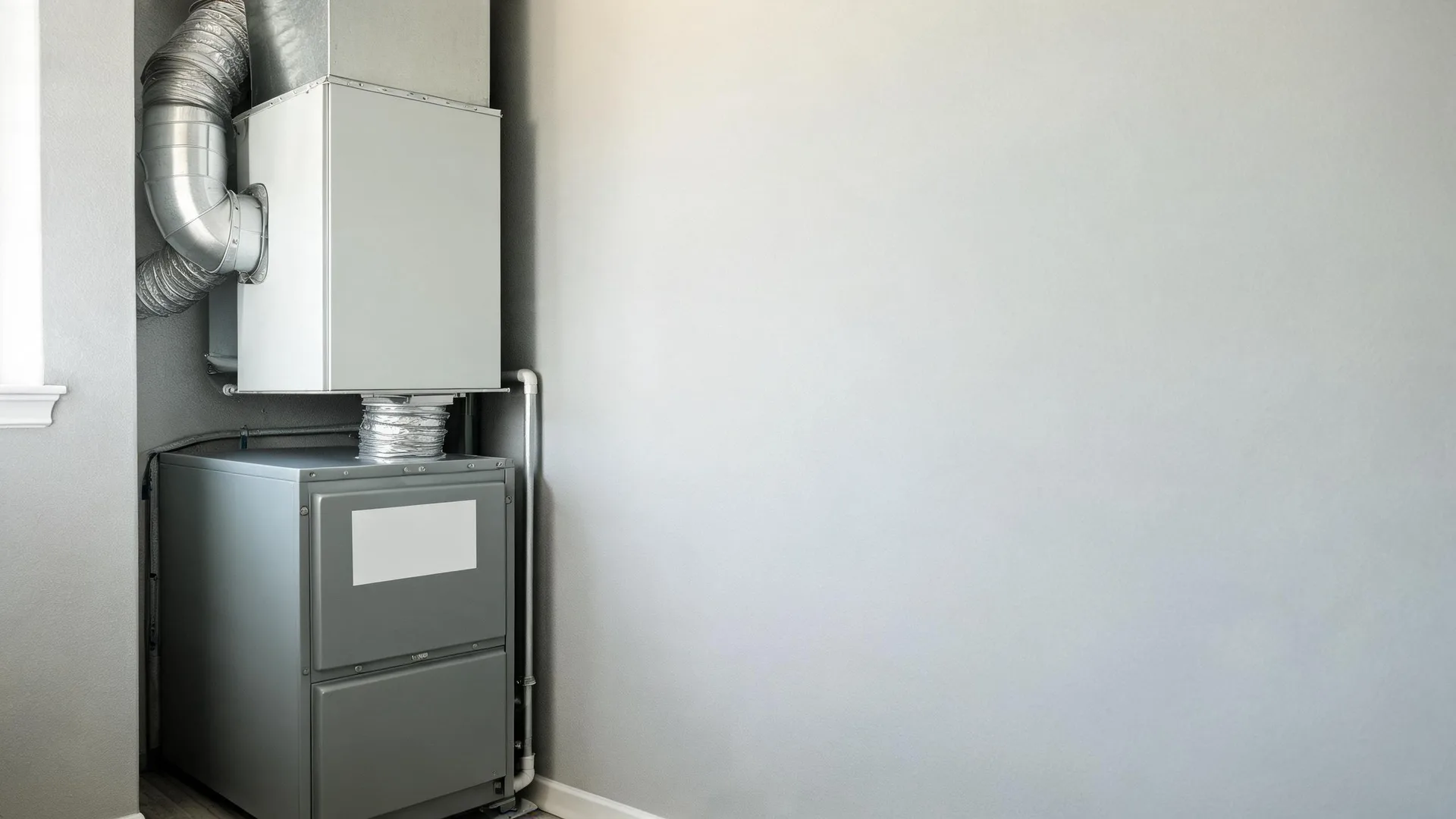
A gray gas furnace with attached ductwork and piping installed in an unfinished concrete basement.

Ask how it was sized, not just what it costs

Ask how the installer sized the unit. A furnace that's too big for the house short cycles, kicking on and off instead of running a long steady stretch, and that hard starting wears the ignition system faster than steady use would. Too small, and it runs flat out all winter trying to keep up, which wears it a different way. The answer should be about the house, the ductwork, the windows, not just the size of the furnace being replaced. Ask about the heat exchanger too. That's the part that decides how long the unit lasts once it's in, and warranty coverage on it is worth checking separately from the rest of the unit. A furnace that gives you years without trouble is one that was sized to the house, not picked off a list by price or efficiency rating alone.

The old furnace comes out before the new one goes in

A furnace installation isn't just setting a new unit next to the old one. The old furnace gets disconnected from the gas line, the vent, the ductwork and the electrical, then it comes out of the house entirely before the new one can go in its place.
The vent and gas line get checked, not just reused

An old furnace venting through a chimney or a metal flue often needs that vent reworked, since a higher efficiency furnace vents differently than an old one does. The gas line gets checked for the right size too. Reusing what's there without checking it is how a new furnace ends up paired with a vent or line that was never right for it.

Sizing a furnace starts with a load calculation, not a tape measure on the old unit. A contractor works out how much heat the house actually loses through its walls, windows and roof, then matches the furnace output to that number. Square footage alone leaves out too much. A house with old single pane windows loses heat differently than one with newer double pane, and ceiling height changes the math too. Skip that calculation and you're just guessing at a number that has to be right for the next couple decades. The furnace has to match the ductwork as well. A unit pushing more air than the ducts were built for creates noise and pressure problems that show up near the vents long before the furnace itself fails.

Installation day starts with the old furnace still running. It gets shut down, disconnected, and carried out before anything new comes in, so there's a stretch where the house has no furnace at all while the new one gets set in place and connected to the gas line, the vent and the ductwork. Once it's in, it doesn't just get switched on. A tech checks gas pressure at the manifold, confirms the vent is drafting the way it should, and runs the blower to see that air moves through the ducts the way the new unit expects. Airflow gets checked room by room where that's possible, since a duct system built for the old furnace doesn't always suit the new one without some adjustment. The last step is combustion testing, reading what's actually coming out of the flue to confirm the furnace is burning clean. A furnace that passes all of that on day one is one that was installed right, not just installed.