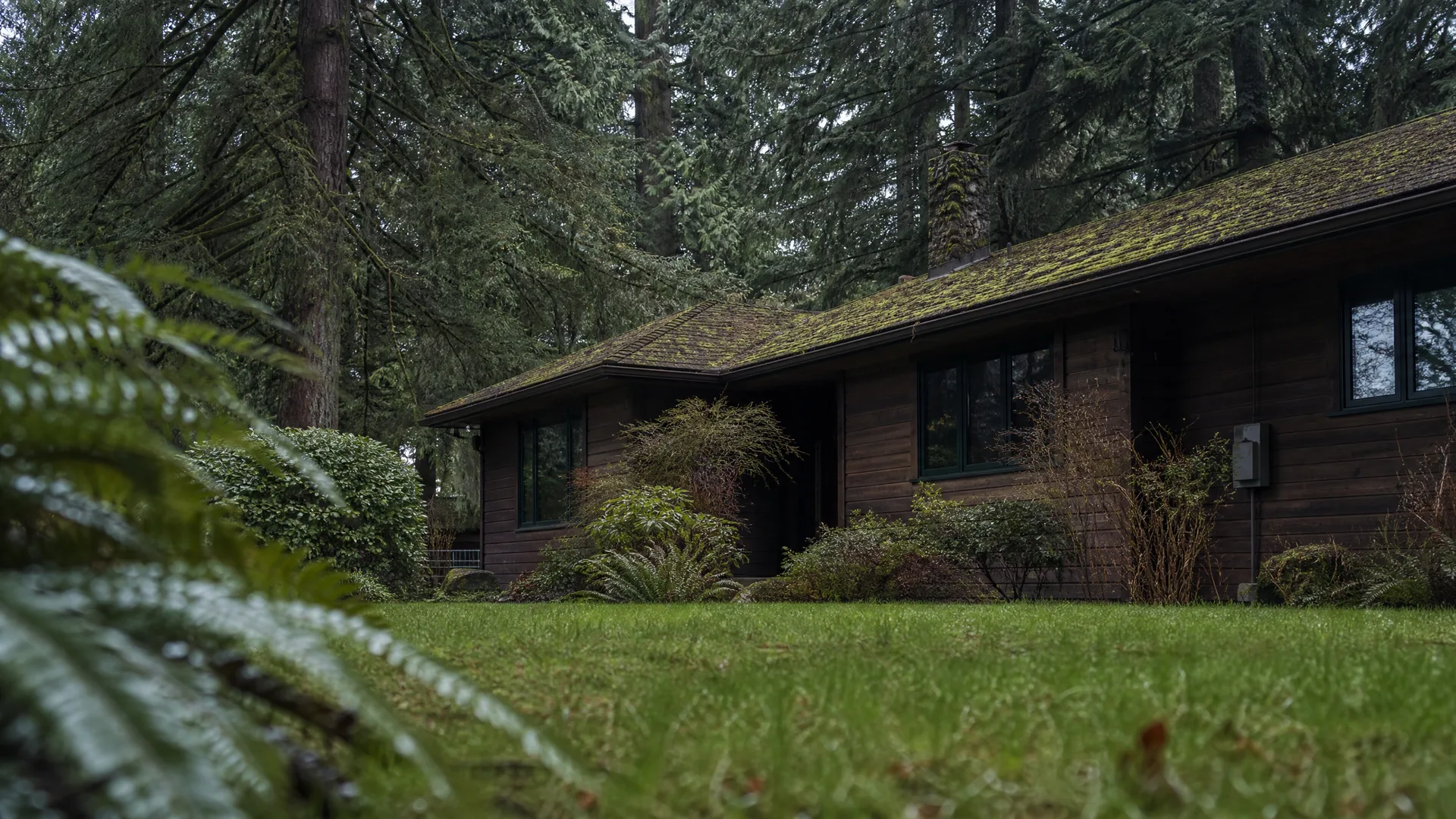






A single-story dark wood-sided house with a moss-covered shingle roof, surrounded by shrubs, a lawn in the foreground, and tall conifers behind.

Furnace Repair in Bellingham, WA

Tell us about the job

Takes about a minute. No obligation.

RepairFurnace or heatingWhatcom County, WA
Step 1 of 2

What ZIP code is the job in?

Furnaces in Whatcom County don't get a season off. Homes here run heat every month of the year, including the stretch of summer when you'd expect it to sit idle. Winter is the hard part. Overnight lows average 27°F through December, January and February, and that means long run times night after night to keep up. A furnace that never really shuts off wears differently than one that gets months of rest. Ignitors, blower motors, and heat exchangers all take the hit sooner when the system runs this much.

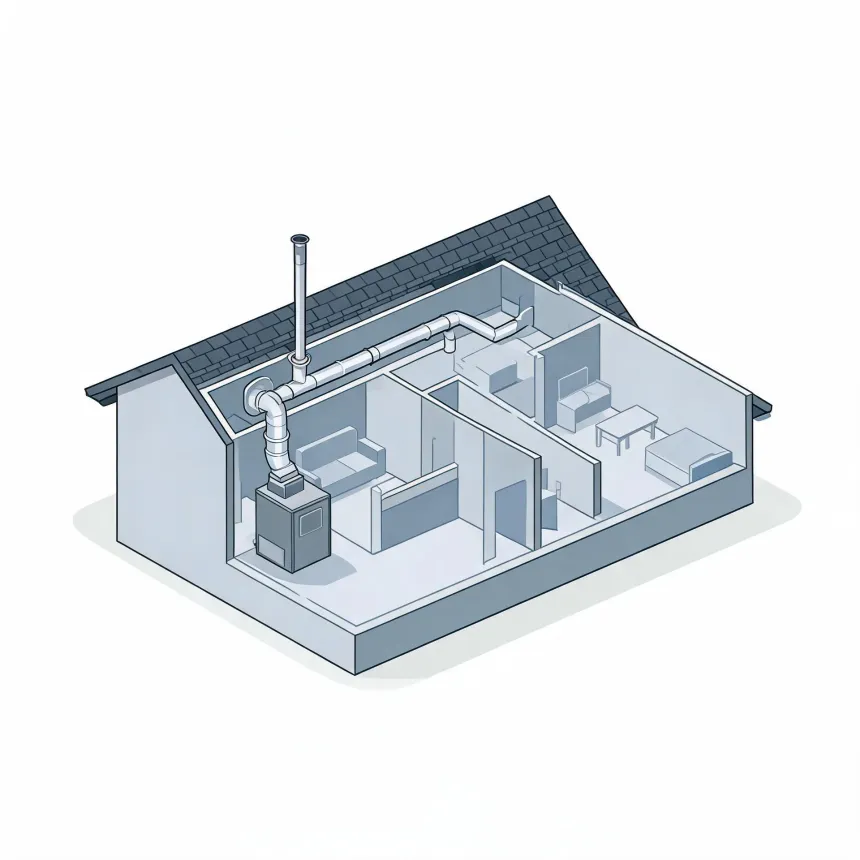
Isometric cutaway illustration of a single-story house showing interior rooms with furniture and a furnace connected to ductwork and a vertical flue pipe extending through the roof.
Your furnace works hardest from October through April.

NOAA nClimDiv, 1991–2020 normals

Storms knock out power across Washington most winters.

If your furnace's outdoor components took hail or debris and the power came back, get it checked before you trust it again.

A furnace running up your bill is worth fixing now, not in spring

Winter nights average 27°F
Climate zone 4C
Half the homes here were built by 1989
A struggling furnace runs up your bill fast hereElectricity in Washington ran $34.87 per million Btu in 2024

If your furnace is acting up, don't just reset it and hope it sorts itself out. A system that runs this much doesn't fail for no reason. The cause is usually something specific. A cracked heat exchanger. A weak igniter. A blower motor on its way out. Running it while a part is failing puts more strain on everything else downstream. Have a contractor look at it before you decide whether it's worth fixing.

If this furnace took a hit in a storm, don't trust it on a guess

Power comes back and the furnace starts up, so it seems fine. That doesn't tell you what the outdoor components went through while it was out. Have it checked before you rely on it for the next one.

Find a contractor
A man in a dark shirt, tan pants and cap walks up porch steps toward a navy blue front door, carrying a canvas tool bag filled with hand tools, beside a potted shrub in a blue planter.
A gas furnace with attached ductwork, gas piping, and condensate lines installed in a concrete-block basement.

A newer furnace is still worth fixing

If your furnace came with the house and the house is newer, that's a reason to repair rather than replace. A furnace in a house built in the last decade or two still has years ahead of it, even running as hard as it does here. Get the actual part diagnosed before anyone tells you the whole system needs to go.

The igniter is usually the first thing to go

The igniter heats up and cools down every time the furnace cycles. That stress eventually cracks it or wears it thin. A furnace that won't light, or lights and then shuts back off, is pointing at the igniter more often than anything else.
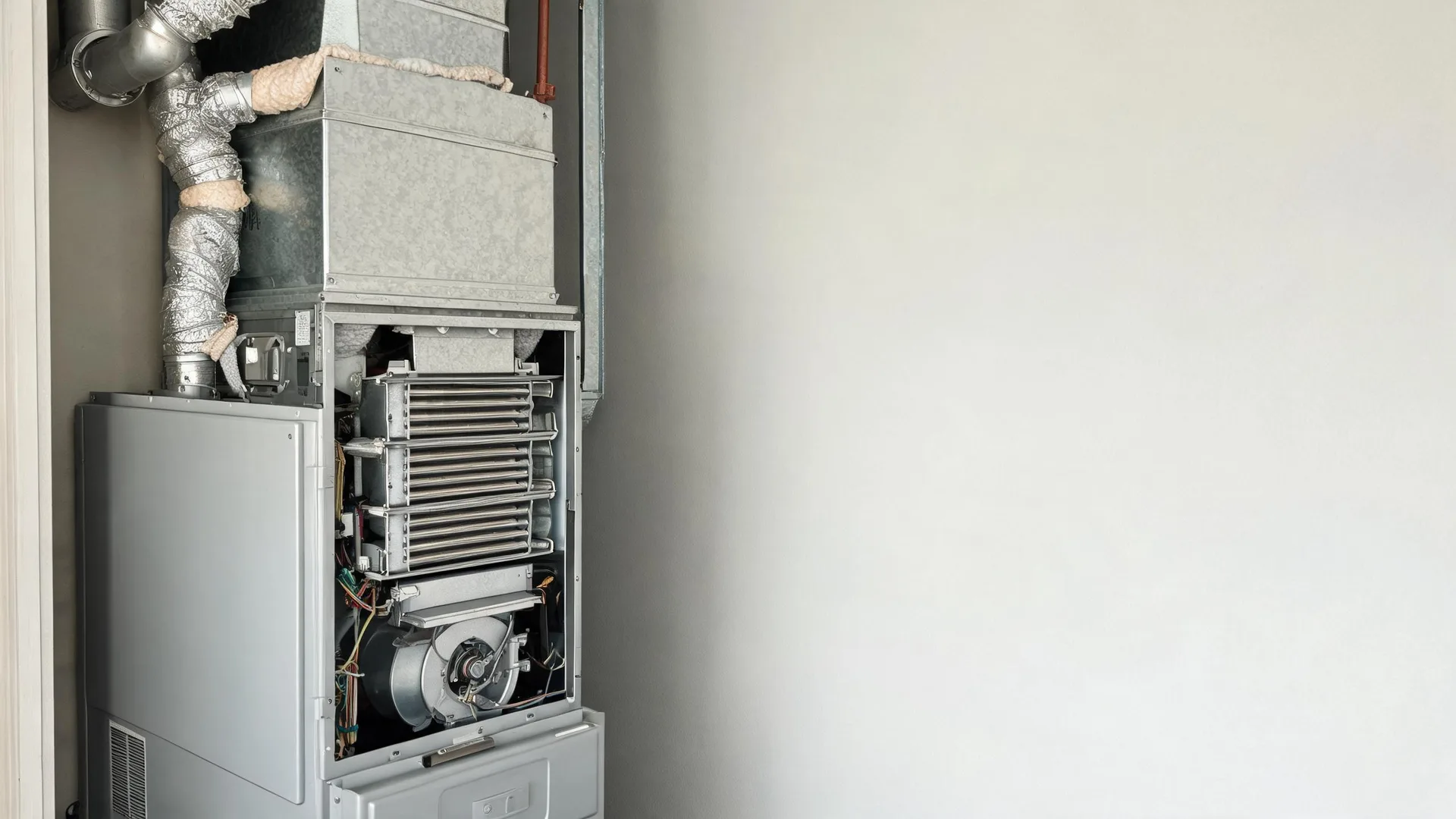
A failing blower motor shows up as sound first

Bearings wear and the motor starts straining. You'll hear a grinding or rattling that wasn't there before, or notice air coming out weaker than it used to. Catching it at that stage means a motor replacement. Ignore it and the motor can seize, which takes the whole system down.

A cracked heat exchanger is the clearest example. Small cracks don't stop the furnace from running, so it keeps firing while exhaust gas works its way into the airflow instead of venting outside. The longer it runs like that, the more it pushes through. A weak igniter behaves the same way in a smaller sense. It still lights the burners most of the time, so the furnace keeps cycling on a part that's close to failing completely, and each cycle brings that failure closer. A blower motor with worn bearings is no different. It keeps turning, straining harder each time, until it seizes instead of just slowing down. None of these get better because the furnace is still technically working. The part keeps absorbing damage every time it's asked to do its job, right up until it can't.

A repair makes sense when the failure is contained to one part and everything else in the system still looks and sounds right. A contractor can tell the difference between a part that failed on its own and a part that failed because something upstream was already stressing it. That distinction matters more than how old the furnace is. If the cracked heat exchanger or worn motor is an isolated failure, replacing that part puts the furnace back to normal. If a contractor opens it up and finds wear showing up in more than one place at the same time, that's a different situation. A furnace doesn't usually fail that way unless it's been under strain for a while, and parts failing together tend to keep failing together.