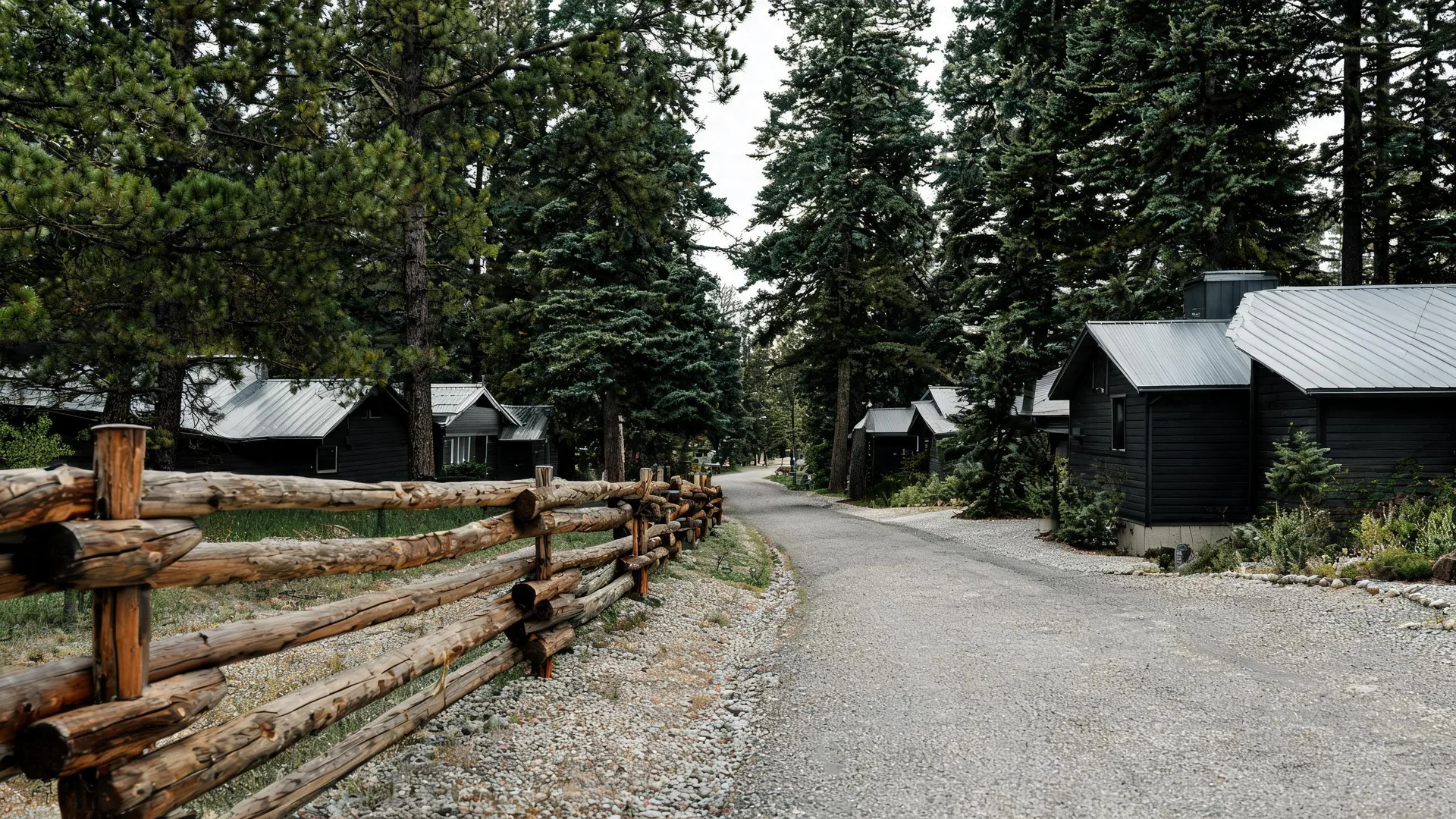





A gravel road curves between dark wood cabins with metal roofs and a split-rail log fence, surrounded by tall conifer trees under an overcast sky.

Furnace Repair in Colville, WA

Tell us about the job

Takes about a minute. No obligation.

RepairFurnace or heatingStevens County, WA
Step 1 of 2

What ZIP code is the job in?

Winter storms hit Stevens County 319 times between 2015 and 2024, more than any other kind of severe weather tracked here. That's heavy snow and ice bearing down right when the furnace has to run hardest. Damaging wind and hail show up most years too, and both can knock a vent cap loose or drive debris into the intake. A furnace can struggle or shut down from that kind of hit with no warning beforehand. If a storm came through recently and the furnace started acting up after, mention it to whoever comes out to look.

10 months
September through June, your furnace is on duty
21°F
the average winter night it heats against
319 winter storms
in ten years, the nights a failure hurts most
Isometric cutaway illustration of a single-story house with a dark shingled roof, showing interior rooms with furniture and a furnace connected to ductwork and a flue pipe extending above the roof.
Your furnace works hardest from October through April.

NOAA nClimDiv, 1991–2020 normals

Half the houses in Stevens County were built in 1985 or earlier, and half in 1985 or later.

A furnace acting up isn't about which half your house falls in. It's usually just worn parts doing what worn parts do.

Electricity here runs $34.87 per million Btu, and the furnace runs September through June to earn that bill

Heat runs September through June
Winter nights average 21°F
319 winter storms from 2015 to 2024

If the furnace started acting up after a storm came through, that's worth saying out loud when someone comes to look at it. Wind and hail can knock a vent cap loose or push debris into the intake without leaving a mark anyone would notice from the ground. The furnace might still run fine for weeks before it starts short cycling or won't light. Power cuts add to it. About 23% of Washington households went at least a full day without power in 2024, and a furnace that loses power mid-cycle doesn't always come back the way it should on its own. Worth a check even if nothing looks wrong yet.

Get it diagnosed properly

Your furnace works hard here, and that's usually what's behind the problem. Have it diagnosed properly so the fix lasts.

Find a contractor
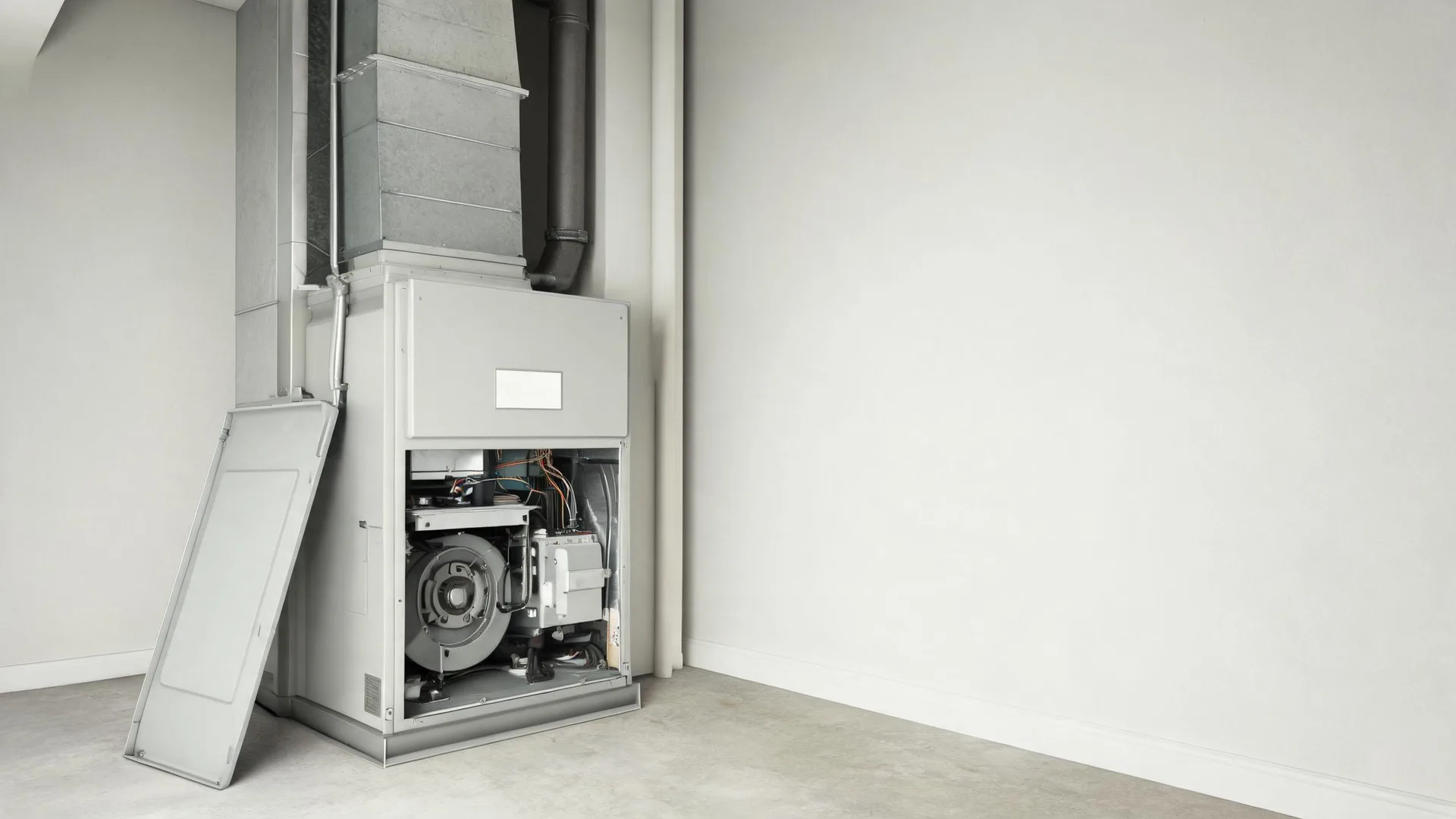
A gray residential gas furnace installed in an unfinished basement, surrounded by ductwork, a metal flue pipe, and a gas supply line.

Get the wear checked by someone who knows the difference

A furnace that runs this long each year doesn't get much downtime to show early warning. Someone who works on these every day can tell a part that's near the end from one that's just doing what it's supposed to do at ten months in. That's the difference worth paying for right now, not a guess.

The igniter wears out from doing its job

Every time the furnace starts a cycle, the igniter heats up to light the gas. That heating and cooling, over and over, is what eventually cracks it or burns it out. A furnace that won't fire but still runs through its fan cycle often means the igniter has finally given out.
A dirty flame sensor reads as no flame at all

The flame sensor checks that gas is actually burning before it lets the furnace keep running. Soot builds up on it over time and the sensor stops reading the flame correctly, so the furnace shuts itself off even though it lit fine. It looks like a bigger problem than it usually is.

Before calling anyone, pull the filter and hold it up to a light. If you can't see light through it, air can't get through it either, and that alone can make a furnace short cycle or blow cool air. Check the thermostat is set to heat, not just fan, and swap the batteries if it takes them. At the furnace itself, look for a switch on the side of the unit or its housing, the kind that looks like a regular light switch. It should be on. Check the breaker too. If the furnace has a glass window, look for a steady blue flame. A yellow or flickering flame is worth mentioning to whoever comes out. None of this fixes a worn igniter or a dirty flame sensor, but it rules out the simple stuff first.

A repair makes sense when one part failed and everything around it is still sound, the heat exchanger clean, the blower running the way it should. Replacement starts to make more sense when the same furnace keeps bringing someone back out for a different part each time, because that pattern means the whole unit is wearing down at once, not just the piece that happened to fail first. Age matters less than how the furnace has been running. A furnace that's needed nothing in years and suddenly has one bad part is usually worth fixing. One that's had its igniter, then its blower motor, then its control board go in the same couple of years is telling you something a repair won't fix. Whoever comes out to look can tell you which kind of situation this is.