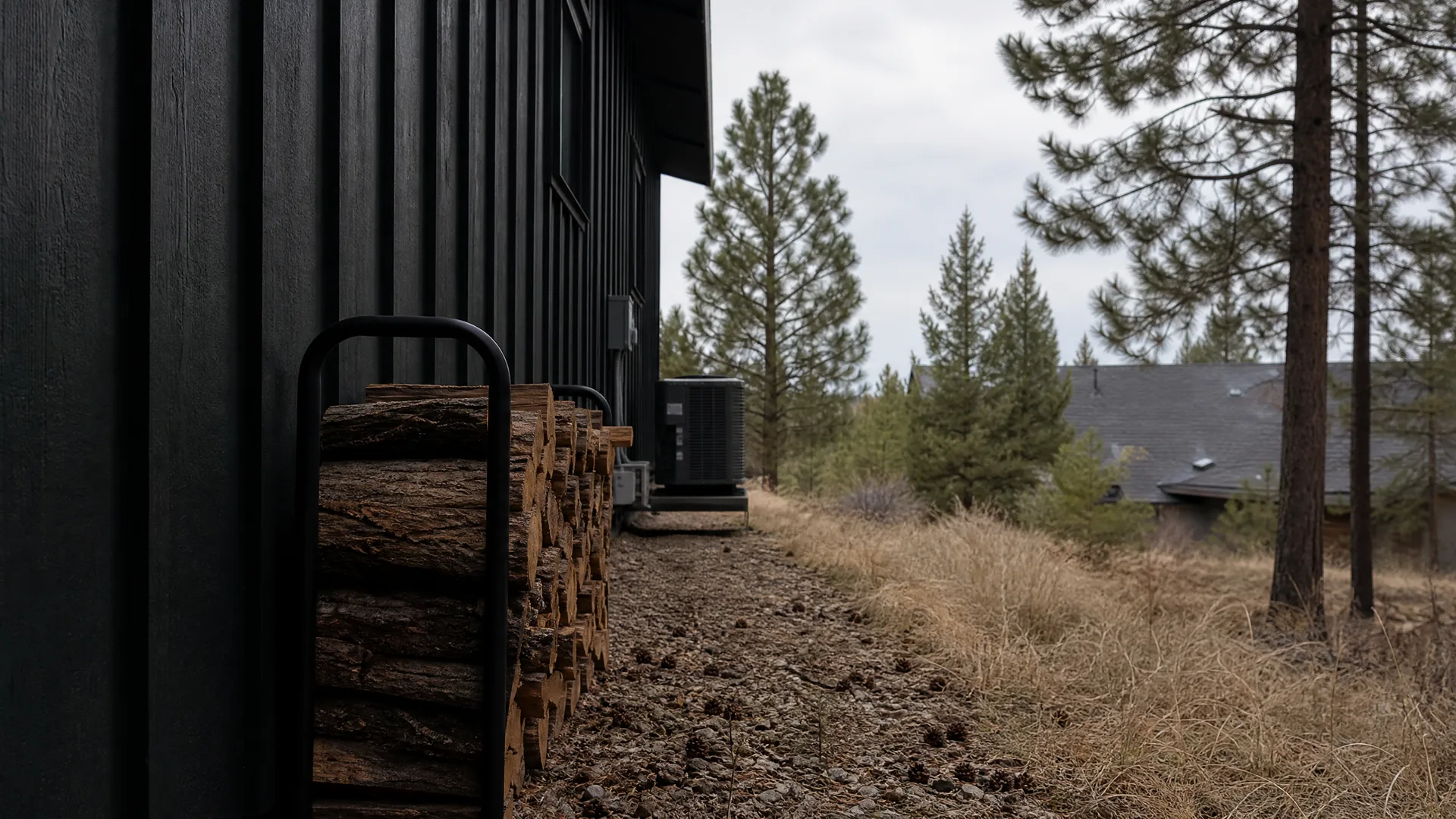



A black vertical-board exterior wall with a metal rack of stacked firewood, an air-conditioning condenser unit beyond, and dry grass, gravel and pine trees with a neighboring roof in the background.

Furnace Repair in Davenport, WA

Tell us about the job

Takes about a minute. No obligation.

RepairFurnace or heatingLincoln County, WA
Step 1 of 2

What ZIP code is the job in?

Before you call anyone, check the thermostat first. Make sure it's set to heat and the temperature is set above room temperature, and swap the batteries if it uses them. Next, go look at the filter. A filter clogged with dust chokes off airflow and can cause the furnace to shut itself down as a safety measure. Then check the breaker box. A tripped breaker or a switch left in the off position near the furnace itself, sometimes mistaken for a light switch, will stop it cold. If your furnace uses a standing pilot, see if the flame is lit, and if it's gas, make sure the gas valve is turned to on. Working through these first rules out the simple stuff before anyone has to come take a look.

10 months
September through June, your furnace is on duty
23°F
the average winter night it heats against
209 winter storms
in ten years, the nights a failure hurts most
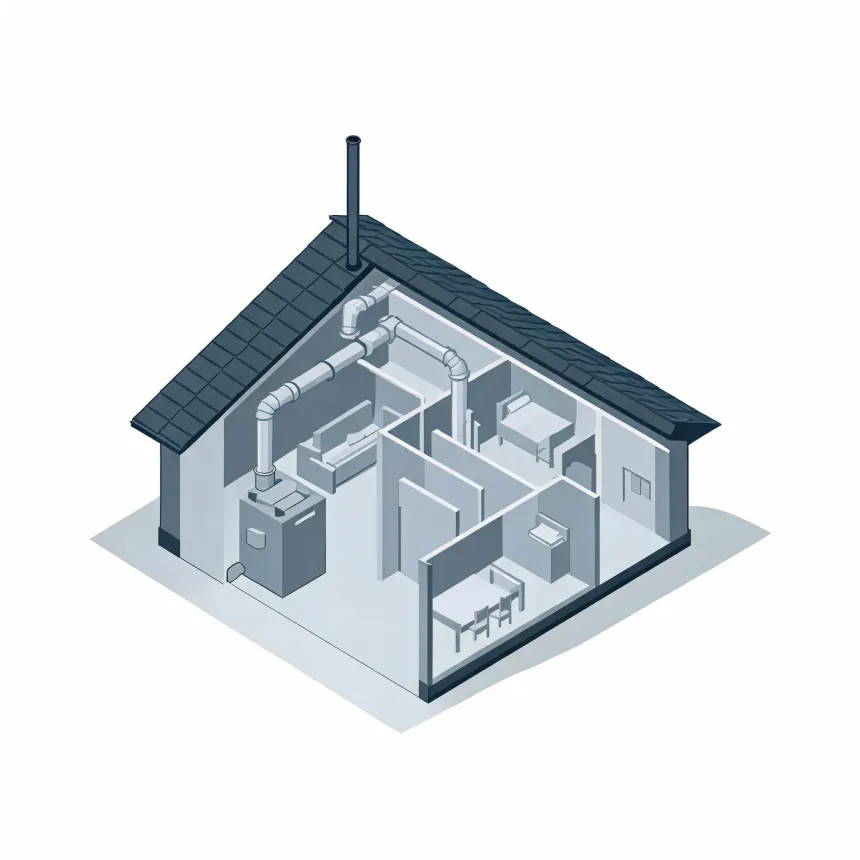
Isometric cutaway illustration of a small single-story house showing interior rooms with furniture, a furnace unit with attached ductwork running to a roof flue, and a dark shingled roof.
Your furnace works hardest from November through March.

NOAA nClimDiv, 1991–2020 normals

Electricity in Washington ran $34.87 per million Btu in 2024.

A furnace that's short-cycling or running longer than it should is burning through that rate every day you wait.

Half the furnaces in Davenport are older than the homes' last major repair

Half the homes here were built by 1972
Climate zone 5B
Heat runs September through June
A furnace running badly still runs up the billWashington power ran $34.87 per million Btu in 2024, and a bad furnace burns it every day you wait.

Furnaces here start running in September and go through June. That first cold snap in September is when a weak part finally gets tested. A furnace that sat idle all summer with a cracked heat exchanger or a failing igniter will often get through a mild day and then quit once it has to run for hours straight. If yours struggled last winter, the same weak spot is still there waiting for the same load. Getting it looked at in August, before the season starts, means finding that out on your schedule instead of during the first real cold.

Stop paying for a struggling machine

Power costs more here, so a machine that's running badly costs you every month. Get it fixed soon.

Find a contractor
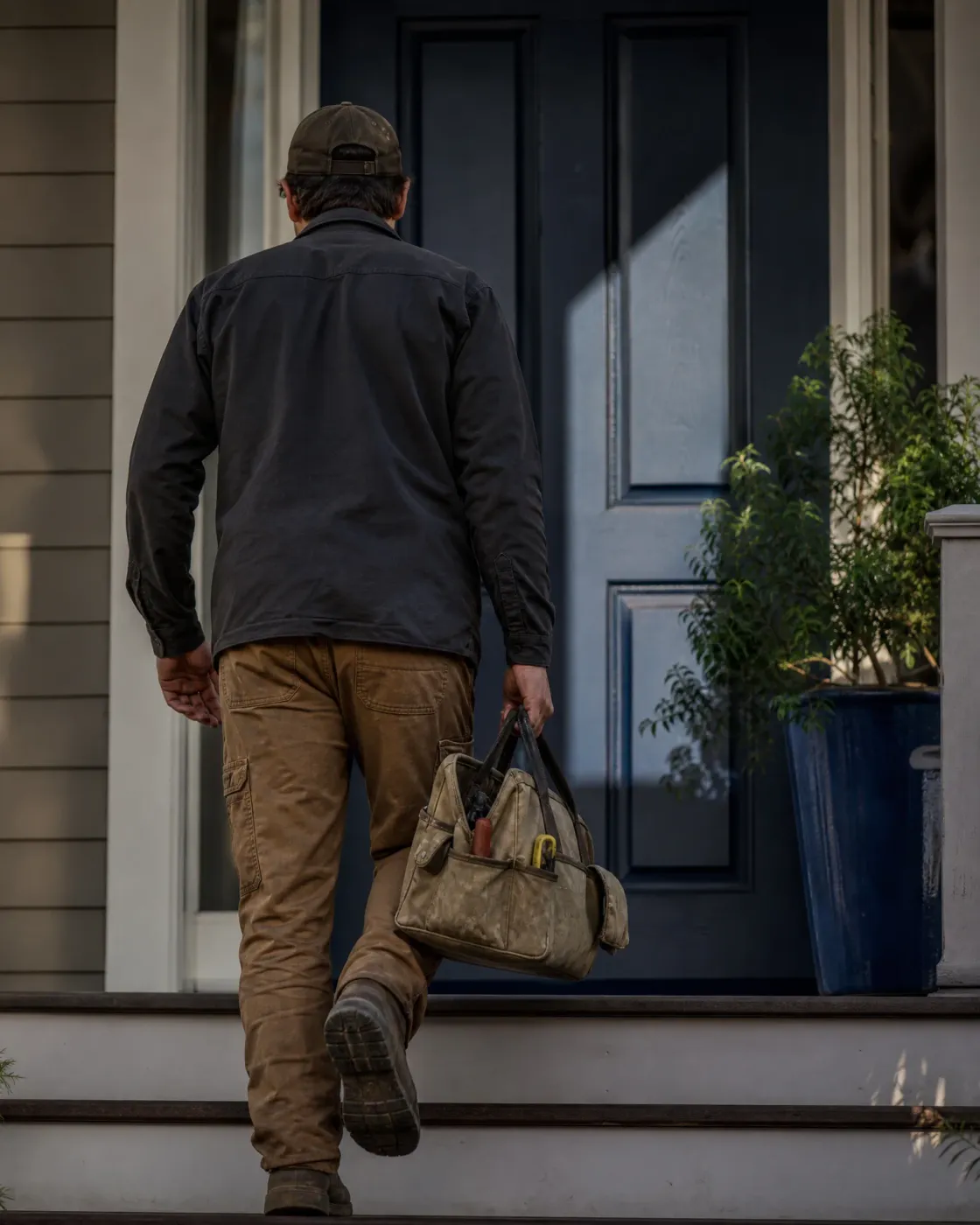
A man in a cap, dark jacket and tan work pants walks up porch steps toward a dark blue paneled door, carrying a canvas tool bag with tools in its outer pockets, beside a potted shrub.
A gas furnace with attached ductwork, gas piping, and condensate lines installed in a concrete-block basement.

Your furnace tells you before it quits

A furnace that's about to fail doesn't usually just stop. It tells you first. Short cycling is one of the clearest signs, the burner kicks on, runs for a couple minutes, shuts off, then starts again a few minutes later. That's often a cracked heat exchanger or a dirty flame sensor telling the control board something's wrong. Listen for the blower too. A rattle, a squeal, or a grinding sound means a bearing or a belt is wearing out, and it won't fix itself. Watch the color of the flame if you can see it. It should burn blue and steady. Yellow or flickering means it's not burning clean, and that's not something to leave alone. If the air coming out of the vents feels lukewarm instead of hot, the igniter or the gas valve may be failing even though the blower still runs fine. And if the furnace smells like something burning for more than the first few minutes of the season, or you smell gas at any point, that's not a wait-and-see sign.

A small problem spreads to other parts

A dirty flame sensor makes the burner shut off early, so the furnace fires, quits, and tries again. Each restart puts strain on the igniter and the control board that a steady burn never would. What started as one weak part can take out the parts around it if it keeps cycling that way.
Waiting doesn't buy you time

A cracked heat exchanger or a failing blower bearing doesn't hold steady while you put off the call. The crack spreads with every heat cycle, and a bearing running dry wears faster the longer it spins. The repair gets bigger the same week you were hoping to avoid it.

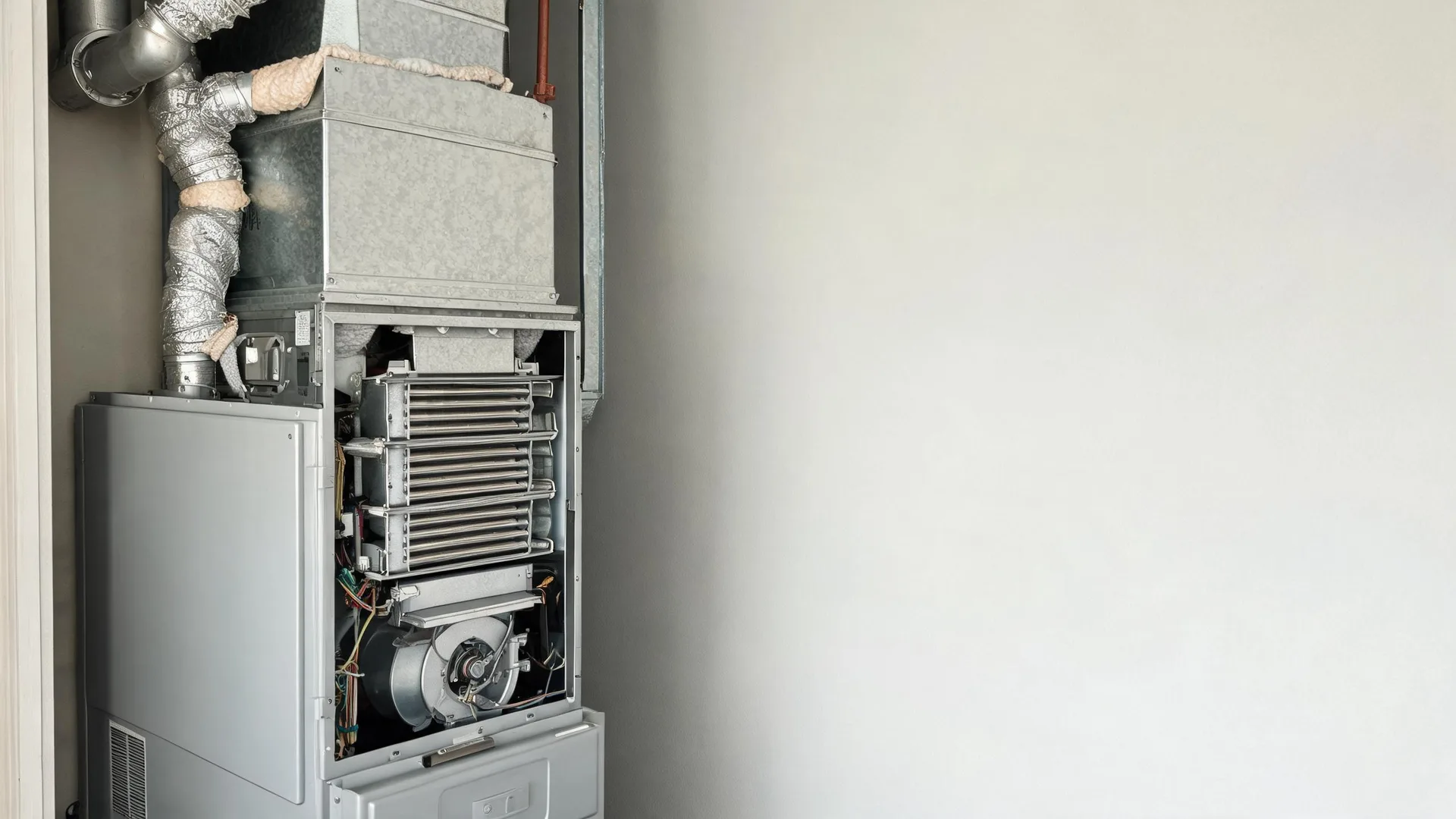
Most furnace failures trace back to one of a handful of parts. The igniter takes the brunt of it, since it heats up and cools down every single cycle, and that stress eventually cracks it. A flame sensor coated in a thin layer of residue stops sensing the flame correctly, so the control board shuts the gas off even though nothing's really wrong. Blower motors fail at the bearings after years of spinning, and you'll hear that before anything else gives out. A heat exchanger cracks from repeated expansion and contraction, heating up fast and cooling down slow, cycle after cycle, until the metal gives. Dirt and neglect speed up every one of these. A furnace that breathes clean air through a fresh filter and gets looked at yearly stresses its parts a lot less than one left to run however it runs.

A diagnostic starts before any panel comes off. A tech will ask what you've noticed, when it happens, and whether it's gotten worse, because short cycling points somewhere different than a burner that won't light at all. Then they'll pull the panel and watch a full cycle start to finish, since a lot of what's wrong only shows up while the furnace is actually running. They'll check the flame sensor and igniter, test the gas pressure, and look at the heat exchanger for cracks or scorch marks. The blower gets checked for play in the bearings and pulled amps against what it should be drawing. Most of this is confirming what the symptoms already suggested, not hunting blind.