Winter storms are the regular event here
Douglas County logged 209 winter storms between 2015 and 2024. A furnace that quits during one of these isn't a rare bad break. It's what the weather here does.
Takes about a minute. No obligation.
Douglas County logged 209 winter storms between 2015 and 2024. A furnace that quits during one of these isn't a rare bad break. It's what the weather here does.
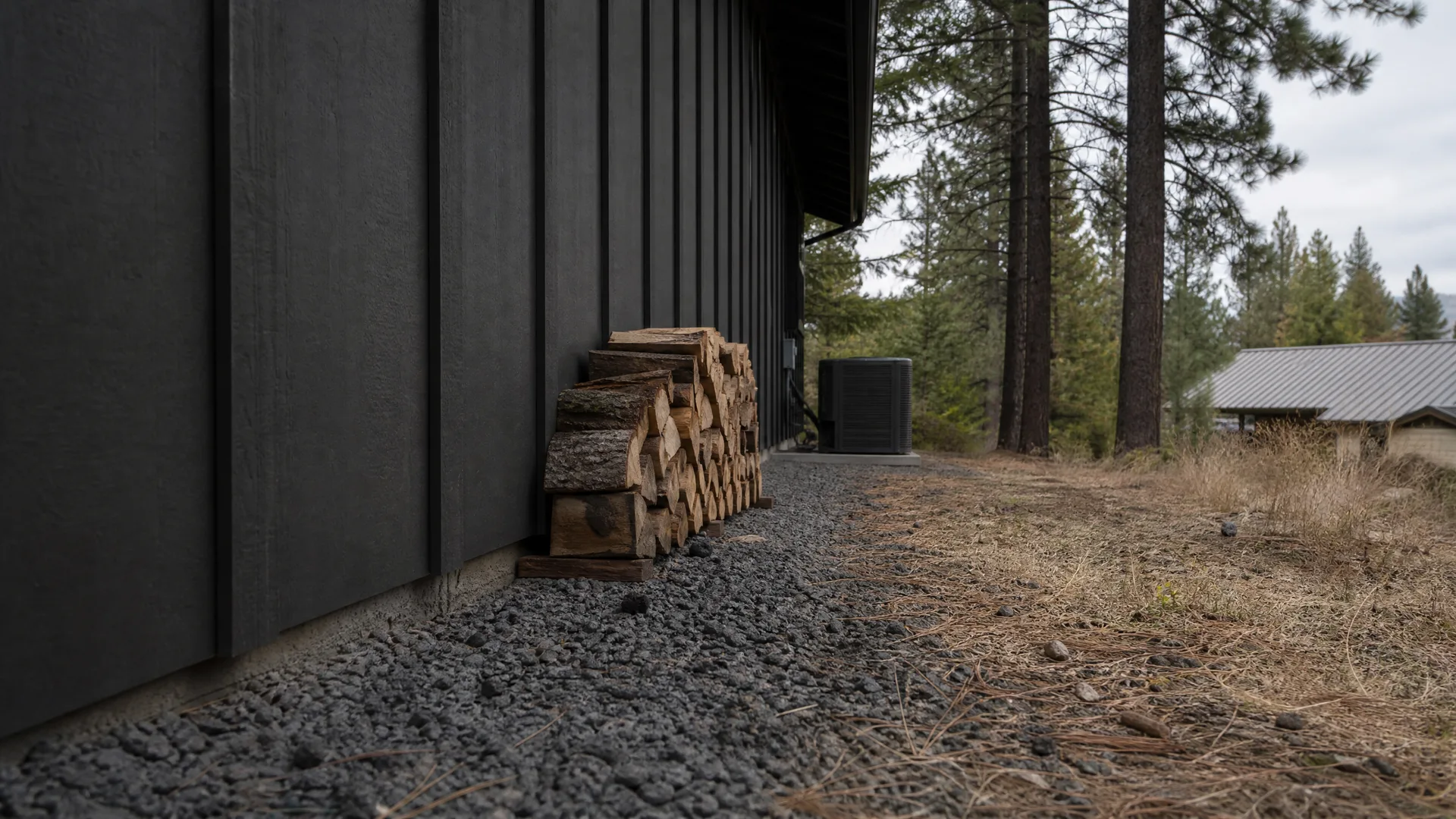
Wind and heavy snow can knock loose a vent connection or drive debris into an outdoor intake without stopping the furnace outright. If a storm came through before the trouble started, have it checked rather than waiting for it to get worse.
NOAA nClimDiv, 1991–2020 normals
Half the homes in Douglas County were built in 1988 or later.
A furnace that came with a newer house still has working life in it, and a repair is usually what it needs.

Washington's electricity ran $34.87 per million Btu in 2024. A furnace that short-cycles or runs longer than it should is burning through that every day it goes unfixed. The cost doesn't show up all at once. It shows up on the bill at the end of the month, higher than it should be, for as long as the problem sits there. A furnace that's struggling to light, or running past when the house is warm, is worth having looked at now rather than after another month of paying for the trouble instead of the fix.
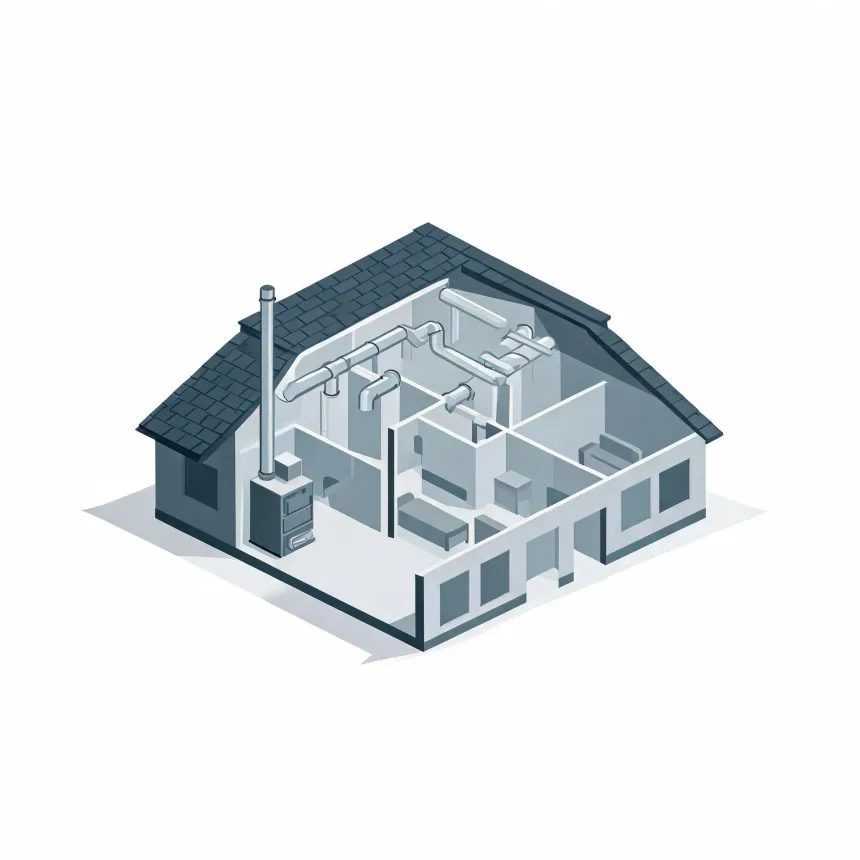
Furnaces here run from September through May, with overnight lows averaging 22°F through December, January and February. That's most of the year spent working to keep a house warm. A furnace carrying that kind of load shows small problems sooner than one that only runs a few months. Getting it looked at now means the fix addresses what's actually wrong instead of what it turns into.
Find a contractor
A furnace with that kind of life left in it is worth calling someone for instead of replacing. If it's not heating right, get the specific problem checked. The igniter, the blower motor, the pressure switch, whatever it turns out to be. On a newer system that's usually a part failure, not the furnace itself giving out.
Make sure it's set to heat and the setting is above room temperature. A dead battery or a setting bumped to cool or off looks exactly like a broken furnace from the vent.
A filter clogged with dust blocks airflow and can shut the furnace down on purpose to protect itself. Check it's seated right. Also check the power switch on or near the furnace, it looks like a light switch and can get bumped off.
A furnace that's struggling but still running is usually working harder to cover for whatever's wrong. A flame sensor coated with residue makes the burner try again before it catches, and each failed attempt puts more wear on the igniter behind it. A blower motor pushing air past a clogged filter runs hotter than it should and wears down faster than it would otherwise. None of that fixes itself by continuing to run. A problem that would have meant replacing one part often ends up taking a second part with it, the longer it's left alone.
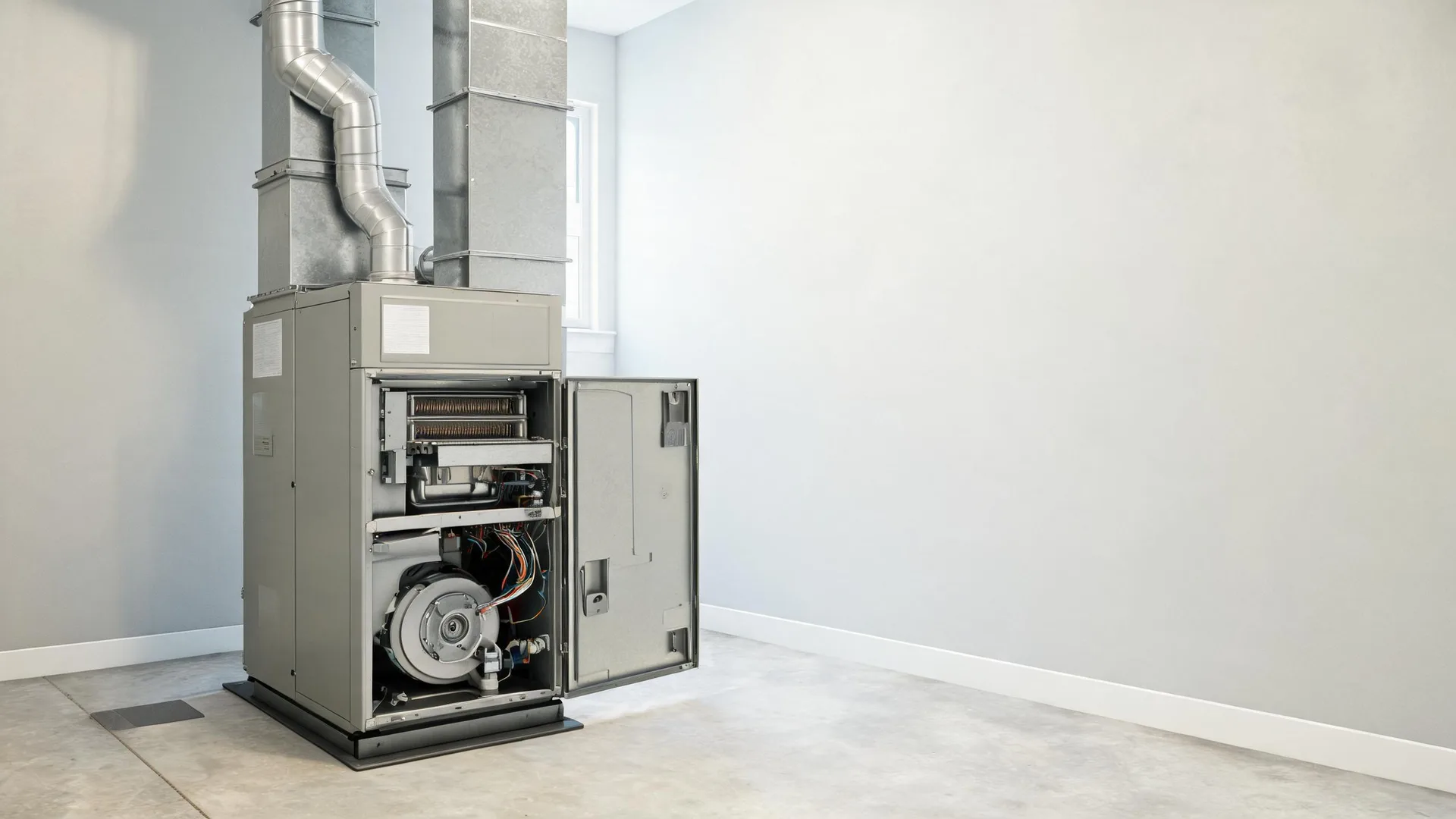
Age isn't really the question. A furnace that's still lighting, still running a full cycle, still carrying heat through the ducts, is a furnace worth repairing when something in it fails. What matters more is whether it's doing one job badly or failing at the basics. A furnace that lights late, or short-cycles, or blows cool air before it blows warm, has a specific part behind that behavior, and parts get replaced without the whole unit going with them. The harder call is a furnace that's needed a few of those calls already. A cracked heat exchanger, a control board that keeps acting up, a draft inducer that's failed once and is straining again, those point at a furnace wearing out everywhere at once rather than failing in one place. A tech who's inside the cabinet can tell which one is in front of them. From the vent, both sound the same.