



A lit craftsman house with glowing windows on a rainy night, surrounded by tall evergreen trees and a wet reflective street.

Furnace Repair in Lacey, WA

Tell us about the job

Takes about a minute. No obligation.

RepairFurnace or heatingThurston County, WA
Step 1 of 2

What ZIP code is the job in?

Furnaces in Lacey run nearly ten months a year, September through June. August is the one real break yours gets. That break is also why trouble tends to show up fast once you fire it back up. A weak igniter or a failing flame sensor can sit quiet all summer and then fail the first cold week it has to work. If your furnace is struggling now, early in the season, that timing is a clue, not a coincidence. Getting it looked at now tends to be easier than waiting for it to quit on you deeper into winter.

10 months
September through June, your furnace is on duty
34°F
the average winter night it heats against
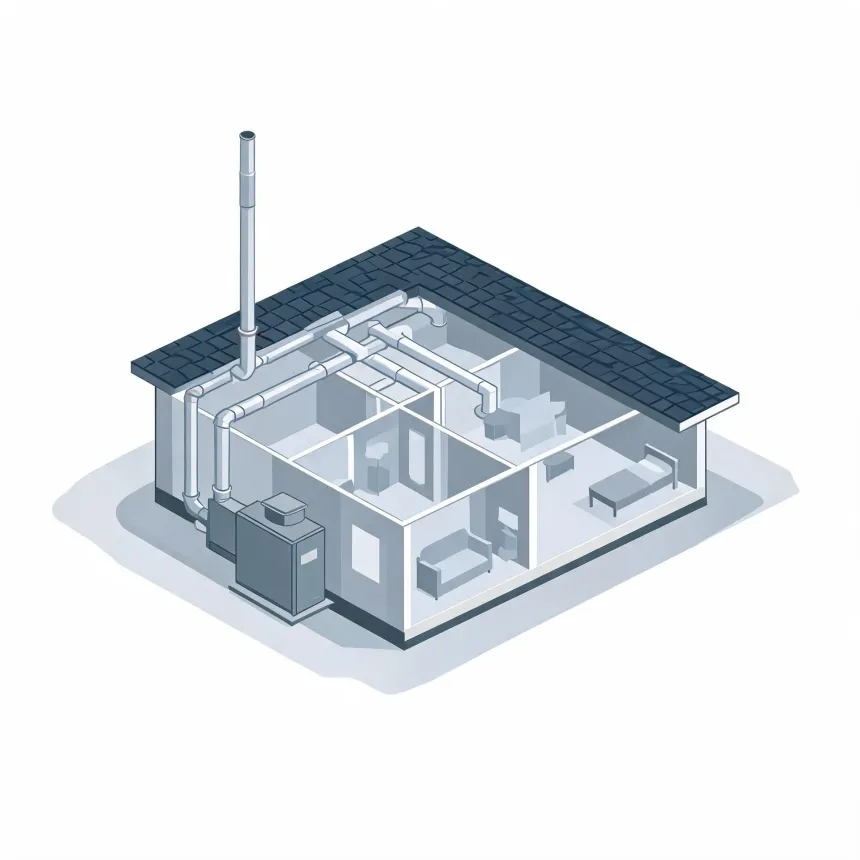
Isometric cutaway illustration of a single-story house with a dark shingled roof, showing interior rooms with furniture, a ducted air distribution system, a tall vertical flue pipe, and a gray furnace unit outside the wall.
Your furnace works hardest from October through April.

NOAA nClimDiv, 1991–2020 normals

A cracked heat exchanger gets worse every hour the burner fires.

Shutting the furnace off now keeps a bad part from turning into a bad furnace.

Electricity here runs $34.87 per million Btu, and a furnace that runs from September through June burns through that rate every week it stays broken.

Heat runs September through June
Winter nights average 34°F
Climate zone 4C

Half the homes in Thurston County were built in 1991 or later, Lacey included. If your house is one of them, your furnace probably isn't old enough to be the problem on its own. A system installed with a newer build still has plenty of working life left in it, which makes repair the straightforward call rather than a stopgap before a replacement. Worth checking when your furnace went in, if you don't already know.

A furnace that's struggling and still running up a Washington power bill

Letting it limp along doesn't save you anything. It runs most of the year here, and every week it works harder than it should is a week you're paying for the trouble instead of the fix. Get it looked at.

Find a contractor
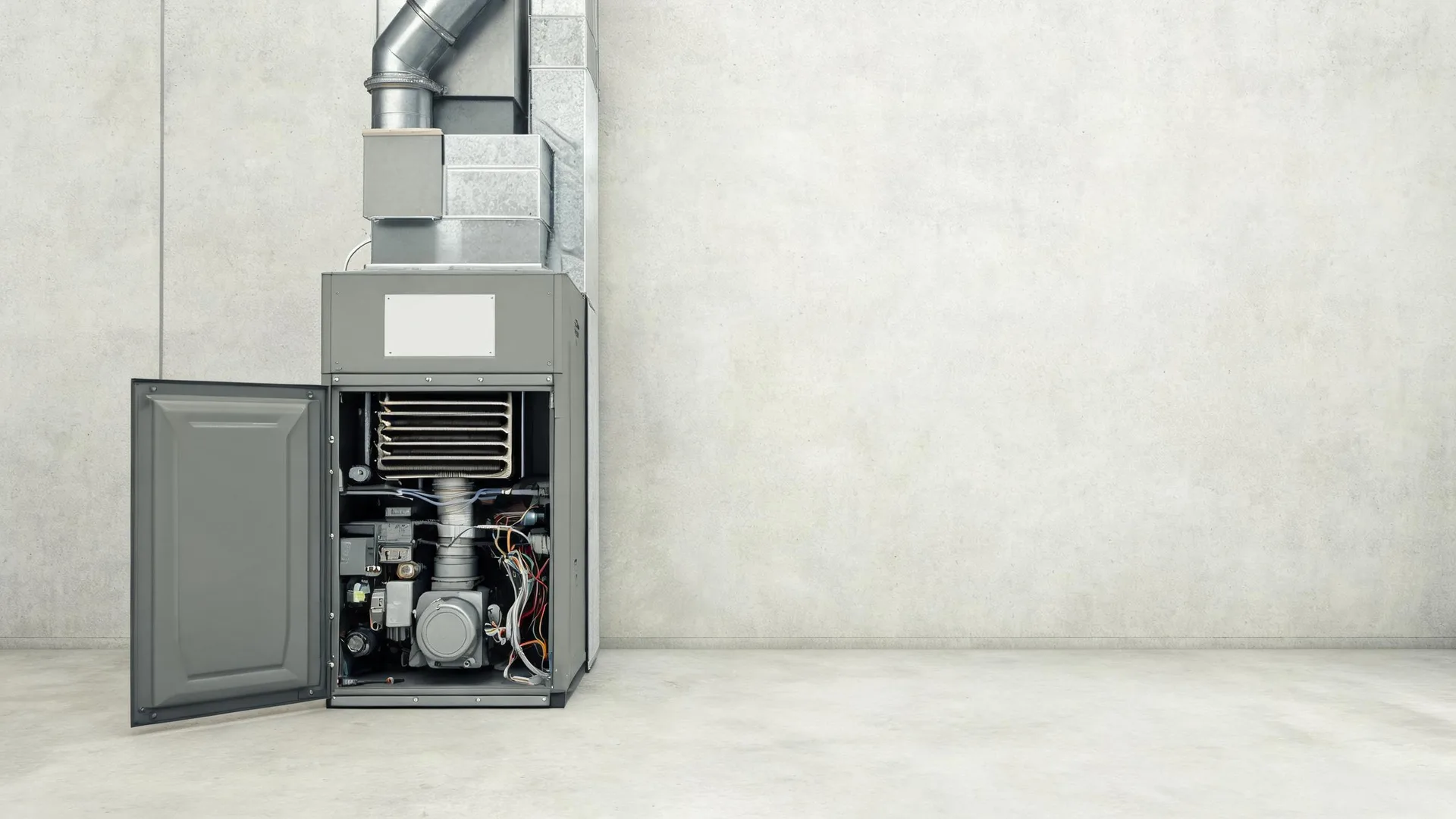
A gray gas furnace with attached ductwork and piping installed in an unfinished concrete basement.

A newer furnace is worth fixing right

If yours went in with the house, a repair now should hold for years, not just get you through this winter. That's worth knowing before you say yes to anything bigger than the fix in front of you.

What you'll notice first

A furnace in trouble usually tells you before it quits outright. Short cycling, where it fires up and shuts off again within a few minutes, means something is cutting the run short before the house gets warm. Cold air out of the vents while it's running points to a burner that isn't lighting right. A burning or metallic smell that doesn't fade after the first few minutes, a furnace that's suddenly loud or banging where it used to run quiet, or a pilot light burning yellow instead of blue are all signs worth calling in.
Why these get worse, not better

A cracked flame sensor won't seat itself right again on its own, so the short cycling it causes keeps repeating, and every cycle adds wear to the igniter and blower motor standing in to compensate. A yellow pilot light means the burner isn't getting enough air to burn clean, and that gets worse the longer it runs that way, not better. Letting a furnace keep running on a failing part usually means replacing more than that one part by the time someone looks at it.

Before you call, check the filter. A clogged one starves the furnace of airflow and can cause a lot of what looks like a bigger problem. Next, check the thermostat is set to heat and the temperature is actually above room temperature, and swap the batteries if it's gone blank. Go to the furnace itself and make sure the power switch, it looks like a light switch on or near the unit, is on, and check that the breaker hasn't tripped. If you have a gas furnace, confirm the gas valve is open and, if it has a standing pilot, that the pilot is actually lit. Check your vents and returns aren't blocked by furniture or closed off in rooms you don't use, since that can starve the system the same way a dirty filter does. None of this is dangerous to check yourself. If the furnace still won't run, or it runs but something listed above is happening, stop resetting it and get someone out to look.

A diagnostic call starts with the thermostat and works back toward the furnace, not the other way around. Whoever comes out will run it through a full cycle and watch what it actually does. They want to see the burner light on the first try and the flame stay steady once it does. They want to see the blower kick on when it should and shut off when it should. Low voltage connections get checked along the way, since a loose wire can mimic a bad part and send someone chasing the wrong fix. The flame sensor usually comes out for a look, since a thin coating on it is enough to make a furnace shut down seconds after lighting. Pressure switches and the inducer motor get checked too. Those parts tell the control board whether it's safe to open the gas valve at all, so a fault there can stop the whole furnace cold. Most of this is pulling panels and watching the furnace run, not guesswork.