


An unfinished basement interior showing a gray furnace unit beneath a bare incandescent bulb, surrounded by exposed joists, concrete walls, cardboard boxes, and utility pipes.

Furnace Repair in Newport, WA

Tell us about the job

Takes about a minute. No obligation.

RepairFurnace or heatingPend Oreille County, WA
Step 1 of 2

What ZIP code is the job in?

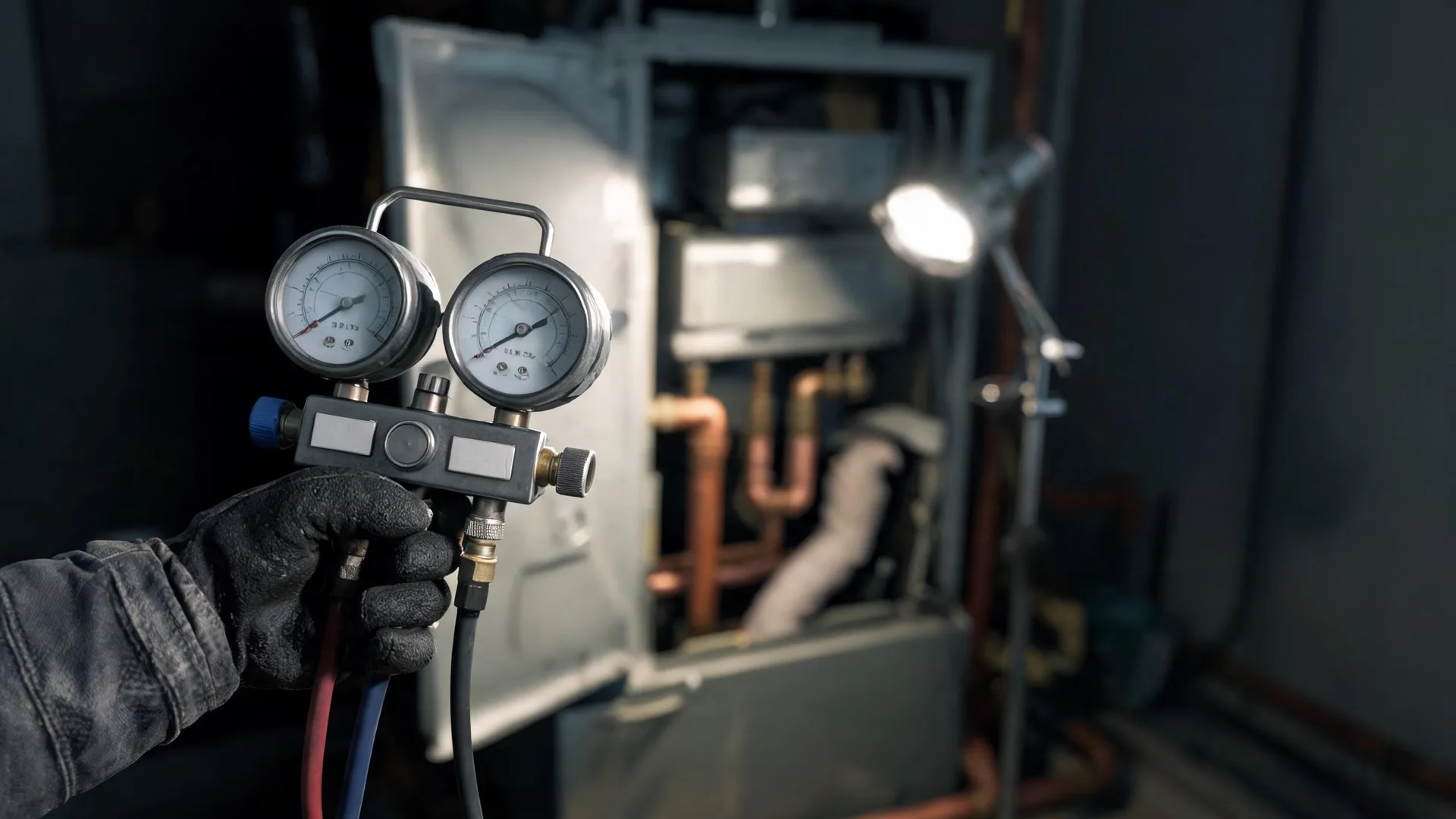
A diagnostic visit starts with the complaint. The tech wants to know what the furnace is doing, or not doing, before anything gets opened up. From there it's a check of the thermostat call, the power and gas supply, and the sequence of operation. Does the inducer motor start. Does the igniter glow or spark. Does the gas valve open. Does the burner light and stay lit. A furnace that starts and then shuts itself off is usually tripping a safety switch somewhere in that chain, and the tech traces back to find which one and why. If the blower runs but the air feels wrong, that points somewhere else entirely. Often the filter or the ductwork, not the heating side at all. Once the fault is found, the tech can tell you what part is responsible and what it will take to fix it.

10 months
September through June, your furnace is on duty
20°F
the average winter night it heats against
319 winter storms
in ten years, the nights a failure hurts most
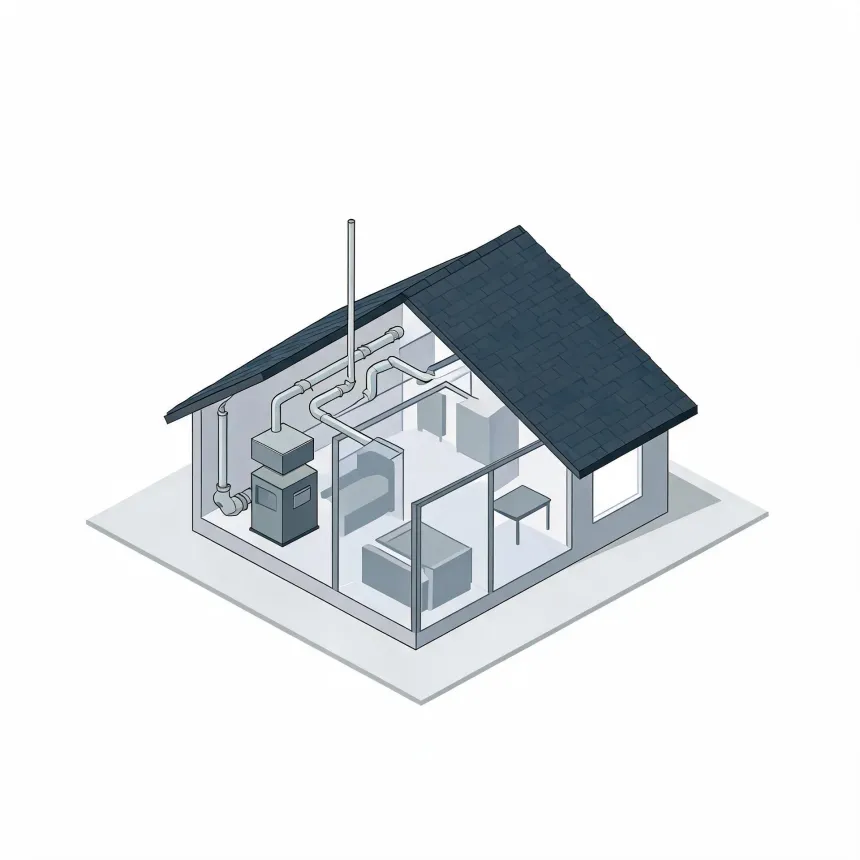
Isometric cutaway illustration of a small house with a dark shingled roof, showing an interior furnace unit, ductwork, and a flue pipe extending through the roof.
Your furnace works hardest from October through April.

NOAA nClimDiv, 1991–2020 normals

Half the homes in Pend Oreille County were built in 1985 or later.

A furnace that age is usually worth repairing, not replacing.

Heat runs September through June, and power here costs more than most places pay

Heat runs September through June
Winter nights average 20°F
319 winter storms from 2015 to 2024

A furnace that's short-cycling or struggling to hold temperature isn't just uncomfortable, it's burning more to do less. At $34.87 per million Btu, that waste shows up on the bill every month it runs, not just once. A furnace that heats most of the year doesn't get a break to cost you less. Worth getting looked at before the next cold stretch rather than after.

This furnace runs ten months a year. Find out what's wearing on it.

Ten months of heat a year, with overnight lows averaging 20°F through December, January and February, means this furnace gets little rest. Add 319 winter storms here in the last ten years and parts wear sooner than they would somewhere milder. That's usually what's behind the problem, not a furnace that's past its time. Worth having it diagnosed so the fix holds.

Find a contractor
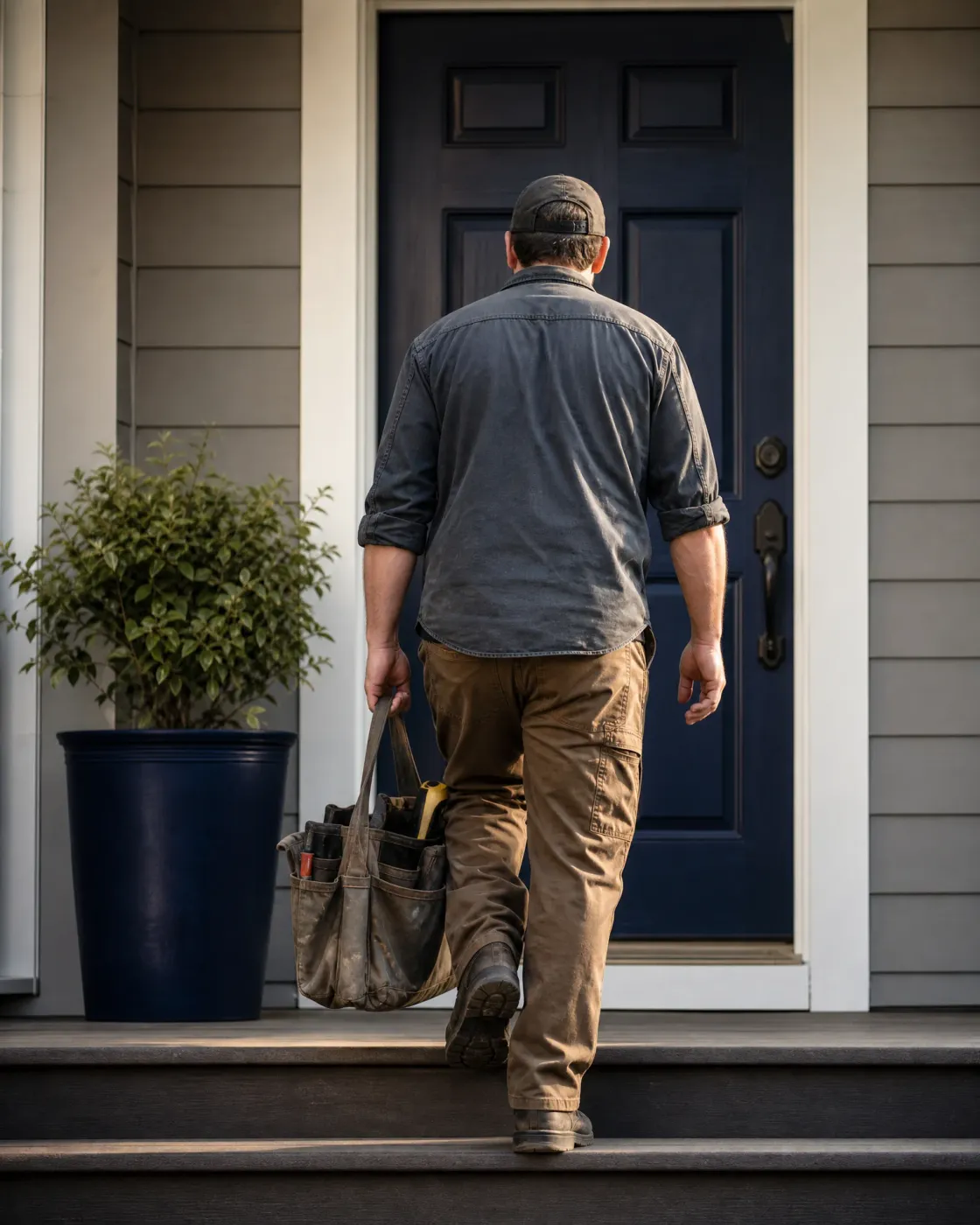
A man in a cap, gray shirt and brown work pants, seen from behind, carries a canvas tool bag up steps toward a dark navy front door beside a potted shrub.
A gray high-efficiency gas furnace installed in an unfinished basement, surrounded by gas lines, a condensate drain, and sheet-metal ductwork.

Check the data plate before you assume anything

If your furnace came with a newer build here, parts are still easy to source and the repair is usually straightforward. A tech can confirm the age from the unit's data plate and go from there. If the house is older or the furnace was swapped out before you bought it, that's worth checking too, since the data plate tells the real story no matter what year the house was built.

The furnace cycles on and off fast

A furnace that fires up, runs briefly, then shuts off before the house warms is short-cycling. Usually it's a flame sensor too dirty to prove the burner is lit, so the control board kills the gas as a safety move. A clogged filter can cause the same thing by overheating the heat exchanger until a limit switch trips. Either way the furnace is protecting itself, not actually broken down.
The air coming out feels cool or weak

If the blower is running but the air doesn't feel hot, the problem usually isn't the burner at all. A failing igniter or a gas valve that won't fully open can cause weak heat, but so can a duct that's come loose or a filter packed with dust choking off airflow. Worth telling the tech exactly what you're feeling, warm but weak, or barely warm at all, since that detail points to a different part each time.

A safety switch that trips once is the furnace doing its job. Ignore it and keep resetting the switch or the breaker, and the part behind that trip usually gets worse, not better. A cracked heat exchanger can go from a small stress fracture to a real gap. A flame sensor too weak to prove ignition will eventually stop proving it at all, and the furnace won't fire. Running a blower motor on a failing bearing wears it to the point it seizes, instead of a simple fix. Heat that keeps shutting off and restarting also puts more wear on the igniter and the gas valve each cycle than steady running would. The furnace tripping is it telling you something is wrong. Letting it keep trying usually means more parts worn down by the time the tech gets there, not fewer.

Age is one piece of the repair-or-replace call, but it's not the only one. A furnace that keeps needing the same part fixed is telling you something different than one that's never had a callout. Worth asking the tech whether what's failing now is a wear part on its own, like an igniter or a flame sensor, or a sign the heat exchanger or the blower motor is on its way out. The first kind gets fixed and you're done. The second kind tends to bring the furnace back in for something else before long. A tech who's had the panel off can usually tell you which situation you're in, and that matters more than how many winters the unit has behind it.