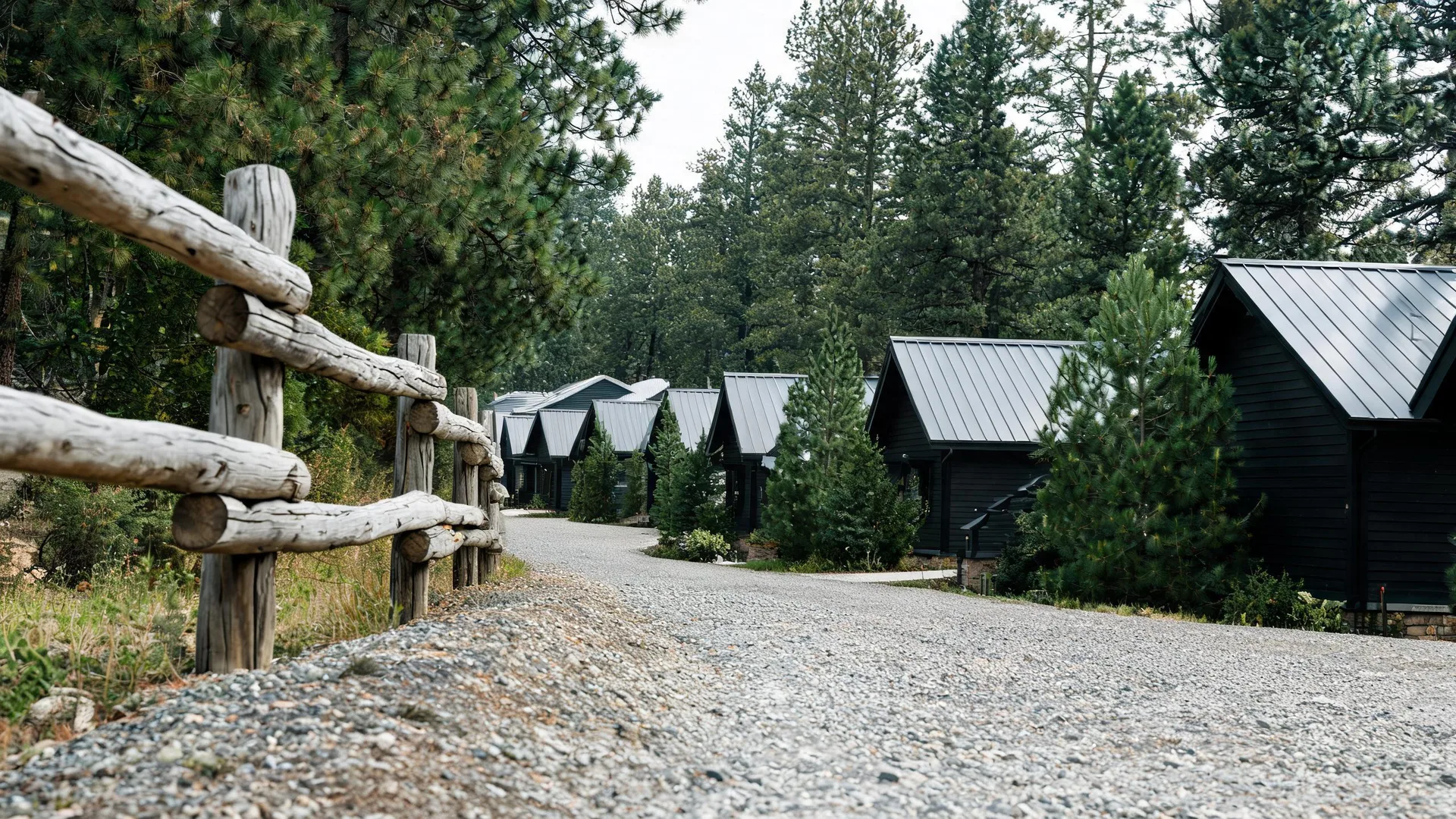





A gravel road lined with a rustic log fence on the left and a row of dark-clad gabled cabins with metal roofs on the right, surrounded by pine forest.

Furnace Repair in Pasco, WA

Tell us about the job

Takes about a minute. No obligation.

RepairFurnace or heatingFranklin County, WA
Step 1 of 2

What ZIP code is the job in?

Furnaces in Pasco run from October through May, about eight months of the year. Overnight lows average 28°F in December and January. That's cold enough that a furnace on the fritz needs attention fast, but it's not the kind of cold that wears a system out early. If yours is acting up, the cause is most likely something that shows up in furnaces anywhere. A failing igniter. A dirty flame sensor. A filter so clogged it's choking airflow. A tech needs to find which one it actually is before anything gets replaced.

8 months
October through May, your furnace is on duty
28°F
the average winter night it heats against
14 winter storms
in ten years, the nights a failure hurts most
Isometric line illustration of a cutaway single-story house with a shingled roof, showing an interior furnace connected to ductwork and a tall vertical flue pipe, plus simple furniture in the adjacent room.
Your furnace works hardest from November through March.

NOAA nClimDiv, 1991–2020 normals

September is the last quiet month before Pasco furnaces switch on for the year.

A furnace with a weak part usually shows it the first week it has to work, not before.

Washington's electricity costs $34.87 per million Btu, so a furnace running badly here isn't cheap

Heat runs October through May
Winter nights average 28°F
Climate zone 5B

Half the homes in Franklin County were built in 1997 or later. If that's your house, the furnace in it hasn't had decades to wear down. Furnaces generally last a good while when they're maintained, and a newer system acting up is usually dealing with one bad part, not old age catching up with it. That's worth knowing before anyone talks about replacing it. A repair is the right first call.

A newer furnace is worth repairing

A newer furnace acting up is almost always a fix, not a replacement. Get the part diagnosed and repaired before anyone talks about a new system.

Find a contractor
A man in a cap, dark jacket and tan pants carries a worn duffel bag as he climbs porch steps toward a dark blue front door beside a potted shrub.
A gray residential gas furnace installed in an unfinished basement, surrounded by ductwork, a metal flue pipe, and a gas supply line.

What months of daily use start to show

A furnace that runs every day for months gives you warning before it quits outright. The blower cycling on and off faster than it used to, short cycles instead of one steady run. A flame that looks yellow or orange instead of blue. Rooms that used to heat evenly now have cold spots. Banging or popping when it starts up, which is usually the heat exchanger expanding after sitting cold. A burning smell that lingers past the first few minutes of a cold start. Any one of these points to a specific part working harder than it should, and the longer it runs that way, the more likely it takes something else down with it.

Check the simple stuff first

Make sure the thermostat is set to heat and the setpoint is actually above room temperature. Check the furnace switch, it looks like a light switch near the unit and it's easy to bump off. Look at the breaker too. Pull the filter and hold it up to a light. If you can't see through it, that alone can cause a furnace to shut down or blow cold air.
What to leave alone

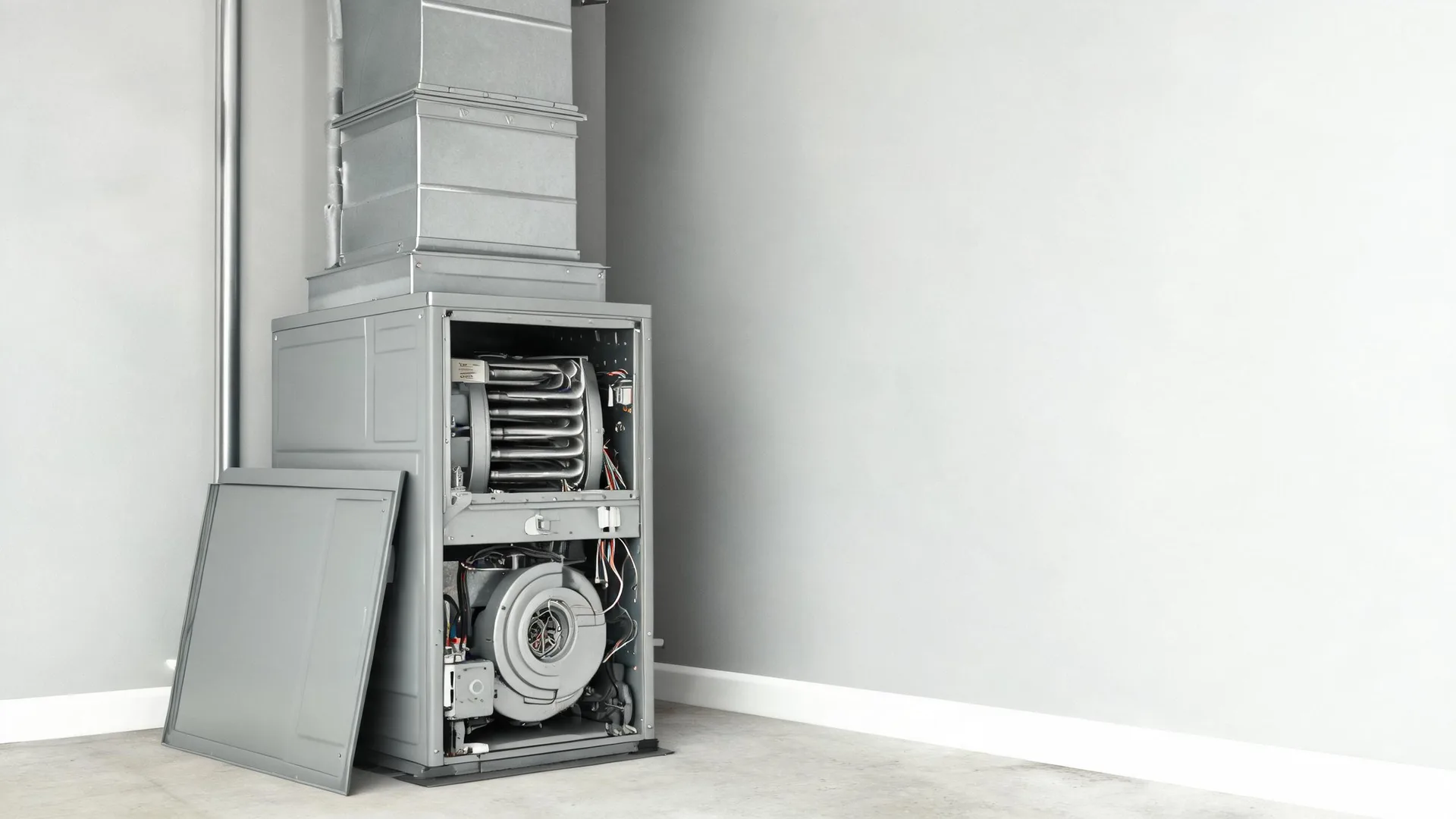
Don't open the burner compartment or touch the flame sensor and igniter yourself. Don't reset the system more than once if it won't stay running, a furnace that shuts off repeatedly is protecting itself from something and keeps a tech from seeing what tripped it first. If you smell gas, don't flip any switches at all. Get outside and call from somewhere else.

A furnace that's struggling usually isn't failing all at once. It's one part working harder to cover for another, and that part wears faster because of it. A flame sensor coated in residue makes the furnace shut off early, so it short cycles, and short cycling is hard on the blower motor and the ignition system both. A clogged filter starves the system of airflow, and a furnace starved for airflow runs hotter than it should, which puts stress on the heat exchanger. That's the part you don't want stressed, since a cracked heat exchanger is a safety issue, not just a repair. None of this happens on the first bad day. It happens over the days the furnace keeps running while the real problem goes untouched.

The question isn't really the furnace's age, it's what's actually wrong with it. A cracked heat exchanger means replacement, because that part isn't made to be opened up and fixed, it's sealed for a reason. A bad igniter or a failed flame sensor is a different story entirely, those get swapped out in one visit and the furnace runs like nothing happened. Motors and control boards sit in between. A blower motor can be replaced on its own, but if it's original to the furnace and the rest of the system is the same age, a tech will tell you if you're about to chase one worn part with another. The part that failed tells you more than the number of years it's been running.