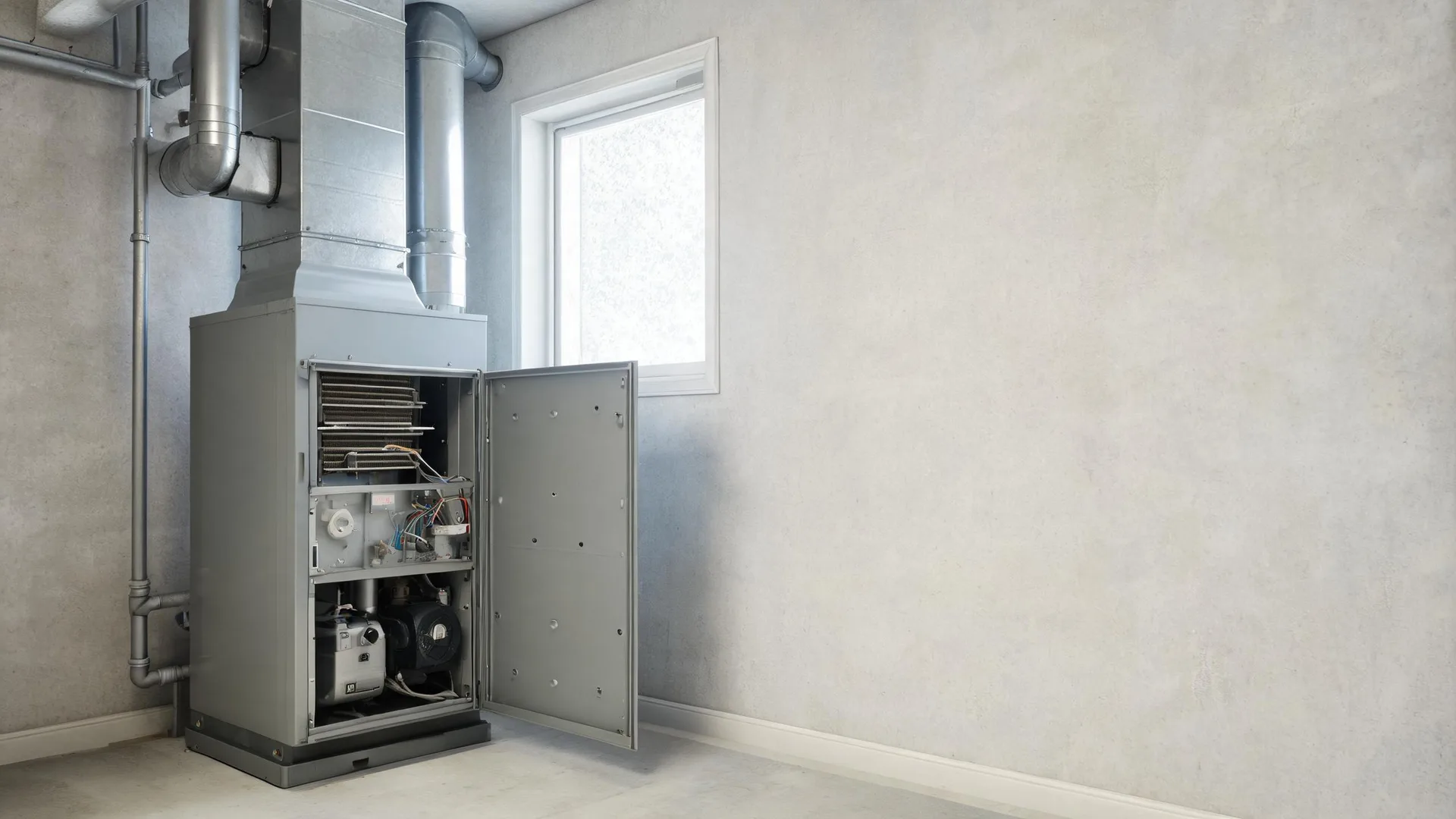
Ten months of heat a year
Furnaces in Pomeroy run from September through June, with overnight lows averaging 27°F through December, January and February. There's barely a stretch where the furnace gets to sit idle and cool down.
Takes about a minute. No obligation.
Furnaces in Pomeroy run from September through June, with overnight lows averaging 27°F through December, January and February. There's barely a stretch where the furnace gets to sit idle and cool down.
A furnace running nearly year-round wears through igniters, blower motors and heat exchangers faster than one that gets a real summer off. When something acts up here, it's worth having a contractor check the whole system, not just patch the symptom.
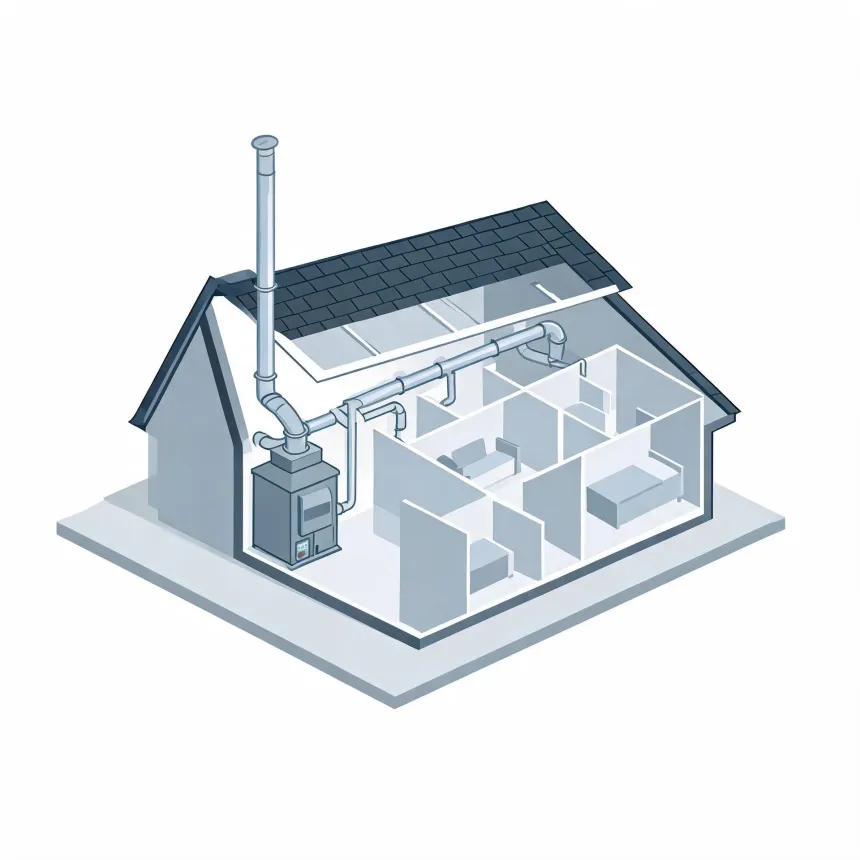
NOAA nClimDiv, 1991–2020 normals
Half the homes in Garfield County were built in 1957 or earlier.
A furnace that came with a house that old has likely already been replaced once, and the one in there now may be closer to the end than the beginning.




Before paying for a big repair, ask the contractor how much life the furnace has left. If it came with the house, find out whether it's been replaced before and when the one in there now was installed. A repair on a furnace near the end doesn't buy much time. That's worth knowing before the money goes out.
Something acting up on a furnace that runs ten months a year is rarely a one-part problem. Have a contractor check the whole system before putting money into a single fix.
Find a contractorA furnace that's struggling still tries to do its job, and that's the problem. A cracked heat exchanger keeps firing. A failing igniter keeps trying to catch. A blower motor on its way out keeps spinning, just slower or hotter than it should. None of that forces a shutdown right away, so the system keeps running in a state it wasn't built to run in. Heat exchangers are a good example. A small crack lets combustion gases mix into the air stream, and that crack grows every time the metal heats up and cools down. Left alone, it doesn't heal, it spreads. A blower motor working against a clogged filter or blocked vent runs hotter than it should on every cycle, and heat is what wears a motor down. Small problems left running don't stay small, they just stay hidden until the part that was struggling finally quits.
Short cycling is usually the earliest sign, the furnace firing up and shutting off again before the house warms. Cold air out of the vents while it's running points at the same thing from a different angle. A burner that won't catch on the first try, or takes a few attempts with a clicking or humming sound before it lights, means the igniter or the flame sensor is on its way out.
A furnace makes the same sounds every cycle once it's broken in, so a new one is worth paying attention to. Banging or booming at startup usually means gas is building up before it lights. A screech or grinding points at the blower motor or its bearings. Any smell of exhaust inside the house, not just at startup, means stop running it and get it looked at before the next cycle.
Before calling anyone, check the thermostat batteries and make sure it's set to heat, not just on. Look at the air filter next and hold it up to a light. If you can't see through it, swap it, a clogged filter chokes the airflow and can shut the furnace down on its own safety switch. Check that the furnace switch, the one that looks like a light switch near the unit, hasn't been bumped off, and that the breaker for it hasn't tripped. If the furnace has a standing pilot, see if the flame is lit and burning blue, not yellow or flickering. None of that calls for tools or taking anything apart. If the furnace still won't run right after that, the problem is inside the cabinet, and that's a job for someone who works on these for a living.
Age matters more than the symptom. A furnace that won't light and a furnace that's getting old can show the same stalled ignition, but one is a part swap and the other is a system near the end of its service life. The parts that fail most, the heat exchanger and the blower motor, are also the ones that cost the most to replace on their own, so a repair bill on an older unit can land close to what a new system would run. A contractor who's opened the cabinet can tell you which kind of problem you've got, because the wear shows in more than one place once a furnace is getting old. One failed part on a furnace that's otherwise sound is worth fixing. The same part failing on a furnace that's already had other repairs is a different conversation.