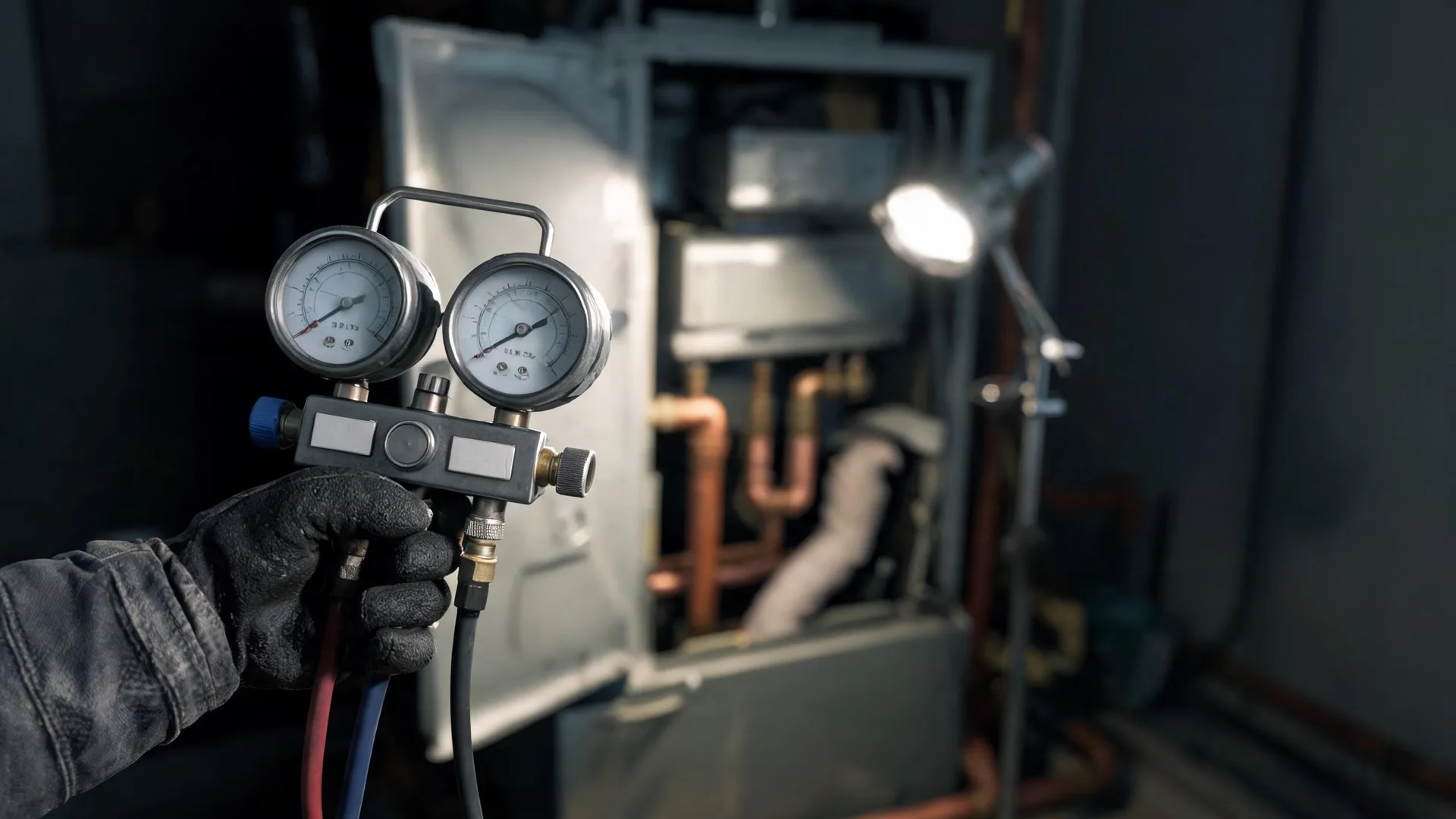
Nine months of heat a year
A furnace in Pullman runs from September through May, with overnight lows averaging 27°F in December, January and February. That is most of the year spent cycling on and off to keep up.
Takes about a minute. No obligation.
A furnace in Pullman runs from September through May, with overnight lows averaging 27°F in December, January and February. That is most of the year spent cycling on and off to keep up.
Nine months of heating a year puts more hours on an igniter, blower motor and heat exchanger than a system that only runs through a short winter. When something goes wrong here, it is often a part that has worn down from steady use, not a defect or a fluke.
NOAA nClimDiv, 1991–2020 normals
Furnaces in Whitman County start running in September, after sitting quiet since spring.
The first weeks of September are when a weak igniter or a bad limit switch tends to show itself.



A furnace usually gives some warning before it quits outright. It might take several tries to light where it used to catch right away. The burners might burn yellow and flicker instead of holding a steady blue. A bang when it starts up usually means gas is pooling before it catches instead of lighting on contact. A blower that runs without stopping, or one that short cycles on and off, is working against a problem somewhere else in the system. Cold air out of the vents for more than a few seconds before the burners kick in points to an ignition problem, not just a normal startup lag. None of this means the furnace is finished. It means a part has worn past doing its job, and it is worth having someone look at it before it fails on a night you need the heat most.
A furnace that's worn from nine months of steady use won't always fix itself with a filter change. If yours is lighting late, flickering, or running longer than it used to, that's wear showing up early, and it's worth having someone trace it to the actual part before it leaves you without heat on a 27 degree night.
Find a contractor
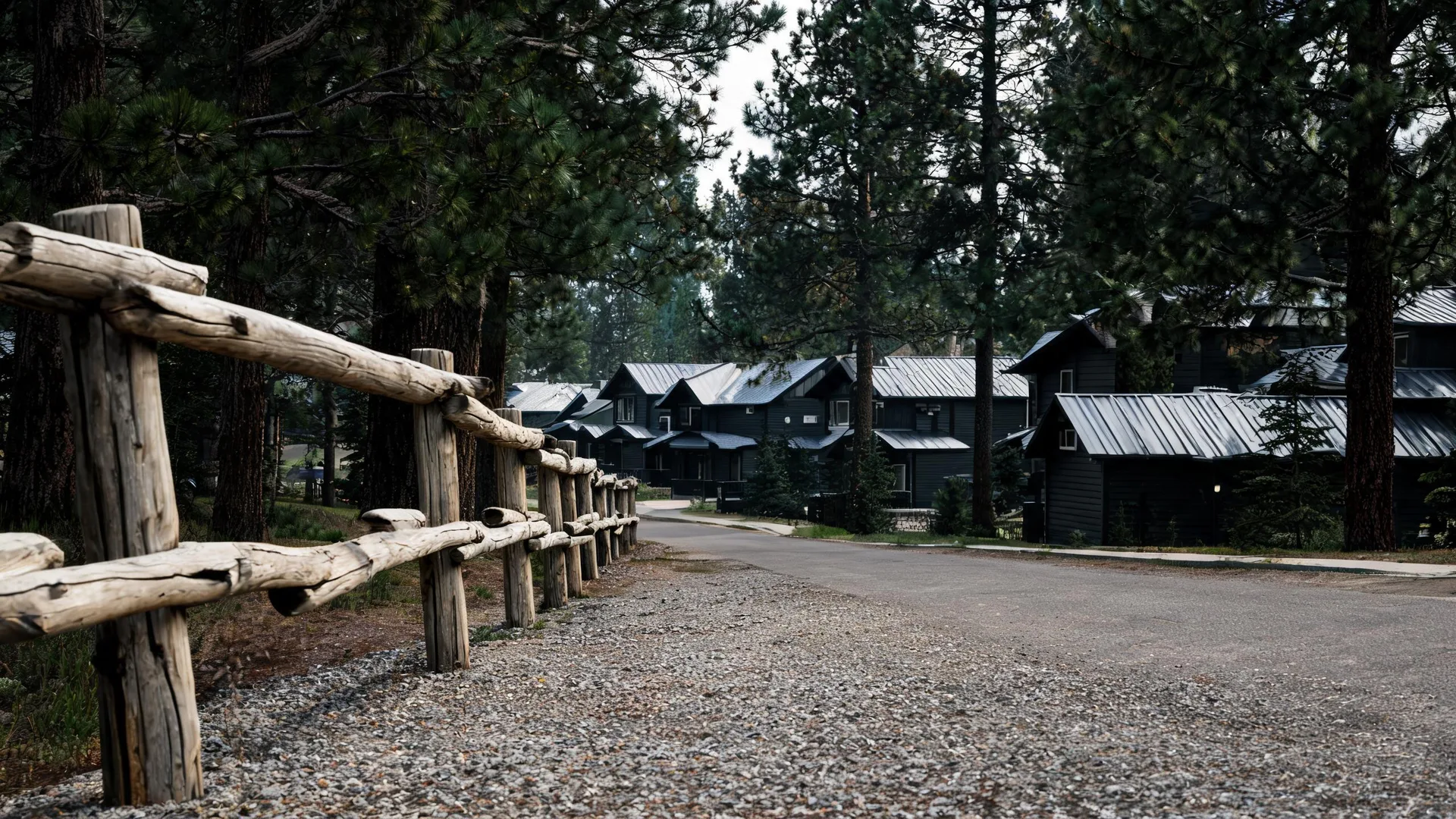
Most furnace failures trace back to the same handful of parts. The igniter takes the hardest hit. It heats up and cools down every cycle, and that repeated stress is what eventually cracks it. A flame sensor fails differently. It sits right in the burner flame, and over time it builds up a coating that keeps it from sensing the flame at all. Once that happens the furnace shuts itself off as a safety measure, even though nothing else is wrong. Blower motor bearings wear out from hours of spinning, not from cold weather. The heat exchanger is the part that actually warms the air passing through, and it can crack after years of heating up and cooling back down. None of these parts fail because a furnace is old on paper. They fail because they have been asked to cycle on and off so many times, and each cycle takes a little more out of them.
Make sure the thermostat is set to heat and set above room temperature. Check the furnace switch, the one that looks like a light switch near the unit, and make sure it's on. Look at the breaker panel for anything tripped. If the furnace uses a standing pilot, check whether it's still lit. These take a minute to rule out before assuming a part has failed.
Swapping the air filter is safe and worth doing if it looks dirty, since a clogged filter can cause the short cycling or weak airflow that looks like bigger trouble. Past that, leave the burner compartment closed and don't keep trying to relight a pilot that won't hold. Gas and flame are involved, and a part that keeps failing to light or hold a flame needs someone who can test it properly.
A furnace that's struggling doesn't fail cleanly. It keeps trying. A cracked igniter might still catch on the third or fourth attempt, so it keeps running instead of getting replaced. A dirty flame sensor might hold the flame just long enough before it drops out, so the burners shut off and relight over and over through the night. Each of those extra cycles puts more load on the parts around the one that's actually failing, the blower motor, the control board, the heat exchanger. A furnace that short cycles all night has run its igniter and blower through far more starts than one that lit clean the first time. Left alone, a small problem like a weak flame sensor can wear down a good igniter just by forcing it to work overtime.
A diagnostic visit starts before any panel comes off. A tech will ask what the furnace was doing right before it quit or started acting up, since the order of events matters. Did it try to light and fail. Did it light and then shut off. Did the blower run with no heat behind it. From there it's a set order. Check for power at the board. Check the igniter or pilot. Watch a full ignition cycle to see exactly where it breaks down. A flame sensor gets pulled and checked for buildup before anyone assumes it needs replacing. The heat exchanger gets inspected for cracks, since that's a safety issue and not just a comfort one. Most of this is watching the furnace try to do its job and seeing exactly where it stops trying.