
The old system doesn't need to run first
A contractor can pull out a furnace, an air conditioner or a boiler whether or not it still works. Disconnecting it is part of the installation job, not a separate step you have to arrange.
Takes about a minute. No obligation.
Nearly a quarter of Washington households lost power for a full day or longer in 2024. A heat pump depends on electricity to run, for both heat and air conditioning, so an outage here means the system stops until the power comes back. Bellingham sits in a region that sees its share of storms off the water, and an outdoor unit left exposed takes the brunt of that weather. Where the outdoor unit goes, and what shelters it, is worth thinking through before installation, not after.

A heat pump here runs on standard sizing and a standard efficiency rating, same as most homes in the county.
At 11.90 cents per kilowatt-hour, Bellingham homeowners don't need to pay more for capacity or efficiency this house doesn't need.




Price moves with what the job actually requires, not just the equipment on the truck. A heat pump matched to the house through a proper heat loss calculation often costs more upfront to spec than one sized by a rule of thumb, but undersizing or oversizing both cost you later in comfort and compressor wear. Ductwork condition matters too. Existing ducts that are leaky, undersized, or routed poorly may need rework before the new system can deliver what it's rated for, and that's labor a straightforward swap doesn't involve. The electrical panel is another variable. Some homes have the capacity to take a new circuit without trouble, others need panel work first, and that's not something a contractor can know until they look. Refrigerant line length and routing factor in as well, since longer runs or ones that require new lineset cost more in material and labor than reusing what's already in place. None of this is padding. It's the difference between a quote that reflects the house and one that doesn't.
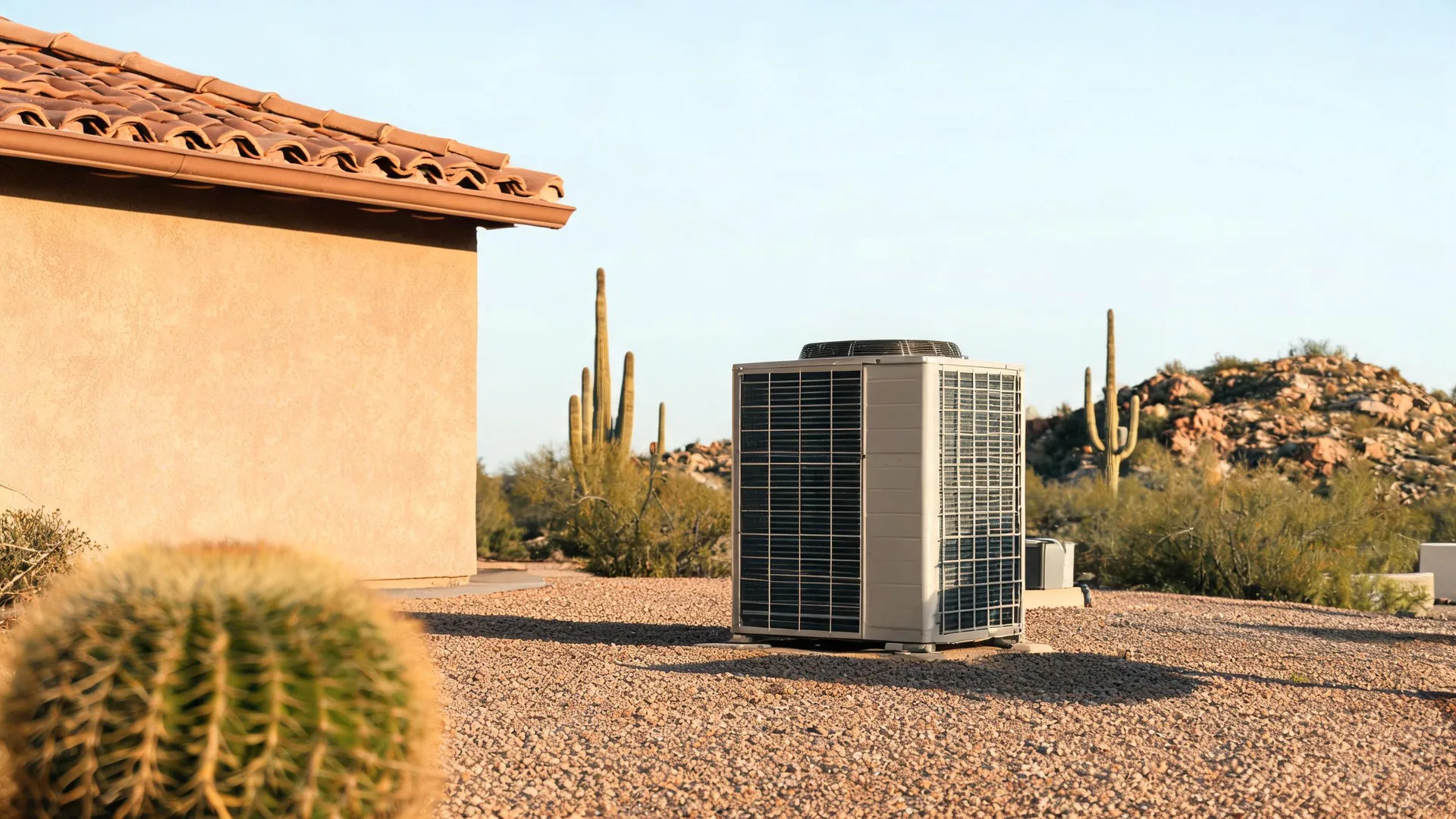
Ask where the outdoor unit will sit and what keeps hail and storm debris off it before anyone installs it. Ask too how the system handles the next outage, since a heat pump needs power to run at all. Both are easier to settle now than after the unit is already in the ground.
Find a contractorThat mild low is why sizing matters more than horsepower here. A heat pump matched to this house will spend the winter running long, steady stretches instead of short, hard ones, and that steady pace is what keeps a compressor going for years. There's no reason to pay for a bigger or more efficient unit than this climate asks for. Ask the contractor to size the system to your house and to this county's winters, not to the worst cold snap on record elsewhere.
A contractor can pull out a furnace, an air conditioner or a boiler whether or not it still works. Disconnecting it is part of the installation job, not a separate step you have to arrange.
An old air conditioner or heat pump holds refrigerant that has to be recovered before the unit is cut apart or hauled off. That's a licensed step, not something done with a wrench and a truck.
When you're comparing quotes, ask what size unit each contractor is proposing and how they got there. A heat pump sized by a room by room heat loss calculation will differ from one sized by a rule of thumb, and the difference shows up later in comfort and in how often the compressor cycles. Ask about the low ambient rating, the outdoor temperature where the unit's output starts to drop off, since that number tells you more about cold weather performance than efficiency rating alone. Ask whether the quote includes a backup heat source and how the system decides when to use it. And ask who services the brand locally. A heat pump with no nearby parts supply or trained technicians is a harder machine to live with, no matter how it was priced.
Installation day starts with the old equipment coming out and the new outdoor and indoor units going in, but most of the day actually goes into the parts you don't see. The refrigerant lines get run or reused, pressure tested, then pulled into a vacuum to clear out air and moisture before any refrigerant goes in. Skip that step or rush it and the compressor is working against moisture and contamination from day one. The electrical side needs its own circuit sized to the new unit, not just a reuse of whatever fed the old one. Once everything's connected, a contractor charges the system to the manufacturer's spec and checks it against the line length, since too much or too little refrigerant both show up later as poor performance. Before anyone leaves, the system should run through a full heating and cooling cycle while someone checks airflow at the registers and confirms the thermostat is actually talking to the new equipment.