
How long a heat pump lasts in Seattle, WA

New system or replacementHeat PumpKing County, WA
Step 1 of 2

What ZIP code is the job in?

A heat pump in Seattle typically runs 12 to 15 years, often longer than it would in places with harsher summers, since it never has to work against heavy heat. Winter is the harder season on it here. Cold, damp weather makes the unit run its defrost cycle more, melting ice off the outdoor coil so it can keep pulling heat from the air. That cycling adds wear over the years. Most homes in the area heat with electricity, so the heat pump is doing the job a furnace would do elsewhere, carrying the load through the cold months, not just running air conditioning in summer. A unit that is maintained well, with clean coils and refrigerant at the right level, tends to land at the higher end of that range. One that gets skipped on service, or that was sized wrong for the house to begin with, tends to fall short of it. If yours is past 12 years, it is worth knowing what condition it is in before it fails on a cold night.

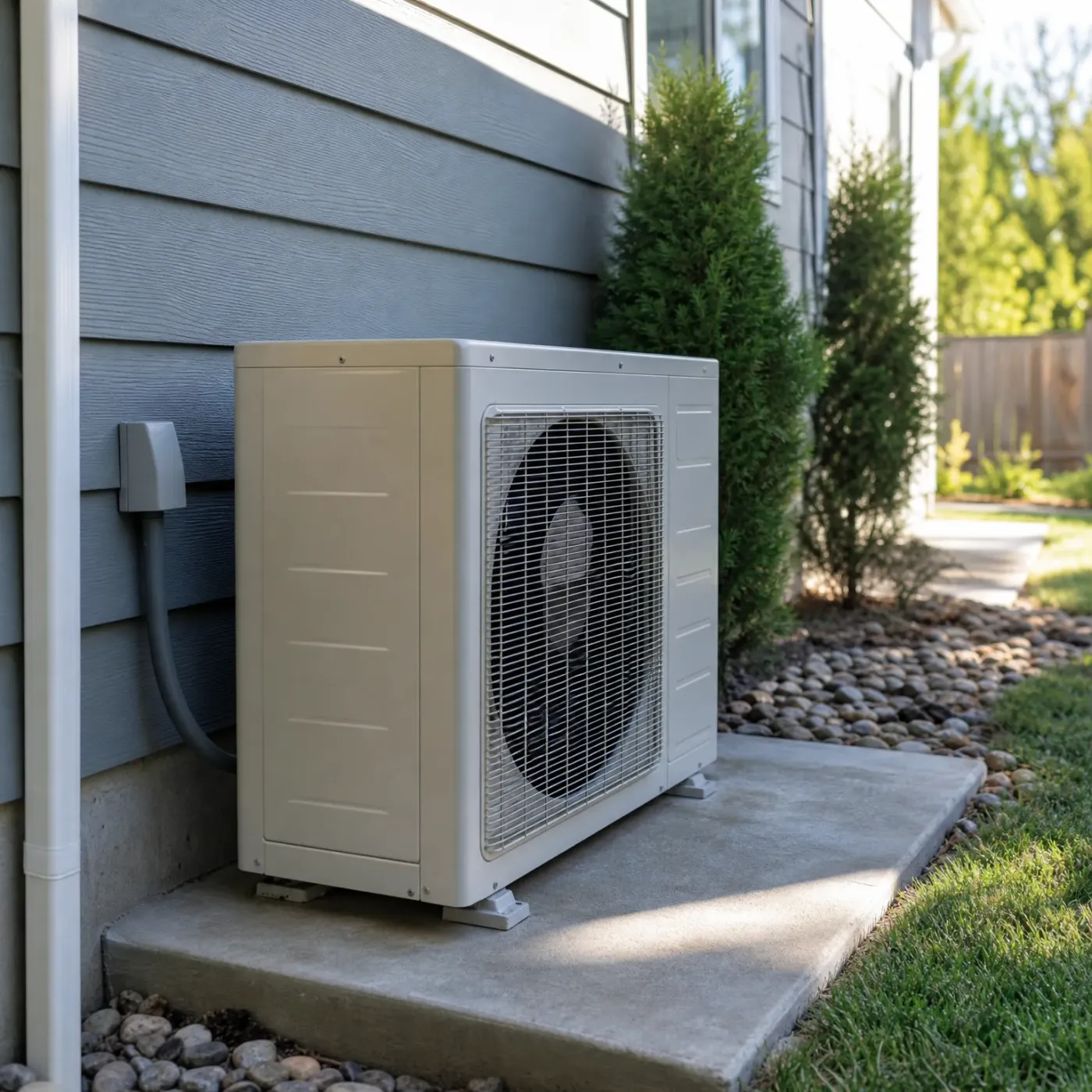
A gray outdoor air conditioner condenser unit on a concrete pad beside a house with horizontal lap siding and a stone veneer base, with a conduit running to a wall-mounted disconnect box and shrubs and evergreen trees to the left.

Running the way it should

At this age the unit cycles on, runs its defrost, and shuts off without you noticing. Your winter bills stay in the range you expect. No ice building up on the coil, no short-cycling, no strange noise from the compressor. It's doing the job it was installed to do.


An outdoor air conditioning condenser unit sits on a concrete pad beside a white horizontal-siding house, with a gray electrical disconnect box and insulated refrigerant lines on the wall, mulch and green shrubs to the right, and a concrete slab in the foreground.

Past its working years

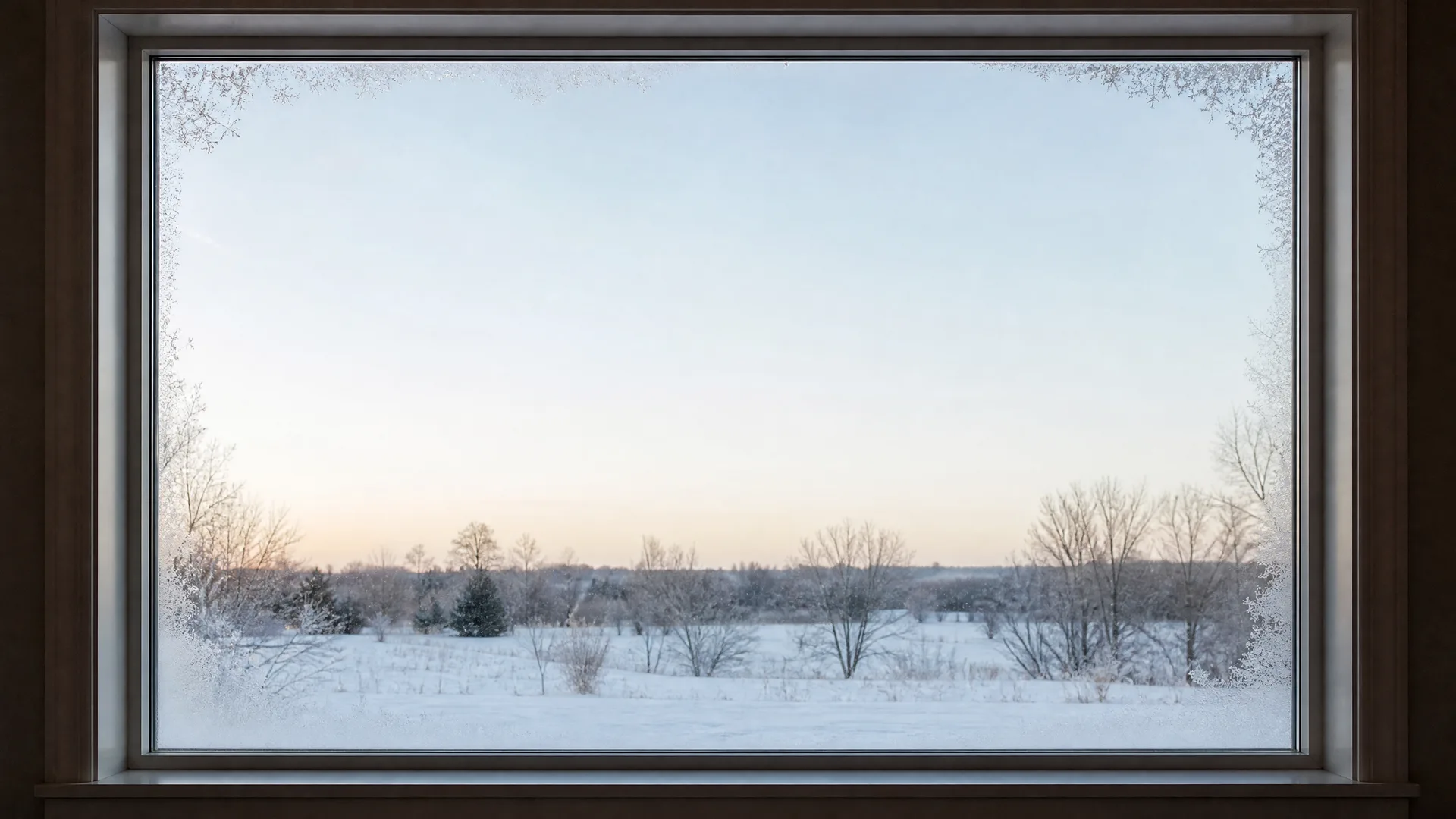
This one has been through enough winters that the wear shows on the cabinet and the coil behind it. It may still run, but it's working harder for the same heat, tripping its defrost more, and costing more to keep going. That's the point to start pricing a replacement.

Why does a heat pump work so hard to keep up here?

  • Winter nights average 32°F

    Winter nights average 32°F in King County. That's close to freezing, often enough that your heat pump defrosts its coil over and over through the night.

  • Heat runs September through June

    Heat runs September through June in King County. That's ten months of the year your heat pump is working, far more than it rests.

  • Power here costs 15.52 cents per kilowatt-hour

    Power here costs 15.52 cents per kilowatt-hour. With your heat pump running most months, that rate shapes your bill more than almost anything else you can't change.

NOAA nClimDiv 1991-2020 · EIA-861 2025

Most of the wear on a heat pump happens in winter, not summer. Each defrost cycle reverses the system, melts the coil, then switches back to heating, and that reversing valve logs thousands of extra cycles over a season here that a furnace never has to make.

That's why two heat pumps installed the same year can age at different rates. The one set to defrost only when the coil actually ices over lasts longer than one left to run the cycle on a timer, whether it needs it or not.

Winter nights average 32°F

At 32°F the coil sits right at the edge where frost forms easy, so your heat pump is defrosting most nights all winter. Each defrost is a cycle the compressor and reversing valve have to make. Over a winter that adds up to wear a furnace never sees.

NOAA nClimDiv 1991-2020

A man in a gray sweater reclines in a brown leather armchair with his eyes closed, beside a wooden side table holding a mug, a folded newspaper and a potted plant, with a bookshelf and sunlit window behind him.
A man with greying hair and a dark sweater leans back on an armchair with his eyes closed and a slight smile, in a living room with a bookshelf, plant, folded newspaper and mug on a wooden table.
A man in a gray fleece jacket sits reclined in a leather chair with his eyes closed, in a room with bookshelves, a table lamp, a window, and a desk holding a folded newspaper and a dark mug.
A bearded man in a gray fleece pullover sits with eyes closed in a brown leather armchair in a living room, with a floor lamp, bookshelf, potted plants, a side table holding newspapers and a dark mug, and a bright window behind him.

Stop chasing a heat pump pro

Skip the round of in-home estimates for a new heat pump.

It costs nothing to send, and you don't have to hire anyone.

What an aging unit looks like

Past 12 years, you start to notice the defrost cycle running longer and more often on cold, wet nights. The unit stays in defrost mode instead of switching back to heating as fast as it used to. You might hear the compressor labor a little when it kicks back on, or notice frost that lingers on the outdoor coil longer than it should. Your January and February bills creep up even though you haven't changed the thermostat. None of this means it's done, but it means the reversing valve and compressor are working harder for the same amount of heat.

What happens if it fails

If the compressor or reversing valve gives out in the middle of winter, you lose heat on a night that's sitting near freezing, not a mild one. King County doesn't get deep cold often, but when a heat pump quits here, it's usually during the exact stretch of nights that pushed it into failing in the first place. That leaves you without heat while you sort out whether it's worth repairing a 13 or 14 year old unit or replacing it outright, and that decision is harder to make well when the house is already cold.

A gray-haired man in a blue sweater over a checked collared shirt sits in an armchair with his eyes closed and head tilted back near a bright window, with a houseplant and lamp nearby.
A woman in a cream knit sweater sits with closed eyes in an armchair beside a window showing orange autumn foliage, with a framed picture, plants, and a white mug on a wooden table nearby.

What You Know Now

  • A heat pump in King County typically lasts 12 to 15 years, with winter defrost cycles doing most of the wear.
  • Past the 12 year mark, longer defrost runs and higher bills are signs the unit is nearing the end of its life.
  • A furnace never has to reverse itself the way a heat pump does on a cold, damp night, which is why winter here matters more than summer.
  • Once you know where your unit stands, the next step is finding a contractor to look at it, not researching further.
  • Getting quotes usually means calling around, repeating the same details to each company, and comparing bids on your own.
  • Sending one request here replaces that work and puts a licensed contractor in touch with you instead.

Twelve to fifteen years is the span for a heat pump in King County, and winter is what decides where in that range yours lands. Every cold, damp night it defrosts, reverses, and switches back, and that cycle does more to wear out a compressor and reversing valve than anything summer asks of it. A furnace never has to do that. If yours is still young, the pattern is simple to watch for: defrost cycles that run short, bills that stay predictable, no ice holding on the coil. If it's past 12 years, watch for the opposite. Longer defrost runs, a compressor that sounds different than it used to, a bill that creeps up on nights that used to be ordinary. None of that tells you the exact day it will fail, but it tells you which half of that 12 to 15 year range you're likely in.

Once you have a sense of where your unit stands, the useful next step isn't more reading, it's getting a contractor to look at it directly. On your own that usually means finding a few companies, calling each one, explaining the same details about your unit and your house every time, then sitting with a stack of quotes trying to compare them fairly. Sending one request here skips that part. It puts a licensed contractor in touch with you so the next conversation is about your heat pump, not about finding someone to talk to about it.

A beige outdoor heat pump or air conditioner condenser unit on a concrete pad beside a gray horizontal-siding house, with a disconnect box and conduit on the wall, shrubs, river rock and lawn nearby.

Send one request and you're done looking

Hand it over

Describe the project once instead of to every installer.

No charge to send it. You decide if you hire them.