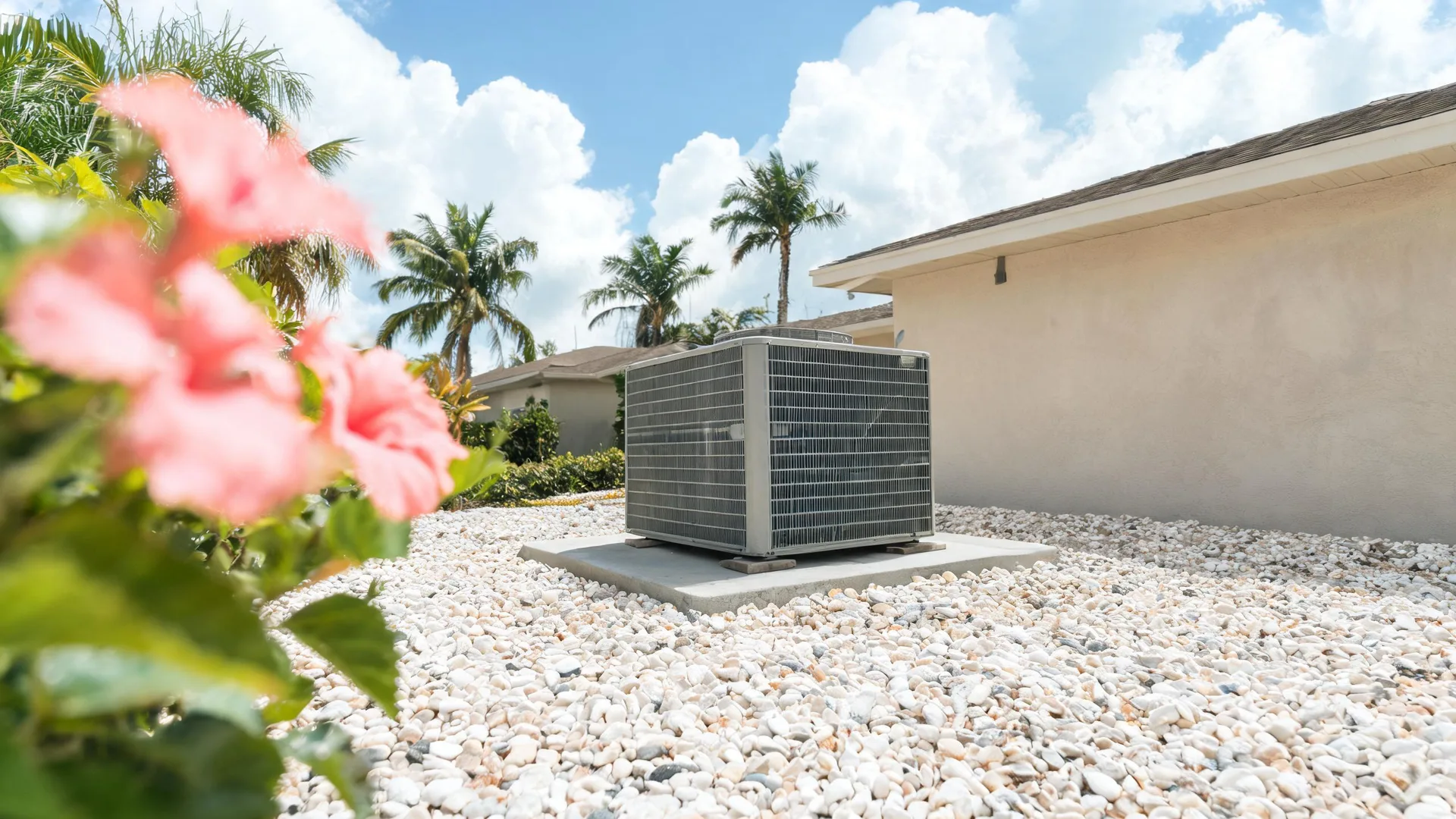
Zone 6B sets the floor
Newport falls under zone 6B in the 2021 energy code, a cold zone where winter runs long. Any heat pump going in has to meet that standard, not a milder one from somewhere else.
Takes about a minute. No obligation.
Newport falls under zone 6B in the 2021 energy code, a cold zone where winter runs long. Any heat pump going in has to meet that standard, not a milder one from somewhere else.
A split-system heat pump built new has to hit at least 14.3 SEER2 for cooling and 7.5 HSPF2 for heating. That's a federal minimum, so a quote for anything less doesn't meet code here.

Winter cold is what a heat pump here works against, not summer heat.
Pend Oreille County averages 20°F on winter nights, so sizing for heating matters more than sizing for cooling.



Heat here runs from September through June, about ten months of the year. August is the one real gap, and it's the month to get a new heat pump installed. Wait until the first cold snap and you're choosing a system under pressure, maybe living with space heaters while parts get ordered. Go in August and the contractor can size the install properly and commission it without a deadline bearing down. By September it's just running, on your schedule instead of the weather's.
A standard heat pump, sized right and rated for zone 6B, is built for what winter here asks of it. Washington's electricity runs 11.90 cents per kilowatt-hour, among the cheaper rates in the country, so there's no case for overspending on a bigger or pricier unit than this house needs. Get the sizing right and the rest takes care of itself.
Find a contractor
Compressors wear from running hard, and nothing here asks that of one. Pend Oreille County saw winter storms 319 times over the past decade against 6 hail events, so cold is the thing this system answers to, not stress on the equipment. A heat pump sized for zone 6B and left to run steady through the cold months isn't working against hail dents or wind-driven debris. If something goes wrong down the line, it's more likely a sign of age or a skipped filter change than a system that got pushed past what it was built for.
Whoever installs the new heat pump takes the old one out as part of the job, condenser, air handler or furnace, and whatever line sets or pads go with it. Refrigerant has to be recovered from the old system before it's cut loose, not vented, so that part of the teardown is handled on site before anything leaves.
If the old system is a furnace paired with central air, going to a heat pump usually means some duct and electrical work beyond a straight swap. A heat pump runs on electric power and moves both heat and cold air through the same ducts, so the contractor needs to check that the existing ductwork and the home's electrical panel can handle it before the old furnace comes out.
When you're comparing quotes, ask what size unit each contractor is proposing and how they got that number. It should come from a load calculation done for this house, not a guess based on square footage or whatever the old system was. Ask what happens below freezing, since some heat pumps lean harder on backup heat strips than others once the outdoor temperature drops, and that changes what you'll be running day to day. Ask whether the quote includes the backup heat source and how it's controlled. Ask who's responsible for checking the ductwork and the electrical panel before anything gets installed, not after. A contractor who answers these without hesitation has done the math already. One who quotes a price before looking at the house hasn't.
Install day starts with the old equipment coming out, refrigerant recovered first, lines and pads cleared after. The new outdoor unit goes on a pad or bracket, and the indoor coil or air handler gets set wherever the old one was, unless the ductwork needed changes first. Line sets get run between the units, pressure tested, then evacuated before any refrigerant goes in, since trapped air and moisture are what ruin a compressor early. A dedicated circuit gets wired for the new unit, sized to what it actually draws, not just whatever fed the old one. Once it's wired and charged, the contractor runs a startup check, reading refrigerant pressure, checking airflow across the coil, and making sure the thermostat is actually talking to the system. A heat pump that's wired but not commissioned properly will still blow air. It just won't run the way it's supposed to.