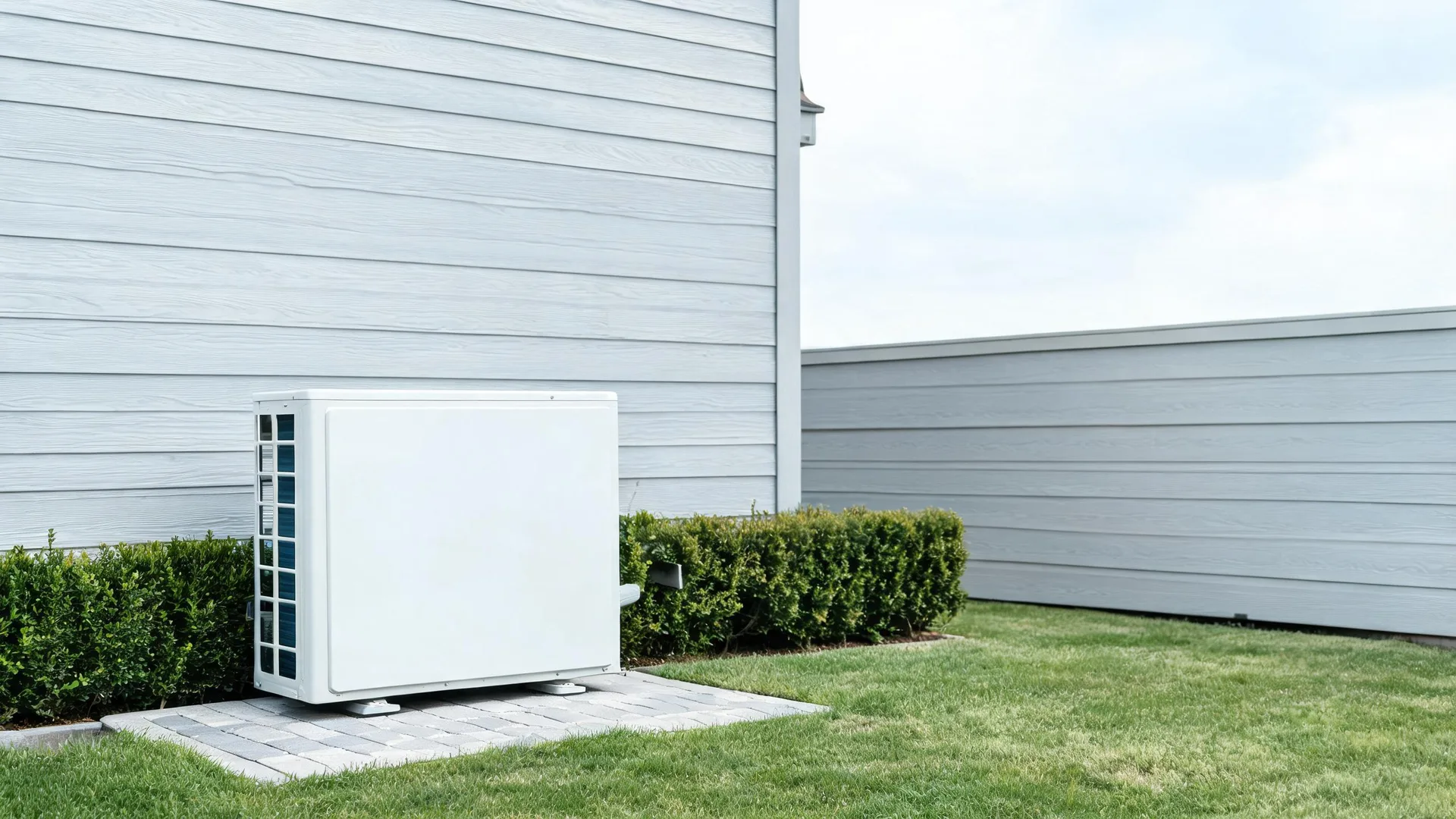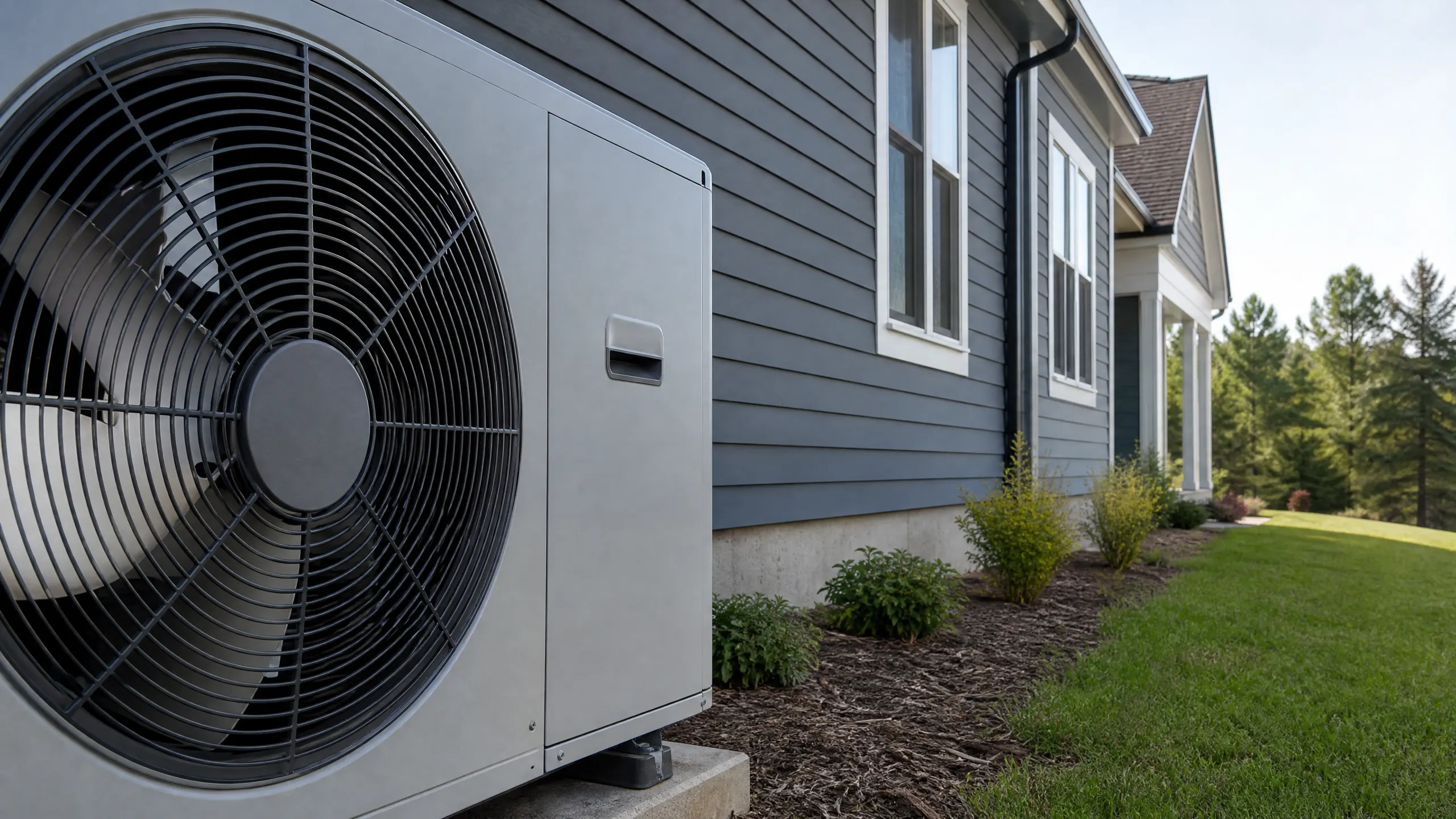
Most homes here run on electric heat
Electricity heats 72.2% of occupied homes in Adams County, with utility gas a distant second at 21.5%. A heat pump fits that setup without asking for a gas line that isn't there.
Takes about a minute. No obligation.
Electricity heats 72.2% of occupied homes in Adams County, with utility gas a distant second at 21.5%. A heat pump fits that setup without asking for a gas line that isn't there.
If your home already heats with electricity, a contractor can often use the existing electrical setup as a starting point. That makes a heat pump a straightforward swap rather than a rebuild.
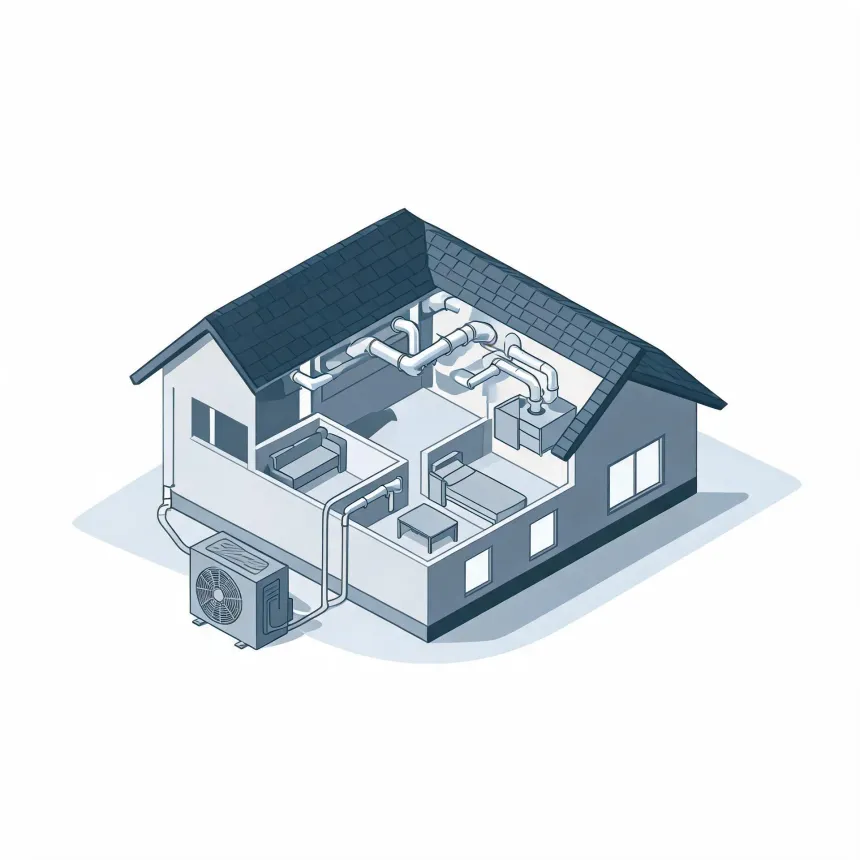
NOAA nClimDiv, 1991–2020 normals
Half the homes in Adams County were built in 1977 or earlier.
A heat pump going into a house that old has to match the ductwork and electrical panel already there, not a generic setup.




Adams County falls under climate zone 5B in the 2021 energy code, a zone built around the idea that heating does most of the work here. Any split-system heat pump installed new has to clear federal minimums of 14.3 SEER2 for cooling and 7.5 HSPF2 for heating. That is a floor, not a ceiling, so models rated higher than that are still on the table. A system meeting those numbers is sized for a cold season that runs longer than it would in a milder zone. On top of that floor, a federal tax credit is available on qualifying equipment, worth checking against whatever unit a contractor proposes.
Heat runs here from September through May, so August is the last quiet month before this system has to carry the load. Getting the install done before then means it's tested and running right from the first cold night, not diagnosed in the middle of one.
Find a contractor
A contractor sizing this job needs to see the panel and the ductwork before anything else, not after the unit shows up. If your home was built in 1977 or earlier, that's worth saying up front, since it means checking whether the panel has room for a heat pump's load and whether the ducts already there were sized for the system going in, or for whatever came before it. That walkthrough is what decides the right unit, not a size chart.
A contractor disconnects the refrigerant lines, the electrical whip, and the ductwork connections, then physically removes the old unit from the pad or closet. If the old system ran on gas, that line gets capped off properly, not just shut at the valve.
An old air conditioner or heat pump holds refrigerant that has to be recovered into a tank before the unit is cut apart or hauled off. That refrigerant can't legally be vented into the air, so a contractor needs the right equipment on site to pull it out first.
A heat pump that's too big cools the house fast and shuts off before it pulls the moisture out of the air, so the place feels clammy even at the right temperature. One that's too small runs flat out on the coldest nights and still can't keep up, leaning hard on backup heat strips to make up the difference. Sizing isn't about matching the old equipment either, since a furnace and AC from decades ago were often oversized by habit, not calculation. The real work is a room-by-room heat loss and heat gain calculation that accounts for window area, insulation, and duct condition, not just square footage. Get that number right and the system runs long, steady cycles that hold the temperature even and keep the humidity down. Get it wrong in either direction and the equipment works harder for a worse result, no matter how good the unit itself is.
The unit itself is only part of what's getting priced. Labor covers running new line sets or reusing them if they're in good shape, setting the outdoor unit on a pad or bracket, and tying into the ductwork or installing a new air handler if there isn't one. If the electrical panel doesn't have room for the heat pump's load, that's a separate job before the heat pump goes in at all. Backup heat strips add their own wiring, and some panels need upgrading just to carry that draw. Ductwork condition matters too. Leaky or undersized ducts sometimes get sealed or reworked so the system isn't fighting them from day one. None of that shows up on the unit's price tag, but all of it decides how the installed system actually runs.