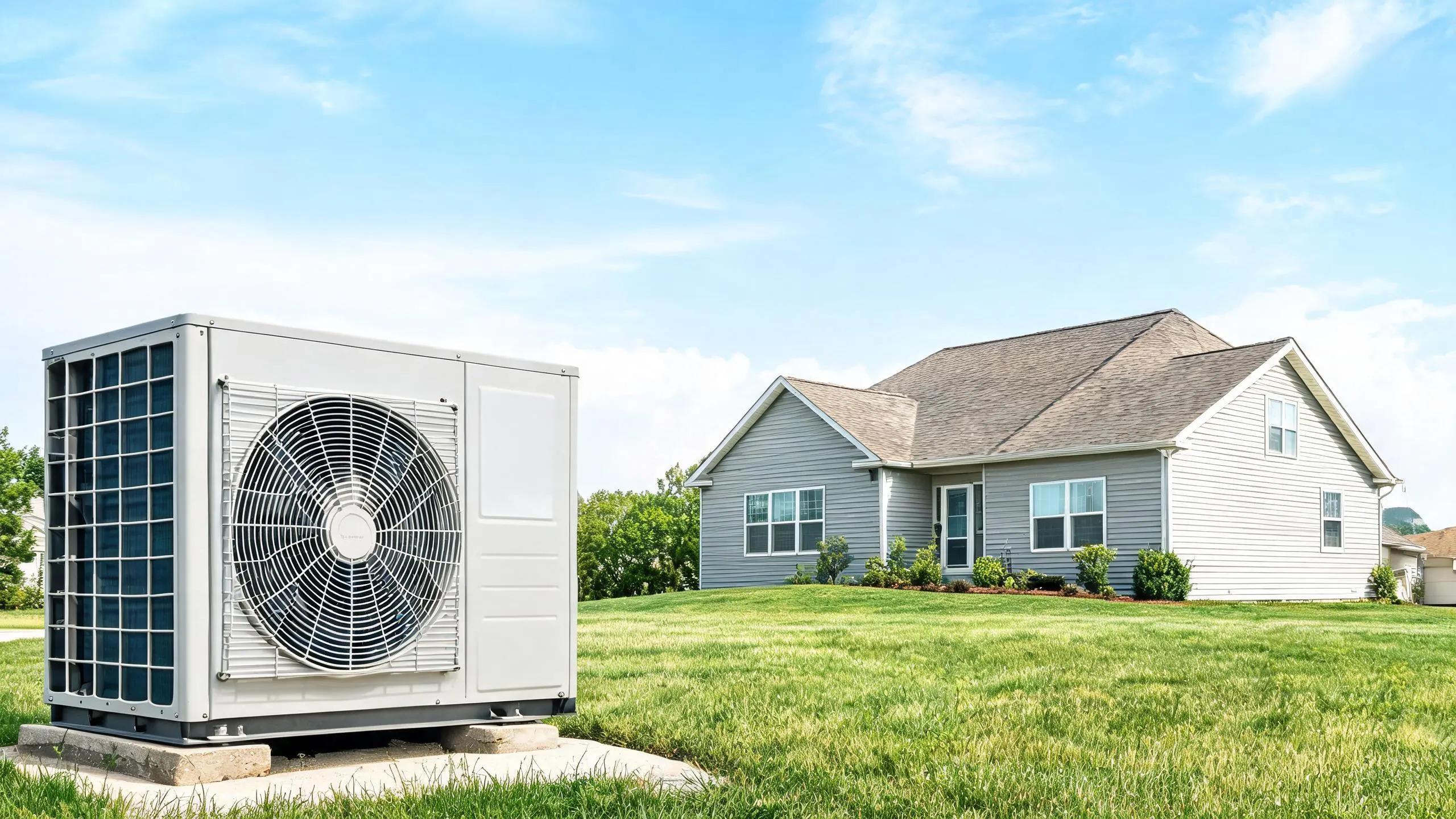
Most homes here already run on electricity
Electricity heats 66.6% of homes in Franklin County, and gas heats most of the rest. A heat pump runs on the power already wired into your home, so it fits the setup most homes here already have.
Takes about a minute. No obligation.
Electricity heats 66.6% of homes in Franklin County, and gas heats most of the rest. A heat pump runs on the power already wired into your home, so it fits the setup most homes here already have.
There's no gas line to cap or new fuel source to plan around. The work centers on the heat pump itself, the ductwork it ties into, and whatever electrical a contractor finds it needs.
NOAA nClimDiv, 1991–2020 normals
Nighttime lows here average 28°F through December, January and February.
A heat pump installed in Pasco has to handle cold nights, not months of deep freeze.



At 11.90 cents a kilowatt-hour, power here runs well under the national average. That changes what's worth paying for in a heat pump. A model a step or two down from the top efficiency tier costs less to install and still keeps the bill reasonable, because the rate per kilowatt-hour is already low. Put the money you save toward sizing and installation instead, since those decide how well the system holds the house at temperature. Ask the contractor to walk through installed cost across a couple of efficiency levels before deciding which one is worth paying extra for.
Heat runs here from October through May. September is the last month before that starts, and a heat pump installed before then gets tested on mild days instead of the first cold night.
Find a contractorSizing a heat pump isn't like sizing a furnace or an AC alone, because the same unit has to handle both jobs, and it has to be right in both directions. Too big and it cools or heats the house fast, then shuts off, then kicks back on again a few minutes later. That short cycling keeps the compressor starting and stopping instead of settling into a steady run, and starting is what wears a compressor down. Too small and it never shuts off at all, running long stretches trying to reach the setpoint, which loads the same part a different way. A contractor works out the size from how much heat the house actually loses and gains, room by room, not from matching the old equipment or rounding up for safety. Rounding up is exactly what causes the short cycling problem down the road. The ductwork gets checked too, since a duct system that can't move the air the new unit is pushing will fight the sizing no matter how carefully it was calculated.
A contractor has to work out how much heat the house loses and gains before pricing the equipment, because a heat pump sized by that math costs differently than one sized by guessing off the old furnace and AC. Getting this step done right is worth more to the final bid than which badge is on the unit.
A heat pump pushes a different airflow than the system it replaces. Existing ducts might carry that fine, or a return might need enlarging, a run resealed, or a damper added so the house doesn't end up with weak airflow in some rooms. None of that shows up until someone is looking at the actual ducts, which is why the quote can shift once a contractor gets eyes on them.
The number on the label, the SEER2 and HSPF2 rating, tells you how much heat the unit moves for the power it uses, measured under one set of lab conditions. It's a fair way to compare one model against another sitting next to it in a showroom. It's not a promise about your bill, because your bill depends on how long the system runs, how well the ductwork holds onto what it moves, and how the unit was sized for the house. A high rating on a unit that's oversized or feeding leaky ducts can still run up a bigger bill than a lower-rated one installed right. Ask the contractor to explain the rating in plain terms before you weigh it against the installed cost, because the badge on the unit matters less than what happens to the air after it leaves the unit.
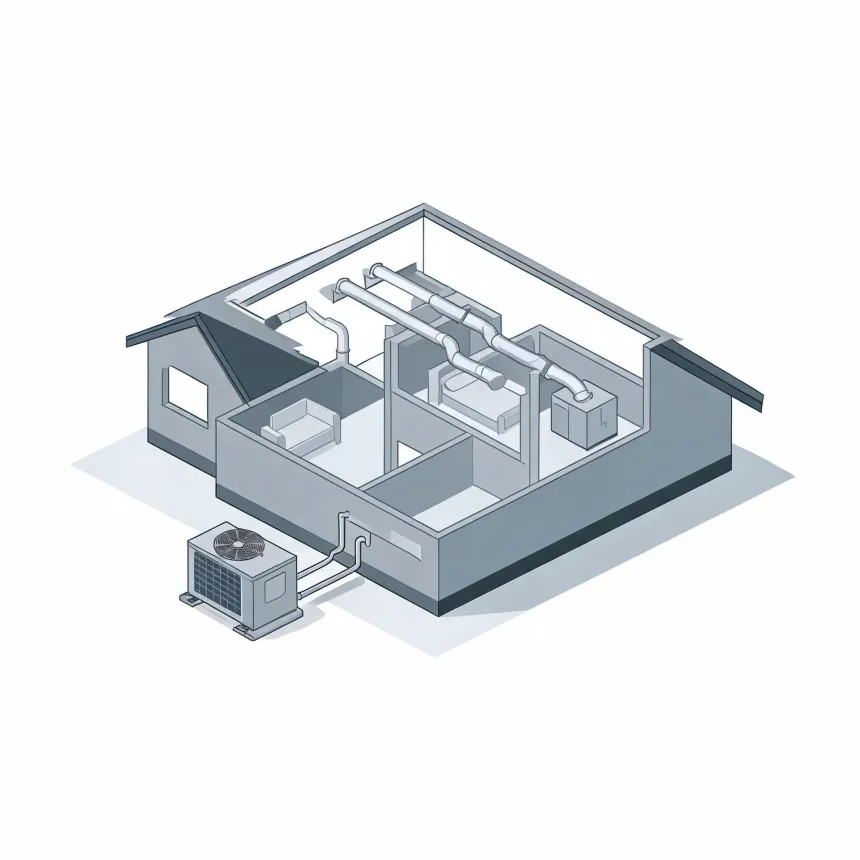
Installation day starts with the outdoor unit and the indoor coil. The contractor sets the outdoor unit on a pad or bracket, runs the refrigerant lines to the indoor coil, and ties into the ductwork or air handler already in place. Electrical work usually comes next, since a heat pump needs its own circuit and disconnect box, and a contractor may find the existing wiring needs upgrading to carry the load. The lines get pressure tested for leaks before the system is charged with refrigerant. A leak found after charging means starting that step over, so this gets checked first. Once it's charged, the contractor powers it up and runs it through both heating and cooling, checking airflow at the vents and confirming it holds the temperature it's set to. The last part is often the slowest. The contractor walks through the thermostat settings, the defrost cycle, and the filter so the system is something you understand, not just something that got dropped off.