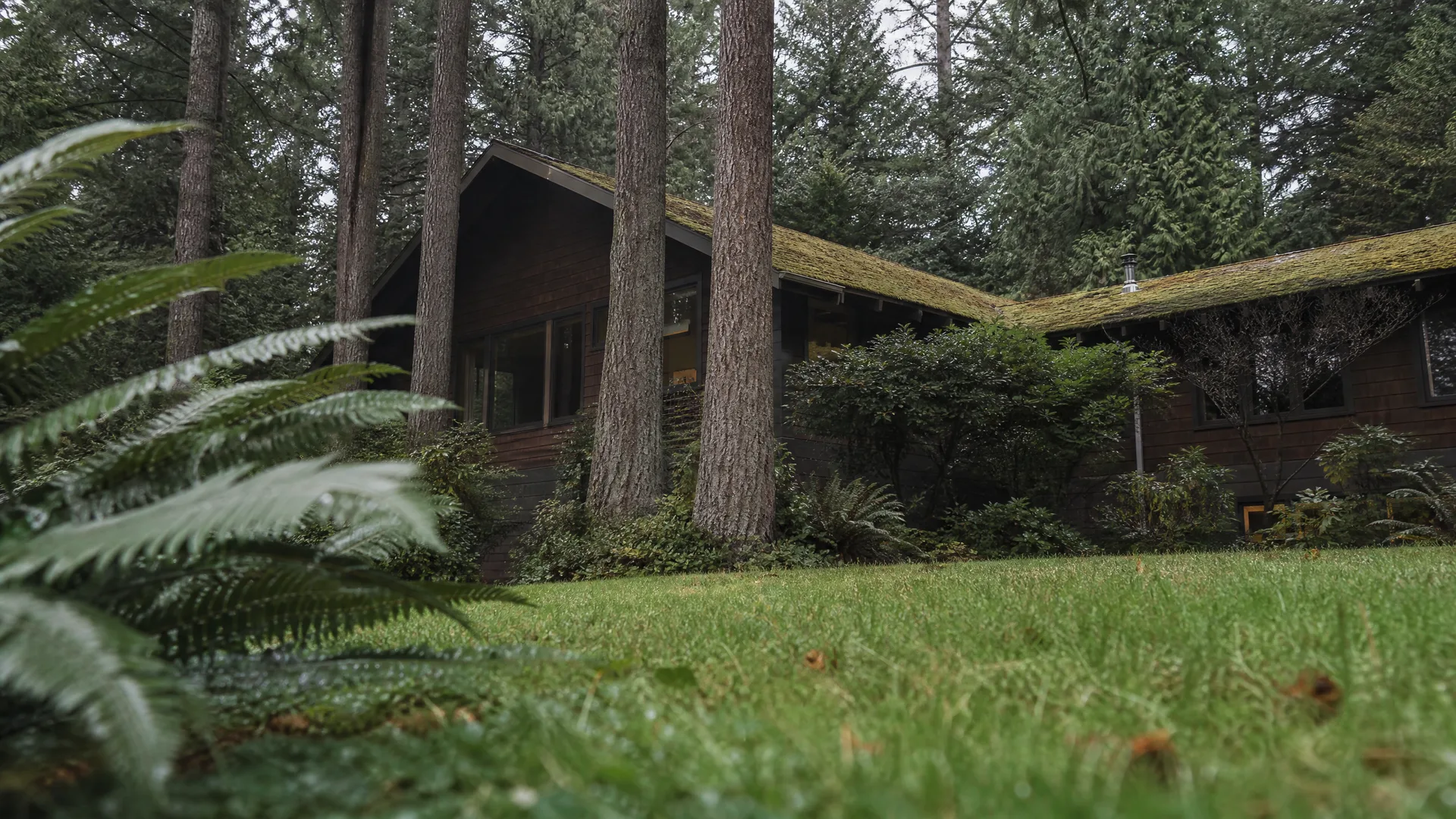





A single-story dark wood house with a low moss-covered roof set among tall conifer trunks, viewed across a green lawn with ferns in the foreground.

Heat Pump Installation in Raymond, WA

Tell us about the job

Takes about a minute. No obligation.

New system or replacementHeat PumpPacific County, WA
Step 1 of 2

What ZIP code is the job in?

Electricity heats 78 percent of homes in Pacific County, more than any other fuel. A heat pump runs on electricity, so for most homes here it's a straight swap for what's already powering the house. Only 7 percent use bottled or LP gas. That matters for an installation because the electrical setup a heat pump needs is already common ground in this county, not something unusual to plan around.

10 months
September through June, your system heats
35°F
the average winter night it heats against
71°F
the average summer afternoon it cools against
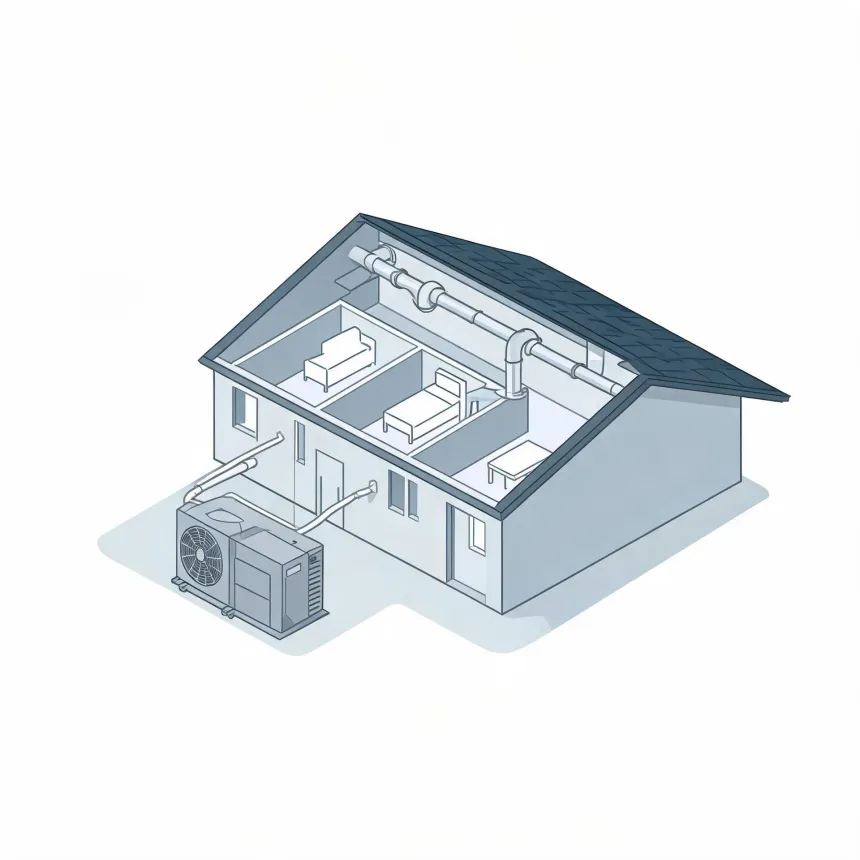
Isometric line illustration of a cutaway single-story house showing interior rooms with furniture and attic ductwork connected to an outdoor condenser unit beside the building.

Winter nights here average 35°F, not far below room temperature.

A heat pump here isn't fighting deep cold most nights, so it doesn't need the strongest cold-climate model to keep up.

No reason to size up or upgrade here

Half the homes here were built by 1979
12 damaging wind events from 2015 to 2024
Winter nights average 35°F
Cheap power changes the math hereWashington homes paid 11.90 cents per kilowatt-hour in 2024

Pacific County sits in climate zone 4C, which asks real work of both heating and cooling here on the marine side. Any split-system heat pump installed new has to meet the federal minimum for that zone. For cooling that's 14.3 SEER2. For heating it's 7.5 HSPF2. That floor applies to equipment built from 2023 on, so it's already settled before a contractor even walks the house. It doesn't mean every system is the same. It means the one going into your house has to clear that bar first, then the rest gets decided around your place.

Heat runs September through June here. Get it in before September.

Heat in Pacific County starts in September and runs for about ten months. Put a heat pump in during August and it's running on your schedule, tested and set before the first cold night asks anything of it. Wait until the system you have now fails, and you're choosing in a hurry instead.

Find a contractor
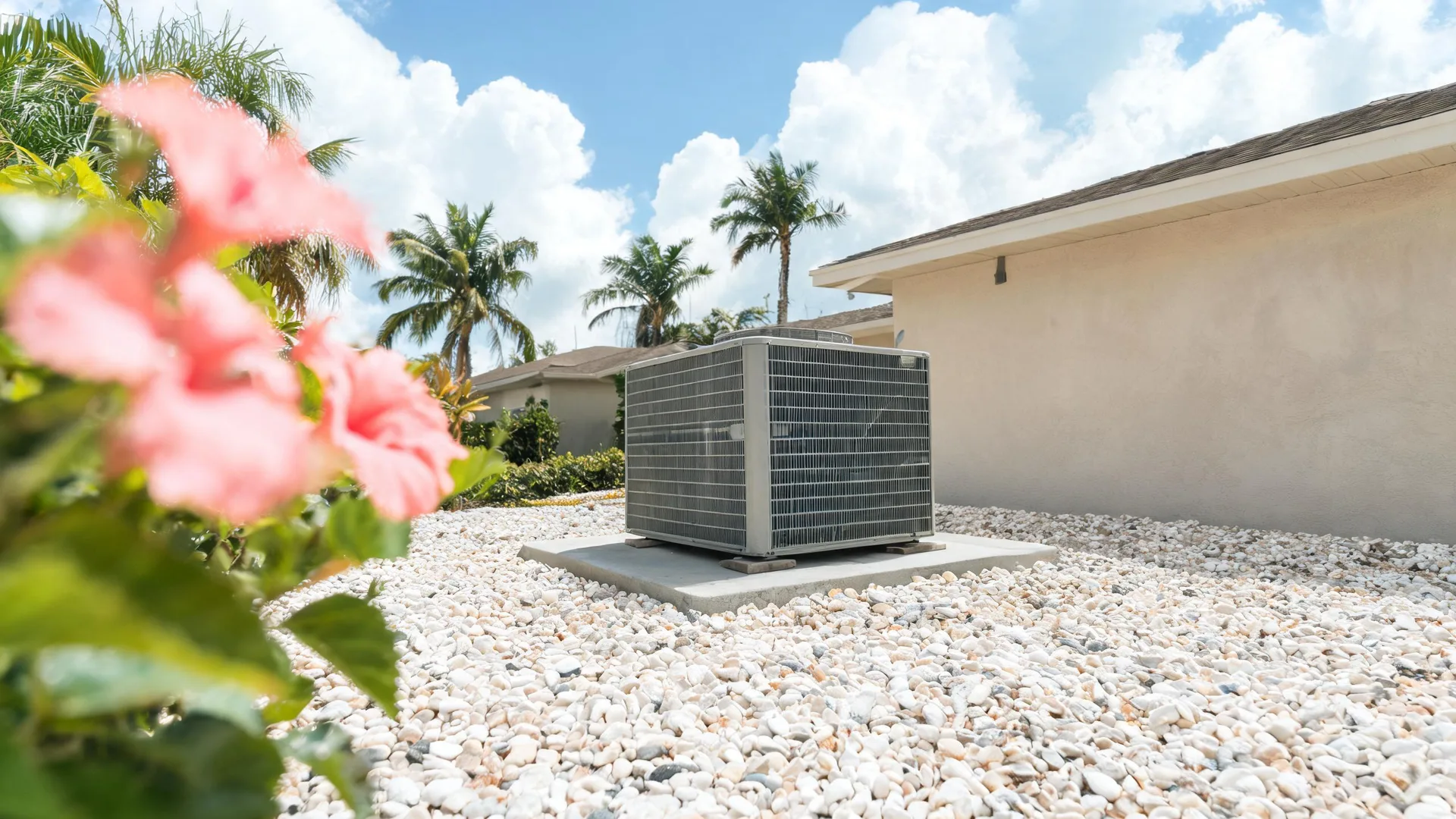
A residential heat pump outdoor unit mounted on a concrete pad next to a house with gray vinyl siding.

The label tells you how it runs, not just how new it is

The SEER2 and HSPF2 numbers on the label are ceilings under lab conditions, not a promise of what you'll see on your own thermostat. Cooling efficiency is tested at a set outdoor temperature, heating efficiency at another, and your actual runtime rarely matches either one exactly. What the rating does tell you is how hard the compressor has to work to move the same amount of heat. A higher rated unit moves it with less electricity per cycle, which matters because a heat pump isn't heating or cooling in short bursts like a furnace. It's running for long stretches, sometimes most of the day when the temperature outside sits close to the temperature you want inside. That long runtime is exactly why the rating matters more here than it would on a machine that only kicks on now and then. A unit sized and rated for the climate zone it's going into will spend more of its life running efficiently in that middle range than straining at the edges of what it can do.

The ductwork decides a lot of it

A heat pump moves a different volume of air than what might be heating the house now, and existing ducts have to be able to carry it. If the ducts are too small or leaky, a contractor either reworks them or accounts for the loss in how the system is sized. Either way, that's decided by what's already behind the walls, not by which unit you'd rather buy.
Where the air handler and the outdoor unit go

The outdoor unit needs clearance on all sides to pull in and release air, and a line set has to run between it and the indoor coil without too many bends or too much distance. A straightforward path keeps the job simple. A long run, an awkward wall, or a spot that needs a new pad or mounting bracket all add steps before the system ever turns on.

Sizing a heat pump isn't about matching the unit that's in the house now. A contractor works out how much heat your house loses on a cold night and how much it gains on a hot day, based on square footage, window area, insulation and how the rooms are laid out. That calculation decides the size, not a guess or a rule of thumb. Too big and the unit short cycles, reaching the thermostat setting fast and shutting off before it's run long enough to pull moisture out of the air or settle into a steady stretch. Too small and it runs constantly without ever quite catching up on the coldest or hottest days. Either mistake shows up in how uneven the temperature feels from one room to the next.

Install day starts with the old system coming out, if there is one. The indoor coil and air handler get set first, since the ductwork connects there. Then the line set gets run out to the pad for the outdoor unit. That line set has to be brazed, pressure tested and pulled down to a vacuum before any refrigerant goes in. Any moisture or air left in the lines will wreck the compressor over time. Once it holds vacuum, the system gets charged to the weight the manufacturer specifies for that line length, not just filled until pressure looks right. A heat pump needs its own electrical circuit, and the disconnect box by the outdoor unit gets wired in before anything is powered up. Last comes startup. The contractor runs the system in both directions, checks the temperature split across the coil, and confirms the thermostat is actually talking to the equipment the way it should.