Profile view of a bearded man wearing a dark green baseball cap and a dark gray T-shirt against a plain light background.

How long a heat pump should run in a Washington winter

Tune-up, service, or cleaningHeat PumpWashington
Step 1 of 2

What ZIP code is the job in?

A heat pump in Washington should run for long, steady stretches through the winter, sometimes most of the day when it's cold out, and that is normal. It isn't a furnace that fires up, hits temperature and shuts off. It moves heat slowly and keeps moving it to hold the house steady, so long run times by themselves don't mean something is wrong. What should catch your attention is a change: if it starts running close to nonstop and the house still feels cold, or if you notice ice building up on the outdoor unit and staying there, that points to something worth having looked at, like low refrigerant or a defrost control that isn't cycling right. Since most homes here heat with electricity, the heat pump is doing the real work of keeping you warm all winter, not just taking the edge off, so it's worth knowing what's normal for it before something goes wrong.

A woman with long gray hair wrapped in a checked blanket sits on a sofa by a window with yellow autumn foliage outside, with a lamp, framed picture and plant in the background.
An older woman in a cream knit sweater sits on a sofa by a window, looking out at sunlit trees with yellow and orange autumn leaves, with a bookshelf and lamp behind her.
A woman with gray shoulder-length hair in a dark knit sweater sits on a cushioned seat by a window, looking out at yellow autumn foliage, with a living room, armchair, houseplant and framed picture behind her.
An older woman with gray hair in a bun, wearing a cream knit sweater, sits on a sofa with a gray blanket and looks out a large window toward yellow-green autumn trees, with a lit table lamp and dark armchair behind her.

A furnace burns gas, gets hot fast, and shuts off. A heat pump does something else. It pulls heat out of the outside air, even cold air, and moves it inside, so it works in longer, steadier stretches rather than short blasts. Your thermostat is calling for a lower, steady temperature from the air handler, not a quick burst, and that is part of why the system stays on. The colder it gets outside, the less heat there is to pull, so the unit has to run longer to keep up. Once the outdoor temperature drops past a certain point, backup coils kick in to help carry the load alongside the heat pump. You may also notice the outdoor unit pause and run a brief cycle to clear frost off the coil before it goes back to heating. All of that is the system doing its job. What isn't normal is the unit turning on and off every few minutes. That pattern, called short cycling, means something needs a look, not a season of running long.

How a Heat Pump Actually Heats

  • A heat pump moves heat from the outside air into your home instead of burning fuel to make it, so it works in longer stretches at lower output.
  • The thermostat calls for a steady, lower temperature from the air handler rather than a short blast of hot air, which is why the system stays on longer.
  • As the outdoor temperature drops, the unit has less heat to pull from the air, so it has to run more to keep up.
  • Below a certain outdoor temperature, a backup heat source, usually electric resistance coils, kicks in to help the heat pump keep pace.
  • A thin layer of frost on the outdoor coil is normal in winter, and the system runs a brief defrost cycle to clear it before going back to heating.
  • If the unit is short cycling, turning on and off every few minutes instead of running long stretches, that points to a problem, not normal winter operation.
An outdoor air conditioner condenser unit on a concrete pad beside a light gray vinyl-sided house, with an electrical disconnect box and conduit on the wall and bare soil in the foreground.
Before you get your heat pump maintenance
A gray outdoor condenser unit sits on a concrete pad beside a house with horizontal lap siding, with a wall-mounted disconnect box and refrigerant lines, mulched beds and a shrub nearby, and a concrete walkway in the foreground.
After you get your heat pump maintenance

Get the right pro for your heat pump

A heat pump that runs long and steady all winter is doing its job, but that only holds if the system behind it is clean and charged right. A dirty outdoor coil or a refrigerant charge that's drifted low makes the unit run those same long stretches while barely keeping up, and in a house that heats with electricity, that shows up on the power bill before it shows up as cold air. It can run for weeks like that before anyone notices, because long runtimes already look normal here. A contractor who works on heat pumps through Washington winters knows what that looks like from a service call, not a guess, and checking it now is a quick way to know whether what you're hearing is a heat pump working the way it should or one working harder than it needs to. One contractor gets your request, matched to your equipment and your part of the state.

When the runtime should worry you

Long run times are expected, but a system that never reaches temperature at all, or runs the whole day and the house still feels cold, points to something else. That can be a frozen outdoor coil, a stuck reversing valve, or a charge that's dropped enough that the unit can't keep up anymore. The difference between normal and failing isn't how long it runs. It's whether the house ever catches up.


Backup heat changes the picture

Most heat pumps here pair with electric backup strips for the coldest stretches, and those kick in when the outdoor temperature drops low enough that the heat pump alone can't keep pace. If the backup heat is running often, or running when it's not especially cold out, that's worth a look. It usually means the heat pump side isn't carrying the load it should, and the strips are covering for it.

Power costs 13.17 cents per kilowatt-hour statewide

At 13.17 cents a kilowatt-hour, those long steady run times don't hit your bill the way they would somewhere with pricier power. That's part of why electric heat is the norm here. It's also why a dirty coil or a low charge is worth catching, since a system running inefficiently still adds up over a full winter.

EIA-861 2025 statewide residential average

A gray outdoor condenser unit on a concrete pad beside a light-colored horizontal-siding house, with a disconnect box and refrigerant line on the wall, ornamental grasses and a shrub in mulch nearby, and a concrete patio in the foreground.
Steady and quiet, the coil clean, the lines running straight to the disconnect, this is a heat pump doing a normal day's work in January.
An outdoor condenser unit sits on a concrete pad beside a house with horizontal vinyl siding, with a gray electrical disconnect box and conduit on the wall and a shrub at left.
Same long runtime, but a coil like this one working under strain is losing ground, and the house is cold while it runs.
A woman in a cream knit sweater sits in an armchair with her eyes closed and a slight smile, beside an open window showing orange autumn foliage, with a mug, books and a lit candle on a small side table.
An older man with gray hair and a beard leans back on a beige sofa with his eyes closed, in a sunlit room with potted plants, a wicker chair and large windows behind him.
A woman in a cream sweater and jeans stands in the open doorway of a white stucco house, holding the dark door, while a man in a dark quilted jacket seen from behind walks toward the entry past potted plants.

Long runtime is normal. Cold rooms while it runs aren't.

A heat pump that runs for hours at a stretch through a Washington winter is doing exactly what it's built to do. The question isn't how long it runs. It's whether the house warms up while it does, and whether the coil and charge behind it are in shape to keep doing that for the whole winter.

If you're not sure which one you're looking at, a local contractor who works on heat pumps all season can look at yours and tell you. You'd be matched with one who already knows what tends to go wrong on these systems in this climate, so you're talking to someone who's seen your situation before, not fielding calls from a handful of companies trying to win the job.

A gray upholstered sofa with a matching cushion sits beside a potted plant and a wooden table holding a small green plant in a stone pot, near a curtained window.
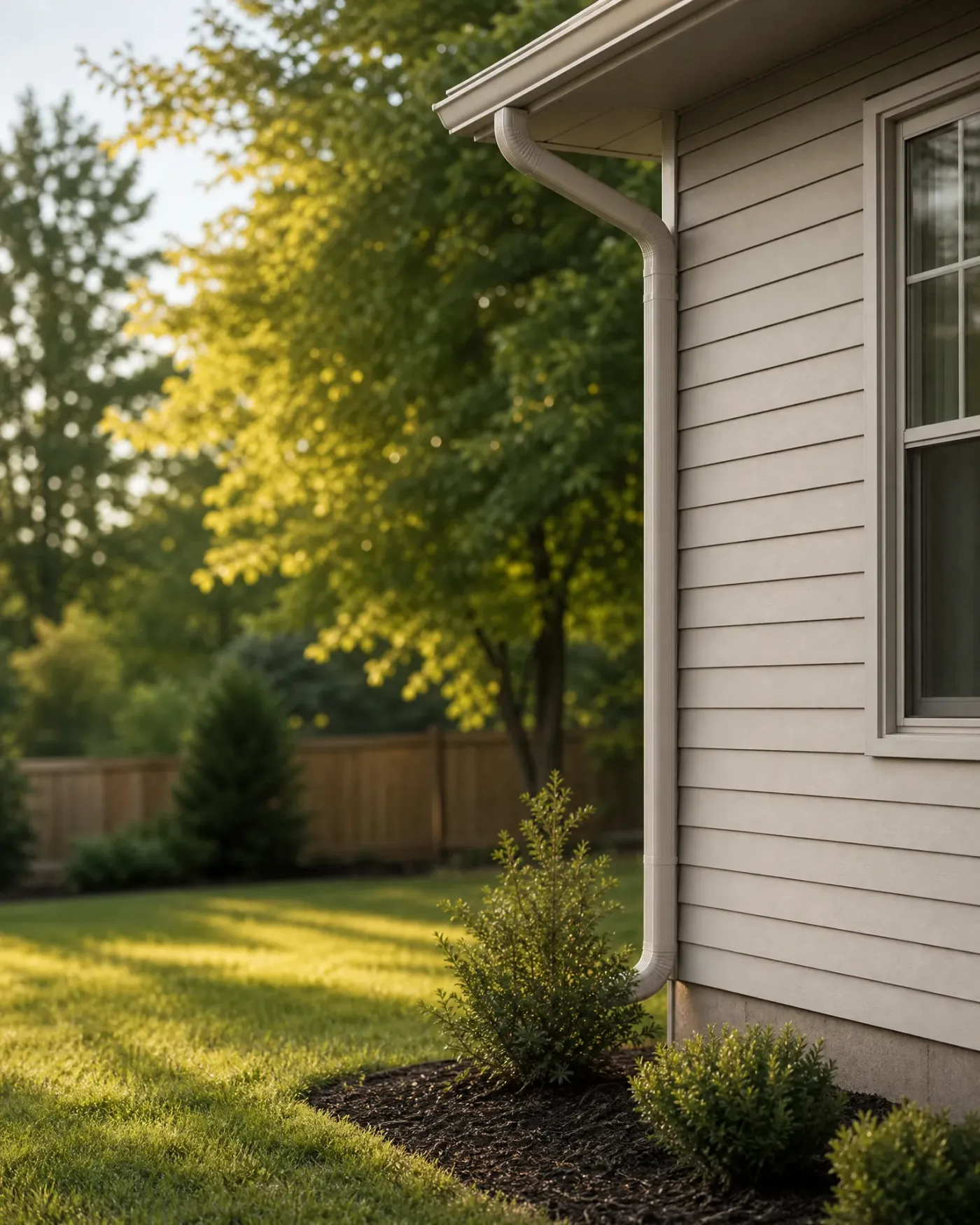
Corner of a house with light horizontal lap siding, a white gutter and downspout, and a window, beside a mulched bed with small shrubs, a lawn, wooden fence and trees in the background.
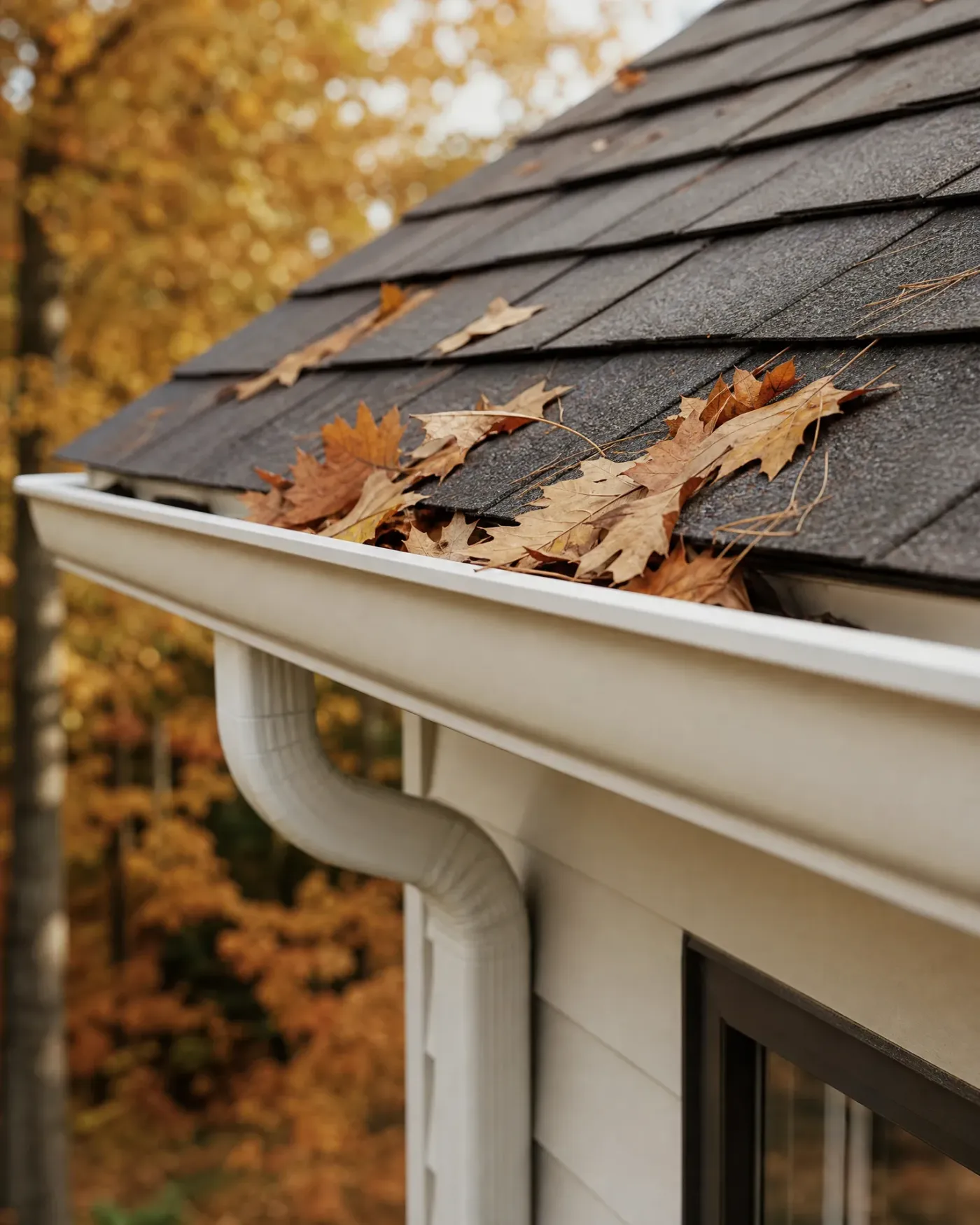
Close-up of a white gutter along an asphalt-shingle roof edge with dry brown leaves collected in it, a downspout and lap siding below, and blurred autumn trees in the background.
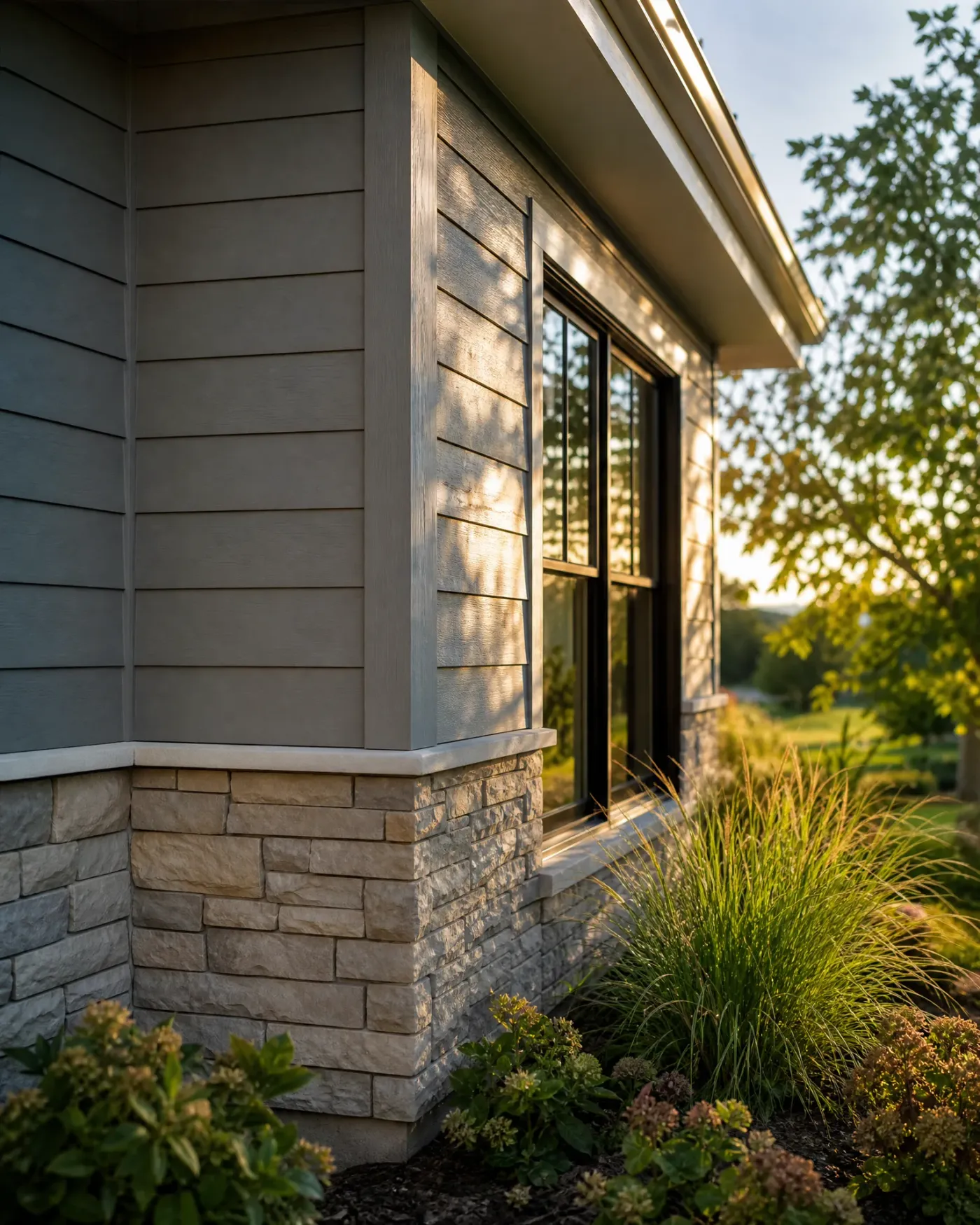
Exterior corner of a house with horizontal lap siding above a stone veneer base and a dark-framed window, with ornamental grasses and shrubs in the foreground and trees in low sunlight behind.
A white horizontal-siding house with a steep gray shingled gable roof, fronted by trimmed shrubs, a brick walkway, and a lawn scattered with fallen autumn leaves.
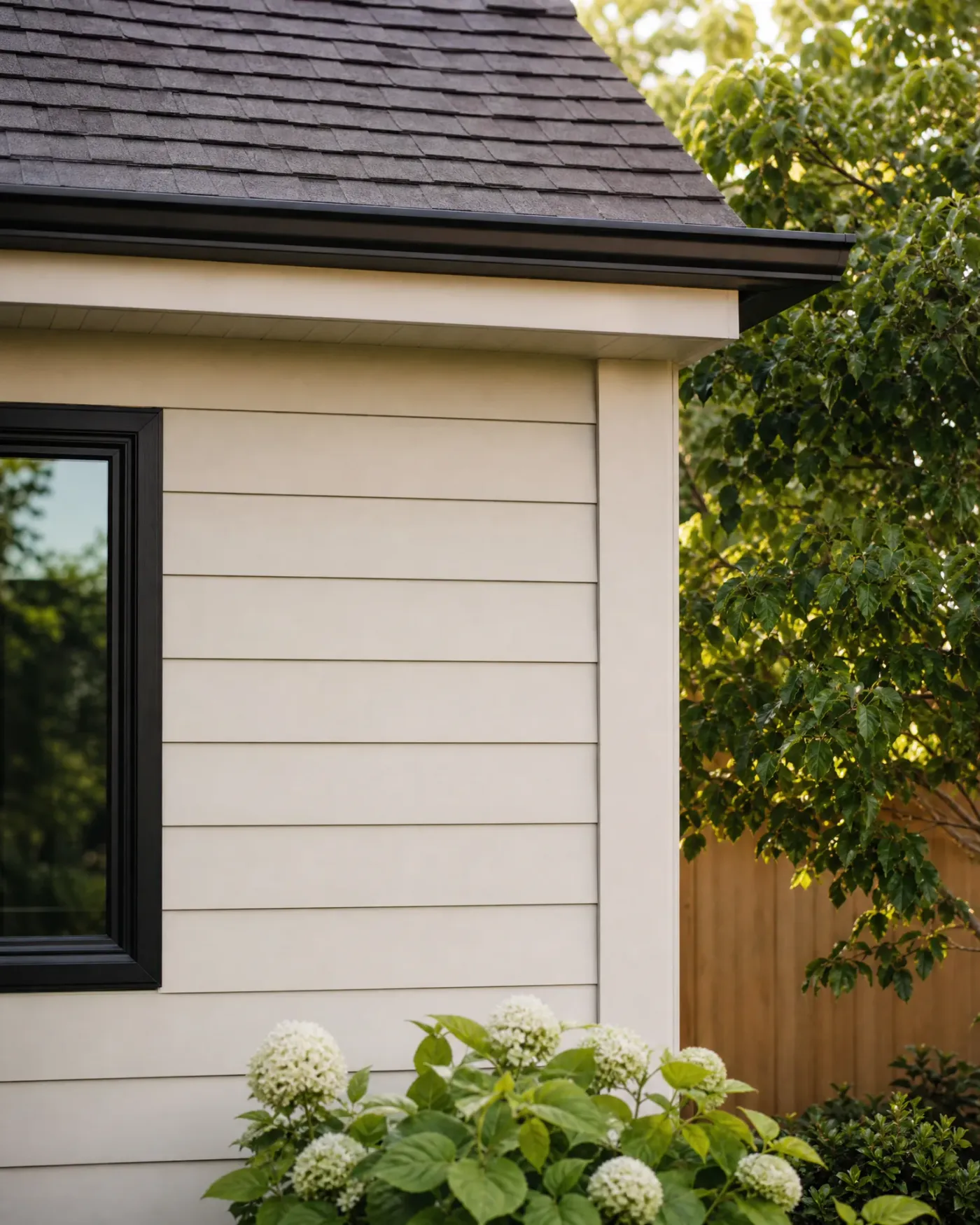
Corner of a house with cream horizontal lap siding, a black-framed window, asphalt shingle roof with dark fascia, white hydrangea blooms and green shrubs below, and a leafy tree and wood fence to the right.

A pro who works on heat pumps

Only one pro gets your request, so you hear from one company.

Find a pro near me

Asking costs nothing, and the choice to hire stays yours.