Electricity here runs $34.87 per million Btu
Washington homes pay that rate, and a furnace that wastes heat burns through it faster. The efficiency rating on the unit you pick decides how much of that cost turns into warm air in your house.
Takes about a minute. No obligation.
Washington homes pay that rate, and a furnace that wastes heat burns through it faster. The efficiency rating on the unit you pick decides how much of that cost turns into warm air in your house.
Once a furnace is in, its efficiency is fixed for as long as it runs. Choosing the unit at installation, not after, is what controls what this furnace costs you to run every winter after.

NOAA nClimDiv, 1991–2020 normals
Furnaces in Aberdeen start running in September.
Get yours installed in August and it's ready before you need it.




Aberdeen sits in zone 4C under the 2021 energy code, the marine mixed zone, which asks real work of both heating and cooling. Any furnace installed here has to meet the federal minimum for that. Right now that floor is 80 percent AFUE for a standard gas furnace. That number is set to rise. Furnaces built after a certain date will need to hit 95 percent AFUE, so a unit bought before that cutoff can still legally be the lower-efficiency kind. The rating on the unit is the floor, not a target, and it's worth asking your contractor which side of that line the furnace you're looking at falls on.
Half the homes in Grays Harbor County were built in 1974 or earlier, and half in 1974 or later. That spread doesn't call for an oversized unit or a special one. A furnace sized to your house and rated at or above the federal minimum will heat it fine. What matters is getting the size and the efficiency rating right at installation, since both are set for good once the unit goes in.
Find a contractorA furnace sized right runs the same way years into the job as it did on day one. One that's too big for the house cycles on and off instead of running a steady stretch, and all that starting and stopping wears the ignition system and the blower motor faster than steady running would. One that's too small just runs and runs trying to catch up, and never quite does. Ask what the load calculation was based on, not just the square footage of the house. Ask what the warranty covers on the heat exchanger versus the rest of the unit, since that part is what fails last and costs the most to replace. And ask how the ductwork was checked, because a furnace can be sized exactly right and still heat the house poorly if the ducts feeding it were never looked at.
The rating on the label is the percentage of gas that turns into heat in the house. The rest exits through the flue as exhaust. A furnace rated higher at the label keeps burning less gas for the same heat output, winter after winter.
A high rating on paper does not fix a furnace that is the wrong size for the house or tied into ducts that leak air before it reaches a room. The AFUE number describes the unit alone. What you actually get out of it depends on the sizing and the ductwork it is paired with.
Sizing a furnace starts with a load calculation, not a tape measure around the house. A contractor works out how much heat the house loses on the coldest days, looking at window area, insulation, ceiling height, and how the rooms are laid out, then matches a furnace to that number. Square footage alone leaves out too much to be trusted. Houses the same size can need different sized furnaces if one has more glass or taller ceilings than the other. Bigger isn't the safe choice either. A furnace that outsizes the house heats it too fast, shuts off, then starts again shortly after, and that short cycling is harder on the igniter and the blower than a long steady run would be. The goal is a furnace that matches the heat loss closely enough to run in long, even stretches most of the time it's on.
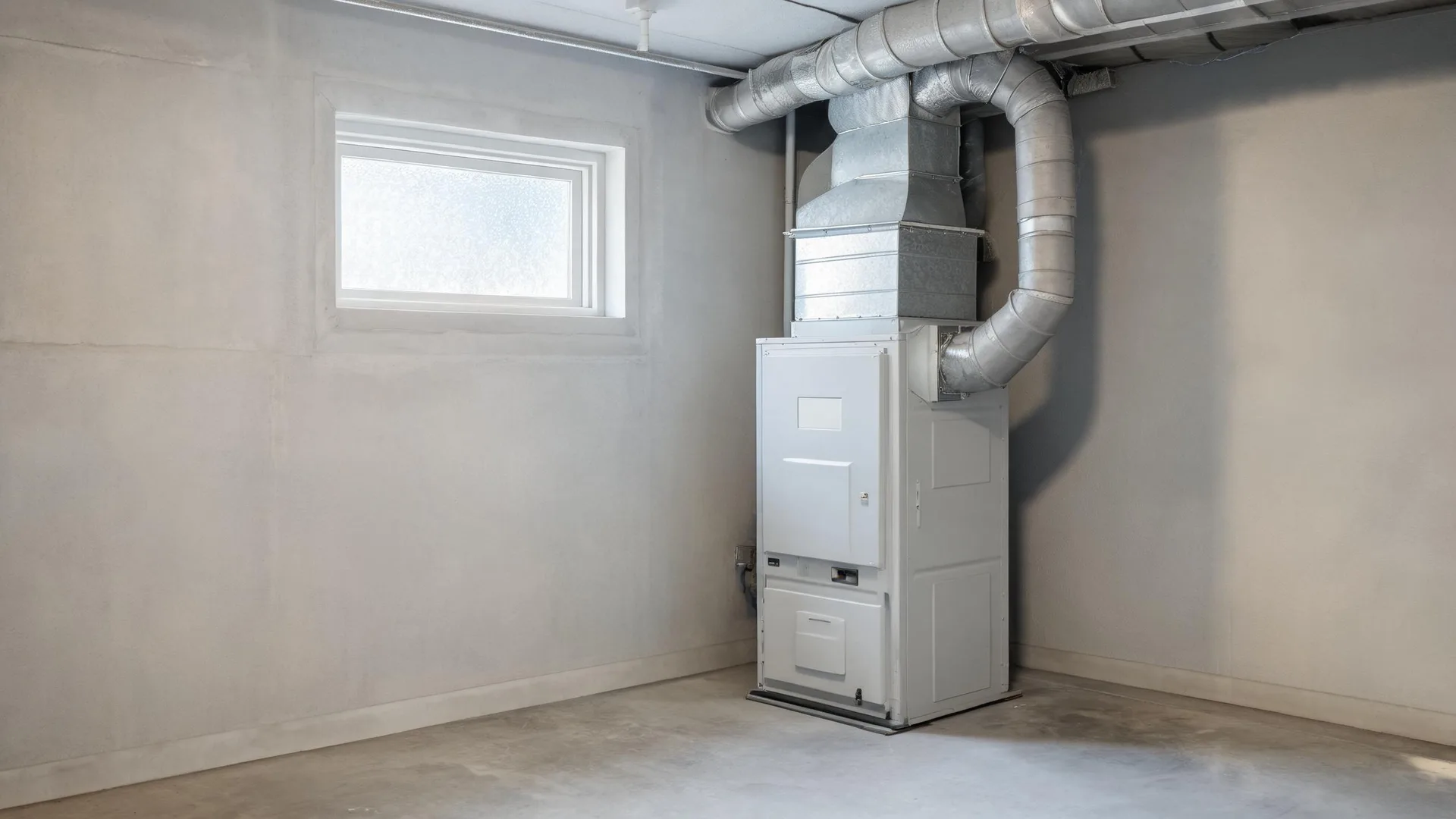
Installation day starts with the old furnace coming out, flue pipe and gas line disconnected along with it. The contractor checks what's left behind. The ductwork, the gas supply, the electrical, all of it gets looked at before the new unit goes in. The furnace gets set in place, leveled, and tied into the duct trunk, the gas line, and the venting. Every joint in that gas line gets tested for leaks before anything is fired up. Once it's hooked up, the contractor runs it through a full cycle, watching the flame, checking the temperature rise across the heat exchanger, and checking airflow at the registers. A furnace that lights clean on the first try and holds a steady flame is doing what it should. The walkthrough at the end covers the thermostat, when the filter needs changing, and what the warranty actually covers.