



A paved road bordered by a rustic log rail fence and gravel shoulder passes a row of dark-sided cabins with metal gable roofs beneath tall pine trees.

Furnace Installation in Clarkston, WA

Tell us about the job

Takes about a minute. No obligation.

New system or replacementFurnace or heatingAsotin County, WA
Step 1 of 2

What ZIP code is the job in?

Gas furnaces heat most homes in Asotin County, just over half. Electricity accounts for most of the rest, with a small share on bottled or LP gas. If your home already has a gas line run to a furnace, replacing it with another gas furnace is usually the straightforward option. A contractor can tell you what your ductwork and gas line will support before you decide on anything else.

10 months
September through June, your furnace is on duty
26°F
the average winter night it heats against
53%
of homes here heat with gas, so most furnaces here burn gas
80% AFUE
the federal minimum any new unit must meet
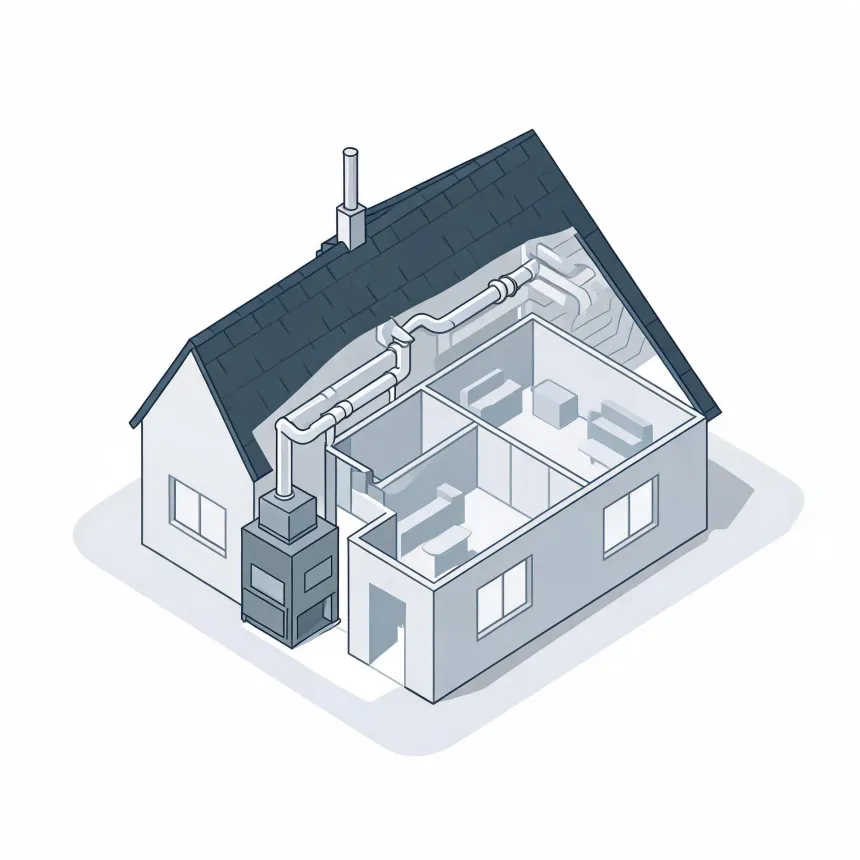
Isometric line illustration of a cutaway single-story house with a dark shingled roof, showing interior rooms and ductwork connected to a gray furnace unit with a flue pipe.
Your furnace works hardest from November through April.

NOAA nClimDiv, 1991–2020 normals

Gas here runs $11.65 per million Btu.

A standard-efficiency furnace sized to your house is the straightforward call, nothing bigger needed.

A standard furnace fits this county fine

Half the homes here were built by 1976
Climate zone 5B
Heat runs September through June

Taking out the old furnace is part of the job, not an extra step tacked on. The installer disconnects the gas line and the flue, pulls the old unit out, and sets the new one in its place. If the old furnace was permitted, swapping it for a new one usually needs a permit too, and the installer handles that. What gets hauled away is mostly sheet metal, and most installers include disposal in the job rather than leaving it for the homeowner to deal with. One thing worth checking is the venting. A standard furnace and a high-efficiency one don't always vent the same way, so if the new unit is a step up in efficiency from the old one, the vent pipe may need to change along with it.

Go with the standard fit

A standard size and efficiency fit fine here. There's no local reason to go bigger or pricier.

Find a contractor
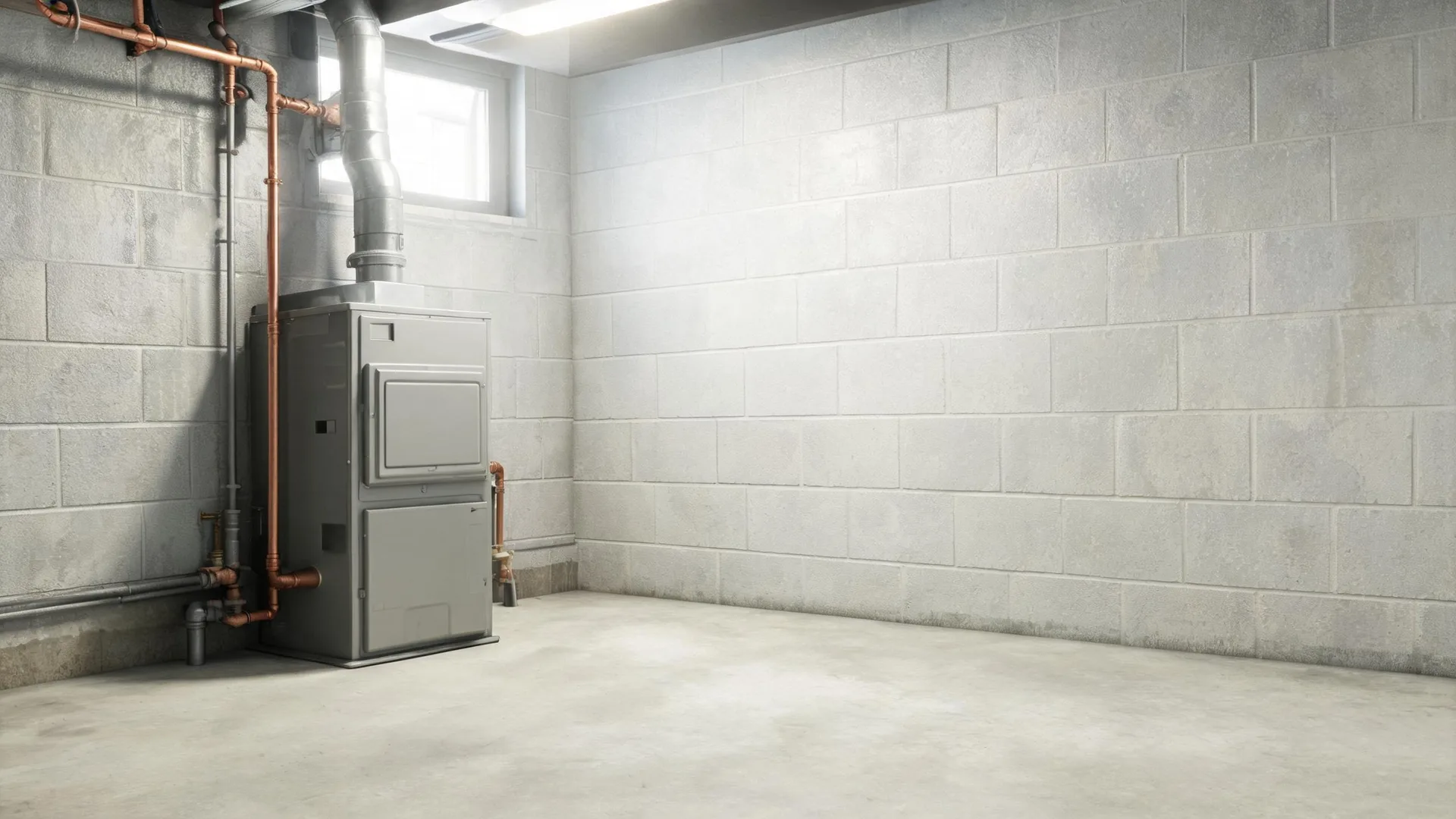
A gray high-efficiency gas furnace installed in an unfinished basement, surrounded by gas lines, a condensate drain, and sheet-metal ductwork.

August is open. September isn't.

Furnaces in Asotin County run from September through June, about ten months of the year. August is the one month before that starts, with no call for heat yet. A furnace installed in August goes in with nobody rushing anyone. Wait for the first cold morning in September and you're picking a system while you actually need it running, which is a worse way to decide anything.

The size has to match the house

A furnace sized bigger than the house calls for cycles on and off fast instead of running a steady stretch. That short-cycling wears the ignition system and the blower motor sooner, and it does a worse job holding an even temperature. Getting the size right means a contractor has to actually measure the place, not just match the old number on the nameplate.

The vent and ductwork decide what else moves

The furnace itself is only part of the bid. If the ductwork is undersized or leaky, it may need sealing or changes before the new furnace can heat the house the way it's rated to. If the vent pipe has to change to match the new unit, that's labor and material beyond swapping the box. None of that shows up until someone looks at what's already there.

An unfinished basement containing a forced-air furnace with metal ductwork, exposed wooden ceiling joists, a hanging Edison bulb, and bare concrete floors.

A high-efficiency gas furnace would save about $90 a year to run in Asotin County compared with a gas furnace.

  • A high-efficiency gas furnace$440 a year
  • A gas furnace$530 a year

Estimates for a typical Asotin County home, from EIA household energy data, Washington fuel prices and NOAA climate normals. Your home will differ.

The old furnace usually keeps running right up until the crew arrives. Gas and power get shut off first. Then the ductwork, the flue, and the gas line come loose before the old unit is pulled out. Setting the new furnace in place doesn't take long. The real time goes into fitting the duct connections square, running the gas line back in, venting it the right way, and wiring the thermostat and control board. Once it's hooked up, a good installer runs it through a full cycle. They check the gas pressure. They check the temperature rise. They check the flue for backdrafting before calling the job finished. A furnace that's wired right but not tuned right will still run. It just won't run well.