

What winter here does to a heat pump
Your furnace or heat pump runs ten months a year in Asotin County, September through June. That is most of the year, so this choice is mostly a winter choice.
The average overnight low in December, January and February is 26°F. A standard heat pump starts losing heating capacity below 40°F and often leans on backup heat below about 35°F. Twenty-six degrees sits under both marks, and so does every one of the roughly 100 nights a year here that drop to freezing or below.
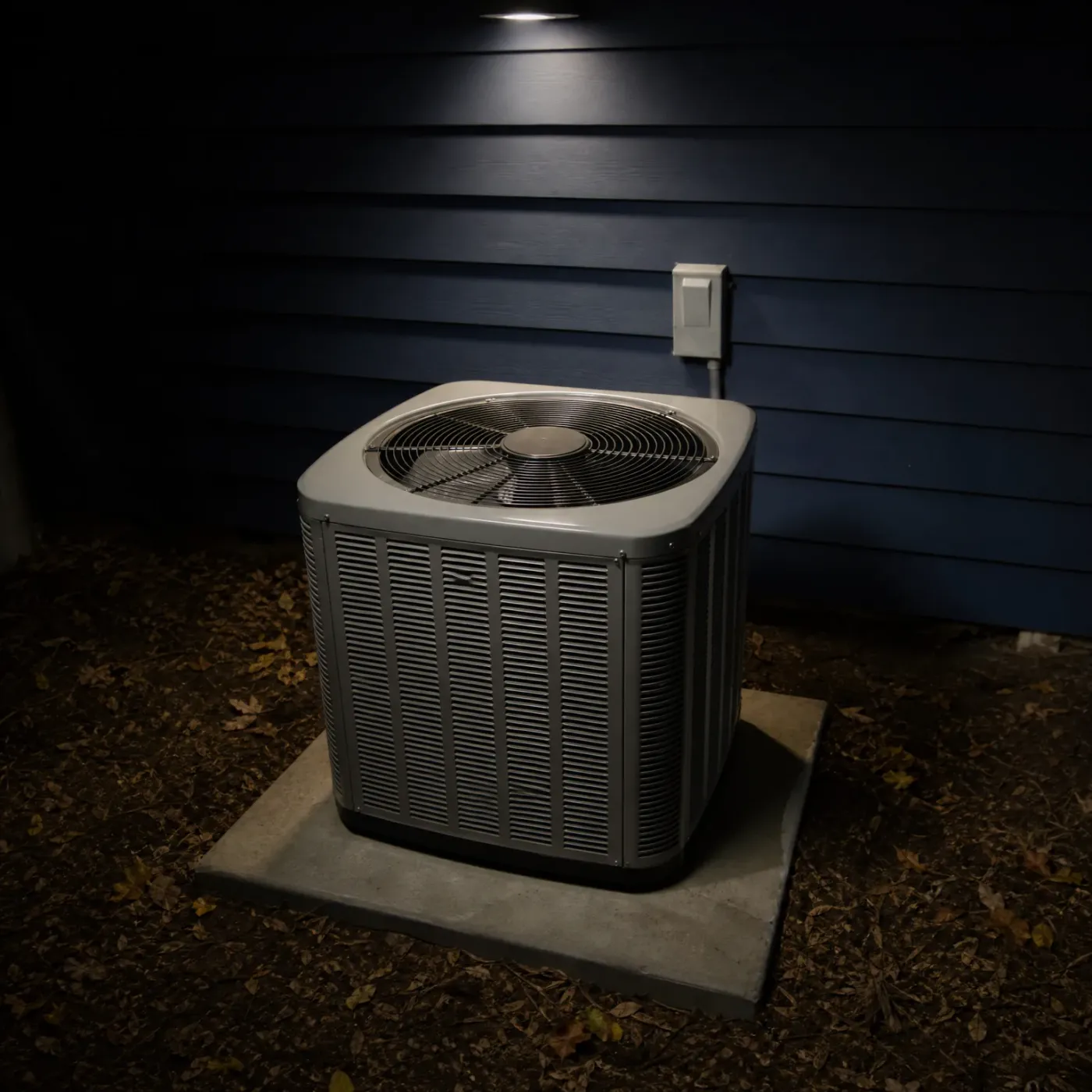
That does not mean a heat pump stops working. Cold climate models, the ones carrying the ENERGY STAR Cold Climate mark, are tested to keep making real heat down to 5°F and to hold on to most of their capacity at that temperature. Field tests of these units found backup heat covered only a small share of the output between 0°F and 35°F, and running on backup alone was rare even at 0°F. A furnace does not have this problem. It burns gas and makes the same heat whether it is 30 degrees outside or well below.
The extreme cold itself is rare here. Only about one night a year reaches 0°F. Almost all of the county's cold nights are the ordinary kind, at or just below freezing, where a cold climate heat pump is working harder and drawing on backup some of the time, not struggling.