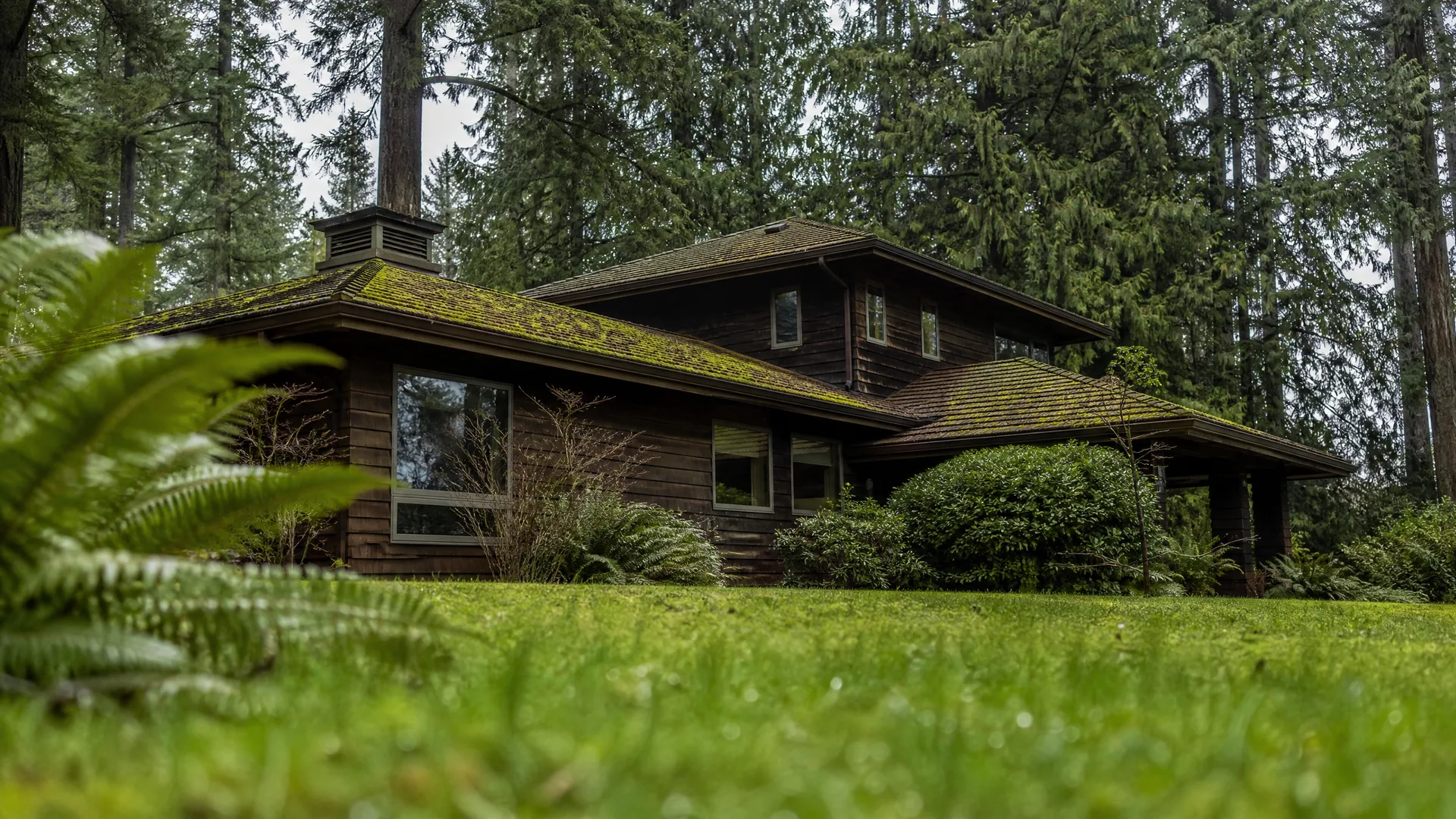
A dark wood-clad single-story house with wide moss-covered low-pitched roofs and a chimney, set behind a mown lawn with ferns in the blurred foreground and tall conifers behind.

Furnace Installation in Everett, WA

Tell us about the job

Takes about a minute. No obligation.

New system or replacementFurnace or heatingSnohomish County, WA
Step 1 of 2

What ZIP code is the job in?

Ask how they sized it

A furnace should be sized to the house through a load calculation, not matched to whatever unit is already there. An oversized furnace short cycles, heating the air fast and shutting off before the house actually warms through, which wears out the heat exchanger sooner.

Ask what happens to the vent

A new furnace is often a different efficiency than the old one, and that changes how it vents. A high-efficiency furnace vents through PVC pipe out a sidewall, not up a chimney. That's a different installation job, not just a different box in the closet.

10 months
September through June, your furnace is on duty
30°F
the average winter night it heats against
80% AFUE
the federal minimum any new unit must meet
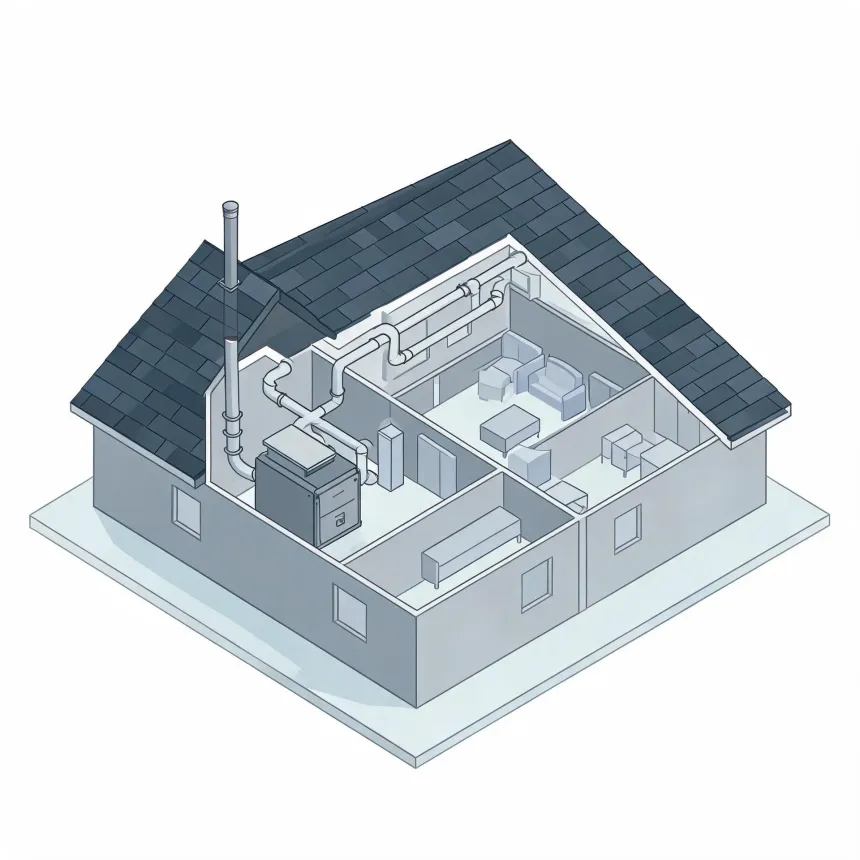
Isometric cutaway illustration of a single-story house with a dark shingled roof, showing interior rooms with furniture, ductwork, a flue pipe, and a furnace unit.
Your furnace works hardest from October through April.

NOAA nClimDiv, 1991–2020 normals

Furnaces in Snohomish County run from September through June.

Ten months of heating a year means a new furnace here needs to be sized right, not just swapped in.

Ten months of heat means August is the month to replace it

Heat runs September through June
Winter nights average 30°F
Climate zone 4C
Weather here is part of the installation plan23% of Washington homes lost power for a day or more in 2024.

Most homes in Everett heat with electricity, at 52.8 percent. Gas is second at 39.1 percent, and a smaller share run on bottled or LP gas or fuel oil. If your home already has a gas furnace, replacing it with another gas furnace is the straightforward path. The gas line, the vent, and the layout of the ductwork are already built around that choice, and a licensed contractor can tell you quickly whether the new unit fits what's already there. Switching fuel types is possible, but it means more than swapping the furnace itself.

A new furnace here has to meet this region's minimum efficiency

Any furnace installed in Snohomish County has to meet 80 percent AFUE at minimum. That minimum climbs to 95 percent for furnaces made after December 2028. Picking a unit that clears the bar, and fits how this house is vented, is part of the job now.

Find a contractor
A man in a cap, gray work shirt and dark pants, seen from behind, carries a worn canvas tool bag up porch steps toward a dark navy front door beside a potted shrub.
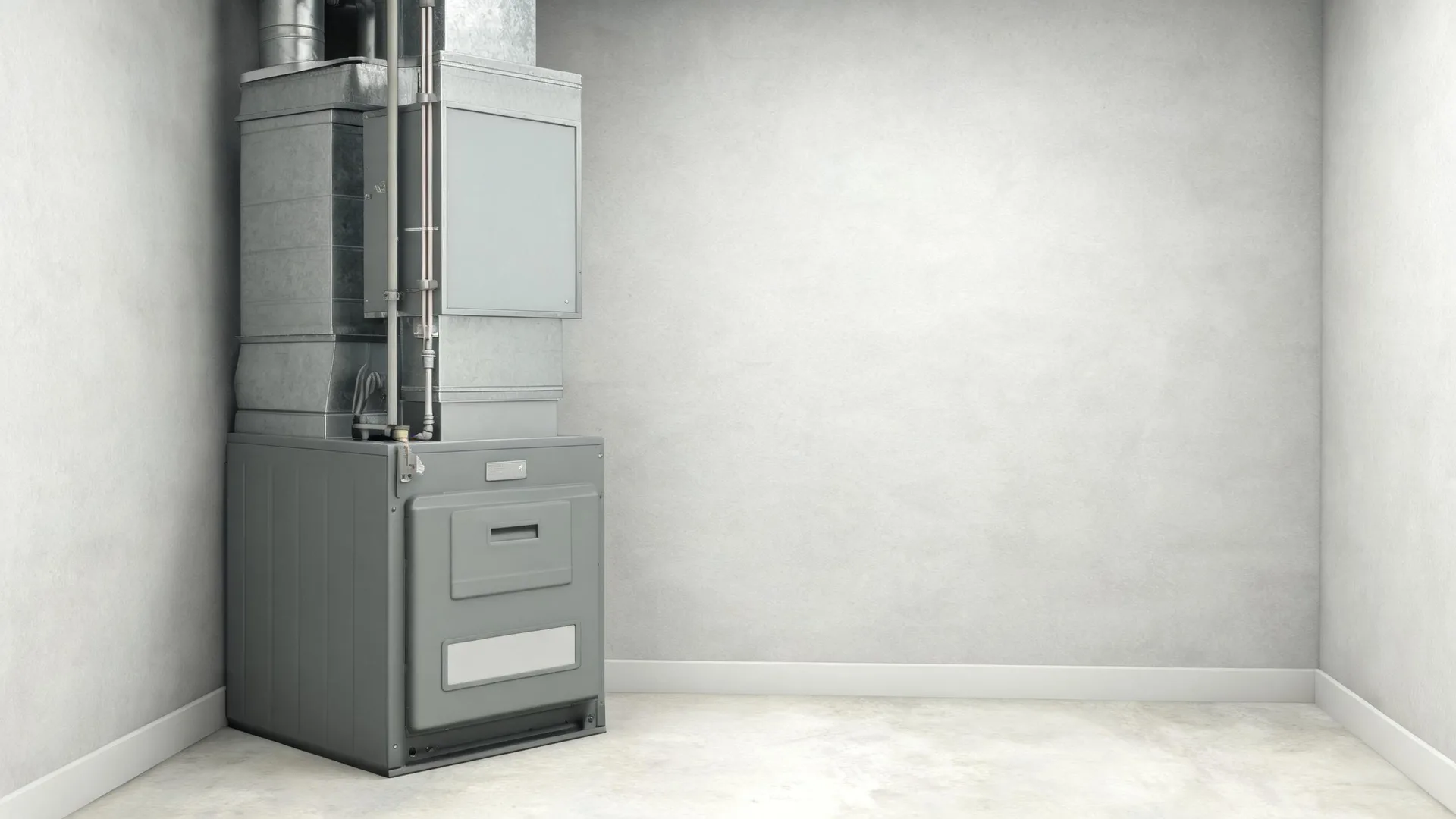
A gray high-efficiency gas furnace installed in an unfinished basement, surrounded by gas lines, a condensate drain, and sheet-metal ductwork.

Ten months of heat is the test a load calculation has to pass

A load calculation gets you the right size on paper. What proves it out is how the furnace runs once it's in, through a winter where the overnight low averages 30°F across December, January and February and the system doesn't get a break until June. Right-sized equipment cycles on, heats the house, and shuts off. Undersized equipment runs long and still falls behind on the coldest nights. Ask the contractor for the load calculation itself, not just the number it came out to.

AFUE is what it burns, not what it makes

The AFUE number on the label says how much of the fuel it burns turns into heat for the house, with the rest going out the vent. It says nothing about how much heat the house needs or how big the furnace should be. A high AFUE unit sized wrong for the house still runs poorly.

The number holds for the life of the furnace

The AFUE rating doesn't drift much year to year the way a worn furnace's actual output can. A dirty burner, a failing blower, or a clogged filter all make a furnace work harder than its rating promises. Keeping the furnace maintained is what keeps it running close to the number on the label.

A load calculation looks at the whole house, not just the square footage. It takes in how many windows face which way, how much insulation is in the attic, the height of the ceilings, and how air moves room to room. Houses the same size can need different sized furnaces because one holds heat better than the other. A contractor measures this room by room, then adds it up, rather than going by the old unit or a rule of thumb. Skip that step and the furnace ends up wrong in one direction or the other, and either way the house is less comfortable for it.

Installation day starts with the old furnace coming out, and that's often the bigger job if the new one vents differently or needs a different gas line size. The ductwork gets checked too. A duct system built around an old furnace doesn't always move the right amount of air for the new one, and a contractor may need to adjust a plenum or add a return before the furnace goes in. Once it's set, the contractor runs the gas line, the vent, and the wiring to the thermostat, then fires it up and checks the temperature rise across the heat exchanger against what the manufacturer specs. That number tells them the furnace is burning right, not just that it turns on. Expect them to test the airflow at the registers and check the system for leaks before they call it done. A furnace that starts up fine but was never checked this way can still be wrong in ways that don't show up until the coldest night of the year.