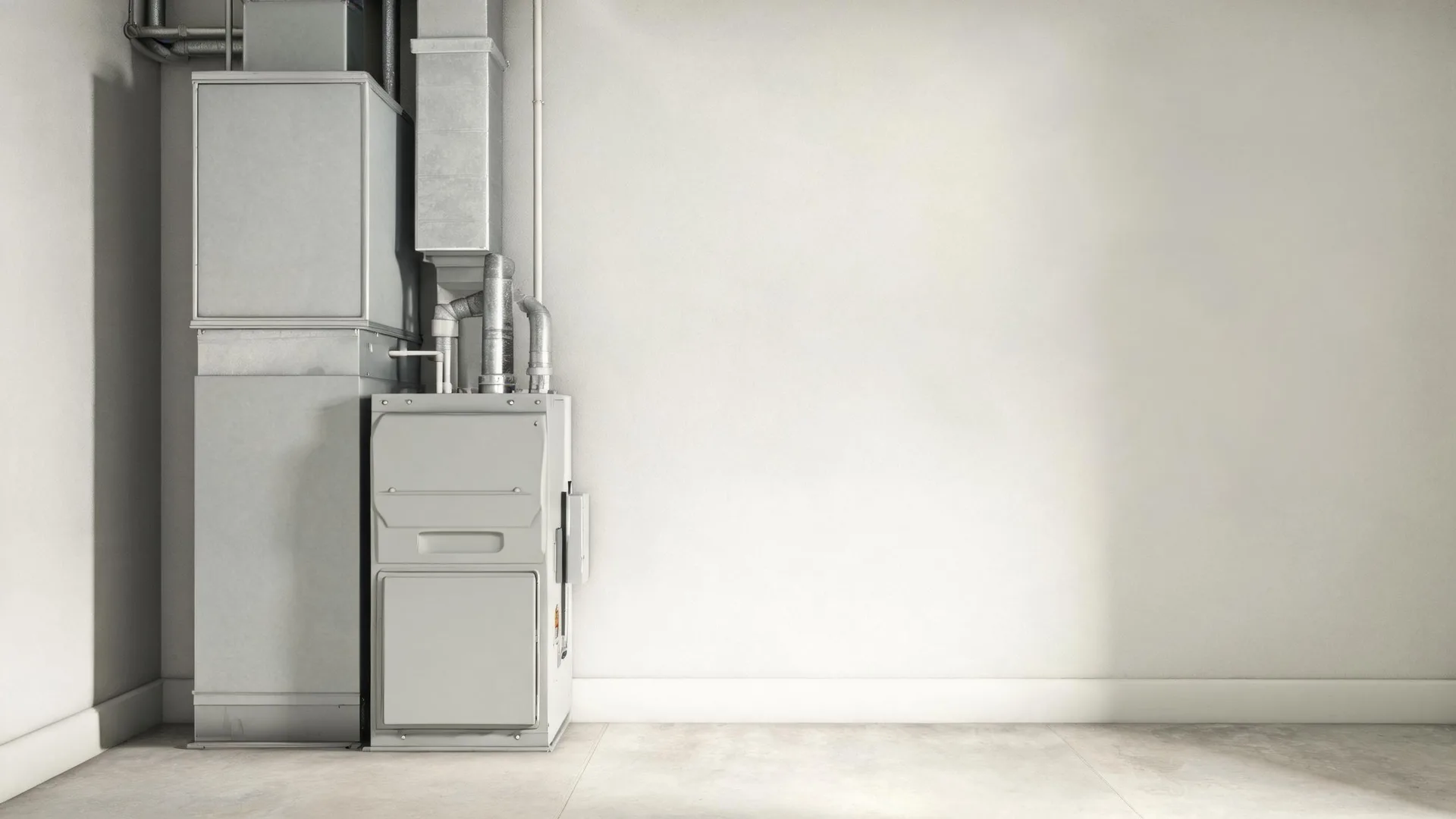
Electricity here runs $34.87 per million Btu
Washington homes paid $34.87 per million Btu of electricity in 2024. A furnace that wastes less of that power costs less to run every month it's heating the house.
Takes about a minute. No obligation.
Washington homes paid $34.87 per million Btu of electricity in 2024. A furnace that wastes less of that power costs less to run every month it's heating the house.
A furnace's AFUE rating tells you how much of the power it draws turns into heat instead of waste. At this price per Btu, a higher rating keeps showing up as savings on the bill long after the install is paid off.
NOAA nClimDiv, 1991–2020 normals
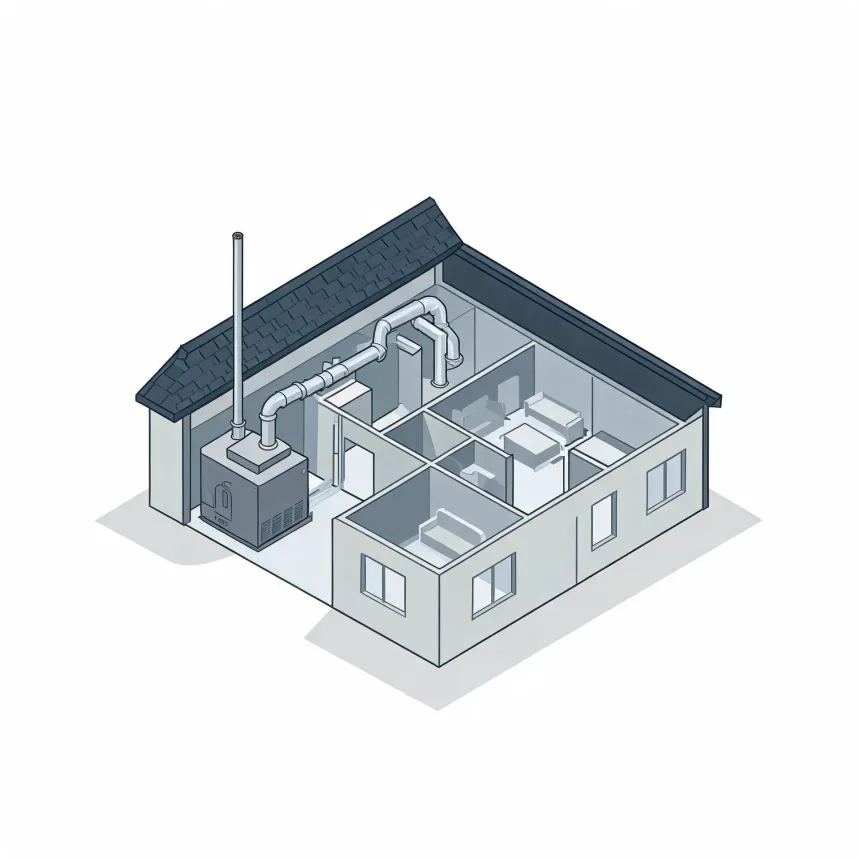
Furnaces in Friday Harbor start working in September.
Replace it in August and the job happens on your schedule, not during the first cold week.



Furnace here isn't sized for a few brutal weeks and easy the rest of the time. Heat stays on from September through June, so the furnace runs close to ten months of the year. Overnight lows average 36°F through December, January and February, which is a mild load compared to most places that heat this long. A standard size and a standard efficiency rating handle that fine. There's no case for oversizing or paying for a higher tier of equipment than this house would otherwise need.
Power costs more here, so an efficient system pays you back on every bill.
Find a contractorA furnace that's too big for the house short cycles. It heats the air fast, hits the thermostat setting, and shuts off before it's pulled moisture out of the air or warmed the walls and furniture. Then it starts again a few minutes later. That cycling wears the ignition system and the blower motor harder than a full, steady run would, and it leaves rooms feeling colder than the thermostat says even while the system works. Too small, and it runs constantly without catching up, which wears it just as hard from the other direction. The right size comes from a load calculation. A contractor works out square footage, window area, insulation, ceiling height, how the rooms are laid out. That's different from going off the old unit or a flat rule of thumb per square foot. A contractor doing this job right runs that calculation before quoting equipment, not after.
A furnace isn't just unhooked and pulled. The gas line gets capped or disconnected properly, the vent or flue is removed or sealed, and the electrical connection is taken out at the breaker. Whoever installs the new one handles the old one as part of the same job, not as an afterthought left for someone else.
Once it's disconnected and out of the house, the old furnace goes to scrap. The sheet metal cabinet, the motor, the heat exchanger all get recycled through a metal dealer rather than landfilled whole. You don't need to arrange this or ask about it. It's part of what a contractor does when they haul the unit away.
The AFUE number on the label is the share of fuel a furnace turns into heat over a full winter, not just on its hardest working day. A furnace with a lower rating vents some of that heat straight out the flue as exhaust, unused. A furnace with a higher rating captures more of it, and it often vents through PVC pipe instead of metal because the exhaust runs cool enough not to need metal. That change in exhaust temperature also means the furnace condenses moisture out as it runs, so it needs a drain line and usually a condensate pump, which is another part to maintain and another thing that can clog. A lower rated furnace skips that complexity but burns more fuel to put out the same heat. Neither rating makes the furnace bigger or smaller. That part still comes from the load calculation, not the label.
Installation starts with the old furnace coming out, gas line capped, vent disconnected, electrical pulled at the breaker. Before the new one goes in, the ductwork gets checked at the connection points, since a trunk line that fit one unit doesn't always meet the next one squarely. The new furnace gets set in place, then connected to the gas line, the vent, the ducts and the thermostat wiring. If the rating is going up, new venting often has to be run, since the exhaust may no longer suit the old flue, and that's not a sign of a problem, just what that equipment needs to vent safely. Before the contractor calls it done, the furnace gets run through a full cycle, checking the flame, the airflow and the temperature rise.