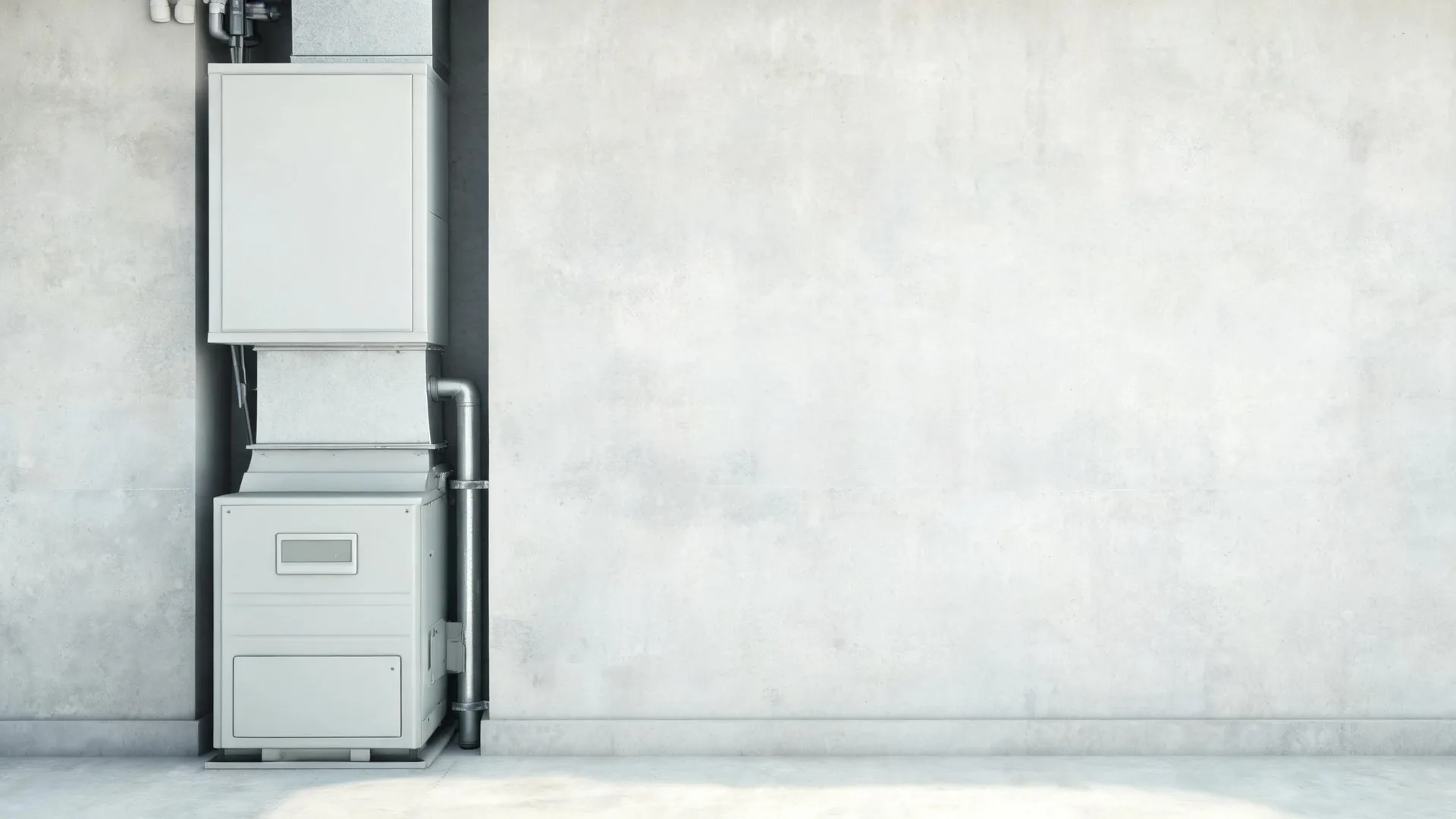
A gray forced-air furnace with sheet-metal ductwork stands in an unfinished basement with exposed wooden joists, concrete walls, and a hanging incandescent bulb.

Furnace Installation in Oak Harbor, WA

Tell us about the job

Takes about a minute. No obligation.

New system or replacementFurnace or heatingIsland County, WA
Step 1 of 2

What ZIP code is the job in?

Electricity here runs $34.87 per million Btu

Washington homes paid that rate in 2024, and a furnace that runs on electric heat or backs up a heat pump burns through it all winter. A unit a few points less efficient turns into a bill difference you'll see every month, not just in a cold snap.

The install is where that gets decided

Once the furnace is in, its efficiency is fixed for the life of the system. Sizing it right for the house and setting it up correctly matters more here than somewhere electricity is cheap, because every inefficiency gets multiplied by that rate for years.

10 months
September through June, your furnace is on duty
35°F
the average winter night it heats against
80% AFUE
the federal minimum any new unit must meet
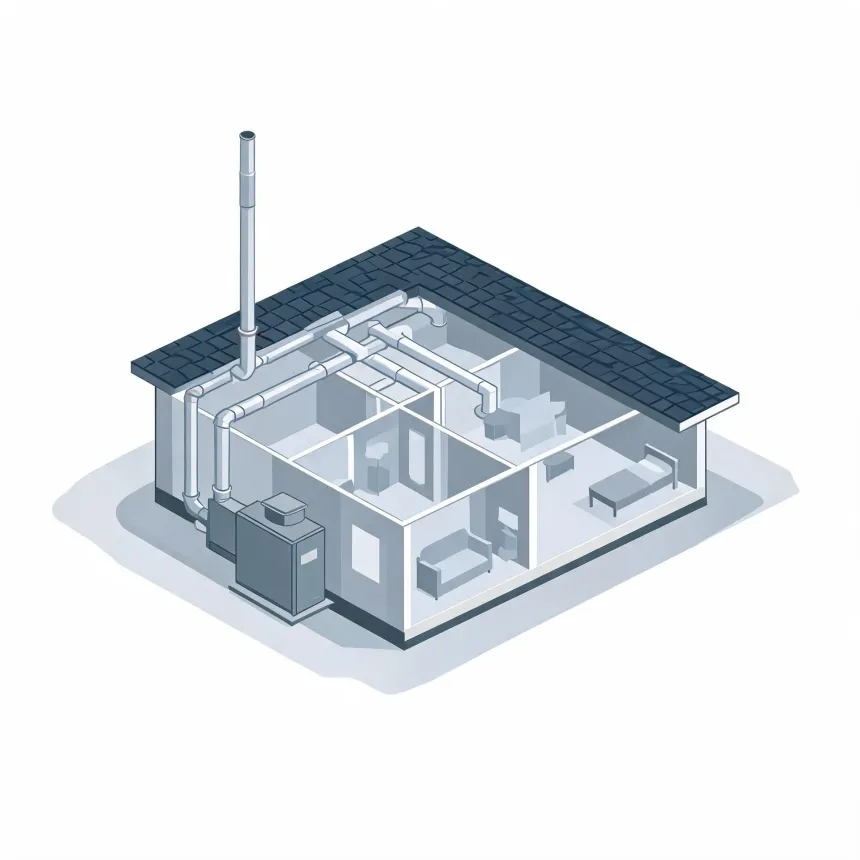
Isometric cutaway illustration of a single-story house with a dark shingled roof, showing interior rooms with furniture, a ducted air distribution system, a tall vertical flue pipe, and a gray furnace unit outside the wall.
Your furnace works hardest from October through April.

NOAA nClimDiv, 1991–2020 normals

Furnaces with matching AFUE ratings can still differ in how the burner and heat exchanger are built.

Ask for the sizing calculation in writing before comparing prices, since a unit sized off the house's actual heat loss outperforms one picked by rule of thumb.

A fifth of this state lost power for a day or more last year

23% of homes statewide lost power a day or more in 2024
Heat runs September through June
Winter nights average 35°F

Electricity heats 57.9% of occupied homes in Island County. Gas, utility and bottled combined, covers roughly a third, and fuel oil is down to 1.3%. If your home already runs on electric heat, putting in another electric furnace is the straightforward path, since the wiring for it is already there. Switching fuels means running new gas lines or venting, work a straight electric swap doesn't need. Most homes here are already set up for the fuel they'll install again.

Efficiency pays here

Power costs more here, so an efficient system pays you back on every bill.

Find a contractor
A gray residential gas furnace installed in an unfinished basement, surrounded by ductwork, a metal flue pipe, and a gas supply line.

Ten months of work a year, one month to get it right

Furnaces here run from September through June, about ten months of the year. August is what's left. That's the month to get a new one in, before the first cold night makes the decision for you. A furnace put in under pressure gets whatever sizing and setup someone can manage that day. One put in during August gets measured, sized to the house, and started up right, with time to fix anything that needs fixing before it has to carry the house.

Square footage alone is a guess

What actually drives heat loss is window area, insulation, how many walls face outside, even which way rooms face. A contractor works this out room by room, calculating what the house actually loses rather than matching a furnace to the floor plan.

An oversized furnace runs worse, not better

A furnace too big for the house heats the air fast, shuts off, then starts again a few minutes later. That short cycling wears the igniter and blower motor harder than steady runtime would, and rooms farther from the furnace never quite catch up to temperature.

The furnace itself is one line item. What it takes to put in right is the rest. Running new ductwork or modifying what's there costs more than reusing a layout that already fits the house. Venting matters too, since a high efficiency furnace needs intake and exhaust pipe run to the outside, and where that can go depends on the house. The return air system has to be sized for the new furnace, not whatever was adequate for the old one, or the blower will fight it every cycle. Electrical work comes into it if the new unit draws differently than what it's replacing. None of this shows up on a spec sheet. It shows up when someone's in the house with a tape measure, figuring out what the job actually requires before they quote it.

Install day starts before anyone touches the old furnace. The tech shuts off gas and power, then disconnects the ductwork, flue, and wiring from the unit being replaced. The old furnace comes out, and if the pad or platform underneath needs work to fit the new one, that gets squared away before anything new goes in. Setting the furnace is the fast part. What takes time is connecting the venting, sealing the duct joints, wiring the thermostat and control board, then checking gas pressure and airflow against what that specific furnace calls for. Once it's running, a tech checks the temperature rise across the heat exchanger and the flame itself, because a furnace can look installed and still be set up wrong. The job isn't done until it's been run through a full cycle and tested, not just plugged in and left.