
Heat pump vs furnace in Island County, Washington

Find a Local Installer

Quotes on either system

A person's arm in a light blue shirt reaches to adjust a round white and black thermostat mounted on a dark blue wall, with a living room containing a houseplant, television and wooden console visible through a doorway and a tool bag with screwdrivers on the floor below.

Tell us about the job

Takes about a minute. No obligation.

New system or replacementIsland County, WA
Step 1 of 3

What kind of equipment?

Which costs less to run in Island County?

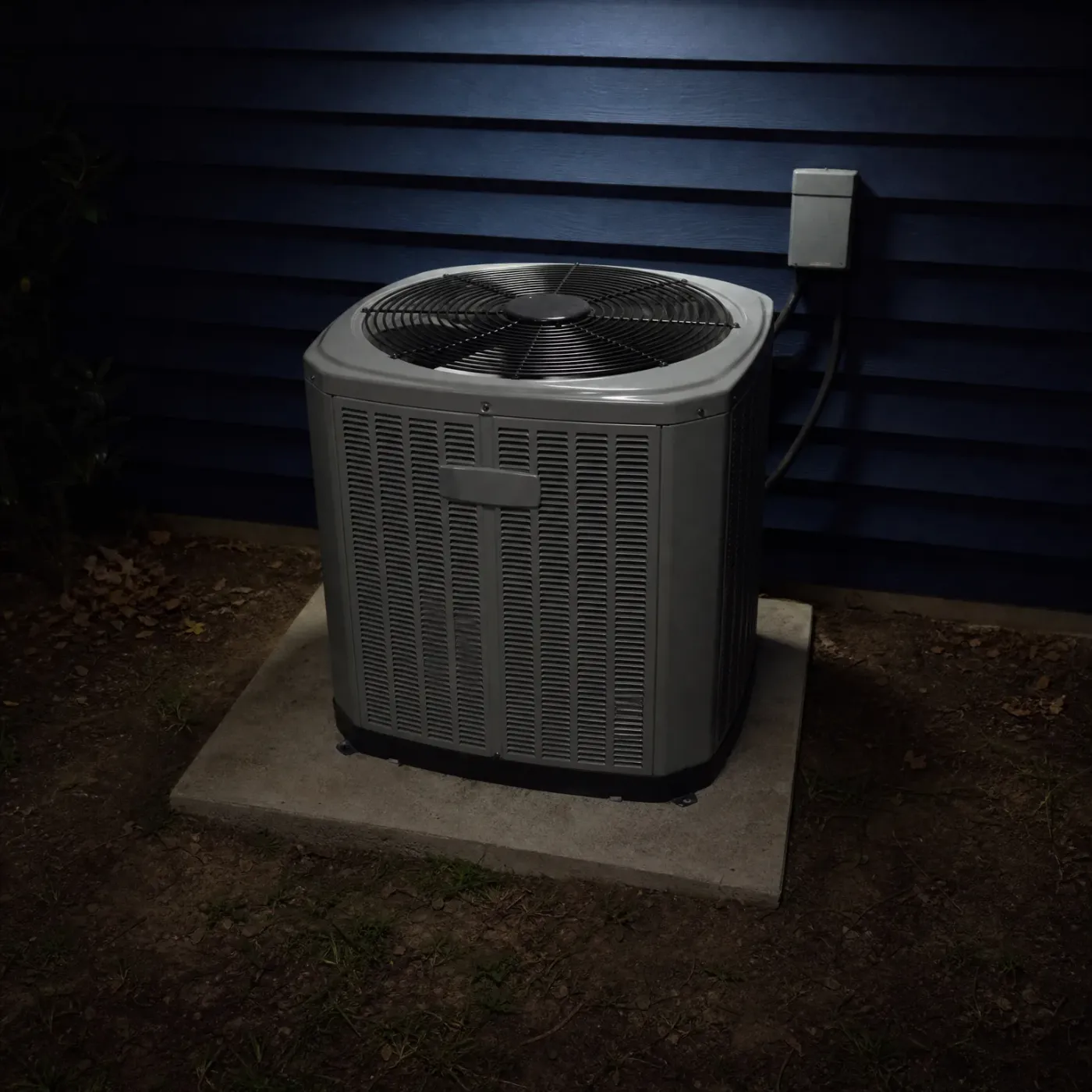
A gray outdoor air conditioner condenser unit on a concrete pad beside a dark blue horizontal lap-sided wall at night, with a wall-mounted disconnect box and conduit above it.

Heat pump

To heat your home here$1.59per 100,000 Btu

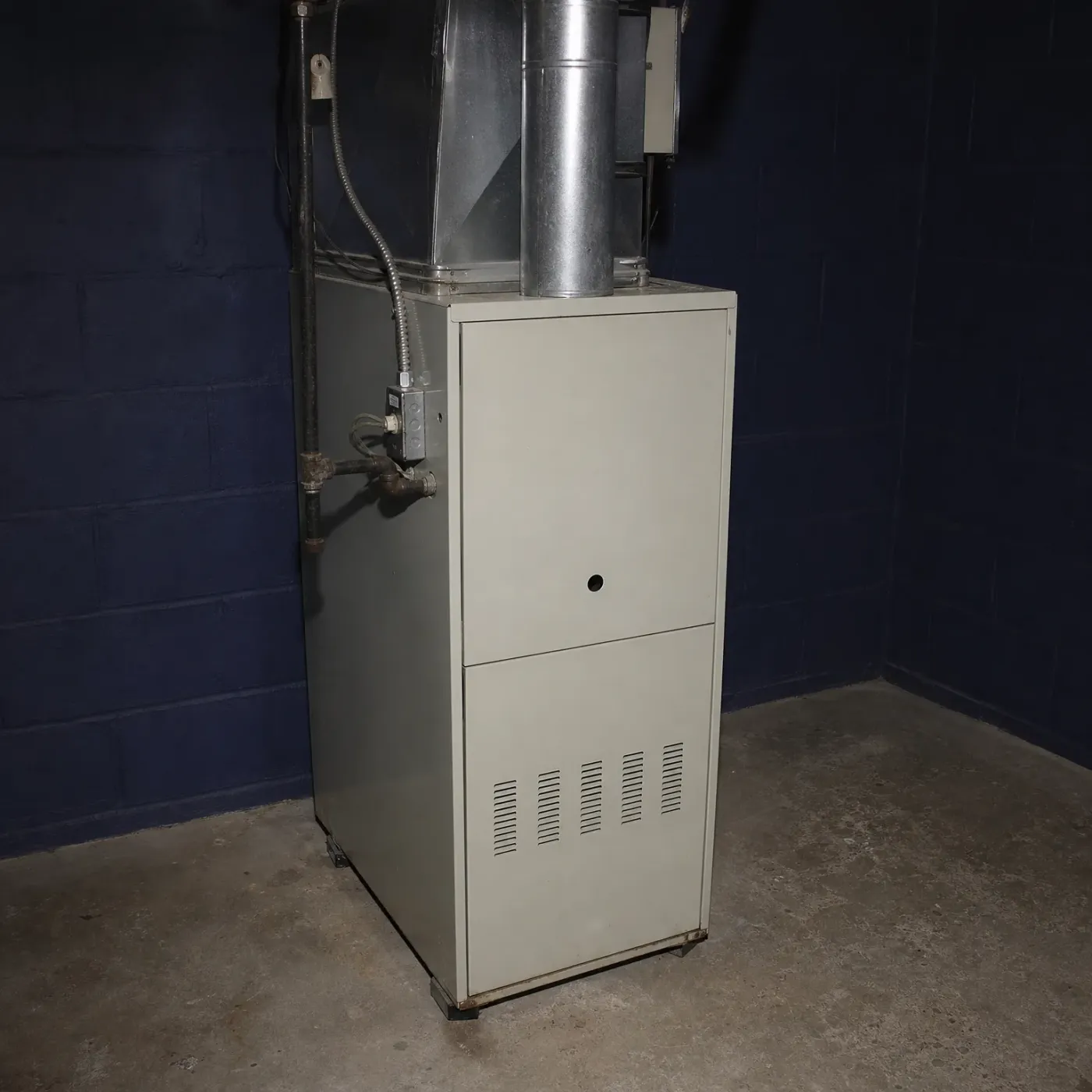
A beige sheet-metal furnace with a louvered lower panel stands on a concrete floor against a dark blue painted concrete block wall, with metal ductwork, a flue pipe, gas piping and an electrical box above and beside it.

Furnace

To heat your home here$1.46per 100,000 Btu

At Washington's gas and electricity prices, a gas furnace makes the same heat as a heat pump for at least 8% less.

Btu stands for British thermal unit, the standard measure of heat energy.

Where does a heat pump shine?

  • Made for mild winters

    Winter nights here average 35°F, not deep cold. A heat pump handles that range fine and keeps pulling heat from the outside air all season long.

    A light blue paneled front door with two small windows on a white clapboard house, flanked by a black lantern sconce and navy shutters, with a potted evergreen, a pair of brown boots, a doormat, and stone steps leading to the wooden porch.
  • No gas line, nothing burning in the house

    A heat pump runs on electricity alone. Nothing burns inside the house.

    A stainless steel stovetop kettle sits on a black induction cooktop set into a white marble counter, with navy cabinets below, a white subway tile backsplash, a crock of wooden utensils, and blue hydrangeas in a glass vase near a window.
  • Steady, even comfort

    A heat pump runs long and low instead of blasting on and off. Rooms hold an even temperature all day.

    A golden-coated dog sleeps on a woven rug beside a lit wood stove, in front of a dark blue armchair with a grey knit throw, open book and cushion, near a frosted window and a bookshelf.

Where does a furnace shine?

  • Pairs with any central AC

    A furnace's blower and ducts carry cooled air too. Adding central AC uses the same system.

    A metal floor register set into a hardwood floor near a window with sheer curtains, with sunlight casting shadows across the boards beside a dark blue wall and white baseboard.
  • Proven, simple, easy to get serviced

    Parts are easy to find and most repairs are routine. Getting one fixed rarely means waiting on a specialist.

    A gloved hand holds a white pleated air filter in front of a furnace in a basement with a blue painted block wall and a metal shelf holding bins.
  • Fast, strong heat on demand

    A furnace pushes out hot air within minutes of switching on. A cold house warms up fast.

    Entryway with a dark blue door, snowy trees seen through a window with a pale blue curtain, snow-dusted boots on a tile floor, a floor vent, and a steaming mug on a wooden bench with a blue fringed throw and coats on hooks.

Will a heat pump keep your house warm here

Island County doesn't get cold enough to make this a hard question. Overnight lows average 35°F through December, January and February, and they only drop to freezing or below on about 30 nights a year. A heat pump built to the federal minimum keeps making heat in that range. It isn't fighting single-digit nights or weeks of hard freeze, it's working against mild, wet cold most of the season.

The heat runs about ten months a year here, September through June. Of the roughly 305 nights in that stretch, about 30 dip to freezing or below. That's the part of the season where a heat pump has to work hardest, and it's a small part of it. The other 275 nights sit in the range a heat pump handles easily.

What a furnace does that a heat pump can't is cool your house. A heat pump moves heat both ways, so it's also your air conditioning. A furnace only heats, which means for the 2 months a year nobody's running the heat here, it has nothing to do. If you want central air at some point, that counts for the heat pump and against the furnace, since a furnace needs a separate AC system to cover that.
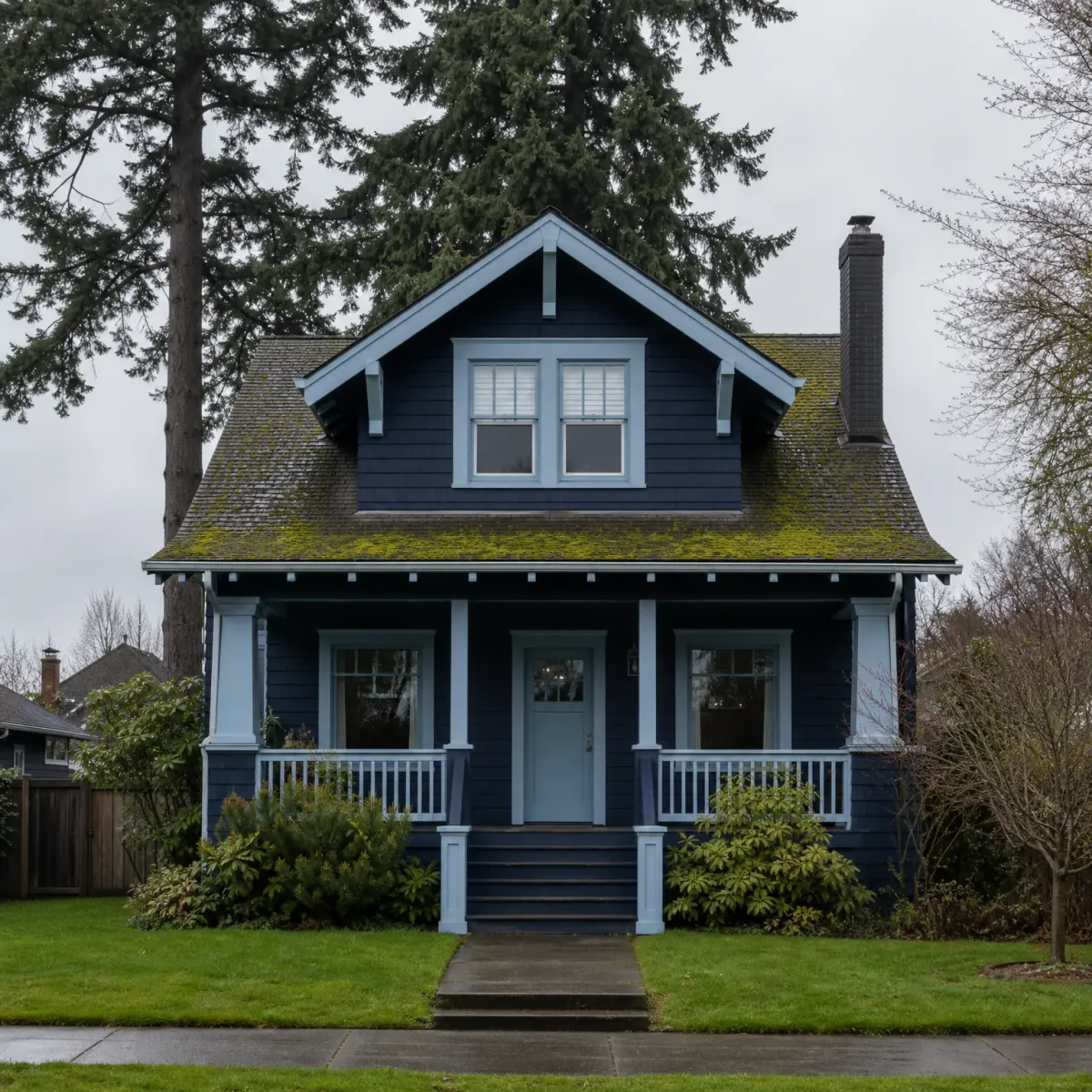
A two-story dark navy craftsman-style house with light blue trim, a covered front porch with railings, a dormer with two windows, a brick chimney, and a moss-covered roof, set behind a mown lawn with shrubs and a large evergreen tree under an overcast sky.

What it costs to run, and what fuel you already have

At Washington's average prices, a gas furnace is cheaper to run than a heat pump: $1.46 against $1.59 per 100,000 Btu, both machines built to the federal minimum. That's about 8% less for the same heat. The heat pump's number assumes it's making all that heat itself, with nothing added for backup heat on the colder nights, so if yours leans on backup strip heat near freezing, the real cost on those nights runs higher.

That gap is smaller than it looks, and for some houses it flips. Propane heats 17% of homes in the county, and propane runs $26.30 per million Btu against natural gas at $11.65. A furnace burning propane is not the same bet as a furnace burning utility gas, even though utility gas only reaches 16.4% of homes here. Electricity heats 57.9% of homes, a little under three in five.

What this comes down to is what's already at your house. If you're on utility gas, a furnace is cheaper to run and simpler to service, and it pairs with central air if you ever add it. If you're on propane, run the furnace's cost against your actual propane price before assuming it beats a heat pump. If there's no gas line and adding one isn't something you want to take on, a heat pump costs a little more to run but skips that problem, and it heats and cools the house with one machine.

Sources: NOAA nClimDiv · NOAA 1991–2020 seasonal normals · EIA SEDS 2024 · Census ACS 2020–2024 · 10 CFR 430.32

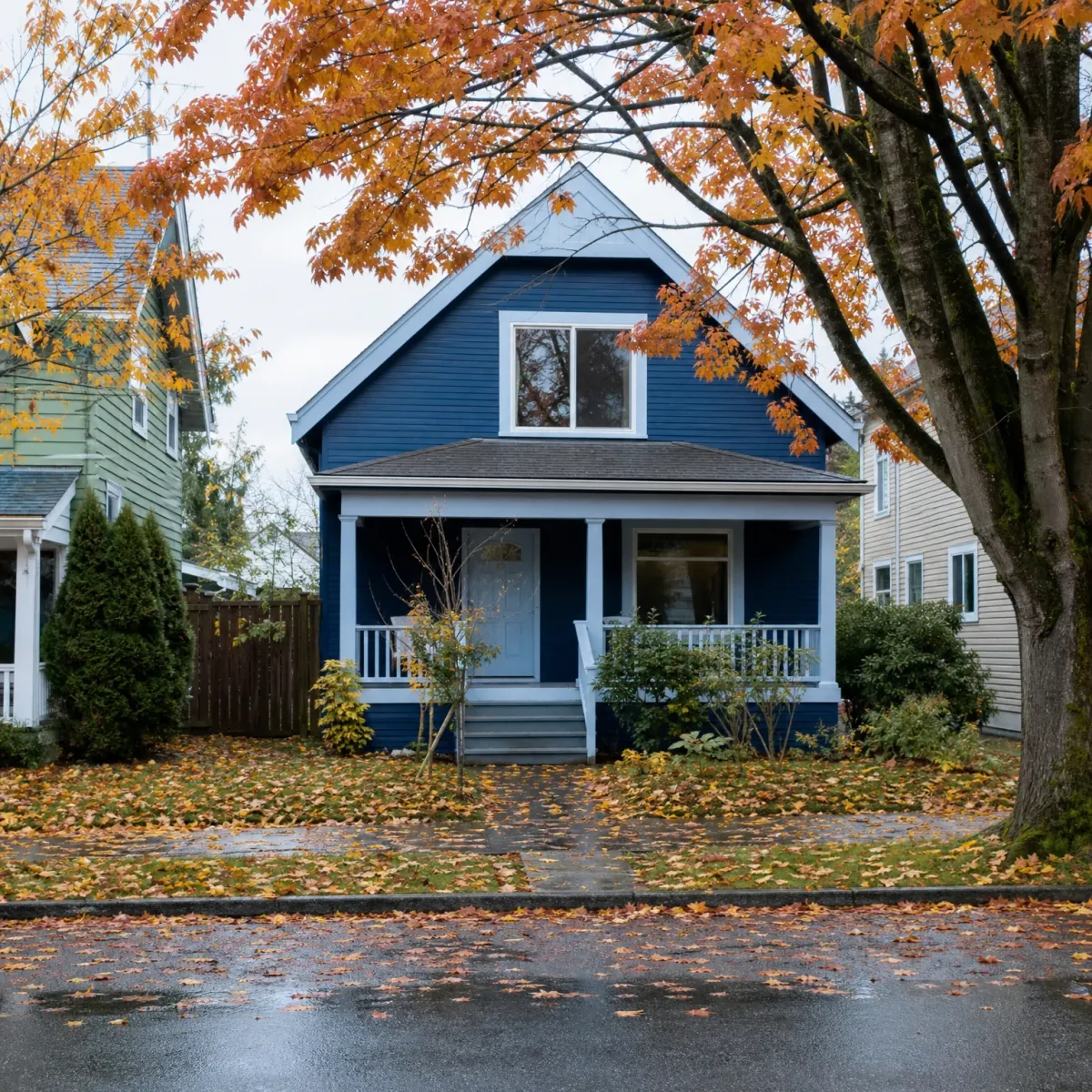
A two-story blue house with white trim and a covered front porch, flanked by neighboring houses, with fallen orange leaves on the lawn and wet street in the foreground and a large tree with autumn foliage overhead.

Common questions about heat pumps and furnaces

  • Can I keep my furnace and add a heat pump?

    Yes, a furnace and a heat pump can share the same ductwork, with the heat pump handling most nights and the furnace stepping in on the coldest ones. That setup is common because a heat pump alone needs backup heat once temperatures drop far enough, and a furnace already in place can serve that role. It also means you're not paying to run electric resistance backup, the usual alternative, on the nights the heat pump can't keep up on its own.

  • What if my house doesn't have a gas line?

    You're choosing between a heat pump and electric resistance heat, and the heat pump wins that comparison easily. A heat pump delivers 7.5 Btu of heat for every watt-hour it uses, where resistance heat delivers one. Propane or oil are also options if you're willing to run a fuel tank, but between the electric choices, the heat pump costs less to run.

  • What if my house heats with oil or propane?

    A heat pump will very likely cost less to run than what you have now. Propane ran $26.30 per million Btu in Washington in 2024, more than double natural gas at $11.65, and a heat pump beats propane heat by an even wider margin than it beats a gas furnace. Oil costs more to deliver heat than gas does too, for the same reason: the fuel itself costs more per Btu.

  • Is a heat pump cheaper to run than a furnace in Island County?

    No, a gas furnace costs less to run here. A gas furnace runs $1.46 per 100,000 Btu of heat against $1.59 for a heat pump, both at Washington's average fuel prices. The heat pump figure assumes it's working on its own, with nothing added for the backup heat it needs on the coldest nights.