





A gas furnace with sheet-metal ductwork and PVC pipes installed in an unfinished basement.

Furnace Installation in Port Angeles, WA

Tell us about the job

Takes about a minute. No obligation.

New system or replacementFurnace or heatingClallam County, WA
Step 1 of 2

What ZIP code is the job in?

Electricity in Washington runs $34.87 per million Btu, and that number applies to every kilowatt a furnace draws. If you're heating with an electric furnace, the efficiency rating on the unit you choose shows up directly in what you pay to run it. A furnace with a better AFUE rating turns more of that electricity into heat in your house instead of losing it. Over a season of regular use, that difference is worth asking about before you decide which system to install.

33°F
the average winter night it heats against
80% AFUE
the federal minimum any new unit must meet
Isometric cutaway illustration of a single-story house with a dark shingled roof, showing interior rooms with furniture and a furnace connected to ductwork and a flue pipe extending above the roof.
Your furnace works hardest from October through May.

NOAA nClimDiv, 1991–2020 normals

Electricity heats 85.6% of homes in Clallam County.

A new furnace here is almost always an electric furnace, so the AFUE rating on the one you pick is worth comparing closely.

Port Angeles doesn't need an oversized furnace, just one that runs a lot

Winter nights average 33°F
Climate zone 5C
Half the homes here were built by 1982

Almost a quarter of Washington households lost power for a day or more in 2024. A furnace that's wired into the house won't run through that, electric or not, unless something backs it up. Worth thinking about now, while you're already choosing a system, rather than after the first outage. Where the outdoor equipment sits matters too, away from falling branches and clear of runoff, since this county sees more storm weather than most. None of this changes which furnace to buy, but it changes how it's installed.

Any furnace going in here has to clear this zone's efficiency minimum

Furnaces installed here have to meet Washington's efficiency rules for this climate zone, and that limits which models qualify. A federal tax credit is available for qualifying high-efficiency equipment, which can offset some of that cost. Worth sorting out which units meet both before you pick one.

Find a contractor
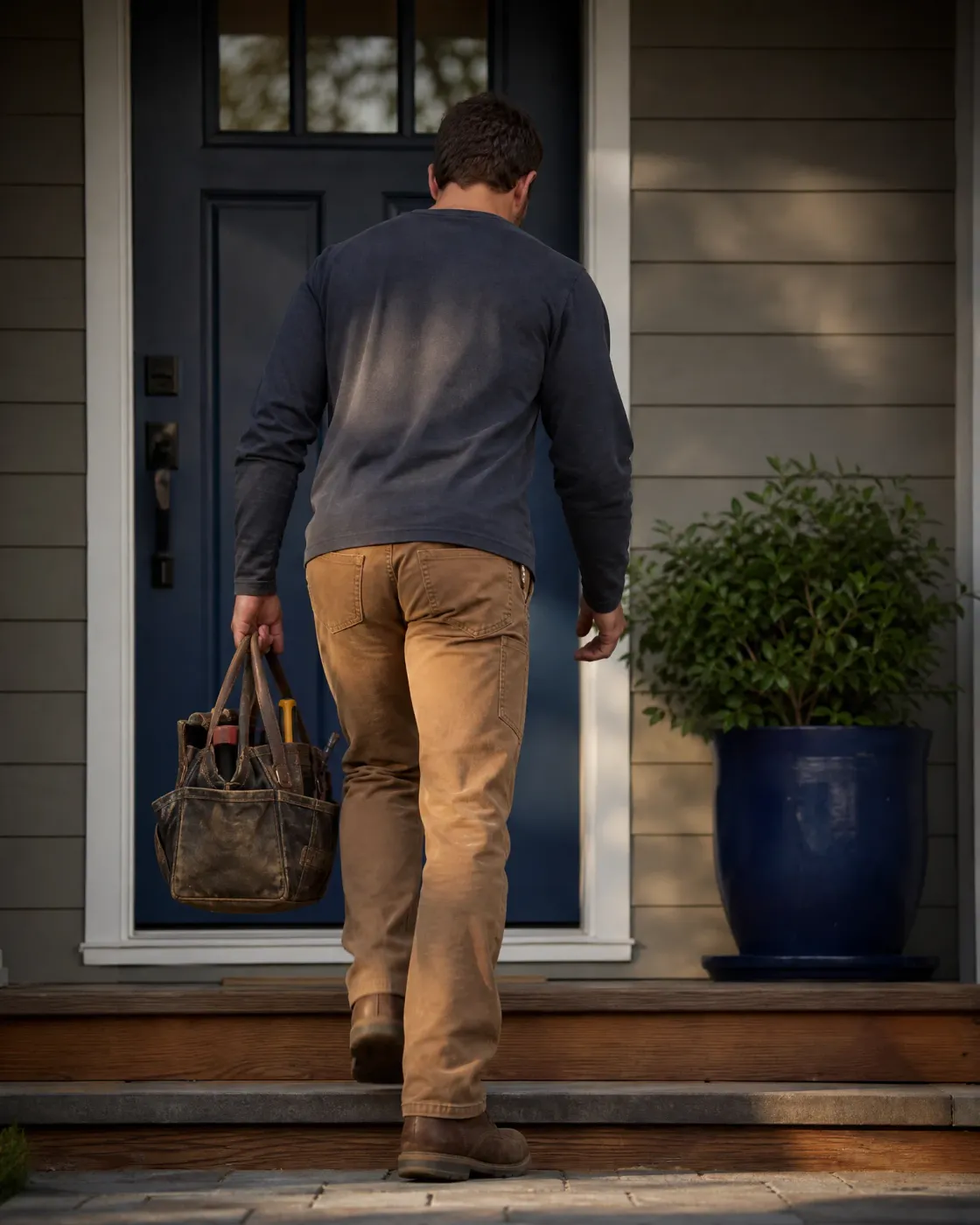
A man in a dark long-sleeve shirt and tan work pants, seen from behind, carries a worn canvas tool bag up steps toward a navy blue front door of a gray clapboard house, with a large blue planter and shrub to the right.
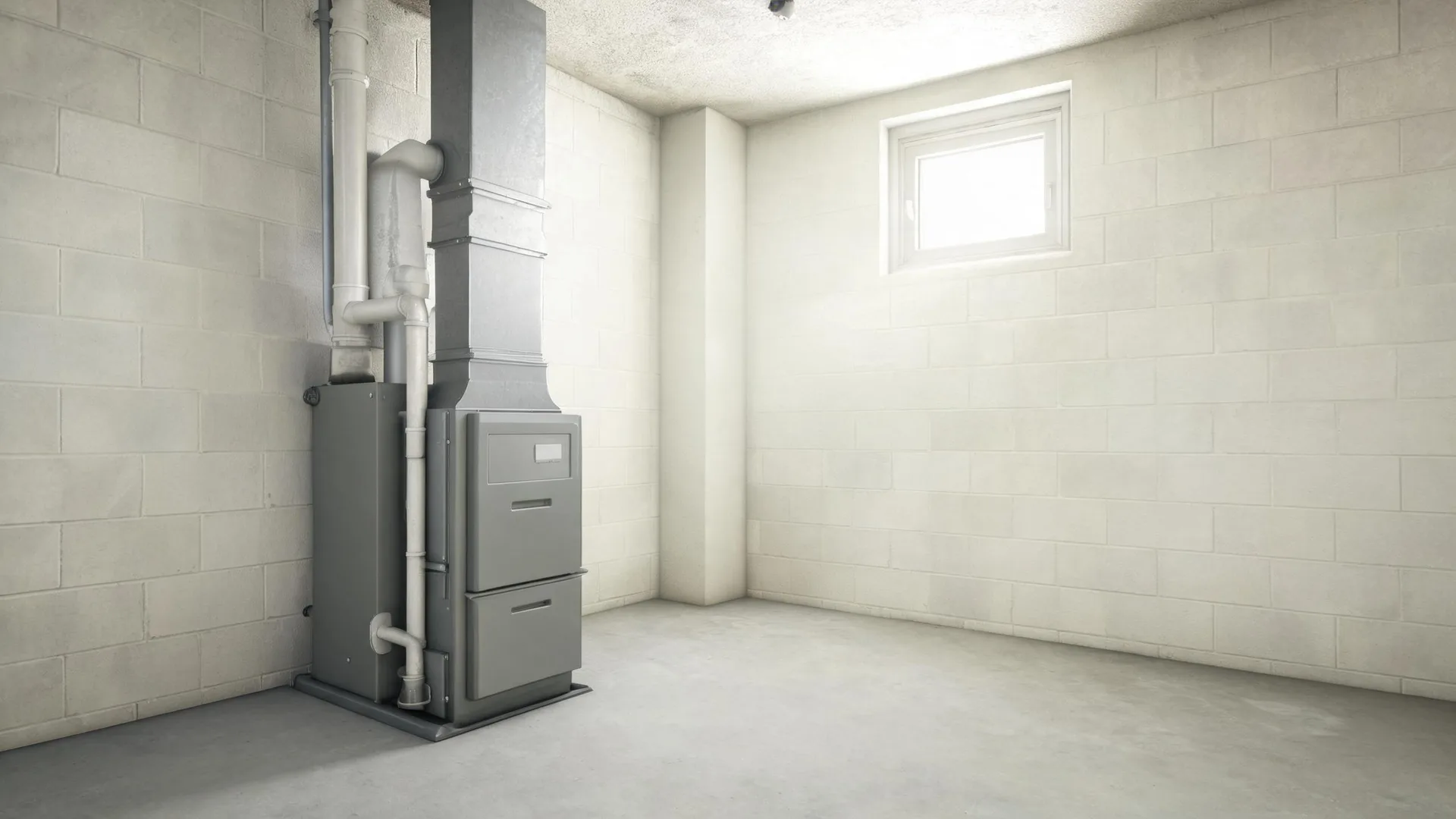
A gray residential gas furnace installed in an unfinished basement, connected to sheet-metal ductwork and PVC pipes.

The old furnace doesn't get a second life

Once the new furnace is in, the old one gets disconnected and hauled out, cabinet, blower and all. There's no refrigerant to recover like there would be with an AC, so there's no special handling it needs on the way out. If it ran on gas, the technician caps the gas line and makes sure nothing is left feeding a unit that no longer exists. The electrical whip gets disconnected too, not just switched off. What's inside by that point is usually a cracked heat exchanger, a blower motor on its way out, or a control board that's been throwing intermittent faults, which is why most of these get replaced rather than repaired. None of it goes back in. Scrap haulers take the metal, and the rest goes with it.

Ask what size the load calculation says, not the old furnace

A contractor should measure the house, the windows, the insulation, and come back with a number, not just match whatever was there before. A furnace sized off the last one can carry over a mistake nobody caught, running too long or short-cycling either way.
Ask how the ductwork was checked, not just the furnace

A new furnace pushes air through the same ducts that were already there. If those ducts leak or are sized wrong for the new unit, you can end up with a better furnace heating the house worse than the old one did. Worth asking what gets inspected, not just what gets installed.

A handful of things push the price of a furnace install up or down. The cabinet size matters, since a bigger heating capacity costs more than a smaller one. So does the ductwork already in place. If the trunk lines and branches can take the new furnace as they are, that's labor you don't pay for. If they need modifying or the static pressure is wrong for the new unit, that's more time on site. The venting matters too. A different AFUE tier can mean a different venting material, and that's not a swap you can skip. Electrical work adds up if the new furnace draws differently than the old one did. None of this is optional scope. It's what makes one installation quick and another one take most of the day.

Install day starts with the old equipment coming out, then the new furnace gets set in place and leveled before anything gets connected. Ductwork gets attached first, then venting, then gas or electrical, then the control wiring that ties it to the thermostat. Once it's hooked up, the technician checks gas pressure or electrical draw against what the manufacturer specs, not just whether it turns on. Airflow gets checked too, since a furnace moving too little or too much air across the heat exchanger will run into problems later even if it starts up fine today. The system gets cycled a few times, checked for proper ignition, and the temperature rise across the furnace gets measured against the range printed on the data plate. Only after that does anyone call it done.