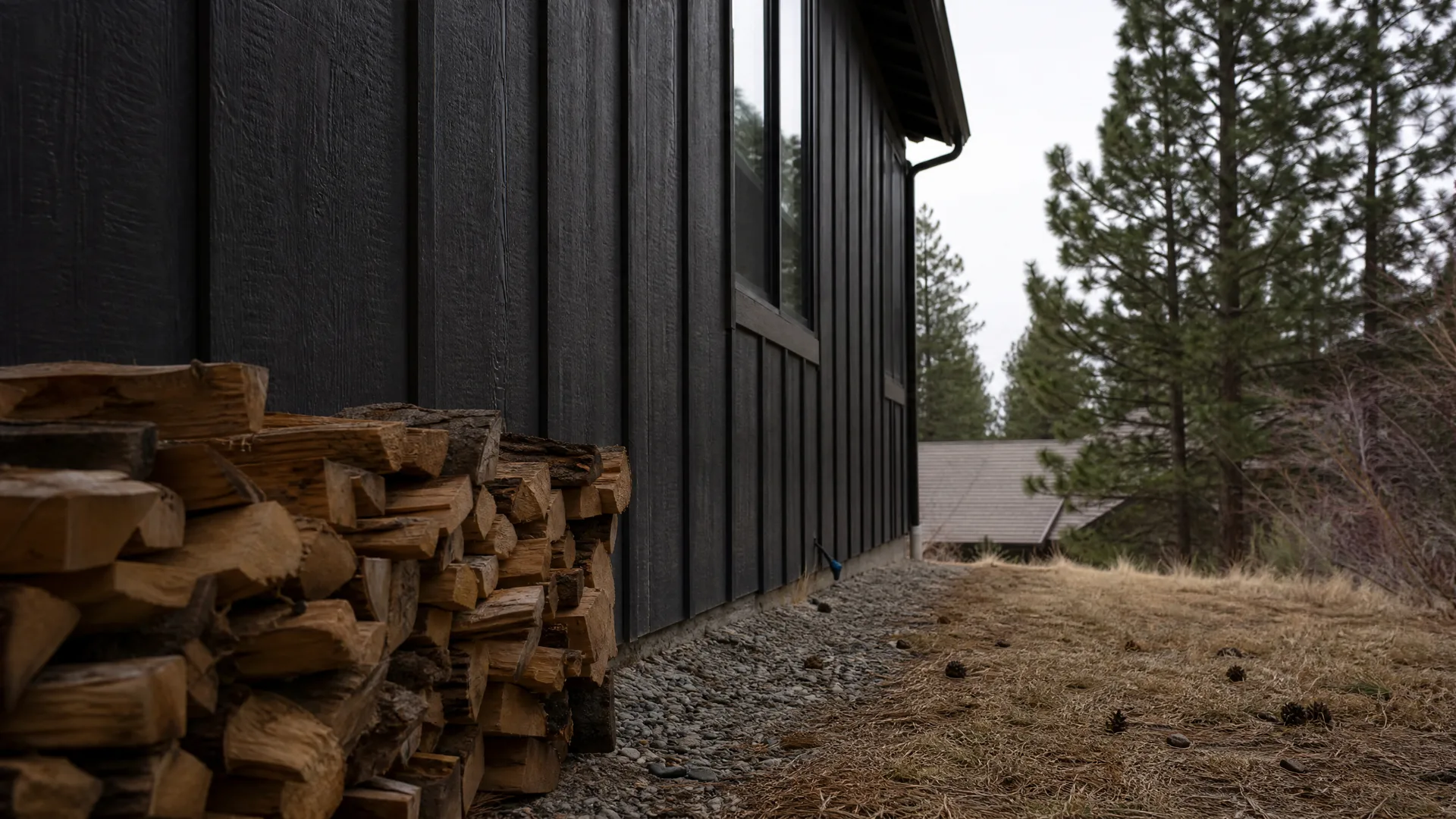




A stack of split firewood sits against the black vertical wood siding of a house, with a gravel strip, dry grass, and pine trees under an overcast sky.

Furnace Installation in Republic, WA

Tell us about the job

Takes about a minute. No obligation.

New system or replacementFurnace or heatingFerry County, WA
Step 1 of 2

What ZIP code is the job in?

Furnace here runs about ten months a year, September through June. That leaves June through August to replace a system that's struggling before it has to carry the house again. Wait until September and you're making this decision cold, with whatever's installed working on borrowed time. Doing it in summer means the contractor can size the new furnace to the house, not just swap in a match for what's failing. August is the last easy month to get this done before the house needs heat again.

10 months
September through June, your furnace is on duty
19°F
the average winter night it heats against
80% AFUE
the federal minimum any new unit must meet
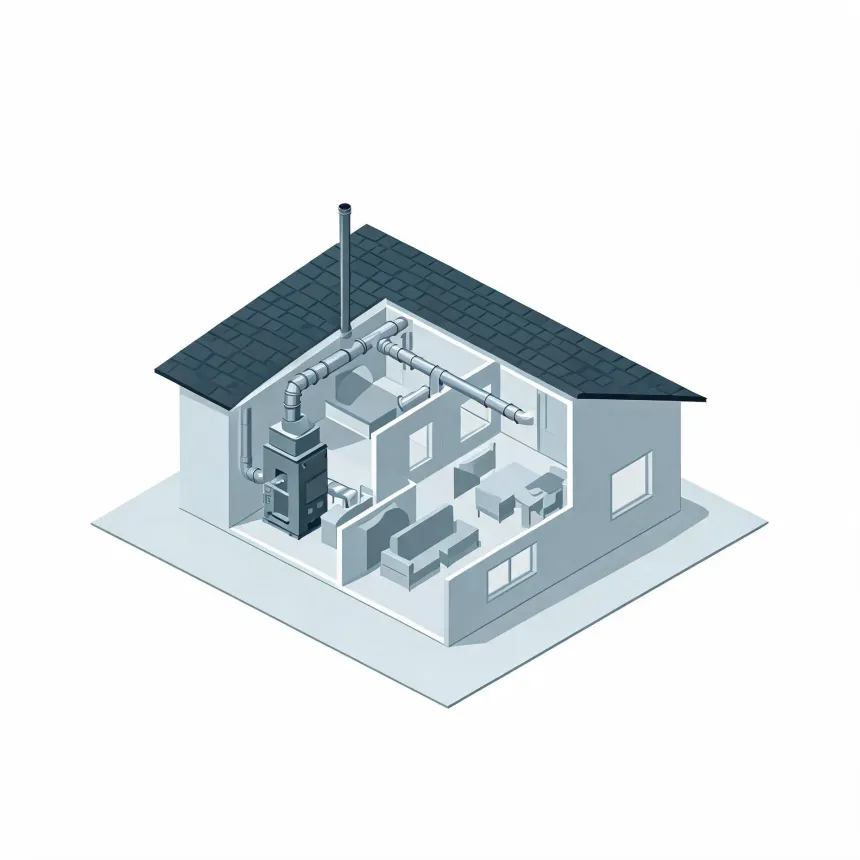
Isometric cutaway illustration of a single-story house with a dark shingled roof, showing a furnace with a flue pipe and branching ductwork running through interior rooms furnished with a sofa, table and chairs.
Your furnace works hardest from October through April.

NOAA nClimDiv, 1991–2020 normals

The old furnace doesn't go back in the box once the new one's running.

A licensed installer disconnects the gas line, pulls the unit, and hauls it off as part of the job.

Most homes near Republic heat with wood, not gas

48.4% of homes heat with wood
Heat runs September through June
Winter nights average 19°F

Every furnace has an efficiency rating, usually shown as AFUE, and it tells you how much of the fuel it burns turns into heat in the house versus how much goes out the flue. A higher rating means less of what you pay for leaves as exhaust. The number on the label is also a clue to how the furnace is built. Higher-rated furnaces use a second heat exchanger to pull more warmth out of the exhaust before it vents, and that exhaust comes out cool enough to run through PVC pipe instead of metal flue. That changes where the furnace can sit and how it vents, which matters when a contractor is sizing a new system for the house rather than just matching what's already there. A lower-rated furnace costs less to install but keeps more of that fuel bill going out the flue for as long as it runs.

Efficiency pays here

Power costs more here, so an efficient system pays you back on every bill.

Find a contractor
A man in a dark shirt and work boots carries a canvas tool bag filled with tools up wooden porch steps toward a navy blue front door of a shingled house, with a potted shrub to the right.
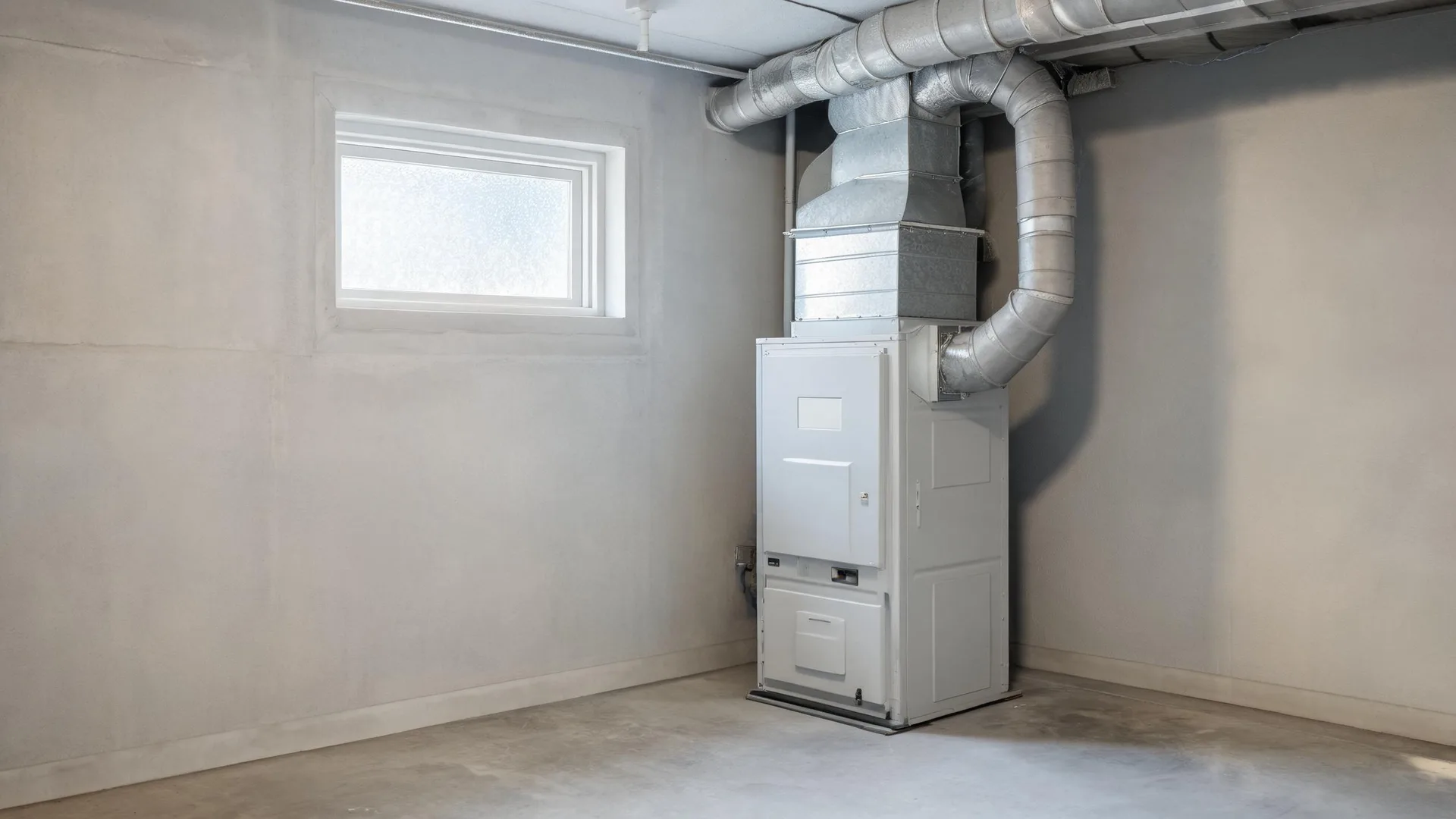
A gray gas furnace with attached ductwork and piping installed in an unfinished concrete basement.

Sized to the house, not swapped for the old one

A furnace that's too big for the house short cycles. It heats the air fast, hits the thermostat setting, and shuts off before it's pulled in a full, even heating cycle. That means the burner and igniter kick on more often, and every start is wear on both. A furnace that's too small never gets there. It runs long and hard, straining to keep up on the coldest days, and that strain falls on the same parts. Either way the mismatch shows up first in whatever starts and stops the most. Sizing a furnace right isn't about matching the old unit's output. A contractor works out how fast the house loses heat through the walls, windows and roof, and sizes the furnace to cover that loss without overshooting it. Square footage alone doesn't answer that question. Houses built differently lose heat at different rates even when they're the same size. Get the sizing right and the furnace settles into long, steady cycles, which is what wears a furnace the least.

Ask what's included besides the furnace itself

A furnace install often touches the thermostat, the ductwork connections and the venting, not just the unit in the closet. Some contractors quote the furnace alone and price the rest as it comes up. Ask what's covered in the number you're given and what counts as extra, so the quotes in front of you are for the same job.
Ask how they arrived at that size, not just what size they're proposing

A contractor matching the old furnace's output and a contractor working out how fast the house loses heat through its walls, windows and roof can walk through the same rooms and land on different numbers. Only one of those methods accounts for how the house actually holds heat. Ask what was measured and how the number was reached, not just what the number is.

The furnace itself is only part of what's being paid for. Venting is often the bigger factor. Running new PVC intake and exhaust pipe through a wall costs more than reusing a metal flue that's already there, and whether that's even possible depends on the furnace being installed. Ductwork plays into it too. A contractor may need to modify the plenum or adjust runs to match the new unit's airflow, especially if the old furnace was undersized or oversized to begin with. The thermostat wiring, the gas line connection, and whether the furnace fits the existing closet or needs the return air opening resized all add labor beyond setting the box in place. None of that shows up until someone's standing in the house looking at what's actually there.