


What the cold here does to a heat pump
Heat runs ten months a year in Ferry County, September through June. Through December, January and February the overnight low averages 19°F. That number matters because of what happens to a heat pump once the temperature drops. Below 40°F a standard heat pump puts out less heat than its rating says. Below about 35°F it often needs backup heat to make up the difference. An average winter night here is past both marks.
That is not a rare cold snap. About 165 nights a year fall to freezing or below, over half the nights the heat runs at all. A standard heat pump is working below its rated output on every one of them. Only about 5 nights a year reach 0°F or colder, so the deep cold is the small part of the picture. The ordinary cold, the kind that shows up most winter nights here, is the larger part.
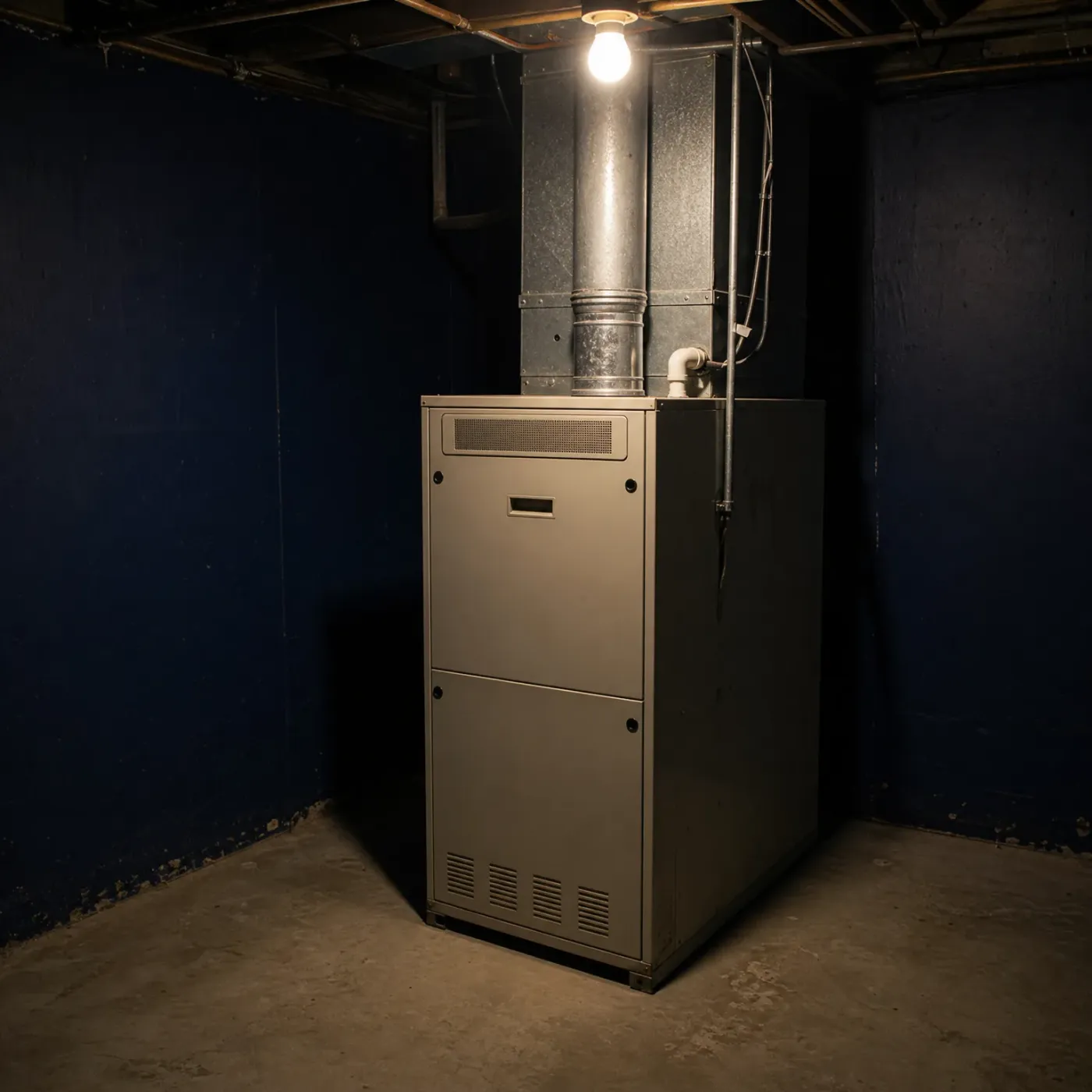
This is where the furnace card above comes from: strong heat in hard cold. A furnace burns gas and delivers its full rated heat whether it is 30°F or 10°F outside. A heat pump's output bends with the outdoor temperature, and in this county the temperature spends most of the heating season in the range where that bend shows up.
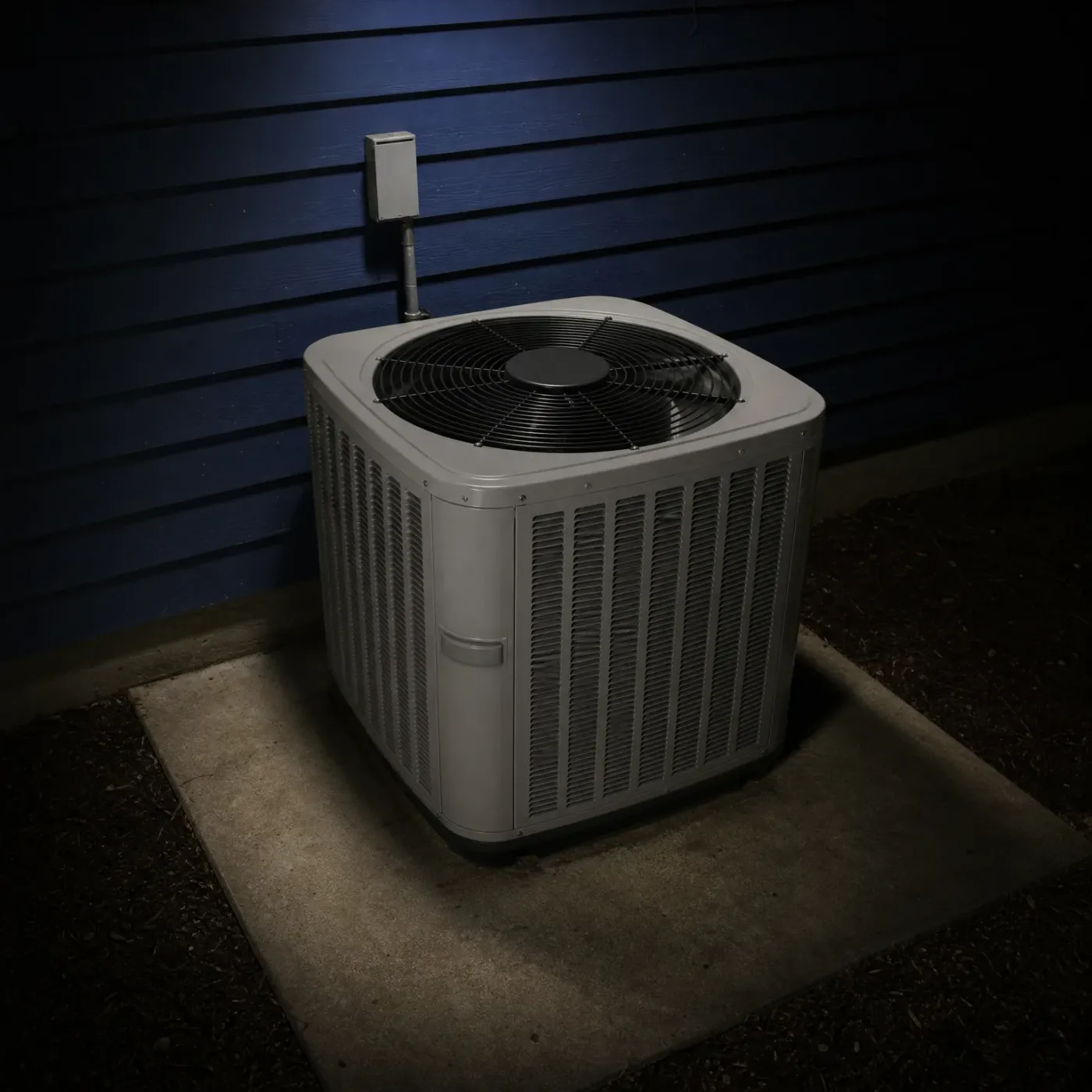
A heat pump built and rated for cold climates is a different machine than the base model the running-cost figures assume. To carry the ENERGY STAR Cold Climate mark, it has to keep at least 70 percent of its 47°F heating capacity at 5°F, checked by outside testing rather than the manufacturer's own numbers. In a two-winter field test of prototype cold-climate heat pumps in occupied homes, backup heat covered only a small share of what the home needed between 0°F and 35°F, and running on backup alone was rare even above 0°F. If a heat pump goes into a house here, that rating is what to look for, not the minimum-efficiency unit priced in the comparison above.