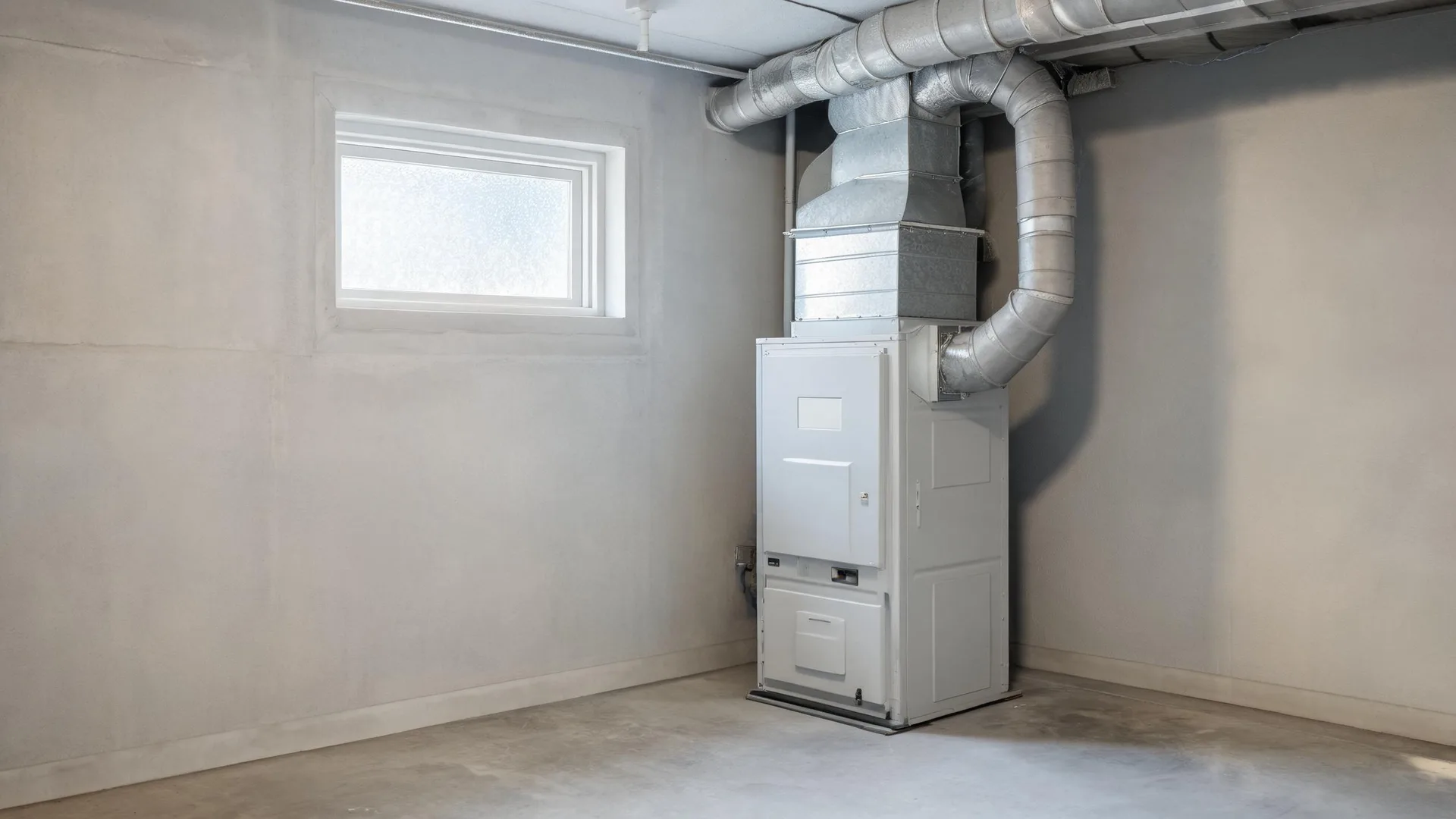
Electricity here isn't cheap
Washington homes paid $34.87 per million Btu for electricity in 2024. If your furnace runs on electricity, that's the rate every heating cycle gets billed at.
Takes about a minute. No obligation.
Washington homes paid $34.87 per million Btu for electricity in 2024. If your furnace runs on electricity, that's the rate every heating cycle gets billed at.
At that price, how efficiently a furnace turns power into heat matters more than it would somewhere cheaper. Two furnaces that look alike on the showroom floor can land on very different bills once they're running in your house all winter.
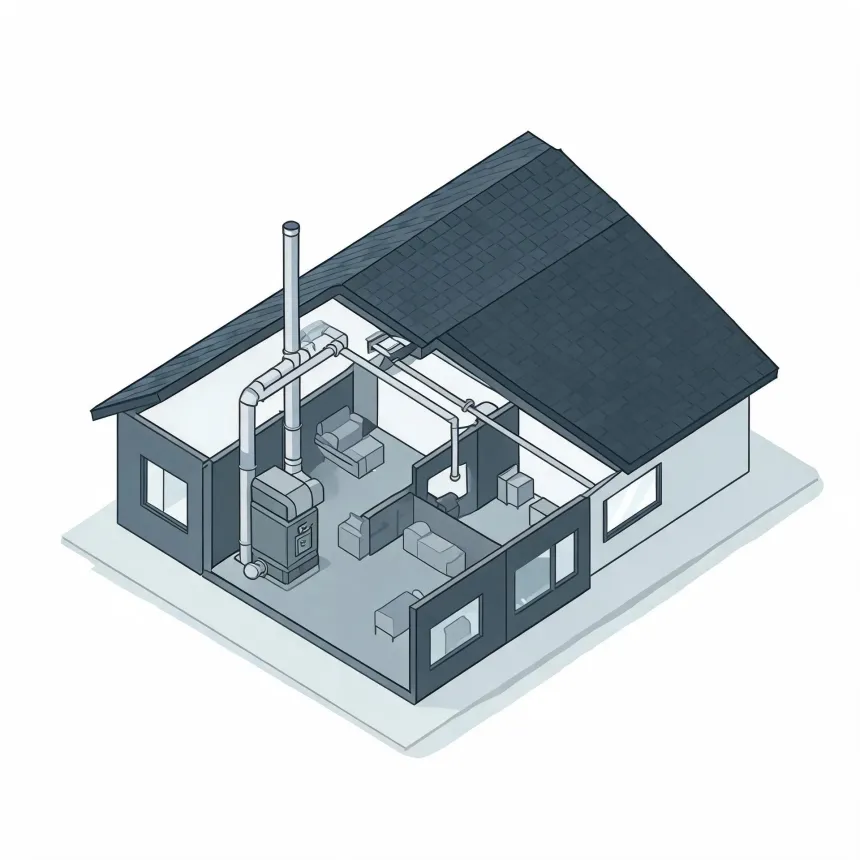
NOAA nClimDiv, 1991–2020 normals
Furnaces in Mason County start running in September.
Get yours installed in August, before the first cold morning puts it to the test.




Mason County falls under zone 4C, a mixed marine climate that asks real work of both heating and cooling. Any furnace installed here has to clear that bar. Gas furnaces on the market now are already required to hit 80 percent AFUE, so that's the floor on anything you'll be shown. That minimum is set to rise to 95 percent a few years out, which is already pushing manufacturers toward higher-efficiency models now. A federal tax credit is available for qualifying high-efficiency equipment, worth checking into before you settle on one.
At $34.87 per million Btu, a furnace that wastes power keeps costing you for as long as it's in the house. When you're comparing models, put the efficiency rating next to the price tag, not behind it.
Find a contractorAn old furnace usually doesn't go all at once. The heat exchanger cracks from years of heating up and cooling down, and that's the point a contractor calls it rather than patches it. Short of that, a furnace can run a long time if the burners get cleaned and the blower motor gets checked on schedule. When the new furnace goes in, the old one comes out whole. It gets disconnected from the gas line or the breaker, the venting gets capped or pulled, and the cabinet gets hauled out the way it came in, since there's no taking it apart in place. Whoever installs the new furnace typically handles hauling the old one away as part of the job, so it's worth asking what that includes before the work starts.
A contractor works out the right size by adding up how much heat the house loses through its walls, windows, ceiling and floor, room by room, not by matching whatever size is already in there. That calculation is what tells them the output the new furnace needs to put out. Skip that step and the replacement just repeats whatever size the last one happened to be, right or wrong.
A furnace that's too big heats the house fast, shuts off, and starts again a few minutes later. That short cycling keeps the heat exchanger and blower starting and stopping instead of running a long, steady stretch, and it leaves rooms far from the furnace cold while the room with the thermostat reads warm enough. Too small and it just never catches up on the coldest mornings, running constantly and still losing ground.
Ask every contractor who bids the job to show a load calculation, not just quote a number. A furnace sized off the one coming out, or off square footage alone, skips the step that tells you what the house actually needs. Ask about the AFUE rating, and ask whether the burner modulates or just fires at one output, since that changes how long the furnace runs at a stretch instead of cycling on and off. Ask about the blower motor too. A variable-speed motor holds a steadier temperature through the house than one that only runs full on or full off. And ask what happens if the ductwork or venting needs work to match the new furnace, because a furnace that's sized right still won't heat the house evenly if the ducts underneath it weren't built for it.
Installation day starts with the old furnace coming out, and the new one doesn't go in until that's done and the space is clear. The gas line gets connected or the circuit gets wired, depending on what the new unit runs on, and that connection gets pressure tested before anything fires up. Venting is next, and it often takes more time than people expect, since a higher-efficiency furnace vents differently than the one it's replacing and the pipe run may need to change to match it. Once it's hooked up, the contractor fires the furnace and checks the flame, then measures the temperature rise across the heat exchanger to confirm it's running the way it's supposed to. The ductwork gets checked too, since a furnace connected to the wrong size duct will run louder or heat unevenly no matter how well it was installed. Before anyone leaves, the thermostat gets set up and the system runs through a full cycle so you can see it work before you're relying on it.