
Heat pump vs furnace in Mason County, Washington

Talk to a Local Pro

Get a price before you decide

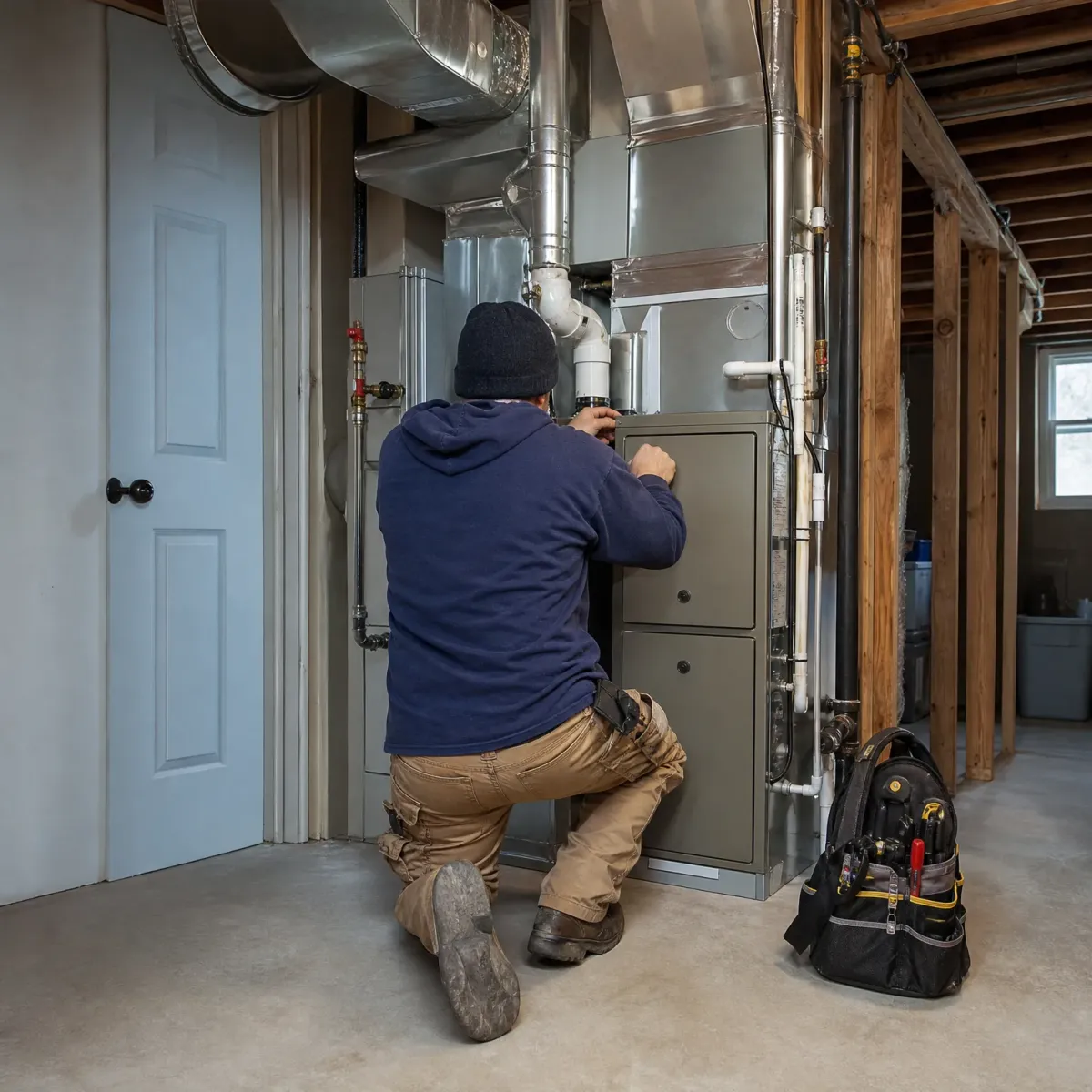
A person in a navy hooded sweatshirt, tan work pants and a knit cap kneels beside a furnace in a basement utility area, with sheet metal ductwork, PVC and copper piping overhead and a black tool bag on the concrete floor nearby.

Tell us about the job

Takes about a minute. No obligation.

New system or replacementMason County, WA
Step 1 of 3

What kind of equipment?

Which costs less to run in Mason County?

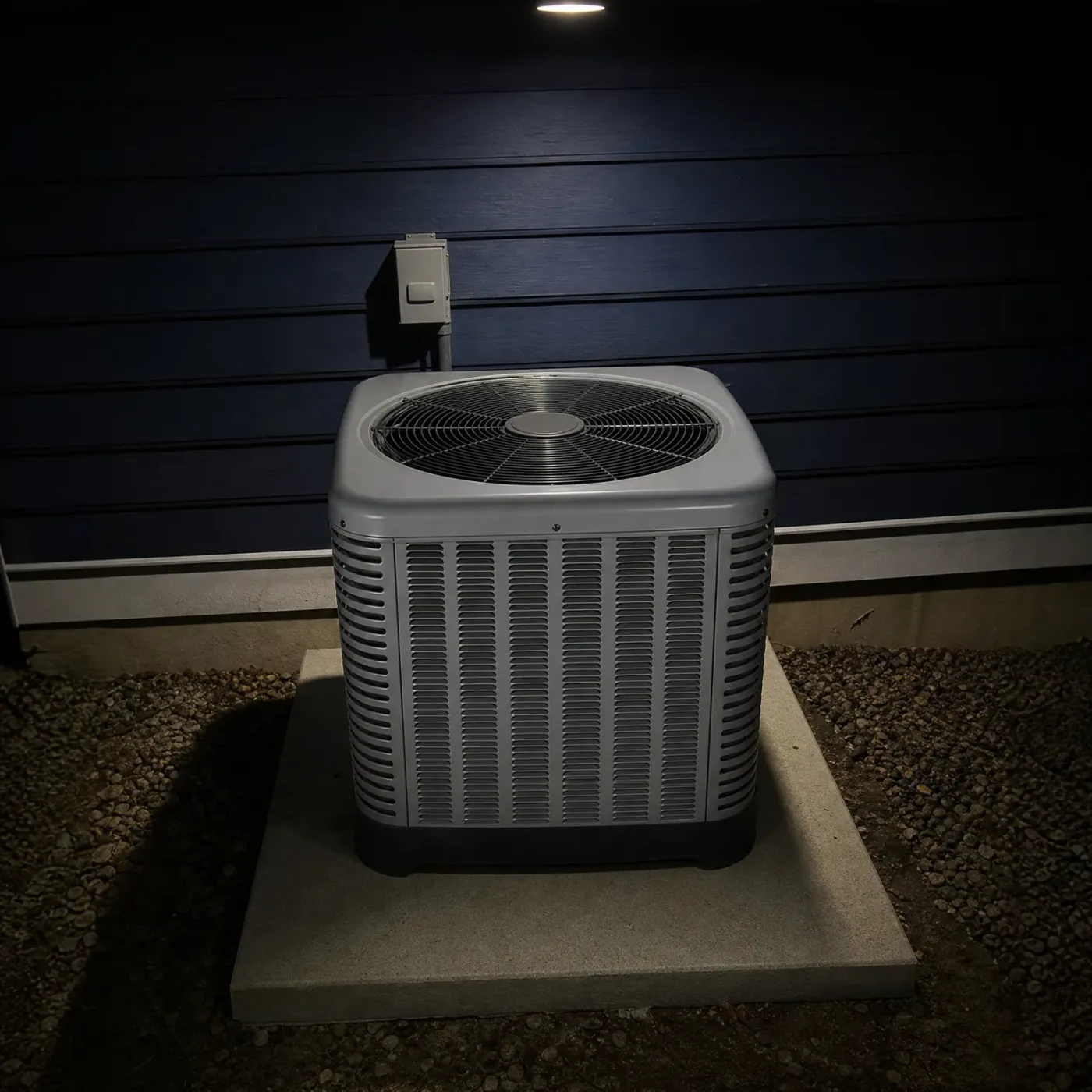
A gray outdoor condensing unit with a top-mounted fan grille sits on a concrete pad surrounded by gravel, against dark horizontal siding with a wall-mounted electrical disconnect box above it, lit at night.

Heat pump

To heat your home here$1.59per 100,000 Btu

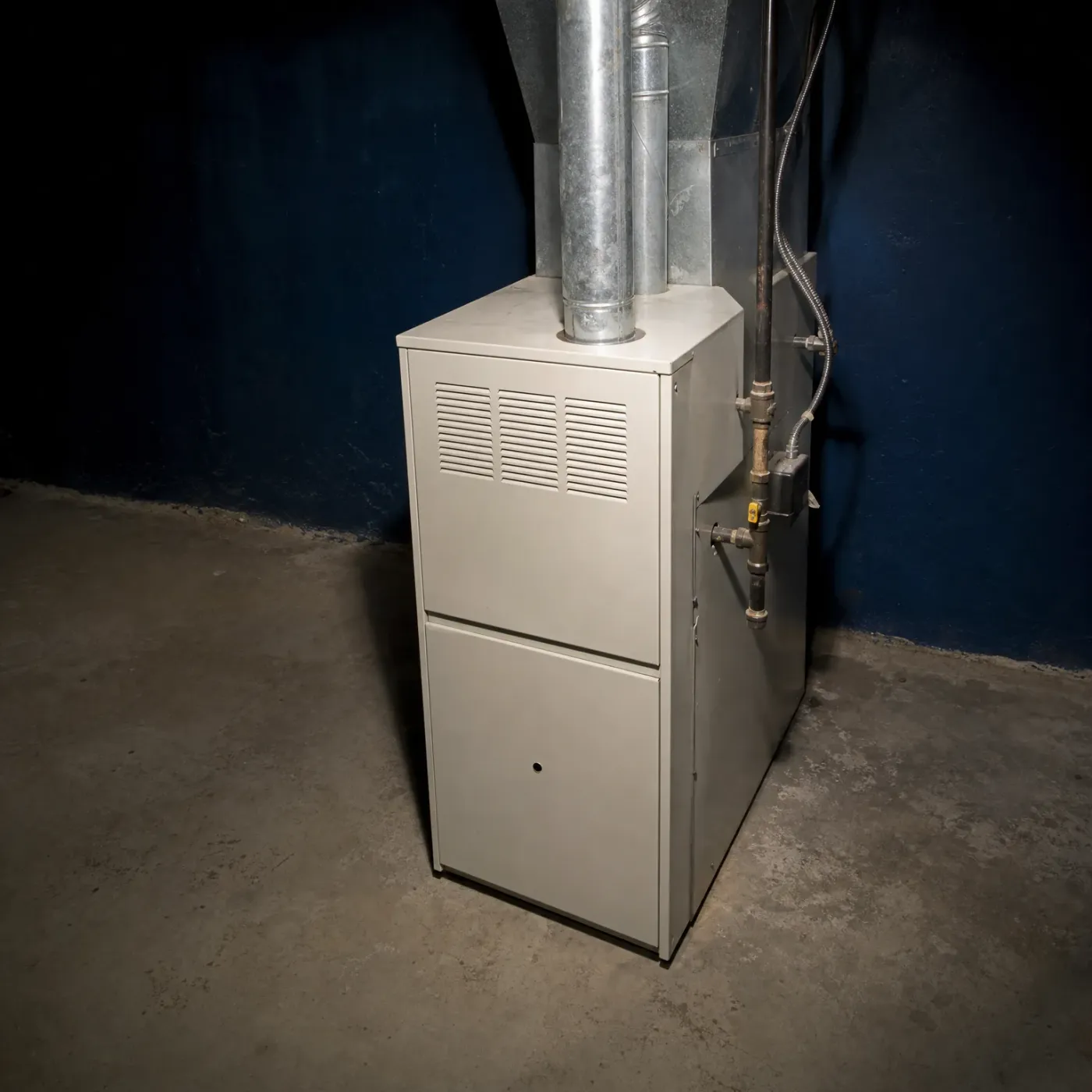
A beige gas furnace standing on a concrete basement floor against a dark blue wall, with galvanized metal flue ductwork above it and gas piping and a flexible conduit at its right side.

Furnace

To heat your home here$1.46per 100,000 Btu

At Washington's gas and electricity prices, a gas furnace makes the same heat as a heat pump for at least 8% less.

Btu stands for British thermal unit, the standard measure of heat energy.

Where does a heat pump shine?

  • No gas line, nothing burning in the house

    A heat pump runs on electricity alone. Nothing burns inside the house.

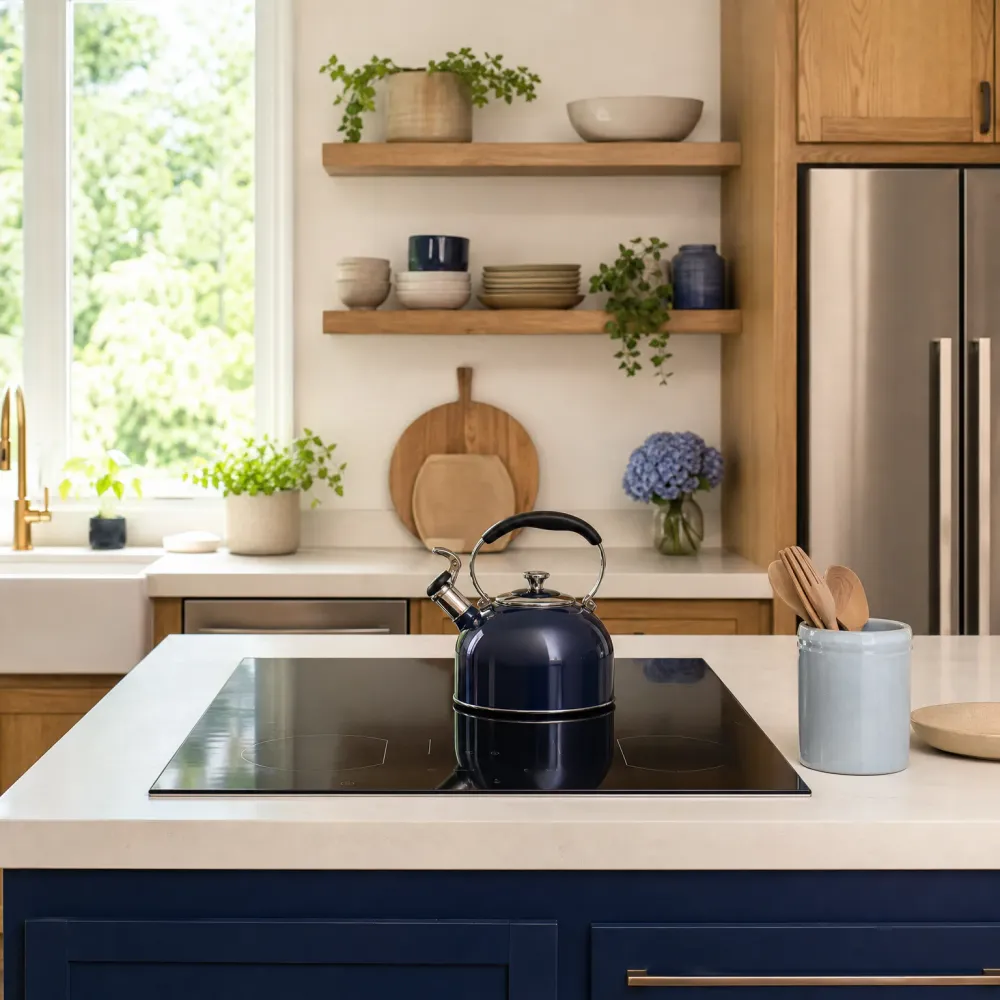
    A navy blue whistling kettle sits on a black induction cooktop set into a light stone island with navy cabinets, with wooden open shelves holding bowls and plants, a stainless steel refrigerator, and a window with green trees behind.
  • Steady, even comfort

    Instead of short bursts of heat, it keeps a gentle, steady output going. The house stays at one comfortable temperature.

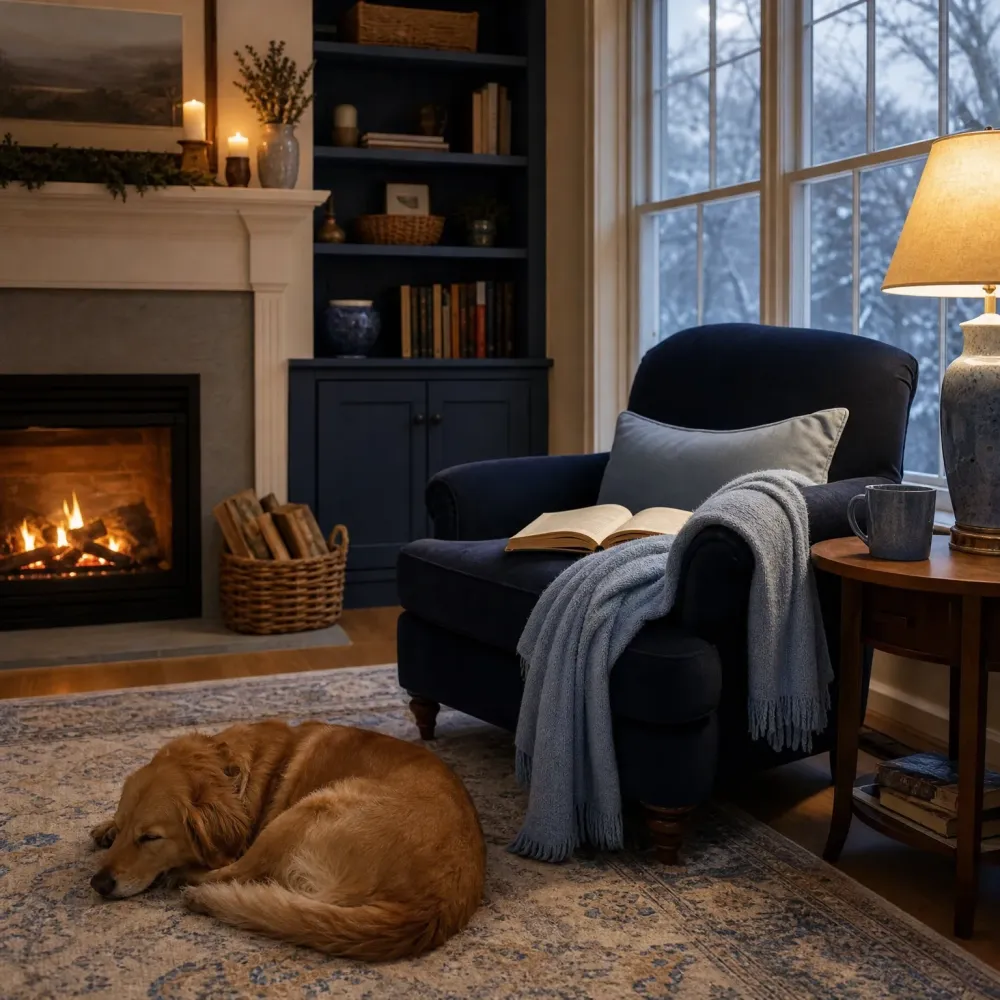
    A dark blue armchair with an open book and gray fringed throw sits beside a lit fireplace and a lamp-topped side table, with a golden-colored dog curled asleep on a patterned rug and snowy trees beyond the window.
  • Heats and cools in one system

    One machine handles the heat in winter and the cooling in summer. There's no second system to buy or keep up.

    A living room with navy blue walls and built-in shelving, a beige sectional sofa with blue and gray pillows and a knit throw, a wooden coffee table with a woven tray and glass vase of greenery, a leather ottoman, and a large window looking onto green shrubs and hydrangeas.

Where does a furnace shine?

  • Pairs with any central AC

    The ductwork that delivers heat in winter delivers cool air in summer once an AC coil is added.

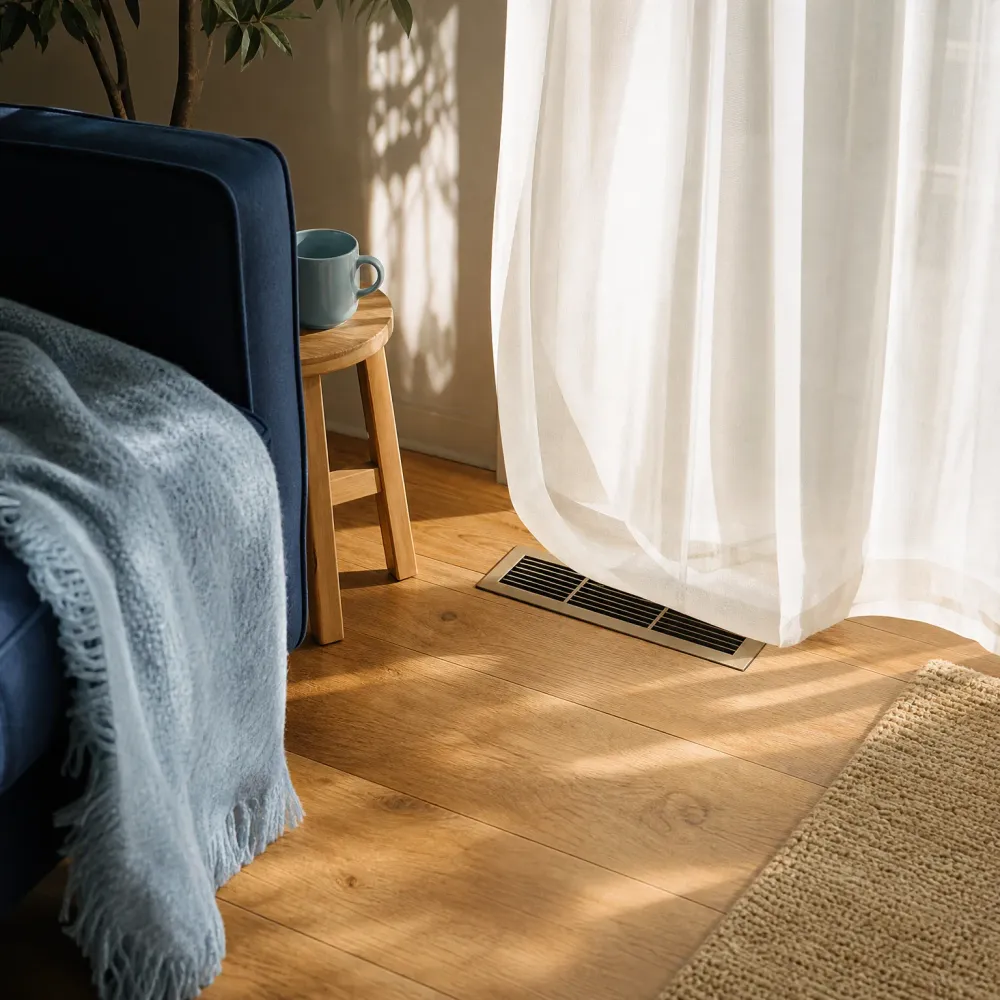
    A sunlit room with wood plank flooring, a floor vent grille near a sheer white curtain, a dark blue sofa with a pale blue fringed throw, and a wooden stool holding a blue mug.
  • Fast, strong heat on demand

    Turn the heat up and the furnace answers right away. There's no long wait for the house to catch up.

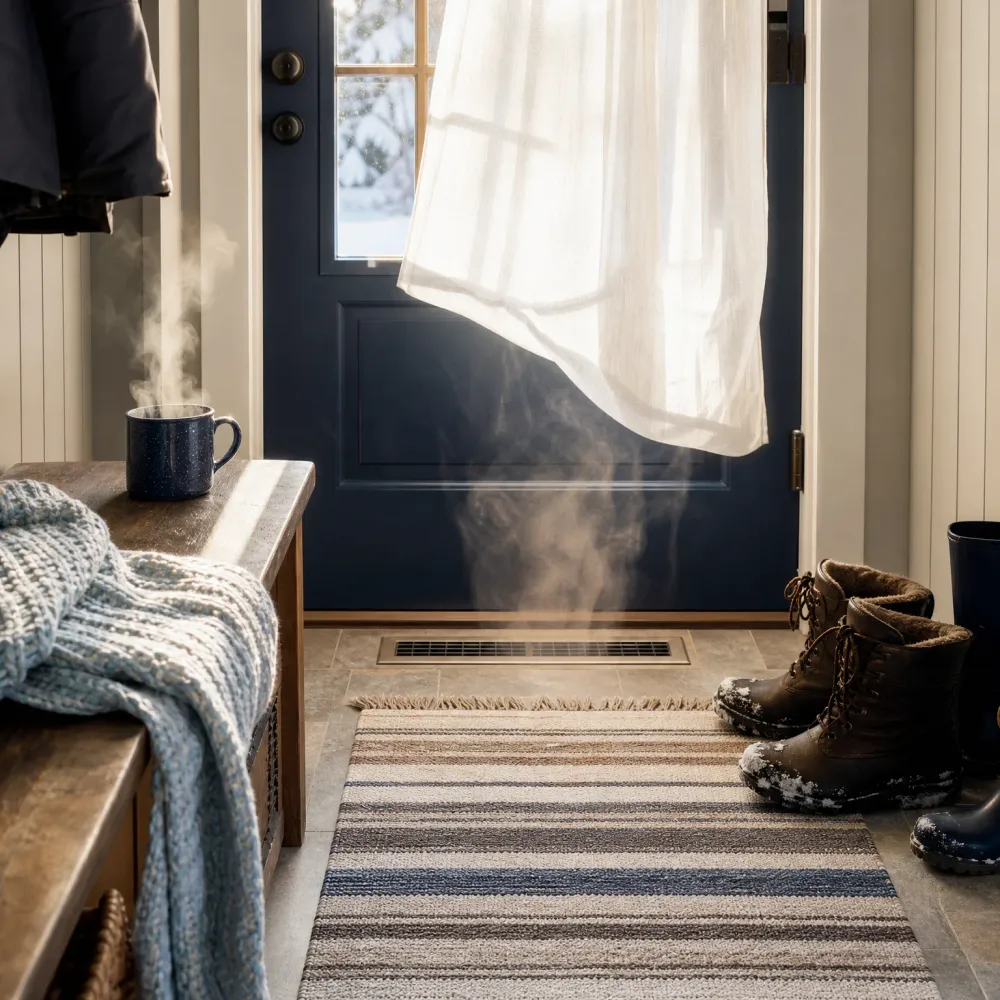
    An entryway with a navy paneled door and sheer curtain, a steaming blue speckled mug on a wooden bench draped with a knit blanket, a striped runner rug over tile, a floor vent, and snow-dusted boots by the wall.
  • Proven, simple, easy to get serviced

    The design is simple and well understood. That keeps service calls short.

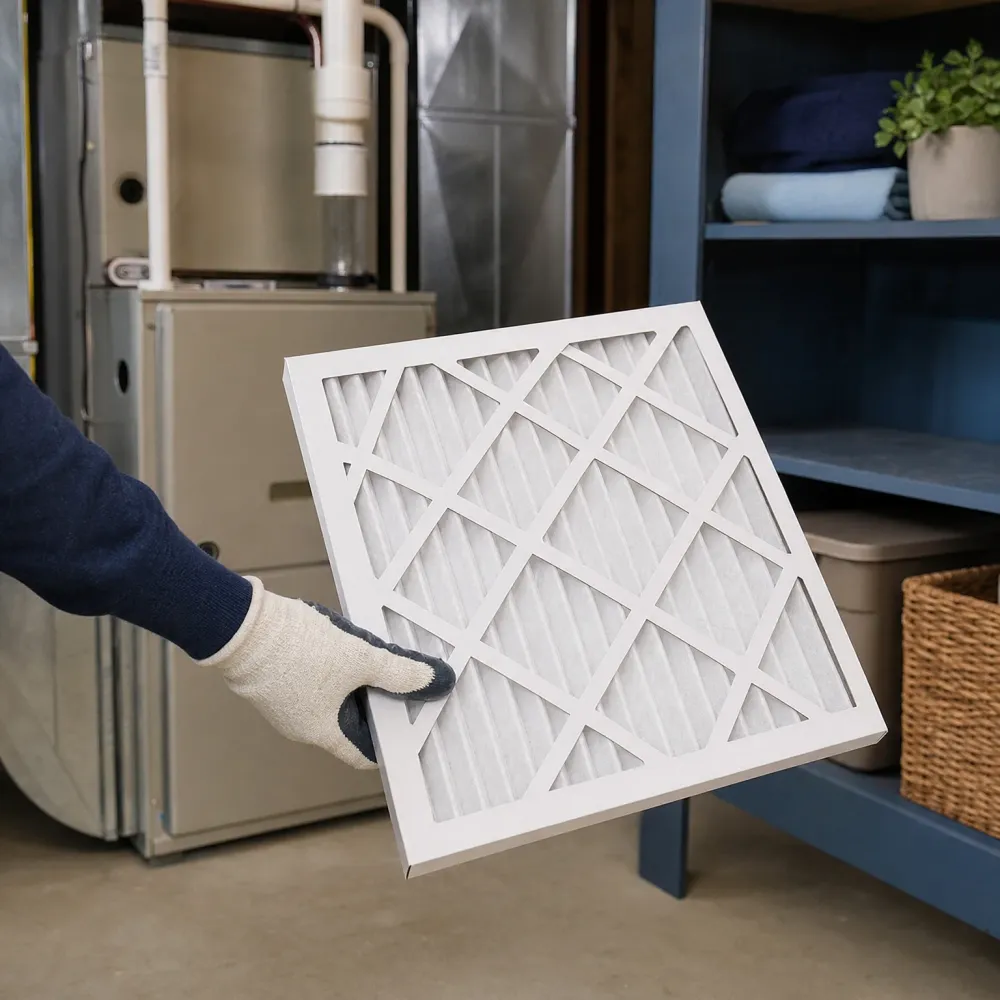
    A gloved hand holds a pleated air filter in front of a furnace and ductwork, with a blue shelving unit holding folded towels, a plant and a wicker basket at right.

Does a heat pump keep up with winter here

Your heat runs ten months a year here, September through June, so this isn't a machine you'll use a few weeks a season. It has to work through the whole stretch, including the cold nights.

The overnight low averages 33°F across December, January and February, and that number matters more than it looks like it should. A standard heat pump starts losing heating capacity below 40°F, and often leans on backup heat below about 35°F. Mason County's average winter night sits below both marks, and so does every one of the roughly 60 nights a year that hit freezing or below.

That doesn't mean the heat pump quits. Fewer than one of those 60 nights a year reaches 0°F, and cold-climate heat pumps tested over two winters in occupied homes drew on backup heat for only a small share of the hours between 0°F and 35°F. Running on backup alone was rare even at 0°F. A heat pump built and rated for cold climates, not just the federal minimum, is built for exactly the nights Mason County has most of.

A furnace does not have this question to answer. It burns gas or propane, makes full heat regardless of the temperature outside, and has no equivalent to a heat pump's cold-weather falloff.
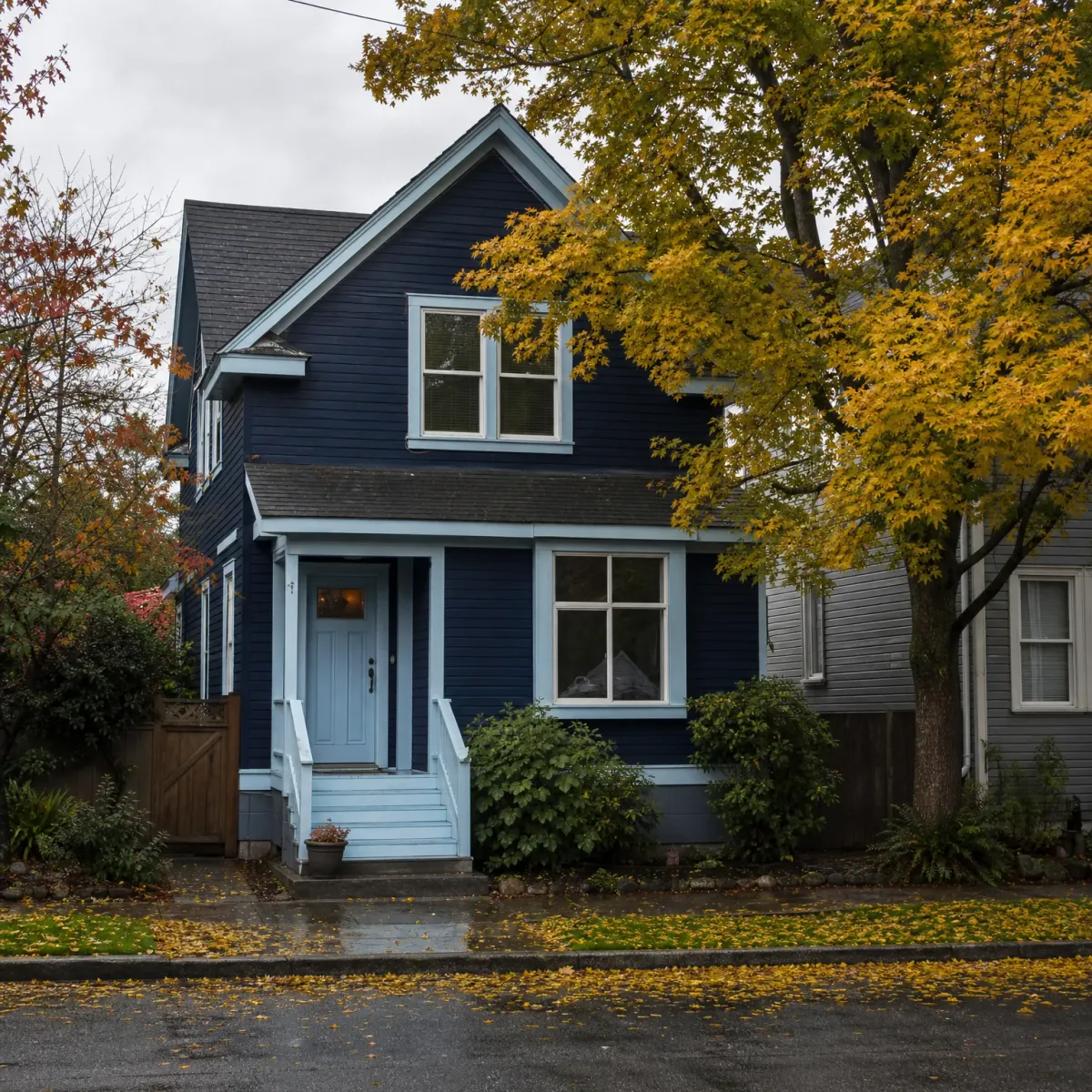
A two-story dark blue wood-sided house with light blue trim, a small covered porch with white steps, and a yellow-leaved tree in front, with fallen leaves on the wet street and lawn.

What it costs to run, and what it's hooked up to

At Washington's average fuel prices, a gas furnace makes the same heat for less: $1.46 against $1.59 per 100,000 Btu, both figures for a machine built to the federal minimum. That's the furnace ahead by at least 8 percent before anything else is factored in.

But most homes here aren't set up to put a furnace to work. Gas heats 6.9% of homes in Mason County, fewer than one in ten. Electricity heats 72.4% of them, a little under three in four. The furnace's cost edge only matters if a gas line already reaches the house, or if running one is part of the plan.

A heat pump also does something a furnace cannot. Mason County has no real cooling season, no month warm enough to call for air conditioning, and a heat pump is an air conditioner in summer as well as a heater in winter. A furnace only heats. For the two months a year it isn't needed, it has nothing to do, and cooling has to come from somewhere else.

Sources: NOAA nClimDiv · NOAA 1991–2020 seasonal normals · Census ACS 2020–2024 · EIA SEDS 2024 · 10 CFR 430.32 · PNNL Building America guide · PNNL-37127 field study · ENERGY STAR product criteria

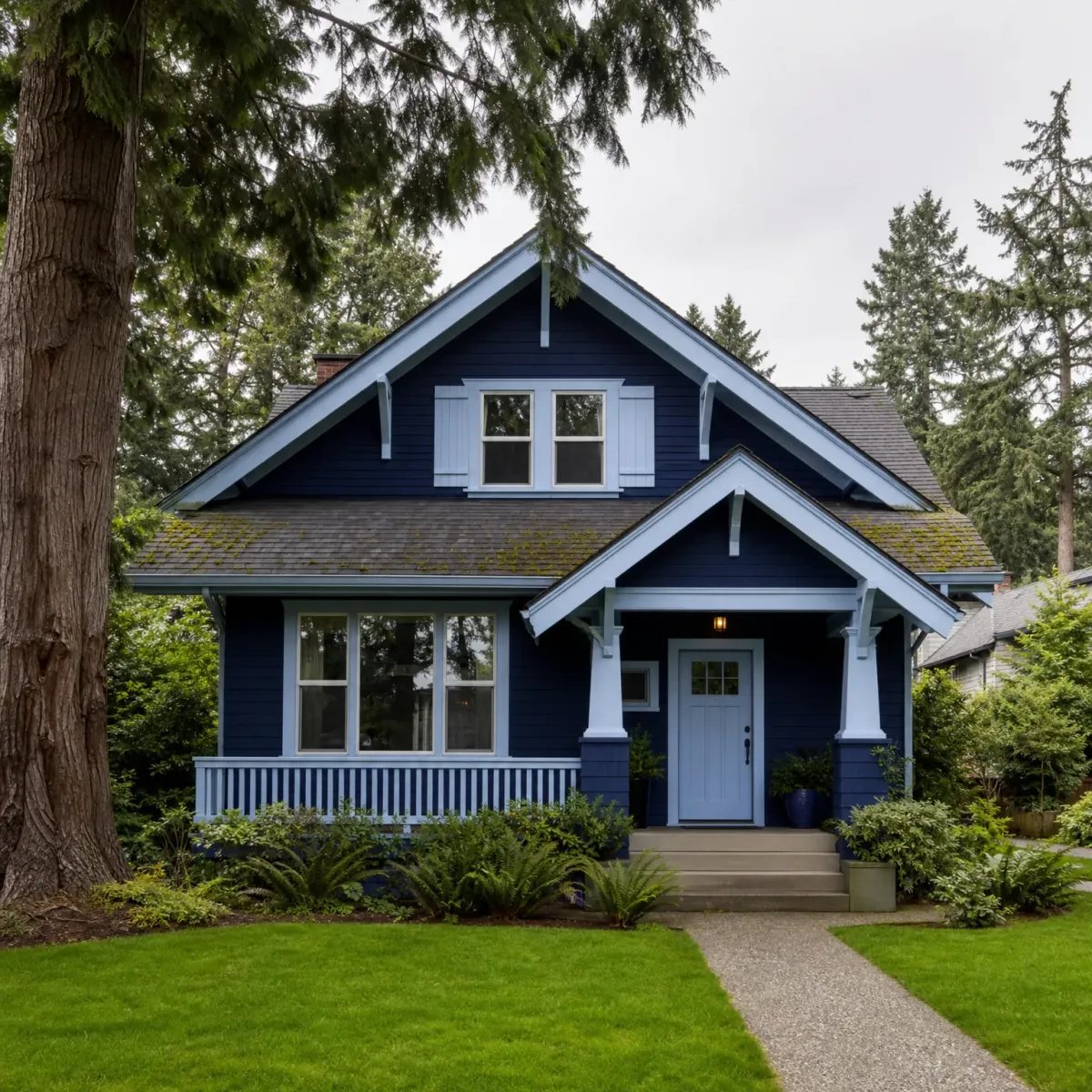
A navy blue craftsman-style bungalow with light blue trim, a gabled porch with tapered columns, a white porch railing, and a concrete path crossing a green lawn, framed by a large tree trunk and conifers.

Common questions about heat pumps and furnaces

  • Can a heat pump heat a house through a Washington winter?

    Yes. The overnight low here averages 33°F in December, January and February, and only about 60 nights a year drop to freezing or below. Below 40°F a standard heat pump puts out less than its rated capacity, and below about 35°F it often leans on backup heat, so on most winter nights here it's working under those marks. Fewer than one night a year reaches 0°F, the temperature where a heat pump struggles most, so the deep cold that causes real problems almost never happens in Mason County.

  • Do I need backup heat with a heat pump here?

    Most installations include it, and the average winter night here calls for it. The overnight low averages 33°F across December through February, below the roughly 35°F mark where a standard heat pump often needs backup heat. A cold-climate model holds onto more of its capacity in the cold, but with lows this mild and almost no nights near 0°F, backup heat here only has to cover the occasional cold snap, not the whole winter.

  • What if my house doesn't have a gas line?

    You're deciding between a heat pump and electric resistance heat, or a furnace running on propane or oil instead of utility gas. Electricity already heats 72.4% of homes in Mason County, so a heat pump is the common choice here. It also does what resistance heat can't: it cools your house too, with no second system to install.

  • Is a heat pump cheaper to run than a furnace in Mason County?

    No, a gas furnace costs less to run here. Heating your home costs $1.59 per 100,000 Btu with a heat pump against $1.46 with a furnace, both at the federal minimum efficiency. Only 6.9% of homes in Mason County run on utility gas, so most households are weighing a heat pump against electric resistance heat instead, where the heat pump wins by a wide margin.