




A gray forced-air furnace with metal ductwork stands in an unfinished basement with exposed wooden joists, concrete walls, and a single hanging light bulb.

Furnace Installation in Stevenson, WA

Tell us about the job

Takes about a minute. No obligation.

New system or replacementFurnace or heatingSkamania County, WA
Step 1 of 2

What ZIP code is the job in?

Electricity here runs $34.87 per million Btu, among the higher rates the EIA tracks state by state. If your furnace runs on electricity, that rate applies to every hour it runs between fall and spring. A unit that wastes less of that power shows up directly on the bill, month after month. This is worth asking about when you're comparing furnaces for a new install, not just the upfront price.

10 months
September through June, your furnace is on duty
29°F
the average winter night it heats against
80% AFUE
the federal minimum any new unit must meet
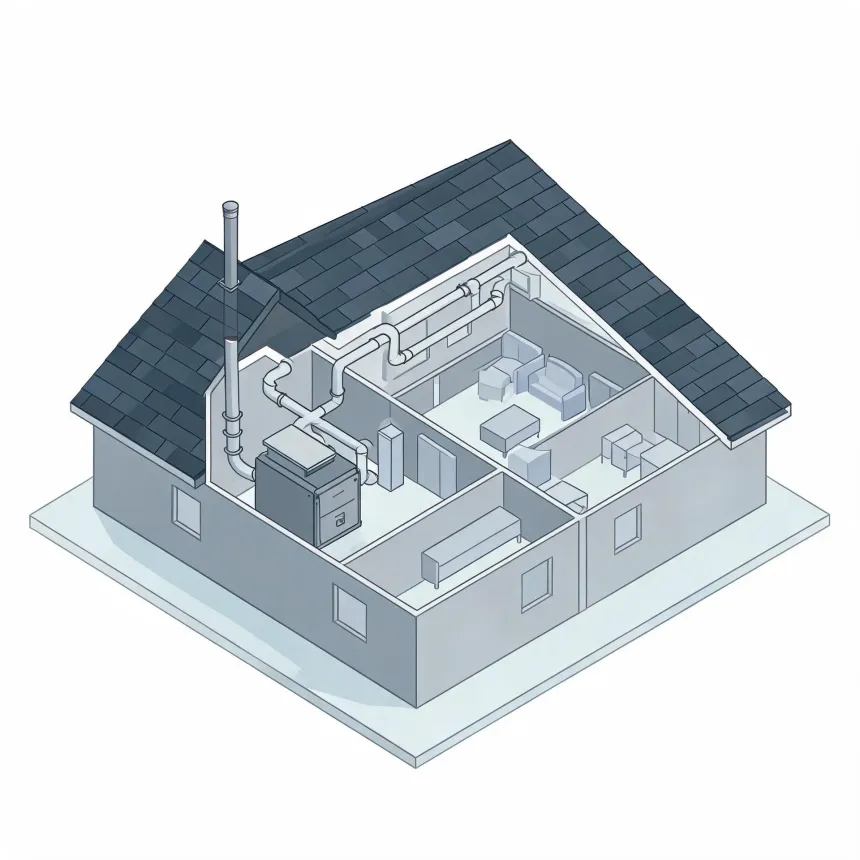
Isometric cutaway illustration of a single-story house with a dark shingled roof, showing interior rooms with furniture, ductwork, a flue pipe, and a furnace unit.
Your furnace works hardest from October through April.

NOAA nClimDiv, 1991–2020 normals

Furnaces in Skamania County start running in September.

Get yours installed by August, so it's not a rush job in the cold.

Most homes here heat with electricity, so a furnace that matches it is the easy call

55.9% of homes heat with electricity
Heat runs September through June
Winter nights average 29°F

Furnaces here run September through June. That's most of the year with the heat on, and overnight lows average 29 degrees through December, January and February. A furnace sized for a milder climate ends up running close to flat out for that whole stretch, and parts wear sooner when they rarely get a break. This is a case where the cheapest unit on the quote is not always the one that holds up best. Ask what size the contractor is recommending and why, based on your house, not just what's on sale.

Efficiency pays here

Power costs more here, so an efficient system pays you back on every bill.

Find a contractor
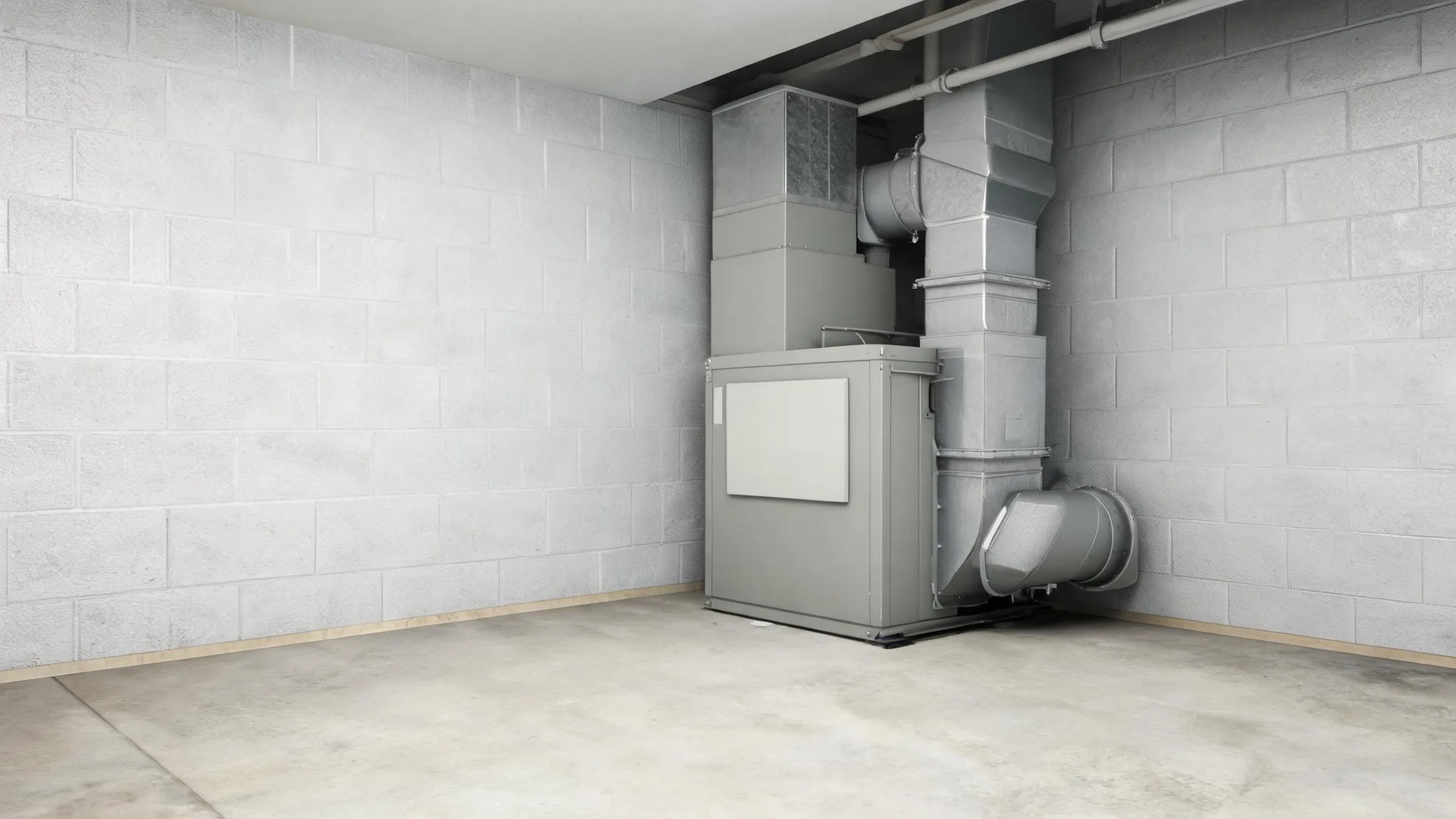
A gas furnace with attached ductwork, gas piping, and condensate lines installed in a concrete-block basement.

Ten months of work a year

Ten months of heat a year means long runtimes get logged fast. Ask the contractor for the load calculation on your house, not a number they quote from memory. A furnace sized off square footage alone can end up undersized for what this place actually demands, and that shows up as a system that never gets a break. Get the sizing right at install and the rest of the quote is easier to judge on its merits.

Ask for a load calculation, not a guess

A contractor should size your furnace by figuring the heat loss of your actual house, room by room. If a quote is based on the square footage of your old unit or a quick walk-through, the size on paper may not match what your house needs. A furnace too big cycles on and off more than it should. One too small runs long stretches without catching up.
Ask what's covered if a part fails early

A heat exchanger, an igniter, a blower motor or a control board can fail even in a new furnace. Ask what's covered on parts, what's covered on labor, and whether that coverage comes from the manufacturer or the contractor who installed it. The answer decides who you call and what it costs if something goes wrong in the first few years.

A furnace quote covers more than the box that gets delivered. Ductwork gets checked against the new unit's airflow, and if a duct run is too narrow or leaky, that gets fixed before the furnace goes in, not after. The vent system has to match the furnace type, since a high efficiency furnace vents differently than an older style and may need new vent pipe run through the house. The gas line gets sized to the furnace's input, and some furnaces need more gas than the existing line supplies. Electrical hookup and thermostat wiring get checked too, along with whether the ductwork already in place can handle the new blower. Furnaces that look the same on paper can mean very different amounts of work once a contractor sees what's already in the house.

Install day starts with the old furnace coming out, not the new one going in. The contractor disconnects the gas line, the electrical, the vent pipe and the ductwork collar, then pulls the unit out whole or in pieces depending on where it sits. The new furnace gets set in place and leveled before anything gets hooked back up. Gas line, vent and electrical get connected and tested one at a time, not all at once, since a mistake on any one of them is a safety problem and not just an inconvenience. Once it's running, the contractor checks the flame, checks for gas leaks at every joint, and measures the temperature rise across the furnace to confirm it matches what the manufacturer specifies for that model. Only after all of that gets signed off does the thermostat get programmed and handed back to you.