Electric heat costs more to run here
Washington homes paid $34.87 per million Btu of electricity in 2024. A furnace that wastes less of that power costs less to run, every month it's working.
Takes about a minute. No obligation.
Washington homes paid $34.87 per million Btu of electricity in 2024. A furnace that wastes less of that power costs less to run, every month it's working.
When you're choosing a furnace for Walla Walla, the efficiency rating matters more than it would somewhere with cheaper power. A higher-efficiency model costs more up front, but at these rates it has more room to make that back.
NOAA nClimDiv, 1991–2020 normals
A brand name tells you nothing about how efficient the furnace actually is.
Ask for the AFUE number on the specific model being quoted, not just the brand.



Half the homes in Walla Walla County were built in 1973 or earlier. If yours is one of them, the furnace going in now may not be replacing one sized for the same ductwork. Additions, finished basements, or attic conversions done over the years can change how much space the system needs to cover. A furnace sized off the house as it was built can leave rooms underheated or push the system harder than it needs to work. Before the new unit goes in, have the contractor size it to the house you have now, not the one on record.
Power costs more here, so an efficient system pays you back on every bill.
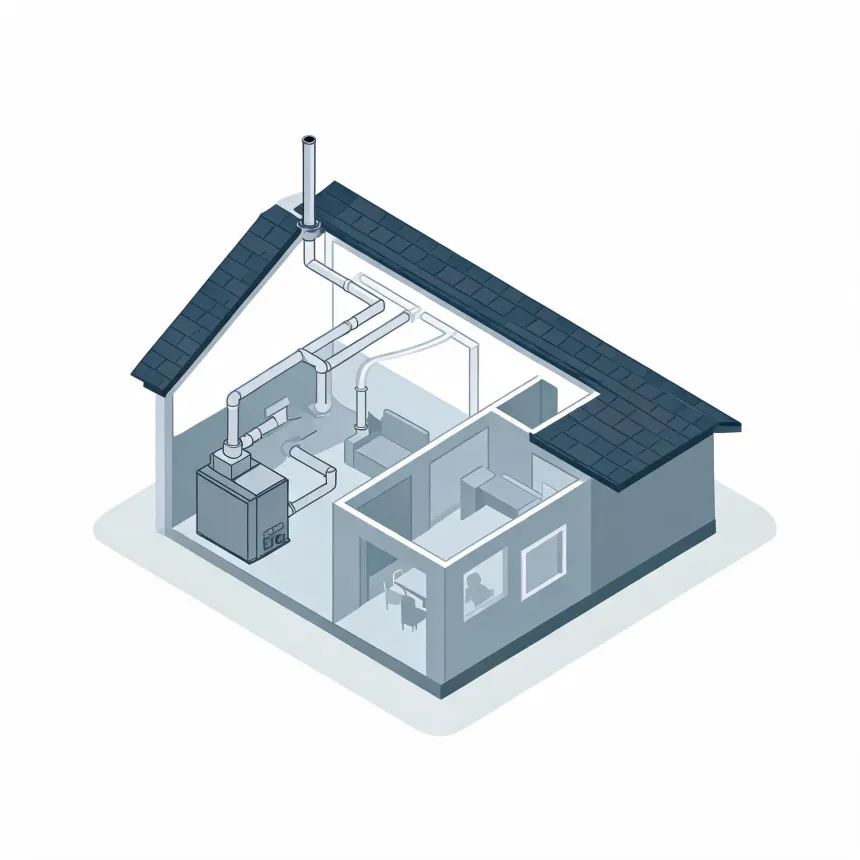
Find a contractorHeat runs here from October through May, about eight months a year. September is the last month before that starts. Put the new furnace in then and there's no rush on the sizing, no rush on the install, and no gap where you're without heat. Wait for the first cold snap and you're picking from whatever unit is in stock, on whatever day a contractor can fit you in.
Whoever installs the new furnace disconnects the old one and takes it when they go. That includes the gas line cap, the flue connection, and the electrical hookup. You shouldn't be left to deal with a dead furnace sitting in the basement or closet.
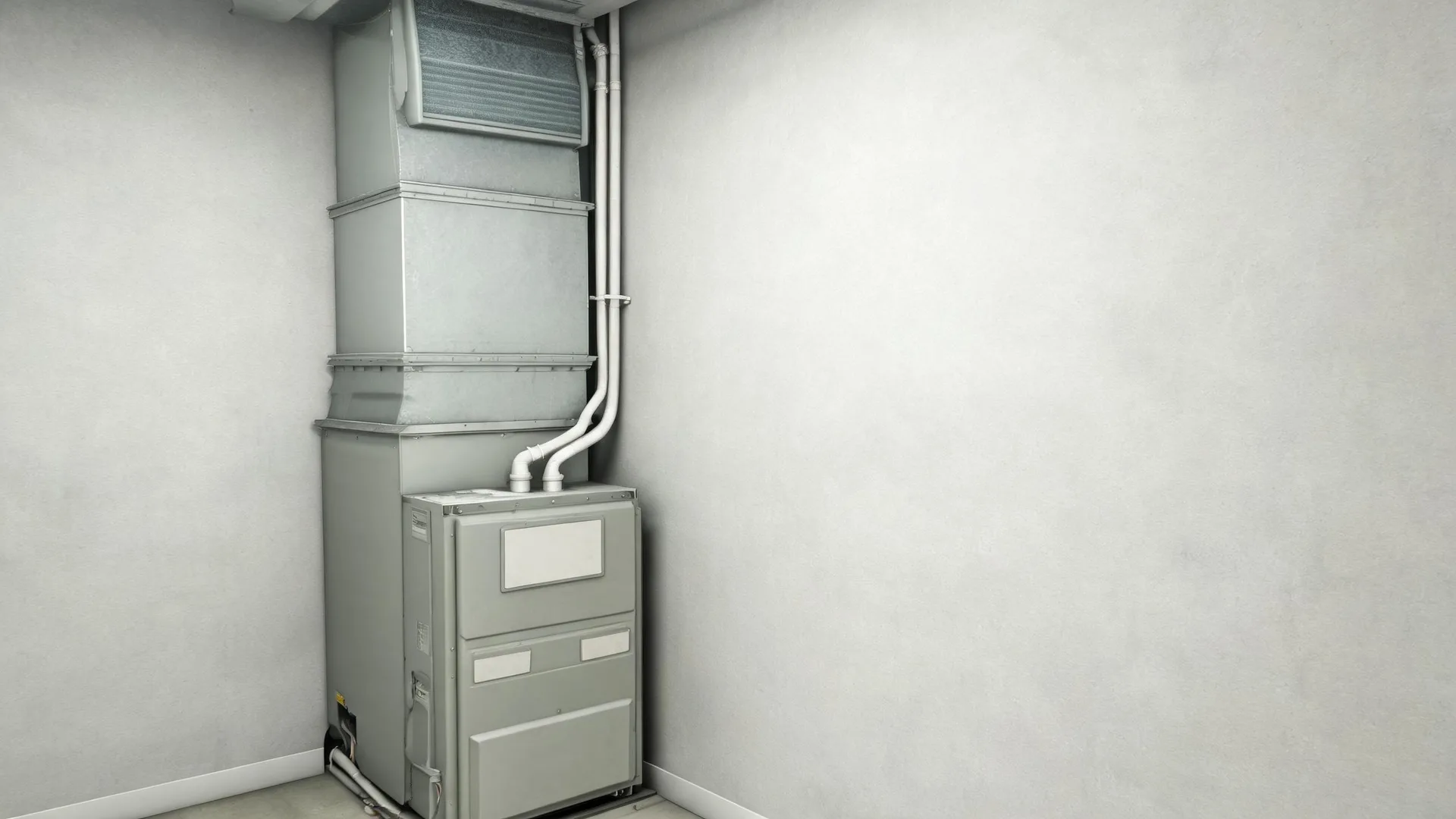
A new furnace may not need the same footprint as the one it replaces. Newer units often have a smaller cabinet, different venting, and different clearance needs. Ask the contractor what the install leaves you with, especially if you were hoping to reclaim some of that space.
A furnace that's too big for the space doesn't heat it better. It cycles on, blasts the place up to temperature fast, and shuts off again before it's pulled moisture out of the air or warmed the walls and furniture evenly. That short cycling wears on the heat exchanger and the blower motor, since the parts that take the most stress are the ones working hardest at startup and shutdown. Too small, and the furnace runs long stretches without catching up on the coldest days, so it's working constantly and still leaving rooms cold. Sizing it right comes down to a load calculation, a room-by-room look at square footage, window area, insulation and ceiling height, not just a match to the old unit's output. It's the only way to know the new furnace fits the house as it actually is now.
Installation day starts with the old furnace coming out, not the new one going in. The gas gets shut off. The ductwork gets disconnected. The space gets cleared before anything new goes in. Setting the new unit is often the fastest part of the day. What takes the time is connecting it right. The gas line, the venting, the ductwork transitions, the electrical hookup, the condensate line if the furnace needs one. Once it's hooked up, a contractor checks the gas pressure, tests the ignition, and watches the furnace cycle on and shut off the way it should. The job isn't done until it's been run and checked.