
Can a heat pump keep up here
Your furnace or heat pump here runs eight months a year, October through May, longer than almost anywhere else gets asked of a heating system. The overnight low averages 29°F across December and January, and that sits below both marks that matter for a heat pump. Below 40°F a standard heat pump's output falls short of its rating. Below about 35°F it often needs backup heat to make up the difference. At 29°F average, you are past both marks most winter nights, not just on the cold snaps.
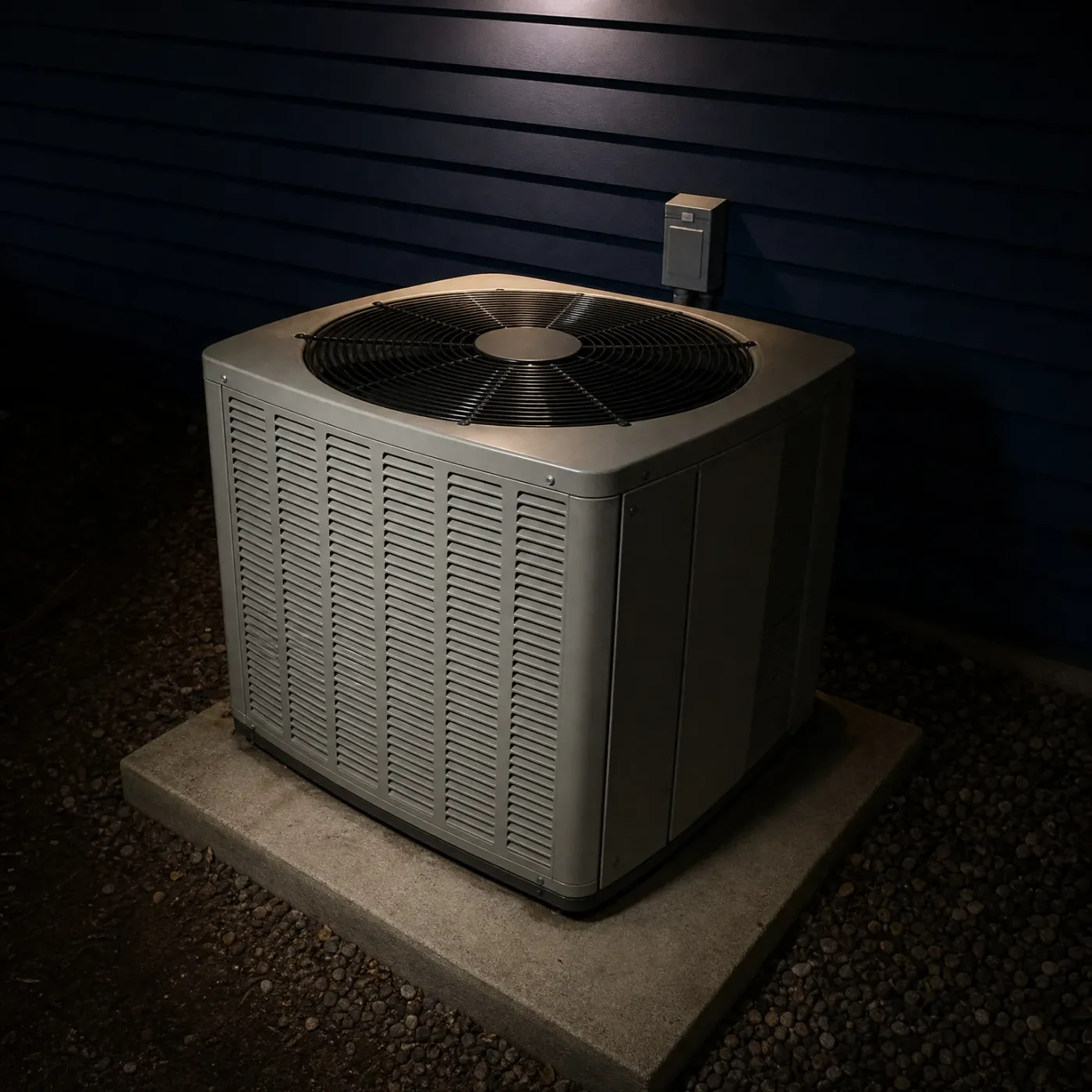
That does not mean the heat pump sits idle. About 95 nights a year here drop to freezing or below, and that is under half the nights across an eight month heating season. The rest of the season runs warmer than the mark where a standard heat pump struggles, and on those nights it heats the house on its own. The nights that reach 0°F, the kind of cold that really leans on backup heat, come to about one a year. Field tests of cold-climate heat pumps in occupied homes found backup heat carried only a small share of the load between 0°F and 35°F, and the heat pump running on backup alone was rare even above 0°F. If you go with a heat pump here, look for one with the ENERGY STAR Cold Climate rating. That rating requires the unit to prove, in third-party testing, that it still makes at least 1.75 units of heat per unit of electricity at 5°F and holds onto 70 percent of its warm-weather capacity at that temperature. A standard heat pump isn't built to do that. A cold climate one is tested to.